

Do headaches from poor posture really improve with desk changes?
Quick answer
Yes. Headaches from poor posture at work often improve when the underlying neck and shoulder strain is reduced. Adjusting your monitor height, improving chair support, keeping your head aligned over your shoulders, and taking regular movement breaks can reduce the muscle tension that contributes to posture-related headaches.
Who benefits most
Desk workers, students, remote employees, and anyone who spends several hours looking at a computer or laptop are most likely to benefit. If you've ever wondered, can poor posture cause headaches? The answer is yes—especially when forward head posture and prolonged sitting overload the muscles supporting the neck.
How long improvement usually takes
Some people notice reduced discomfort within a few minutes after correcting their posture and stretching. More consistent improvements typically occur over several days to a few weeks when ergonomic changes, strengthening exercises, and healthy work habits become part of a daily routine.
Headaches From Poor Posture at Work: Causes, Fixes, and Prevention Plan
⏱ 7 min read
Headaches from poor posture can quietly drain your focus, energy, and productivity during the workday. Long hours at a desk often lead to neck strain, tight shoulders, and tension that builds into persistent headaches. The good news is that with the right ergonomic setup, targeted exercises, and simple daily habits, you can reduce or even prevent these headaches entirely.
Discover practical ways to support your neck and head while you work.
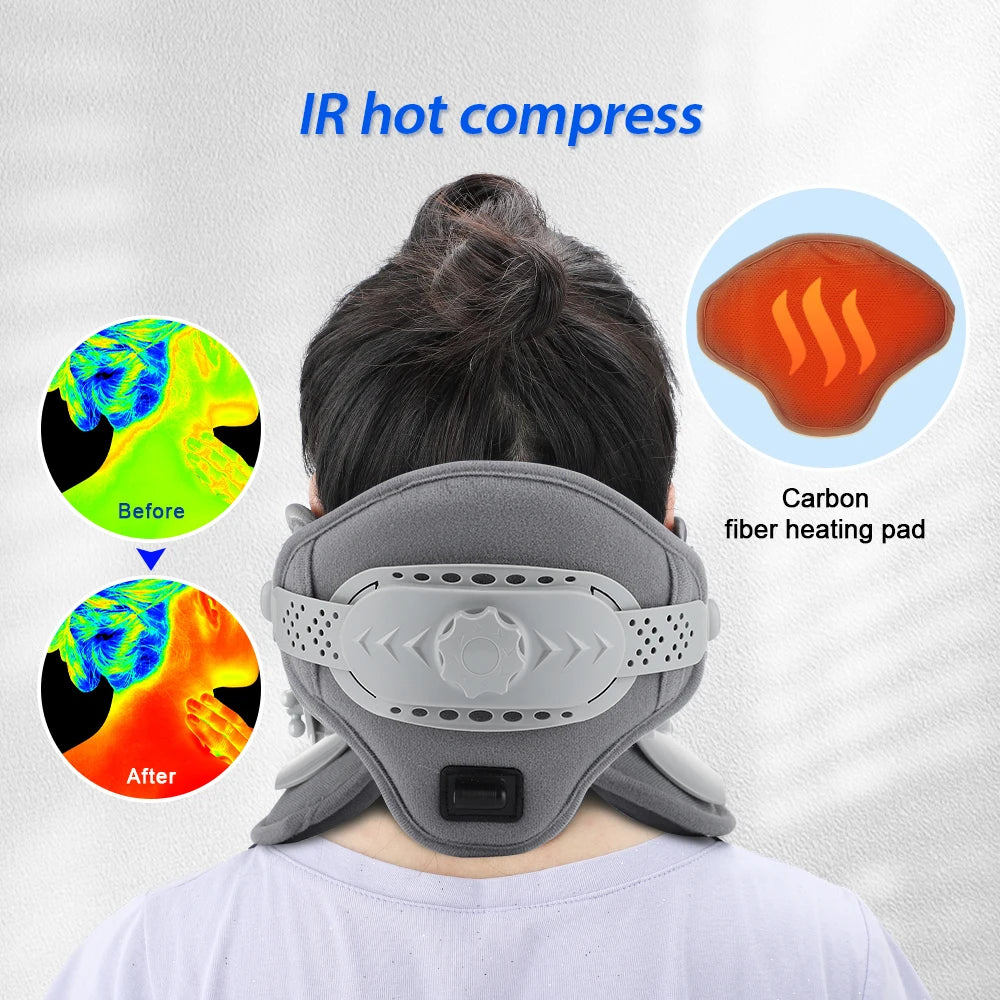
Headaches from poor posture often start at the desk — See it in action
How Poor Posture Causes Headaches
Can poor posture cause headaches? Yes. Poor posture changes the way your head, neck, and upper back share the weight of your body. As muscles work harder to support the head, tension develops around the cervical spine and the base of the skull, increasing the likelihood of headaches.
Step-by-step: from forward head posture to headache
When your head gradually shifts forward while using a computer:
- Your neck muscles must support extra weight.
- The shoulders become rounded and tight.
- The upper back stiffens to compensate.
- Muscles around the base of the skull become fatigued.
- Tension spreads upward, resulting in a headache.
This chain of events explains why neck posture headaches often worsen as the workday progresses.
Muscle tension and cervical spine strain explained
Poor sitting posture places continuous stress on the cervical spine. Tight muscles in the neck, shoulders, and upper back remain contracted for hours, reducing normal movement and increasing pressure on surrounding joints and soft tissues. Over time, this persistent tension can make headaches occur more frequently.
Office posture headache causes at a desk
- Looking down at a laptop instead of a raised monitor
- Unsupported lower back causing the upper body to collapse forward
- Keyboard placement that keeps the shoulders elevated
- Working without movement breaks
- Frequently reaching for a mouse positioned too far away
Why prolonged sitting increases symptoms
Remaining in one position decreases normal muscle activity and allows stiffness to build throughout the neck and upper back. These sitting posture headaches often become more noticeable late in the afternoon because muscles have been under continuous load for several hours.
How to Tell if Your Headache Is Caused by Poor Posture
Although many headaches have similar symptoms, posture-related headaches usually follow recognizable patterns linked to prolonged sitting or computer work.
Common symptoms of posture headaches
- Dull aching pain beginning at the base of the skull
- Neck and shoulder tightness
- An upper back posture headache after long periods of sitting
- Pain that improves after standing, stretching, or walking
- Reduced neck mobility with muscle stiffness
Posture headache vs tension headache vs migraine
- Posture headache: Usually develops after prolonged sitting and improves with posture correction or movement.
- Tension headache: Often feels like a tight band around the head and may have multiple triggers, including stress and muscle tension.
- Migraine: Frequently involves throbbing pain, nausea, light sensitivity, or visual changes and is not caused solely by posture.
Red flags that require medical evaluation
Seek medical advice if headaches are sudden and severe, progressively worsen, occur with weakness or numbness, include vision changes or dizziness, or fail to improve despite correcting posture and workstation ergonomics.
How to Fix Posture Headaches at Your Desk
If you're experiencing discomfort now, these simple adjustments can provide effective posture headache relief by reducing muscle tension and restoring better alignment.
5-minute posture reset
- Sit upright with your ears aligned over your shoulders.
- Roll your shoulders backward slowly 10 times.
- Perform gentle chin tucks for 5 repetitions.
- Stretch each side of your neck for 20–30 seconds.
- Stand and walk for one to two minutes.
Immediate neck and shoulder tension relief
- Relax your shoulders away from your ears.
- Take slow diaphragmatic breaths for one minute.
- Gently squeeze your shoulder blades together.
- Look away from the screen to reduce neck stiffness.
Quick workstation adjustments
- Raise the monitor so the top is near eye level.
- Keep your feet flat on the floor.
- Support your lower back with your chair.
- Keep elbows close to your body while typing.
- Place the keyboard and mouse within easy reach.
These small corrections often provide immediate relief while reducing the chance that symptoms return later in the day.
Complete Ergonomic Desk Setup to Prevent Headaches
The most effective way to prevent headaches at a desk is to build a workstation that supports a neutral posture throughout the day.
Chair and sitting posture
- Support the natural curve of your lower back.
- Keep hips slightly higher than knees when possible.
- Sit fully back in the chair instead of perching on the edge.
- Keep both feet supported.
Monitor, keyboard and mouse positioning
- Position the monitor directly in front of you.
- Keep the screen approximately an arm's length away.
- Allow elbows to remain near a 90-degree angle.
- Place the mouse beside the keyboard to avoid reaching.
Desk ergonomics checklist
- Head centered over shoulders
- Relaxed shoulders
- Wrists in a neutral position
- Frequently used items within easy reach
- Monitor positioned to avoid looking down
Following these posture tips for office workers helps reduce unnecessary strain on the neck and upper back throughout the workday.
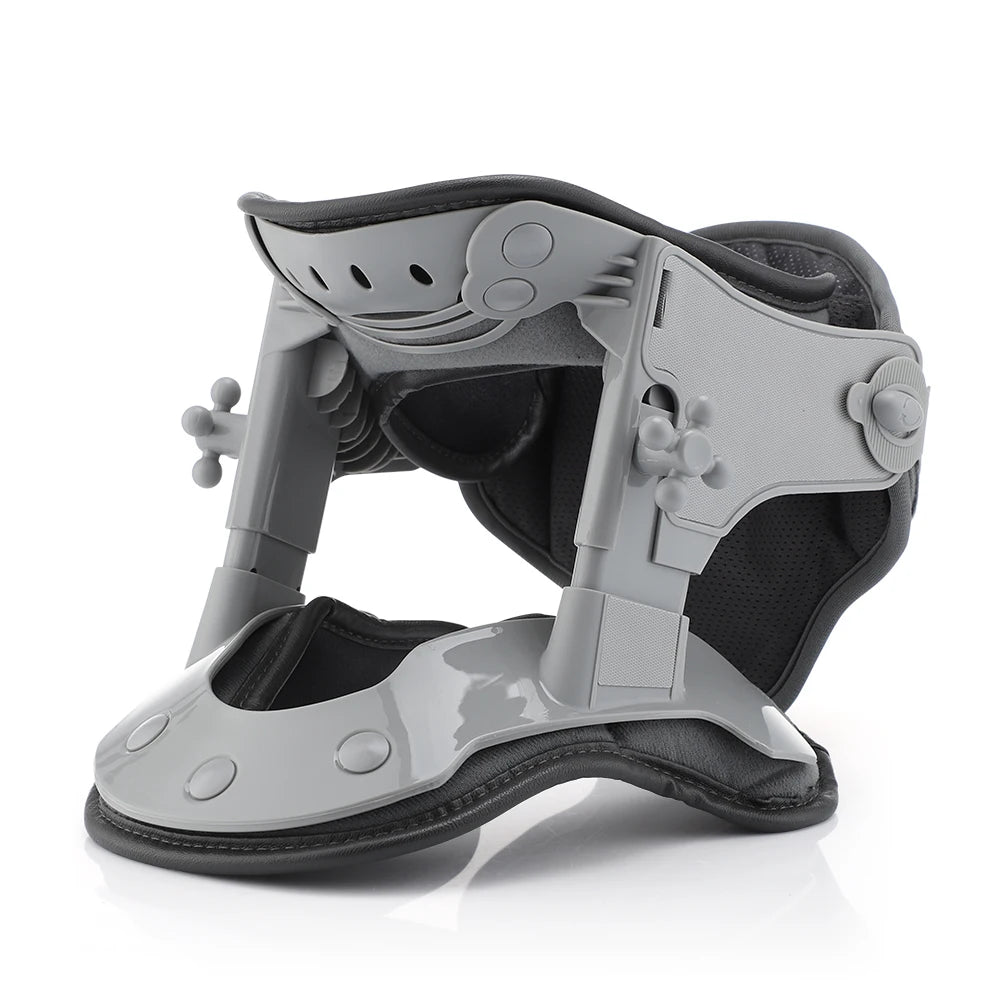
Better posture at work desk setups ease neck strain — See it in action
Exercises for Posture Headaches
Stretching and strengthening exercises improve mobility while reducing the muscle overload that contributes to posture headaches.
Neck stretches
- Side neck stretch for 20–30 seconds per side
- Chin tucks (10 repetitions)
- Slow neck rotations within a comfortable range
Upper back mobility exercises
- Shoulder blade squeezes
- Wall posture slides
- Resistance band pull-aparts
- Thoracic extension over a chair back
5-10 minute workplace routine
Every two to three hours, spend five to ten minutes alternating gentle stretches, shoulder mobility drills, and short walks. This routine is often enough to reduce stiffness before it develops into a headache.
Daily Habits That Prevent Desk Job Headaches
Long-term improvement depends on consistent work habits rather than occasional posture correction.
Movement break schedule
Take a brief movement break every 30 to 60 minutes. Stand up, stretch, refill your water bottle, or walk around the office for one or two minutes before returning to work.
Healthy posture habits
- Avoid leaning toward the monitor.
- Change positions throughout the day.
- Keep shoulders relaxed while typing.
- Alternate sitting and standing if available.
Building long-term resilience
Healthy posture becomes easier when supported by regular exercise, consistent workstation adjustments, and daily movement. Small habits practiced consistently are more effective than occasional long stretching sessions.
How Neck Support and Ergonomic Tools Can Help
Supportive devices can complement an ergonomic workstation by temporarily reducing muscle tension, but they work best alongside posture correction and regular exercise.
When supportive devices are appropriate
Many office workers use tools like neck cervical traction during breaks or after work to help support comfortable cervical alignment following prolonged desk work.
- May reduce temporary muscle tightness
- Can complement stretching routines
- Useful after extended computer sessions
- Works best alongside ergonomic improvements
What tools can and cannot do
Neck support devices may help relieve symptoms, but they do not replace strengthening exercises, workstation adjustments, or healthy movement habits. Lasting posture headache relief usually comes from combining supportive tools with improved ergonomics.
Relief can feel closer than you think.
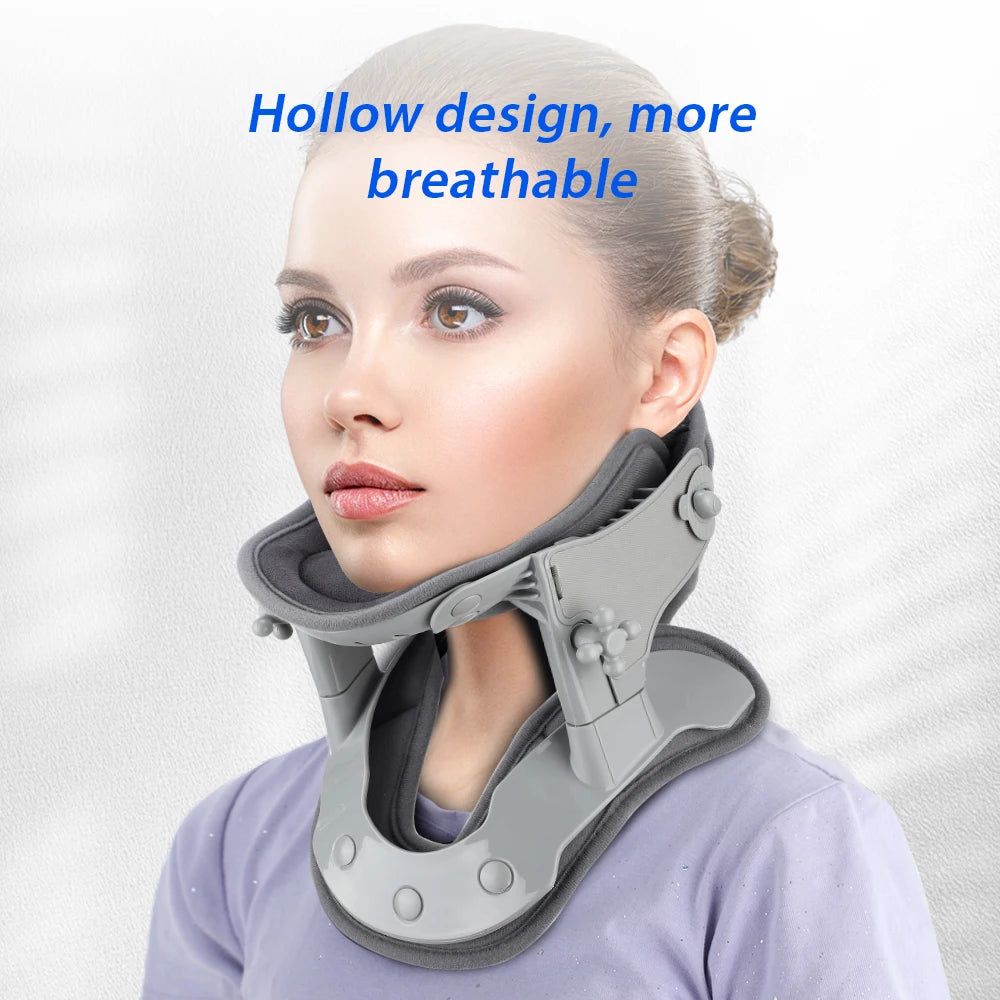
Headaches due to poor posture respond to proper neck support — See it in action
When to See a Doctor for Posture Headaches
While most posture headaches improve with ergonomic changes and exercises, some symptoms require medical attention.
Warning signs you shouldn’t ignore
- Persistent headaches despite posture correction
- Progressively worsening pain
- Numbness or tingling in the arms or shoulders
- Dizziness, balance problems, or vision changes
- Headaches following a significant injury
If you experience these symptoms, consult a healthcare professional to rule out underlying neurological, spinal, or other medical conditions.
Frequently Asked Questions
Can poor posture cause migraines?
Poor posture does not directly cause migraines, but it can trigger or worsen migraine symptoms by increasing tension in the neck and upper back.
How long do posture headaches last?
Mild posture headaches may improve within minutes after movement and stretching, while recurring symptoms often require several days or weeks of consistent ergonomic improvements.
Can posture headaches go away permanently?
Many people significantly reduce or eliminate recurring posture headaches by improving workstation ergonomics, strengthening posture muscles, and maintaining regular movement breaks.
How often should I take movement breaks?
A short break every 30 to 60 minutes helps reduce muscle fatigue, improve circulation, and lower the risk of headaches developing during prolonged desk work.
What is the best sitting posture for preventing headaches?
Keep your head aligned over your shoulders, maintain lumbar support, relax your shoulders, and position your monitor at eye level to minimize unnecessary strain on the neck.
Support your neck and reduce daily headaches with confidence.
Related Guide: Neck Fatigue and Pain Solutions for Desk and Phone Users













