

Does heat therapy for feet really work?
Yes. Heat therapy for feet works by increasing blood flow, relaxing tight muscles, and easing everyday discomfort caused by prolonged standing, walking, or exercise. When used correctly, gentle warmth can reduce stiffness, improve flexibility, promote relaxation, and support natural recovery without medication. While it is highly effective for chronic soreness and muscle tension, it is not appropriate for fresh injuries, significant swelling, or infected skin.
Heat Therapy for Feet Benefits: How to Use It Safely at Home
⏱ 5 min read
Do your feet still ache after a long day? Heat therapy for feet is a simple, effective way to improve circulation, reduce stiffness, and support recovery. Whether you spend hours standing at work, walk long distances, or simply experience tired feet at the end of the day, applying controlled warmth can help relieve discomfort naturally when used safely.
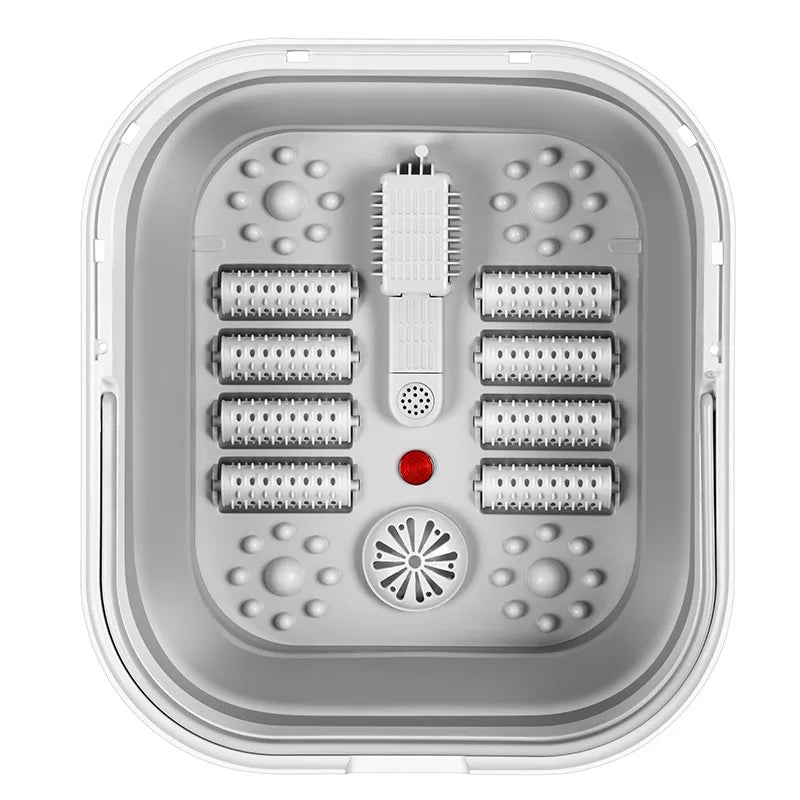
Heat therapy for feet at home for fast tired feet relief. See it in action.
What Is Heat Therapy for Feet?
Heat therapy for feet involves applying controlled warmth to the soles, arches, heels, or ankles to relax muscles, improve circulation, and reduce stiffness. Unlike cold therapy, which limits inflammation, heat encourages tissues to loosen and become more flexible, making it particularly helpful for chronic discomfort and everyday fatigue.
How warmth affects your feet
- Encourages blood vessels to widen for better circulation.
- Relaxes muscles tightened by standing, walking, or exercise.
- Improves flexibility in soft tissues surrounding joints.
- Provides a calming effect that helps reduce overall tension.
- Supports recovery after normal daily activity.
The science behind heat therapy (circulation & muscle relaxation)
When warmth is applied to the skin, blood vessels expand through a process called vasodilation. Increased circulation delivers oxygen and nutrients to working tissues while helping remove metabolic byproducts. Heat also lowers muscle tension, improves tissue elasticity, and temporarily decreases pain sensitivity, making movement feel easier.
Key Heat Therapy for Feet Benefits (Explained with Mechanisms)
Improves circulation and blood flow
One of the primary heat therapy for feet benefits is improved circulation. Better blood flow delivers oxygen and nutrients that help tissues recover after prolonged standing or walking. People whose feet regularly feel cold or fatigued often notice greater comfort after a short warming session.
Relieves foot pain and muscle stiffness
Heat relaxes muscle fibers and soft connective tissues while reducing stiffness around joints. This makes heat therapy for foot pain relief especially useful for tired feet, mild muscle soreness, and everyday aches rather than acute injuries.
Helps plantar fasciitis and joint discomfort
People with morning heel tightness or mild plantar fascia irritation may find that heat improves flexibility before stretching or gentle activity. Although heat does not treat the underlying cause, it can make movement more comfortable. For severe or persistent heel pain, combine home care with appropriate foot pain relief at home strategies and professional evaluation when needed.
Promotes relaxation and better sleep
Warm feet encourage relaxation by helping the nervous system shift into a calmer state. Many people include a warm foot soak in their bedtime routine because it helps reduce daily stress and supports easier sleep onset.
Supports recovery after standing or exercise
If you spend long hours on your feet or complete regular workouts, gentle heat can help muscles recover by easing tightness and reducing the heavy sensation that often develops afterward. Heat is generally most beneficial after normal muscle fatigue rather than immediately after strenuous injury.
Limitations: Heat works best for stiffness, chronic muscle tightness, and recovery. It should not replace medical treatment for serious injuries, fractures, infections, or persistent unexplained pain.
Heat vs Cold Therapy for Feet: When to Use Each
Quick comparison table
| Situation | Heat Therapy | Cold Therapy |
|---|---|---|
| Muscle stiffness | ✓ Best choice | Rarely needed |
| Chronic foot pain | ✓ Often helpful | Sometimes |
| Recent injury | Not recommended | ✓ Best choice |
| Swelling or inflammation | Avoid initially | ✓ Recommended |
| Before stretching | ✓ Helps flexibility | Not recommended |
| After everyday standing | ✓ Excellent option | If swelling is present |
Decision guide by symptom
- Choose heat: stiffness, tight muscles, chronic soreness, tired feet, or reduced flexibility.
- Choose cold: sudden injuries, significant swelling, bruising, or active inflammation.
- Alternate therapies: Some people benefit from alternating warm and cool treatments during recovery after symptoms have stabilized, but avoid switching immediately after an acute injury.
Safe Heat Therapy Methods You Can Use at Home
Warm foot soak benefits
A warm foot soak is inexpensive, easy to prepare, and evenly warms the entire foot. It works well for relaxation after work or before bedtime. Some people enjoy adding Epsom salt for comfort, although the primary therapeutic benefit comes from the warmth itself.
Heating pads and wraps
Heating pads provide targeted heat for specific areas such as the arch or heel. Select products with adjustable temperature settings and automatic shutoff features whenever possible.
A heated foot bath massager combines consistent warmth with massage features such as vibration or rollers. Compared with a standard basin, it maintains a steady water temperature throughout the session while helping reduce muscle tension and encouraging relaxation.
How to Use Heat Therapy for Feet (Step-by-Step Guide)
- Fill a basin or foot spa with comfortably warm water.
- Check the temperature using your hand or a thermometer before placing your feet inside.
- Relax with both feet fully immersed.
- Move your ankles gently or massage your arches to encourage circulation.
- Dry your feet completely, especially between the toes.
- Apply moisturizer afterward to help prevent dry skin.
Safe temperature for foot soaking
The safest water temperature is approximately 37°C to 40°C (98°F to 104°F) . Water that feels uncomfortably hot is more likely to irritate the skin or cause burns, particularly in people with reduced sensation.
How long to soak feet in warm water
Most people benefit from 15 to 20 minutes. Extending sessions beyond 30 minutes generally provides little additional benefit and may leave skin dry.
How often to use heat therapy
Heat therapy can usually be used once or twice daily for tired feet or chronic stiffness. Allow your skin to cool completely between sessions and discontinue treatment if redness, pain, or irritation develops.
When NOT to Use Heat Therapy (Important Safety Warnings)
Conditions where cold therapy is preferred
Avoid heat therapy if your feet are swollen from a recent injury or if inflammation is active. Cold therapy is generally more appropriate during the first 24 to 72 hours after sprains, strains, or sudden trauma.
- Fresh injuries
- Significant swelling
- Open wounds
- Skin infections
- Burns or irritated skin
Warning signs to stop treatment
Stop immediately if you notice excessive redness, burning sensations, dizziness, worsening pain, blistering, or discomfort that continues after the heat source is removed. If symptoms persist, seek medical advice.
Who Should Be Careful With Heat Therapy
Diabetes and neuropathy
People with diabetes or peripheral neuropathy may have reduced sensation, making it difficult to recognize dangerously high temperatures. Always test water carefully and consult a healthcare professional before beginning regular heat therapy.
Poor circulation
Individuals with vascular disease or severe circulation disorders should seek medical guidance before using prolonged heat therapy, as the underlying condition may require specialized management.
Older adults
Older adults often have thinner, more sensitive skin. Lower temperatures and shorter sessions reduce the risk of accidental burns while still providing many heat therapy for feet benefits.
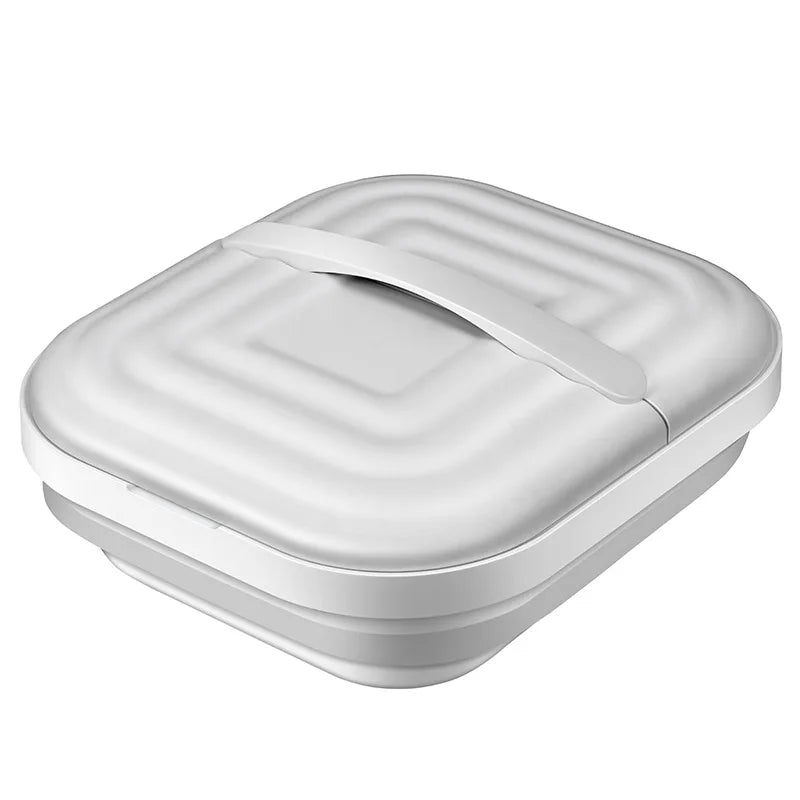
Daily heat therapy for feet for tired feet relief. See it in action.
Common Heat Therapy Mistakes to Avoid
- Using excessively hot water.
- Applying heat for longer than recommended.
- Using heat on numb, broken, or infected skin.
- Falling asleep while using heating devices.
- Ignoring worsening pain or swelling.
A few simple precautions help maximize benefits while protecting your skin and soft tissues.
Why a Heated Foot Bath Massager Makes It Easier
Features that improve comfort
Compared with a standard foot soak, heated foot bath massagers maintain a stable water temperature throughout the session, eliminating the need to repeatedly add warm water. Many models also include massage rollers or vibration that complement heat therapy by helping muscles relax more effectively.
Who benefits most
These devices are especially useful for people who stand for long work shifts, older adults seeking convenient home therapy, active individuals recovering after exercise, and anyone who wants a consistent evening relaxation routine.

Heated foot bath massager showing benefits of heating feet. See it in action.
Explore comfort-focused solutions in the Body Care and Health Devices collection to support your routine.
What Research Says About Heat Therapy for Foot Pain
Clinical rehabilitation research consistently supports superficial heat therapy as an effective way to temporarily reduce muscle stiffness, improve tissue flexibility, and ease chronic musculoskeletal discomfort. Although most studies evaluate heat therapy broadly rather than focusing exclusively on the feet, the same physiological mechanisms apply to foot muscles, tendons, and connective tissues.
Current evidence suggests that heat therapy works best when combined with other healthy habits such as gentle stretching, supportive footwear, regular movement, and appropriate strengthening exercises. It is most effective for chronic tightness and recovery rather than acute inflammation.
In practice, most people experience the greatest improvement after incorporating 15 to 20 minutes of gentle heat into a consistent daily or several-times-weekly routine.
Mini FAQ
How often can I use heat therapy for feet?
Most healthy adults can safely use heat therapy once or twice daily, provided temperature and duration remain within recommended limits.
Is heat good for tired feet?
Yes. Heat is especially effective for tired feet because it relaxes muscles, improves circulation, and reduces stiffness after standing or walking.
How long until I feel results?
Many people notice relaxation within 10 to 20 minutes, while regular use often provides better long-term comfort.
Can I use heat therapy every day?
Yes, daily use is generally safe when applied correctly and no medical condition makes heat inappropriate.
Is a heated foot bath massager better than soaking?
For many users, yes. Maintaining consistent heat and adding massage features often creates a more comfortable and convenient experience than a standard foot soak.
Can heat therapy reduce plantar fasciitis pain?
Heat may temporarily reduce stiffness and improve flexibility before stretching, but it does not treat the underlying condition. Persistent heel pain should be evaluated by a healthcare professional.
What is the safest water temperature for a foot soak?
Approximately 37°C to 40°C (98°F to 104°F) is considered the safest range for most adults.
Should I use heat before or after exercise?
Heat can be helpful before stretching to improve flexibility and after normal activity to ease muscle tightness. For acute injuries after exercise, cold therapy is usually the better choice.
Can I use heat therapy if my feet are swollen?
Not if swelling is caused by a recent injury or active inflammation. Cold therapy is generally recommended first.
How many times a week should I use heat therapy for my feet?
There is no single schedule that fits everyone. Many people benefit from daily use or several sessions each week depending on activity level and symptoms.
Are heated foot bath massagers safe for older adults?
Yes, when used with moderate temperatures, short sessions, and careful monitoring of skin sensitivity.
When should I choose cold therapy instead of heat?
Choose cold therapy after a recent injury, when swelling is present, or when inflammation is the primary concern.
Related Guide: How to Improve Foot Circulation at Home Step by Step













