

Does Heat Therapy Help Muscle Strain?
Yes—heat therapy can help a muscle strain, but timing matters. For most people, heat is most beneficial after the initial inflammatory phase , when swelling has improved and stiffness becomes the main source of discomfort. Applying gentle warmth increases circulation, relaxes tight muscles, and makes movement more comfortable, but it does not instantly repair damaged muscle fibers.
How Heat Affects Muscle Healing
Heat widens blood vessels and increases blood flow to the injured area. Better circulation delivers oxygen and nutrients that support the body's natural repair process while helping muscles relax. Warmth also improves tissue elasticity, making stretching and rehabilitation exercises feel easier and reducing the sensation of tightness.
It's important to distinguish between pain relief and tissue healing . Heat primarily reduces stiffness and improves mobility. Although these effects may support recovery by helping you move more comfortably, heat should be combined with appropriate rest and gradual exercise rather than replacing them.
What Research Says
Sports medicine and rehabilitation guidelines generally recommend using cold therapy during the first 24 to 48 hours after an acute muscle strain if swelling is present. Once inflammation settles, heat therapy is commonly recommended to reduce muscle tightness, improve flexibility, and prepare muscles for gentle activity or rehabilitation exercises.
Is Heat Good for a Strained Muscle? When to Use Heat vs Ice for Faster Recovery
Quick Answer: Is Heat Good for a Strained Muscle?
Yes, heat is good for a strained muscle—but usually only after the acute phase has passed. During the first 24 to 48 hours, ice is generally the better choice if the injury is swollen, warm, or inflamed. After swelling decreases, heat can help relax muscles, improve blood flow, reduce stiffness, and make movement more comfortable.
- First 24–48 hours: Use ice if swelling or inflammation is present.
- After swelling improves: Switch to gentle heat for stiffness and reduced mobility.
- Later recovery: Alternate heat and cold if you experience both soreness and tightness.
If you're wondering should you use heat on a muscle strain , the answer depends on the stage of healing—not just the level of pain.
Heat therapy muscle strain recovery can feel confusing—especially when pain lingers and every article seems to recommend something different. This guide explains exactly when to use heat, when to stick with ice, and how to recover safely without delaying healing.
⏱ 6 min read
Discover how the right approach can change your recovery experience.
Which recovery method actually fits your routine and pain level? Read on.
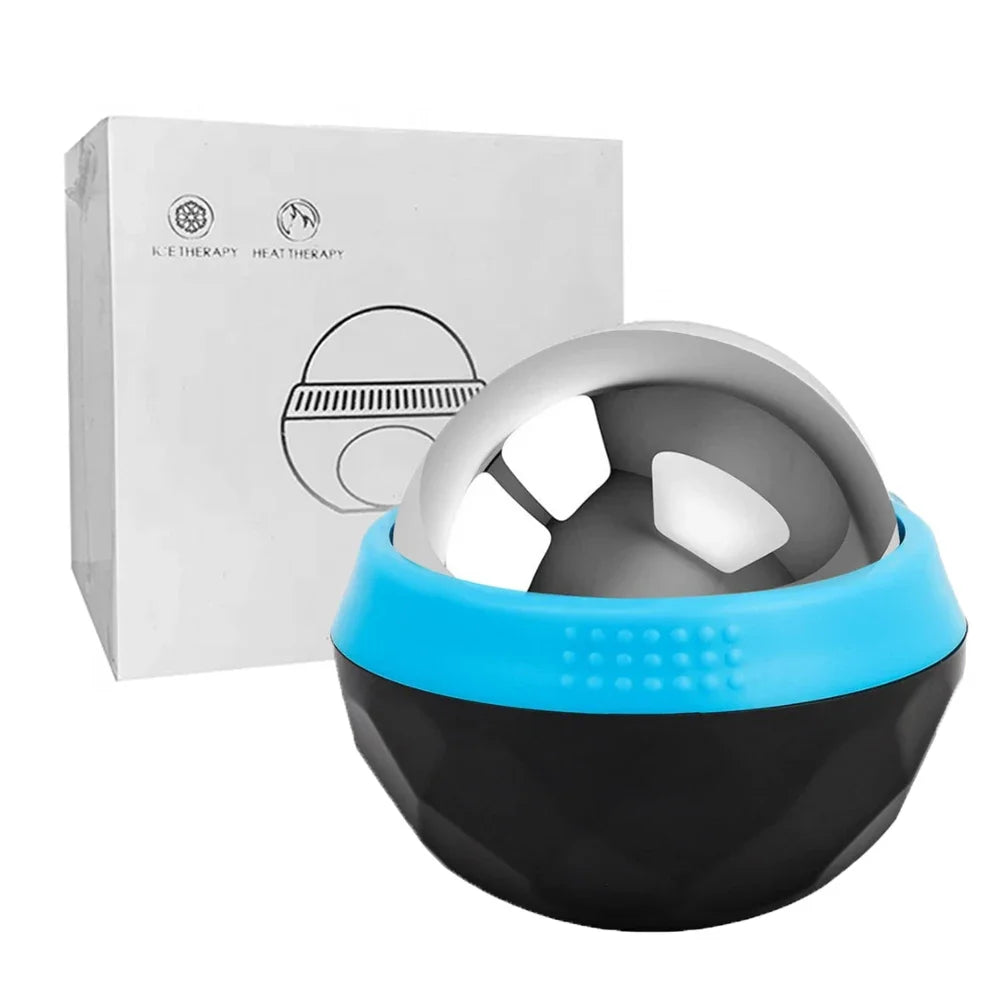
Gentle warmth for heat therapy muscle strain relief — See it in action.
Heat vs Cold for Muscle Strain: What Works Best and When
Choosing between heat and cold therapy depends on the stage of your muscle injury. Each treatment has a different purpose, and using the wrong one at the wrong time can make symptoms last longer.
First 24–48 Hours (Acute Phase)
Cold therapy is usually the best choice immediately after a muscle strain because it helps control inflammation and swelling.
- Reduces swelling and inflammation
- Temporarily numbs pain
- Limits excessive fluid buildup
- Best for fresh muscle pulls and sudden injuries
After 48 Hours (Recovery Phase)
Once swelling has decreased, heat therapy often becomes more beneficial by improving circulation and reducing muscle tightness.
- Improves blood flow
- Relaxes tight muscle fibers
- Increases flexibility
- Supports rehabilitation exercises
Heat vs Ice Quick Comparison Table
| Situation | Best Option |
|---|---|
| Fresh muscle injury | Ice |
| Visible swelling | Ice |
| Muscle stiffness | Heat |
| Chronic muscle tightness | Heat |
| Lingering soreness after exercise | Heat or alternating heat and cold |
When to Use Heat Therapy for Muscle Strain
Heat therapy is most appropriate after the acute inflammatory stage has passed. The ideal timing depends on the severity of the injury and whether swelling has resolved.
Mild Muscle Strain
Mild strains often improve within a few days. Heat may be appropriate after 24 to 48 hours if tenderness is decreasing and the area is no longer swollen.
Moderate Muscle Strain
Moderate injuries usually require a longer period of cold therapy. Wait until swelling, redness, and sharp pain improve before switching to heat.
When You Should NOT Use Heat
- Immediately after a muscle injury
- When swelling is still obvious
- If the injured area feels hot or inflamed
- If warmth increases pain
- Over broken skin or open wounds
Signs You Need Medical Evaluation
Seek medical assessment if you experience:
- Sudden severe pain with a popping sensation
- Large swelling or bruising
- Inability to bear weight or move the affected limb
- Persistent weakness after several days
- Pain that continues to worsen despite home treatment
Benefits of Heat Therapy for Sore Muscles
Once inflammation has settled, the benefits of heat therapy for sore muscles include improved comfort and easier movement during recovery.
- Improves circulation
- Reduces muscle stiffness
- Increases flexibility and range of motion
- Makes stretching and rehabilitation exercises more comfortable
- Relieves lingering muscle soreness
These benefits make heat especially useful before gentle mobility work, light exercise, or physical therapy.
Simple steps can prevent overuse and irritation.
How to Apply Heat Therapy for Muscle Strain Safely
Using the correct temperature and duration helps maximize benefits while minimizing the risk of burns or irritation.
Step-by-Step Heat Therapy Instructions
- Wait until swelling has noticeably decreased.
- Choose a warm—not excessively hot—heat source.
- Place a towel between your skin and the heating device if needed.
- Apply heat for 15 to 20 minutes.
- Allow the skin to return to normal temperature before another session.
How Long Should You Apply Heat?
For most muscle strains, apply heat for 15 to 20 minutes up to two or three times daily. Longer sessions do not necessarily improve healing and may increase the risk of skin irritation.
Best Types of Heat Therapy
- Heating pads
- Warm compresses
- Warm showers or baths
- Reusable hot packs
- Hot and cold massage tools
Avoid using very high temperatures, and never sleep with a heating pad turned on.
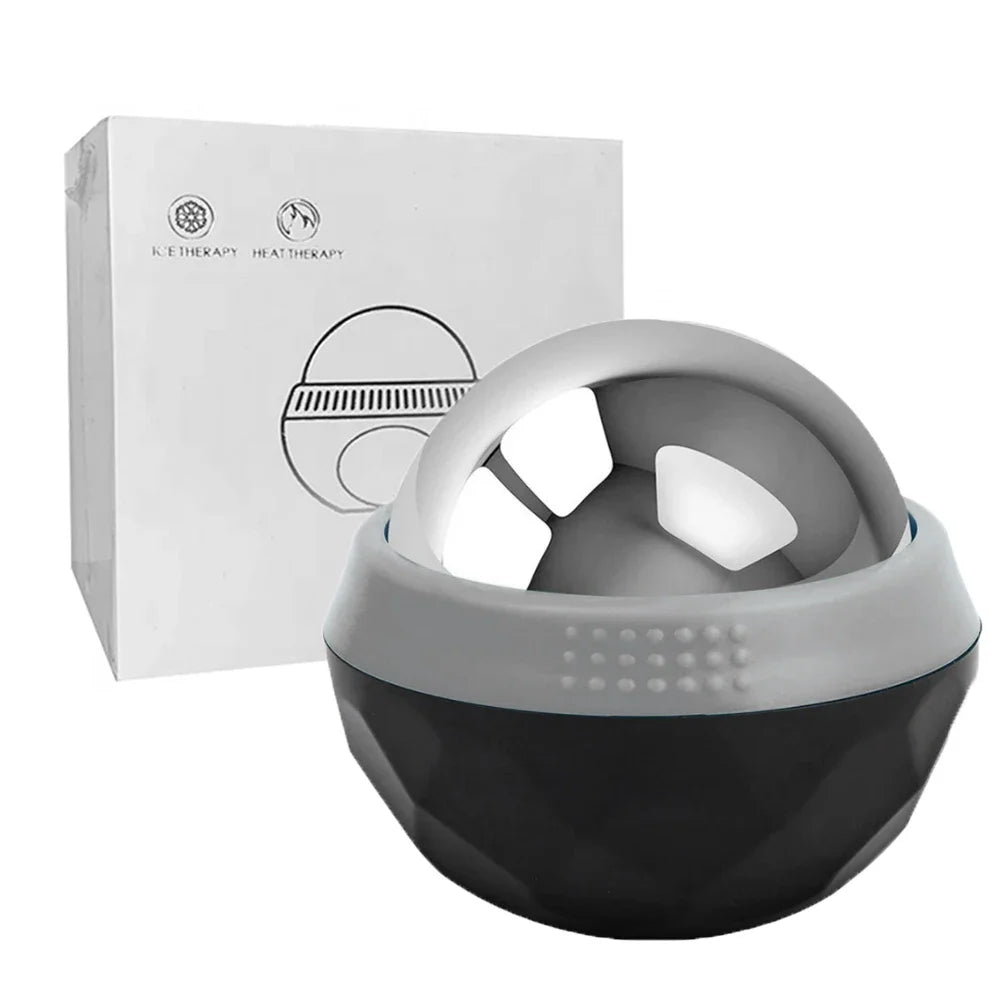
Combining warmth and motion with a manual hot cold massage roller — See it in action.
Muscle Strain Recovery Timeline (Heat vs Ice Guide)
Day 1–2
- Prioritize rest and cold therapy.
- Use compression and elevation when appropriate.
- Avoid aggressive stretching.
Day 3–7
- Introduce gentle heat if swelling has resolved.
- Begin light range-of-motion exercises.
- Gradually resume normal daily activities.
Week 2 and Beyond
- Continue heat before stretching if stiffness remains.
- Progressively strengthen the affected muscle.
- Return to sports only when movement is pain-free.
Recovery varies depending on injury severity, age, and overall health. Mild strains often improve within one to three weeks, while moderate injuries may require several weeks of rehabilitation.
Common Heat Therapy Mistakes to Avoid
- Using heat too soon after injury
- Applying excessive temperatures
- Ignoring persistent swelling
- Sleeping with a heating pad
- Continuing heat if pain worsens
If symptoms increase after applying heat, discontinue treatment and return to cold therapy or seek medical advice.
Managing Muscle Inflammation After Exercise
Exercise Soreness vs Muscle Strain
Not every painful muscle is strained. Delayed onset muscle soreness (DOMS) usually develops 12 to 48 hours after unfamiliar exercise and affects both sides of the body more evenly. Heat is often helpful for DOMS because stiffness—not tissue damage—is the primary issue.
A true muscle strain typically occurs suddenly during activity and may cause sharp pain, swelling, bruising, or weakness. In these cases, cold therapy is generally the better choice during the early phase before transitioning to heat.
- Use cold therapy immediately after a strain.
- Use heat once stiffness replaces swelling.
- Stay active with gentle movement as tolerated.
- Increase exercise gradually during recovery.
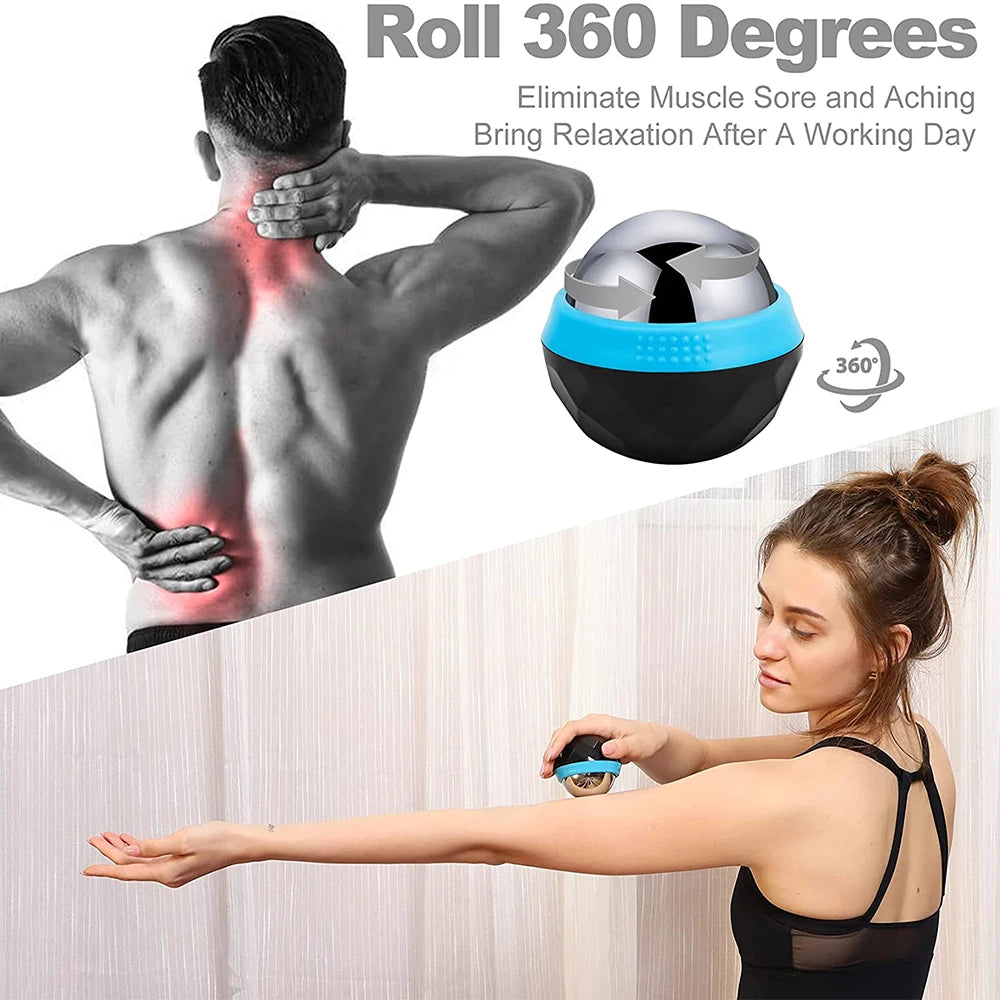
Consistent care supports long-term muscle strain recovery — See it in action.
Many users also incorporate recovery tools from Body Care and Health Devices into their routine.
Explore a versatile option here: manual hot cold massage roller .
For more wellness-focused routines, readers often explore insights from the Beauty & Self-Care Blog and the Body & Face Blog .
Support daily recovery with a compact massage roller.
Frequently Asked Questions About Heat for Muscle Strain
Is heat or ice better for strained muscles?
Ice is generally recommended during the first 24 to 48 hours after an acute strain if swelling is present. Heat becomes more helpful later when stiffness limits movement.
How long after a muscle strain can I use heat?
Most people can begin using heat after 24 to 48 hours, provided swelling has significantly decreased and the area is no longer inflamed.
Can heat make inflammation worse?
Yes. Applying heat too early may increase blood flow to an actively inflamed area, which can worsen swelling and discomfort.
How long should you apply heat to a strained muscle?
Apply heat for 15 to 20 minutes per session, two or three times daily. Avoid prolonged exposure or sleeping with heating devices.
Should you use heat on a pulled muscle?
Yes, but only after the initial swelling has resolved. Heat is most effective for relieving lingering tightness and improving flexibility.
Can I use heat therapy every day?
Yes. Once the acute injury phase has passed, daily short sessions can help maintain flexibility and reduce muscle stiffness.
Related Guide: How to Use a Massage Roller for Faster Muscle Recovery













