How can you recover an ankle sprain fast?
Recovering an ankle sprain quickly requires the right treatment at the right stage. During the first 24–72 hours, the priority is controlling swelling and pain with rest, ice, compression, and elevation. After swelling improves, heat therapy, gentle ankle exercises, and supportive tools like a heated ankle wrap can help reduce stiffness, improve circulation, and support a safer return to movement.
How to Recover Ankle Sprain Fast: Heat vs Ice Explained
Recovering from an ankle sprain can feel frustrating when swelling, stiffness, and discomfort make normal activities difficult. If you are wondering how to recover an ankle sprain fast, the key is understanding that treatment changes as your ankle heals. Ice is usually helpful early after injury, while heat becomes more useful later when stiffness replaces swelling.
⏱ 7 min read
Quick question: Can you use heat for a sprained ankle, or does ice work better? The answer depends on when the injury happened and what symptoms you are experiencing.
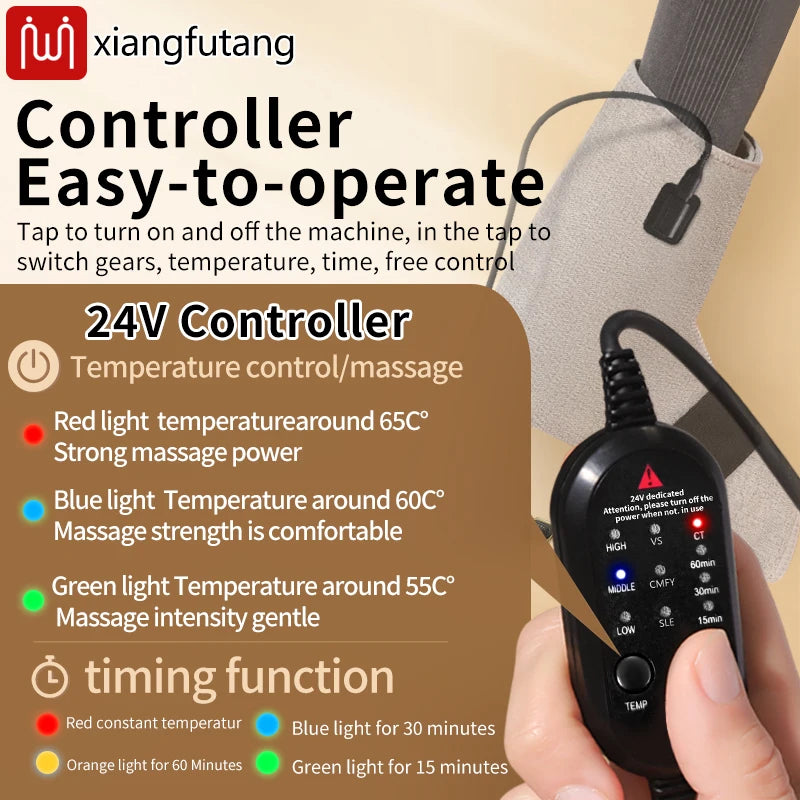
Targeted heat therapy and support can change how to recover an ankle sprain fast at home
Can You Use a Heat Pack on a Sprained Ankle?
Yes, you can use a heat pack on a sprained ankle, but timing matters. Heat is generally not recommended immediately after an injury because it may increase blood flow and worsen swelling during the acute inflammatory stage.
For most mild to moderate ankle sprains, heat becomes more appropriate after the first 48–72 hours when swelling has started to decrease and stiffness becomes the main problem. At this stage, heat may help relax surrounding muscles, improve comfort, and prepare the ankle for gentle movement.
Quick guide:
- First 24–72 hours: Use ice to help manage swelling and pain.
- After swelling improves: Use heat to support mobility and reduce stiffness.
Understanding Ankle Sprains and the Stages of Healing
An ankle sprain happens when ligaments supporting the ankle stretch beyond their normal range or become damaged, often after twisting, rolling, or landing awkwardly. Recovery depends on the severity of the sprain and how well the ankle is protected during healing.
Acute Inflammatory Phase (0-72 Hours)
During the first stage, the body responds to injury with inflammation. Swelling, tenderness, bruising, and limited movement are common because increased fluid and immune activity help protect the damaged area.
During this phase, focus on:
- Reducing swelling
- Protecting the injured ankle
- Managing pain
- Avoiding activities that increase discomfort
Recovery and Remodeling Phase
As inflammation decreases, the body begins repairing ligament tissue. The focus shifts from protection to gradual restoration of mobility, strength, and balance.
This is when sprained ankle heat treatment may become useful because warmth can help reduce stiffness before rehabilitation exercises.
Ankle sprains are commonly classified into three grades:
- Grade 1: Mild ligament stretching with minor swelling.
- Grade 2: Partial ligament damage with more noticeable pain and instability.
- Grade 3: Severe ligament injury that may require medical evaluation.
Heat vs Ice for a Sprained Ankle: When to Use Each
The best choice between heat vs ice for a sprained ankle depends on the healing stage. Using the wrong method at the wrong time can slow comfort and recovery.
The First 24-72 Hours: Use Ice
Ice is typically preferred immediately after an ankle sprain because it can help reduce swelling and temporarily relieve pain.
- Apply a cold pack for short sessions.
- Protect skin with a towel or barrier.
- Combine with compression and elevation when appropriate.
When to Use Heat on a Sprained Ankle
Heat for a sprained ankle is usually better after swelling has reduced. A heating pad or warm compress may help loosen stiff tissues and make movement exercises more comfortable.
- Use heat before stretching or mobility exercises.
- Keep sessions short and controlled.
- Stop if swelling or pain increases.
Simple Heat vs Ice Decision Table
| Situation | Better Option | Why |
|---|---|---|
| Fresh injury with swelling | Ice | Helps manage inflammation and discomfort |
| Stiff ankle after swelling improves | Heat | Supports relaxation and mobility |
| Before rehabilitation exercises | Heat | May improve comfort during movement |
| Swelling returns after activity | Ice | Helps calm irritation |
How to Safely Use a Heating Pad on a Sprained Ankle
A heating pad on a sprained ankle can provide soothing warmth when used during the correct recovery stage. Safe application is important because excessive heat may irritate healing tissues or damage skin.
Heating Pad vs Heat Pack
Both options can provide warmth, but they work differently:
- Heating pads: Offer adjustable temperature control and consistent warmth.
- Heat packs: Are portable and convenient for short sessions.
Duration and Temperature
Most heat sessions should last around 15–20 minutes. Use comfortable warmth rather than high temperatures, and avoid falling asleep while using an active heating device.
Safety Precautions
- Place a barrier between heat source and skin.
- Check skin regularly during use.
- Avoid heat on areas with reduced sensation.
- Follow product instructions carefully.
When Heat Can Make a Sprained Ankle Worse
Although heat can support recovery, it is not always the right choice. Using heat too early after an ankle sprain may increase discomfort if inflammation is still active.
Stop using heat if you notice:
- Increasing swelling after application
- Throbbing pain that becomes worse
- New redness or irritation
- Reduced ability to move the ankle
A common misconception is that more warmth always means faster healing. In reality, recovery depends on matching treatment to the injury stage.
Best Recovery Plan by Injury Stage
Days 1-3
- Protect the ankle from unnecessary strain.
- Use ice for swelling management.
- Elevate the ankle when resting.
- Consider compression if appropriate.
Days 4-14
As swelling improves, gradually introduce movement. Heat may help reduce stiffness before gentle exercises.
- Use controlled heat sessions.
- Begin range-of-motion exercises.
- Avoid sudden increases in activity.
After Swelling Improves
The goal becomes restoring normal function. Combine mobility exercises, strengthening, balance training, and supportive recovery methods to reduce reinjury risk.
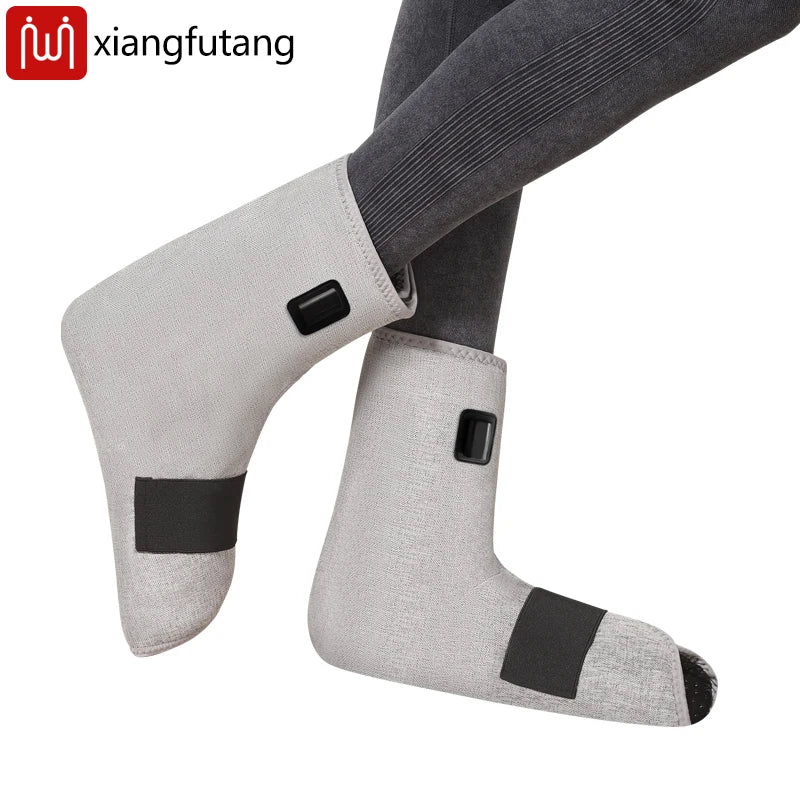
Combining heat and support helps recover an ankle sprain fast
Rehabilitation Exercises After Swelling Improves
Rest alone is not enough for complete recovery. Once swelling decreases, rehabilitation exercises help restore movement, strength, and ankle stability.
Range of Motion
- Ankle circles: Improve flexibility and movement control.
- Towel stretches: Reduce tightness around the ankle and calf.
Balance Training
- Single-leg balance: Helps retrain ankle stability.
- Controlled standing exercises: Improve coordination.
Strength Exercises
- Calf raises: Strengthen supporting muscles.
- Resistance exercises: Improve ankle control.
Using gentle heat before exercise may make movement feel more comfortable during the recovery phase.
Sprained Ankle Recovery Timeline by Severity
Grade 1
Mild sprains often improve within 1–3 weeks with proper care, gradual movement, and strengthening exercises.
Grade 2
Moderate sprains may require several weeks of rehabilitation because partial ligament damage can affect stability.
Grade 3
Severe sprains may take several months to recover and should be evaluated by a healthcare professional, especially when instability is present.
Common Mistakes That Delay Healing
- Using heat too early while swelling is still present
- Returning to sports or intense activity too soon
- Skipping strengthening and balance exercises
- Ignoring ongoing pain or instability
- Relying only on rest without progressive movement
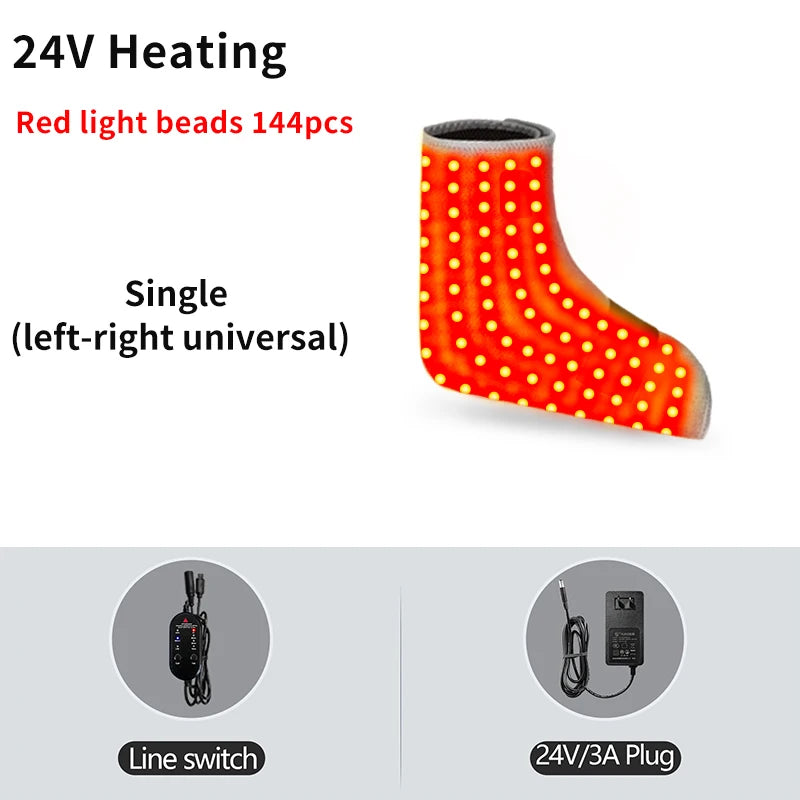
Consistent care helps you recover an ankle sprain fast
When to See a Doctor
Some ankle injuries need professional evaluation. Seek medical advice if you experience:
- Severe pain or inability to put weight on the ankle
- Major swelling or deformity
- Persistent symptoms that do not improve
- Repeated ankle instability
- Concern about a possible fracture
Frequently Asked Questions
Can I sleep with a heating pad on a sprained ankle?
No. It is generally safer to use a heating pad only during short, supervised sessions rather than while sleeping.
How long should I use a heat pack?
Most sessions should last about 15–20 minutes. Always follow device instructions and protect your skin.
Can I alternate heat and ice?
Some people alternate methods during recovery, but the choice should depend on symptoms. Use ice when swelling increases and heat when stiffness is the main issue.
Is heat better than ice after three days?
Often, heat becomes more useful after the first few days if swelling has decreased. However, ice may still help after activities that cause renewed swelling.
What if swelling returns after using heat?
Stop heat and return to swelling-control strategies such as rest and cold therapy if needed. Persistent swelling may require medical advice.
Related Guide: :contentReference[oaicite:0]{index=0}