

Heated Neck Back Massager Benefits: Why Heat + Kneading Works Better
A heated neck and back massager combines deep-kneading shiatsu-style massage with targeted heat therapy to help relieve muscle tension, reduce stiffness, and support everyday recovery. Unlike vibration-only devices, the combination of heat and mechanical pressure helps muscles relax more efficiently, making it a popular at-home solution for posture-related discomfort, stress, and daily muscle fatigue. But how exactly does heat improve massage results, and who can benefit most from this technology?
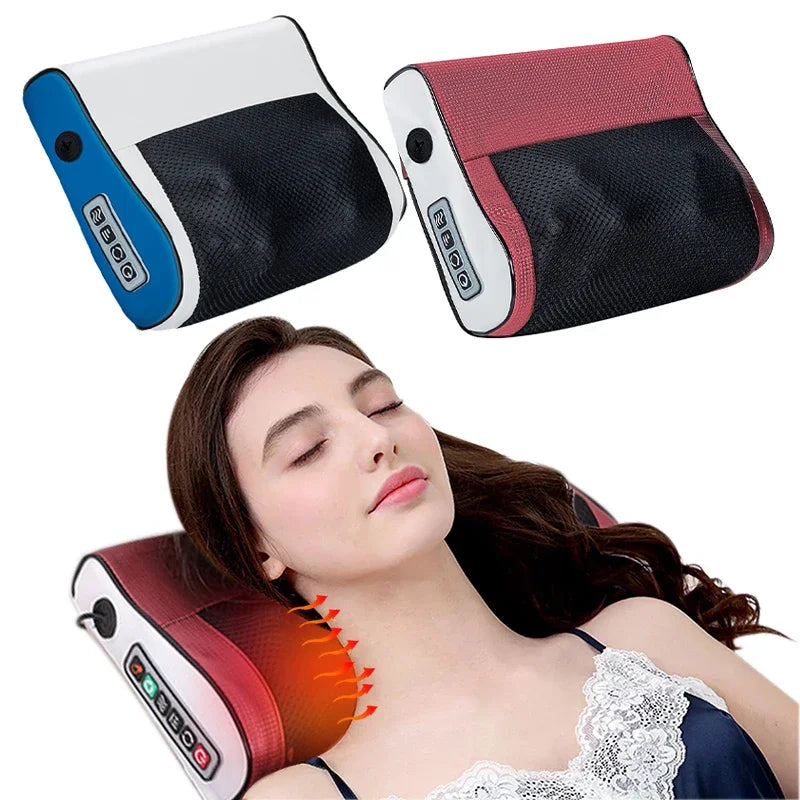
Experience the heated neck back massager difference — See it in action
Does a Heated Back Massager Really Work?
A heated back massager can be an effective tool for managing everyday muscle tension, stiffness, and stress-related discomfort when used correctly. The benefits of using heat with a back massager come from combining two approaches: heat therapy helps relax muscles and improve comfort, while kneading massage applies targeted pressure to areas that feel tight.
The benefits of a heated back massager are most noticeable for people dealing with mild to moderate muscle tightness, desk-related stiffness, workout fatigue, or temporary discomfort caused by poor posture. However, results vary depending on the cause of pain. A heated massage device supports relaxation and symptom management but is not a replacement for medical treatment for serious or persistent conditions.
How results vary by condition (stress, stiffness, chronic pain)
- Stress-related tension: Heated massage benefits may appear quickly because warmth and rhythmic kneading encourage relaxation and reduce the feeling of muscle tightness.
- Postural stiffness: Consistent use may help manage discomfort caused by long periods of sitting, computer work, and limited movement.
- Exercise-related soreness: Heat and massage may support recovery by helping tired muscles relax after physical activity.
- Chronic pain: A heated massager may provide temporary comfort, but ongoing pain should be evaluated with professional guidance.
What research says about heat therapy with massage
Research on heat therapy suggests that applying warmth to muscles can improve relaxation, increase local circulation, and reduce stiffness. Massage therapy research also indicates that mechanical stimulation may help reduce perceived soreness and improve comfort. Combining both techniques may create a more complete relaxation experience, although individual results depend on the underlying condition and personal response.
How Heat Therapy Works With Massage
The heat therapy back massager benefits come from the way warmth interacts with muscle tissue and the nervous system. Heat prepares muscles for massage by increasing comfort and reducing stiffness, while kneading adds mechanical stimulation that targets tense areas.
Blood circulation response to heat
Heat causes blood vessels to expand through vasodilation, which can improve circulation around the treated area. Increased blood flow supports oxygen and nutrient delivery while helping muscles feel less rigid and fatigued.
Muscle fiber relaxation mechanism
Warmth helps improve tissue flexibility and reduces resistance in tight muscles. When muscles are warmer, kneading pressure can feel smoother and more comfortable because the tissue is less stiff.
Nervous system pain signal reduction
Heat therapy can influence how the nervous system processes discomfort by providing soothing sensory stimulation. This may help reduce the perception of tension and create a calming relaxation response.
How heat enhances massage
Heat enhances massage by preparing muscles before mechanical pressure is applied. Instead of working directly on cold, tense muscles, a heated massager helps create a more comfortable environment for kneading action.
Why Heat Makes Massage More Effective
Heat can make massage more effective because it helps muscles relax before and during kneading. This combination allows mechanical pressure to work more comfortably compared with massage alone.
Why use heat in a massager
- Improves tissue flexibility before massage begins
- Reduces resistance in tight muscle fibers
- Enhances relaxation through thermal stimulation
- Supports recovery from everyday muscle fatigue
Does heat improve massage effectiveness?
Yes, heat can improve massage effectiveness for many users by helping loosen tight muscles and increasing comfort during kneading. Warmth allows the massage mechanism to work on relaxed tissue instead of rigid, tense areas.
Heat and kneading vs massage alone
Massage alone provides mechanical stimulation, but adding heat introduces another relaxation factor. Heat and kneading massager benefits include improved comfort, better muscle preparation, and a more soothing recovery experience.
Benefits of Using Heat With a Back Massager
The benefits of using heat with a back massager include muscle relaxation, improved comfort, stress reduction, and support for recovery routines. By combining warmth with kneading pressure, heated devices address both muscle tension and relaxation needs.
Pain relief and muscle tension reduction
A heated neck and back massager may help reduce the feeling of tight knots and soreness caused by stress, posture problems, or physical activity. Kneading pressure targets tense areas while heat encourages relaxation.
Improved blood circulation
Heat stimulation promotes better circulation around treated muscles. Improved blood flow may support muscle comfort and help reduce feelings of stiffness after daily activities.
Heat therapy muscle relaxation benefits
One of the main heat therapy muscle relaxation benefits is reduced muscle rigidity. Warmth can help muscles feel more flexible, making movement more comfortable.
Stress reduction and relaxation
Heated massage benefits are not limited to muscles. The combination of warmth and rhythmic kneading can promote relaxation and help reduce the physical effects of everyday stress.
Faster post-workout recovery
Fitness users may use heated massage as part of a recovery routine after exercise. Heat and kneading can help relax tired muscles and support post-workout comfort.
Improved flexibility and stiffness relief
Regular use may help maintain comfortable movement by addressing stiffness caused by prolonged sitting, repetitive activities, or limited mobility.

Deep kneading + heat for maximum muscle relief — Try it today
Who Benefits Most From Heated Massage?
Office workers
People who spend many hours sitting often experience neck, shoulder, and upper back stiffness. A heated neck and back massager may help relieve tension caused by desk work and poor posture habits.
Athletes and fitness users
Athletes and active individuals may benefit from heated massage as part of their recovery routine. Heat and kneading can help relax muscles after workouts and reduce feelings of tightness.
Lower back pain and stiffness
People with mild lower back stiffness may find heat therapy helpful for temporary comfort. However, persistent lower back pain should always be evaluated by a healthcare professional.
Stress-related muscle tension
Stress can contribute to tight muscles, especially around the neck and shoulders. Heated massage provides soothing warmth and pressure that may help release stress-related tension.
Older adults with mild muscle tightness
Older adults experiencing general stiffness may appreciate gentle heat therapy and massage for improved comfort. Lower intensity settings are recommended for sensitive areas.
When You Should Avoid Heated Massage
Acute injuries and inflammation
Heat is generally not recommended for fresh injuries with swelling or active inflammation. Using warmth at the wrong time may increase discomfort.
Skin conditions and reduced sensation
Users with sensitive skin, reduced ability to feel temperature, or certain circulation concerns should use caution before applying heat therapy.
Pregnancy and medical conditions
People who are pregnant or managing medical conditions should consult a healthcare professional before using heated massage devices.
When to consult a healthcare professional
Seek medical advice for severe pain, unexplained symptoms, injuries, or discomfort that does not improve with normal self-care methods.
How to Use a Heated Back Massager Safely
Ideal temperature range
The safest temperature is a comfortable warming level that feels relaxing without causing burning, irritation, or excessive heat.
Recommended session duration
Most users should begin with 15–20 minute sessions. Longer sessions are not necessarily more effective and may reduce comfort.
Frequency of use
A heated back massager can often be used daily when following device instructions and using moderate settings.
Tips to maximize benefits
- Position the device correctly over the intended muscle area
- Start with lower heat and intensity settings
- Combine massage with stretching and movement habits
- Avoid falling asleep while the device is operating
Heated vs. Non-Heated Back Massagers
Does heat improve massage effectiveness?
Heat may improve massage effectiveness by helping muscles relax before and during kneading. This often creates a deeper and more comfortable experience compared with vibration-only devices.
Benefits of heat vs standard massage
- Heated + kneading: Combines warmth with mechanical pressure for improved relaxation, comfort, and recovery support.
- Non-heated massage: Provides massage stimulation but does not offer the added benefits of thermal therapy.
When a non-heated massager may be enough
A non-heated device may be suitable for users who only want vibration or massage stimulation and do not experience stiffness that responds to warmth.
Scientific Evidence Behind Heat Therapy and Massage
Clinical evidence for muscle pain
Clinical research supports heat therapy as a method for improving comfort and reducing muscle stiffness. Massage therapy may also help with temporary relief from certain types of muscle discomfort.
Evidence for circulation and recovery
Heat increases local circulation, while massage provides mechanical stimulation that may support relaxation after physical activity. These effects explain why many people use heated massage devices as part of wellness routines.
Research limitations
Although evidence supports many benefits of heat therapy with massage, results vary between individuals. Heated massagers should be considered a supportive self-care option rather than a replacement for professional treatment.
Frequently Asked Questions
Does heat improve massage effectiveness?
Heat can improve massage effectiveness by helping relax muscles and making kneading pressure more comfortable.
How long should you use a heated back massager?
A typical session lasts about 15–20 minutes, depending on comfort and manufacturer recommendations.
Can you use a heated back massager every day?
Yes. Daily use is generally acceptable when the device is used correctly with appropriate heat and session duration.
Who should not use a heated massager?
People with acute injuries, reduced temperature sensation, certain skin conditions, or medical concerns should seek professional guidance before use.
Is heat or massage better for muscle knots?
Heat helps muscles relax, while massage applies pressure to tight areas. Using both together may provide greater comfort than either method alone.
Can heat therapy reduce lower back pain?
Heat therapy may temporarily reduce discomfort caused by muscle tightness, but ongoing lower back pain requires proper evaluation.
What temperature is safest for heated massage?
The safest temperature is a gentle warming level that feels comfortable without causing skin irritation or excessive heat.
Are heated neck and back massagers supported by research?
Research supports the general benefits of heat therapy and massage for relaxation, circulation support, and temporary muscle discomfort.

Ready to upgrade your home massage routine? Check the KentDO heated neck back massager now
Pillar Article: Best Home Massage Methods: Why These Techniques Deliver Deeper Relief
Other Related Articles:
Explore More:













