

Can Neck and Shoulder Massagers Help Relieve Muscle Knots? (Science, Effectiveness & Best Use Cases)
A neck and shoulder massager can help reduce muscle tension by combining deep-kneading pressure, gentle movement, and optional heat. But can neck and shoulder massagers help relieve muscle knots, or do they simply provide temporary comfort? Research suggests they can ease mild to moderate muscle knots by improving circulation, reducing pain sensitivity, and relaxing tight muscles. However, lasting relief also depends on addressing the underlying causes, such as posture, repetitive strain, stress, and daily movement habits.
What Are Muscle Knots and Why Do They Form?
Muscle knots, commonly known as myofascial trigger points , are localized, hypersensitive spots within a tight band of skeletal muscle. They often feel like small, firm nodules beneath the skin and may be tender when pressed. Unlike generalized muscle soreness, trigger points can produce localized pain or refer discomfort to nearby areas, making the neck and shoulders particularly susceptible because these muscles remain active throughout the day.
Trigger Points vs General Muscle Tightness
Although the terms are often used interchangeably, muscle knots and muscle tightness are not the same condition.
- Myofascial trigger points: Small, localized areas of contracted muscle fibers that are sensitive to pressure and may radiate pain to surrounding tissues.
- General muscle tightness: A broader feeling of stiffness caused by fatigue, prolonged positioning, exercise, or temporary overuse without a distinct trigger point.
This distinction matters because a neck massager for tight muscles may help both conditions, but trigger points often require repeated treatment combined with stretching, posture correction, and activity modification for longer-lasting improvement.
Common Causes of Neck and Shoulder Knots
Muscle knots usually develop when muscles remain under low-level tension for extended periods or recover poorly after repeated strain. Common contributing factors include:
- Poor posture, especially prolonged computer and smartphone use
- Stress that causes unconscious shoulder elevation and muscle guarding
- Sedentary lifestyles with limited movement throughout the day
- Repetitive work, lifting, or overhead activities
- Improper sleeping positions or inadequate pillow support
- Muscle fatigue following exercise or physically demanding tasks
Identifying which of these factors contributes to your discomfort is important because treating the symptom alone may provide only temporary relief.
Why Muscle Knots Keep Coming Back
Recurring muscle knots are often a sign that the underlying cause has not changed. Even if massage temporarily relaxes the muscle, the trigger point may return if prolonged sitting, workstation ergonomics, repetitive movements, or chronic stress continue to overload the same muscle groups.
For many people, the best long-term strategy combines massage with regular movement breaks, strengthening exercises, stretching, improved posture, and adequate recovery. A neck and shoulder massager can support this routine by helping reduce daily muscle tension, but it works best as one part of a broader self-care approach.

See it in action: neck and shoulder massager + nan-level support
How Neck Massagers Work to Relieve Muscle Knots
Understanding how neck massagers work helps set realistic expectations. Rather than permanently eliminating trigger points, most devices reduce muscle tension through a combination of mechanical pressure, rhythmic movement, and sensory stimulation. These effects can decrease pain, improve short-term mobility, and make tight muscles easier to stretch and recover.
Pressure, Blood Flow, and Pain Modulation
Deep-kneading massage applies repeated pressure to tight muscles surrounding a trigger point. This mechanical stimulation encourages local blood circulation, helping deliver oxygen and nutrients while supporting the removal of metabolic byproducts that may contribute to soreness after prolonged muscle contraction.
Massage also influences the nervous system. By stimulating pressure receptors in the skin and muscles, it can temporarily reduce pain perception, relax protective muscle guarding, and improve comfort during everyday movement. Although massage does not literally "break up" muscle tissue, these combined effects often make muscle knots feel softer and less painful.
Different massage technologies work in different ways, making the right choice dependent on your symptoms and comfort level.
- Shiatsu: Rotating massage nodes mimic the hands and thumbs of a massage therapist. A shiatsu neck massager is often the preferred option for muscle knots because it delivers sustained pressure directly into tight muscles.
- Vibration: Gentle oscillations primarily relax superficial muscle tension and promote relaxation. They are well suited for mild stiffness or people who find deep pressure uncomfortable.
- Percussion: Rapid pulses reach deeper muscle layers but require extra caution around the cervical spine. These devices are generally better suited for larger muscle groups than direct treatment over the front or sides of the neck.
For many users asking whether shiatsu neck massagers work for muscle knots, the answer is yes—particularly for mild to moderate tension caused by posture, desk work, or stress. However, no massage mechanism replaces appropriate medical evaluation when pain is severe or persistent.
Does Heat Improve Results?
Heat is best viewed as a complementary feature rather than the primary treatment. Gentle warmth can help muscles relax, increase comfort during a massage session, and make deep-kneading pressure feel less intense. While heat alone is unlikely to resolve trigger points, many people find it enhances the overall massage experience, especially when muscles feel stiff after long periods of sitting or inactivity.
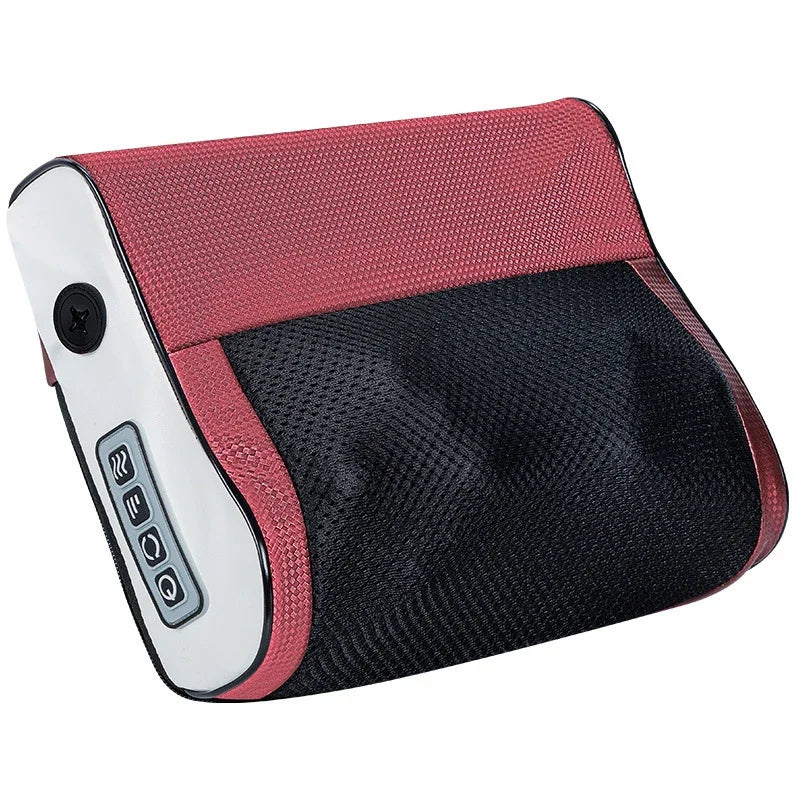
Experience nan-level precision: neck and shoulder massager for real relief
Choosing the Best Neck Massager for Muscle Knots
Shiatsu Neck Massagers
Shiatsu-style devices remain one of the best options for people dealing with recurring neck and shoulder knots. Their rotating massage nodes provide consistent, targeted pressure that closely resembles manual massage, making them particularly effective for muscles that feel tight after prolonged computer work or stress.
Percussion and Handheld Devices
Handheld percussion massagers can effectively treat the upper trapezius and surrounding shoulder muscles, but they should be used carefully around the neck because the cervical region contains sensitive nerves, blood vessels, and bony structures. Many people prefer ergonomic wrap-style neck massagers because they naturally position the massage heads over larger muscle groups while limiting excessive pressure.
When Heat Is Worth Having
If muscle stiffness is your primary concern, choosing a device with adjustable heat can improve overall comfort during treatment. Heat is most beneficial when paired with deep-kneading massage rather than used as a standalone feature, while adjustable intensity settings and an ergonomic design are often more important for long-term usability than heat alone.
Benefits and Limitations of Neck and Shoulder Massagers
Short-Term Benefits
- Reduced muscle tension: Helps relax tight neck and shoulder muscles.
- Improved mobility: May increase comfortable range of motion after periods of stiffness.
- Temporary pain relief: Can reduce discomfort associated with mild to moderate muscle knots.
- Stress reduction: Encourages relaxation by decreasing muscle guarding and promoting a calming sensory response.
What Massagers Cannot Fix
Even effective neck massagers have limitations. They cannot correct poor posture, repair structural injuries, treat cervical disc disorders, or permanently eliminate trigger points if the underlying cause remains unchanged. The best long-term results typically come from combining massage with stretching, strengthening exercises, regular movement, and healthy ergonomic habits.
Neck Massagers vs Other Treatments for Muscle Knots
Stretching and Mobility Exercises
Stretching helps restore flexibility to shortened muscles, while mobility exercises improve how the neck and shoulders move through their normal range of motion. Using a neck massager before gentle stretching may help muscles relax, making subsequent exercises more comfortable. However, stretching should always be slow and pain-free rather than forceful.
Heat Therapy and Foam Rolling
Foam rolling works well for larger muscle groups such as the upper back and thoracic spine but is generally not appropriate for the cervical spine itself. Gentle heat can reduce stiffness before activity, while a neck massager provides targeted mechanical stimulation to muscles that foam rollers cannot easily reach. For many people, combining these approaches offers greater symptom relief than relying on any single method.
Massage Therapy and Physical Therapy
Professional massage therapists can identify specific trigger points and tailor treatment to individual muscle patterns. Physical therapists go a step further by evaluating posture, strength, movement mechanics, and contributing conditions that may be causing recurrent muscle knots.
Home neck massagers complement—not replace—professional care. They are particularly useful for maintaining symptom relief between therapy sessions or managing mild muscle tension associated with desk work, travel, or everyday stress.
When Professional Evaluation Is Needed
Seek medical assessment rather than self-treatment if neck pain:
- Persists for several weeks despite conservative care.
- Progressively worsens instead of improving.
- Radiates into the arm with numbness, tingling, or weakness.
- Develops after significant trauma, such as a fall or vehicle accident.
- Occurs alongside fever, unexplained weight loss, or severe headaches.
These symptoms may indicate an underlying condition that requires diagnosis beyond muscle tension or trigger points.
How to Use a Neck Massager for Muscle Knots Safely
Session Length and Frequency
Using the correct duration helps maximize benefits while minimizing irritation.
- Limit each session to approximately 10–20 minutes.
- Most people benefit from one or two sessions daily.
- Allow muscles time to recover between treatments if tenderness develops.
- Reduce frequency once symptoms improve and transition to maintenance use.
Pressure and Positioning Tips
- Begin with the lowest comfortable intensity and increase gradually.
- Position the massage nodes over the surrounding neck and shoulder muscles rather than directly on the spine.
- Allow the device to perform the work instead of pulling excessively on the handles.
- Breathe normally and keep your shoulders relaxed throughout the session.
Common Mistakes to Avoid
- Applying excessive pressure too early.
- Using the device on areas with acute injury, swelling, or bruising.
- Massaging continuously without addressing posture, workstation ergonomics, or daily movement habits.
- Using the massager for prolonged periods that leave muscles sore or irritated.
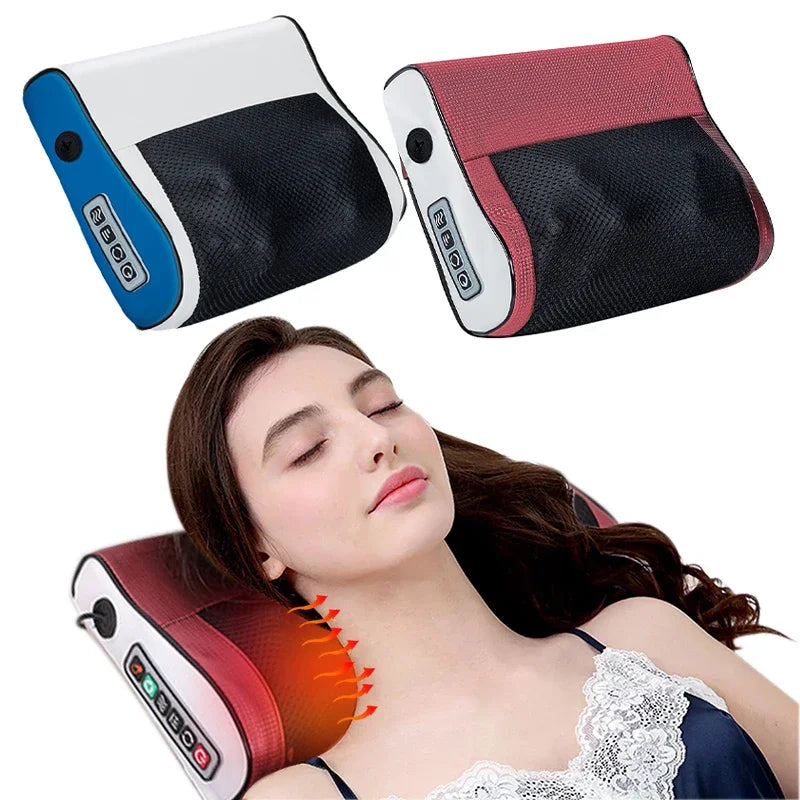
Relax smarter: use this neck and shoulder massager + nan-level precision
Safety, Contraindications, and Who Should Avoid Neck Massagers
Most healthy adults can use neck massagers safely when following the manufacturer's instructions. However, certain medical conditions require additional caution or professional guidance before use.
Medical Conditions Requiring Caution
- Recent neck injuries, fractures, or surgery.
- Acute inflammation or severe muscle strains.
- Known cervical spine disorders, including significant instability.
- Bleeding disorders or use of anticoagulant medications.
- Advanced osteoporosis or fragile bones.
- Pregnancy, unless approved by a healthcare professional.
Symptoms That Need Medical Assessment
Stop using the device and seek medical advice if massage increases pain, causes persistent numbness or tingling, produces dizziness, or triggers weakness in the arms or hands. Home massage is intended for uncomplicated muscular discomfort and should not be used to diagnose or treat serious neurological or musculoskeletal conditions.
FAQ: Neck and Shoulder Massagers for Muscle Knots
Can a neck massager completely remove muscle knots?
Usually not. A neck massager can significantly reduce mild to moderate muscle knots by relaxing tight muscles, improving circulation, and decreasing pain sensitivity. However, persistent myofascial trigger points often return if contributing factors such as poor posture, repetitive strain, stress, or muscle weakness are not addressed. For long-term improvement, combine massage with stretching, strengthening exercises, and ergonomic adjustments.
How long does it take to relieve a muscle knot?
Many people notice reduced stiffness after a single 10–20 minute session, but deeper or chronic muscle knots typically require several days or weeks of consistent treatment. Recovery time varies depending on the severity of the trigger point, daily activity levels, and whether the underlying cause has been corrected.
Do neck massagers work better with heat?
Heat can improve comfort by helping muscles relax before or during massage, making deep-kneading pressure feel more comfortable. While heat enhances the overall experience, the massage mechanism itself is generally responsible for most of the symptom relief. If swelling or a recent injury is present, avoid heat unless advised by a healthcare professional.
What type of massager is best for knots?
Shiatsu-style neck massagers are generally the best choice for muscle knots because their rotating nodes provide sustained pressure that closely mimics manual massage. Vibration massagers are better suited for mild muscle tension and relaxation, while percussion devices are often more appropriate for larger muscle groups than the neck itself.
Can neck and shoulder massagers break up muscle knots?
Not literally. Current evidence suggests massage does not physically "break apart" muscle knots. Instead, it helps reduce muscle guarding, improve local circulation, and temporarily decrease pain, allowing the affected muscles to relax and function more comfortably.
Do shiatsu neck massagers work better than vibration massagers?
For localized trigger points and deeper muscle tension, shiatsu massagers are generally more effective because they apply focused kneading pressure. Vibration models excel at promoting relaxation and easing mild stiffness but may not provide enough pressure for stubborn knots.
How often should you use a neck massager for muscle knots?
For most healthy adults, using a neck massager once or twice daily for 10–20 minutes is sufficient. If muscles become increasingly sore, reduce the frequency and allow time for recovery before the next session.
Can massage make muscle knots worse?
It can if excessive pressure is applied, sessions are too long, or massage is used over an acute injury. Mild tenderness after treatment is common, but worsening pain, bruising, or persistent discomfort indicates that the intensity should be reduced or the area should be evaluated by a healthcare professional.
Should I use heat before or after a neck massager?
Most people benefit from using heat during or immediately before massage to help muscles relax. Gentle stretching afterward may help maintain the improved range of motion achieved during the massage session.
When should muscle knots be evaluated by a healthcare professional?
Seek professional evaluation if muscle knots persist despite several weeks of conservative care, cause significant weakness or numbness, follow a traumatic injury, or are accompanied by severe or worsening neurological symptoms.
Final Verdict: Are Neck Massagers Worth It for Muscle Knots?
Yes— neck and shoulder massagers can help relieve muscle knots for many people, particularly when the discomfort is related to posture, stress, repetitive work, or mild muscular overuse. They provide targeted pressure that can temporarily reduce pain, improve mobility, and make tight muscles feel more relaxed.
However, they are most effective when used as part of a broader strategy that includes regular movement, stretching, strengthening, and healthy ergonomic habits. Persistent or severe neck pain should always be evaluated by a qualified healthcare professional to rule out underlying conditions that require medical treatment.
Explore related solutions and wellness devices in Body Care and Health Devices for comprehensive home comfort.
Pillar Article: Best Home Massage Methods: Why These Techniques Deliver Deeper Relief
Other Related Articles:
Explore More:













