

Does a heating pad help shoulder pain?
Short answer
Yes—if the pain is caused by muscle tension, stiffness, or chronic overuse. A heating pad helps relax tight muscles, increases blood flow, and temporarily reduces discomfort. Many people notice improved comfort within 10–20 minutes of proper use.
When it helps
Heat therapy is most effective for:
- Muscle tightness after long hours at a desk
- Posture-related shoulder discomfort
- Chronic shoulder stiffness
- Recovery after exercise or repetitive activity
- Limited mobility caused by tight muscles
When it doesn't
Heat is not the right first treatment for every type of shoulder pain. If you have a recent injury, visible swelling, redness, or significant inflammation, ice is generally recommended during the first 24–48 hours. Once swelling has improved, heat may help restore flexibility and reduce lingering stiffness.
Does Heating Pad Help Shoulder Pain? A Complete Relief Guide
Shoulder pain can come from long desk hours, poor posture, repetitive movement, or recovering from an injury. A heating pad is one of the simplest ways to relieve discomfort—but the results depend on using heat at the right time and for the right condition. This guide explains how heat therapy works, when to choose heat versus ice, and how to use a heating pad safely for better shoulder pain relief.
⏱ 6 min read
Explore how a heated shoulder pad fits seamlessly into your daily comfort routine.
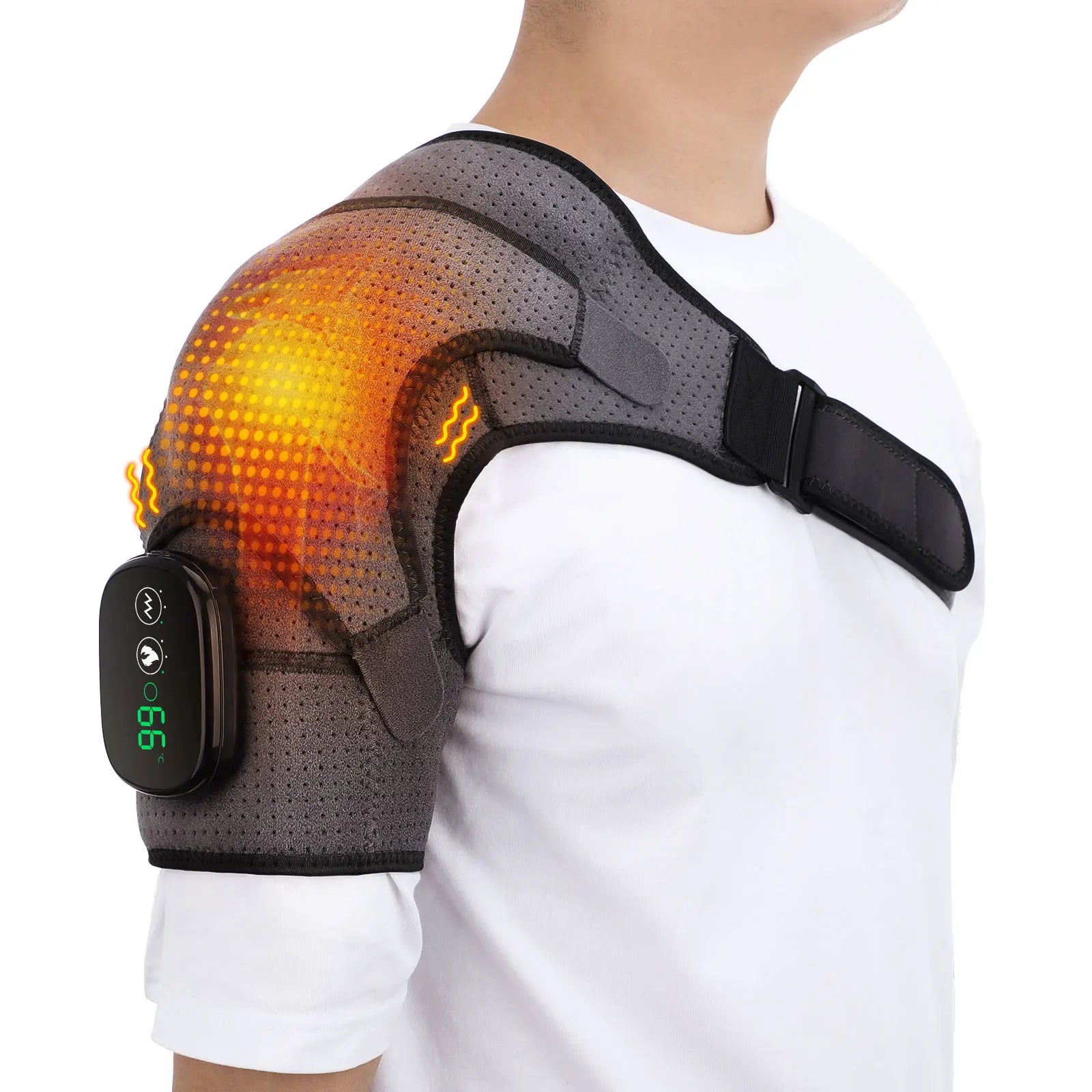
A heated shoulder pad designed for targeted comfort • See it in action
How Heat Therapy Works for Shoulder Pain Relief
How heat affects blood flow and muscles
Heat therapy raises tissue temperature, causing blood vessels to widen through a process called vasodilation. Increased circulation delivers oxygen and nutrients to muscles while helping remove metabolic waste products that can contribute to soreness.
As muscles warm, they become more flexible and less resistant to movement. This is why many people experience improved range of motion and less discomfort after applying a heating pad before stretching or gentle exercise.
Why heat reduces stiffness but not acute inflammation
Heat works best for chronic shoulder pain caused by muscle tension, poor posture, arthritis-related stiffness, or overuse. It relaxes surrounding muscles and connective tissues, making everyday movements more comfortable.
However, heat does not reduce acute inflammation. Applying heat immediately after a new injury may increase blood flow to already inflamed tissues and temporarily worsen swelling. During the first 24–48 hours after an injury, cold therapy is usually the better option.
What research says about heat therapy
Clinical rehabilitation guidelines support superficial heat as a useful non-drug treatment for temporary pain relief and improved mobility in people with muscular stiffness and chronic musculoskeletal discomfort. While heat does not heal damaged tissues by itself, it can make stretching, rehabilitation exercises, and daily activities more comfortable when used appropriately.
Heat vs Ice: Which Is Better for Shoulder Pain?
Use heat for these conditions
- Muscle stiffness or tightness
- Chronic shoulder pain
- Post-workout muscle soreness
- Poor posture discomfort
- Morning stiffness
- Reduced shoulder flexibility
For these situations, a hot compress for shoulder pain or a heating pad often improves flexibility before movement and reduces muscle guarding.
Use ice for these conditions
- Recent injuries within the first 24–48 hours
- Visible swelling
- Sharp or sudden shoulder pain
- Suspected tendon irritation after overloading
- Pain accompanied by warmth and inflammation
Cold therapy helps slow inflammation, reduce swelling, and numb painful tissues during the early stage of injury.
Can you alternate heat and ice?
Yes. Some rehabilitation programs use contrast therapy by alternating ice and heat after the acute swelling phase has passed. A common approach is to use ice after activities that provoke inflammation and heat before stretching or mobility exercises. If swelling returns, switch back to cold therapy until it settles.
Which Shoulder Conditions Respond Best to Heat?
Muscle tension and posture pain
Shoulder tightness from prolonged computer work, driving, or stress often responds very well to heat. A heated shoulder pad can relax the upper trapezius, shoulder blade muscles, and surrounding soft tissues, making movement easier.
Frozen shoulder
People with frozen shoulder often benefit from warming the joint before performing mobility exercises. Heat does not cure the condition but may improve comfort during stretching sessions.
Shoulder arthritis
For osteoarthritis, heat can temporarily reduce joint stiffness, especially in the morning or before activity. Many people alternate heat before movement and ice afterward if soreness develops.
Rotator cuff strain during recovery
During the recovery phase of a mild rotator cuff strain, heat may help relax surrounding muscles and improve flexibility before rehabilitation exercises. It should not replace appropriate strengthening or physical therapy.
Acute injuries and tendon irritation
If shoulder pain follows a fall, heavy lifting, or sports injury and swelling is present, avoid heat initially. Begin with cold therapy, then consider heat only after inflammation has subsided and your healthcare provider recommends progressing to mobility work.
How to Use a Heating Pad for Shoulder Pain Safely
Ideal temperature and duration
Use a comfortably warm setting rather than maximum heat. Most sessions should last 15–20 minutes . Longer sessions generally do not improve results and may increase the risk of skin irritation.
How often to apply heat
For chronic shoulder pain, heat can usually be used two or three times daily. Allow your skin to return to normal temperature between sessions.
Wrap the heating pad around the shoulder so it covers the upper shoulder, rotator cuff region, and part of the upper back if possible. A wrap-style design generally stays in place better than a flat heating pad.
Stretching after heat therapy
After removing the heating pad, perform gentle shoulder rolls, pendulum exercises, or range-of-motion stretches while the muscles are still warm. Avoid aggressive stretching that causes sharp pain.
See how a heated shoulder pad simplifies daily comfort.
Benefits of Heated Shoulder Pads
Pain relief
Consistent warmth helps reduce muscle tension that contributes to everyday shoulder discomfort. Relief is temporary but often sufficient to improve comfort during work, relaxation, or recovery.
Improved mobility
Looser muscles and connective tissues often make it easier to raise the arm, reach overhead, or perform rehabilitation exercises with less stiffness.
Muscle relaxation
Many people use heated shoulder pads after long workdays or exercise because the combination of warmth and gentle compression promotes relaxation throughout the neck and shoulder region.
- Improved blood circulation
- Reduced muscle stiffness
- Better flexibility before stretching
- Temporary relief from chronic shoulder discomfort
- Comfortable support during recovery from muscle overuse
While heat can significantly improve symptoms, it does not treat structural problems such as severe tendon tears or shoulder instability. Persistent pain should be medically evaluated.
When Not to Use a Heating Pad
Acute injury and swelling
Avoid heat immediately after an injury if your shoulder is swollen, bruised, or visibly inflamed. Ice is generally the safer initial treatment.
Signs of infection
Do not apply heat over an area that is red, unusually warm, infected, or associated with fever unless directed by a healthcare professional.
Reduced sensation and circulation problems
People with diabetes-related nerve damage, poor circulation, or reduced skin sensation should use heating pads cautiously because burns may occur without being noticed.
Red flags requiring medical care
Seek prompt medical evaluation if shoulder pain is associated with:
- Severe weakness or inability to lift the arm
- Major trauma or deformity
- Persistent pain lasting several weeks despite self-care
- Numbness or tingling extending into the hand
- Chest pain, shortness of breath, or pain radiating from the chest
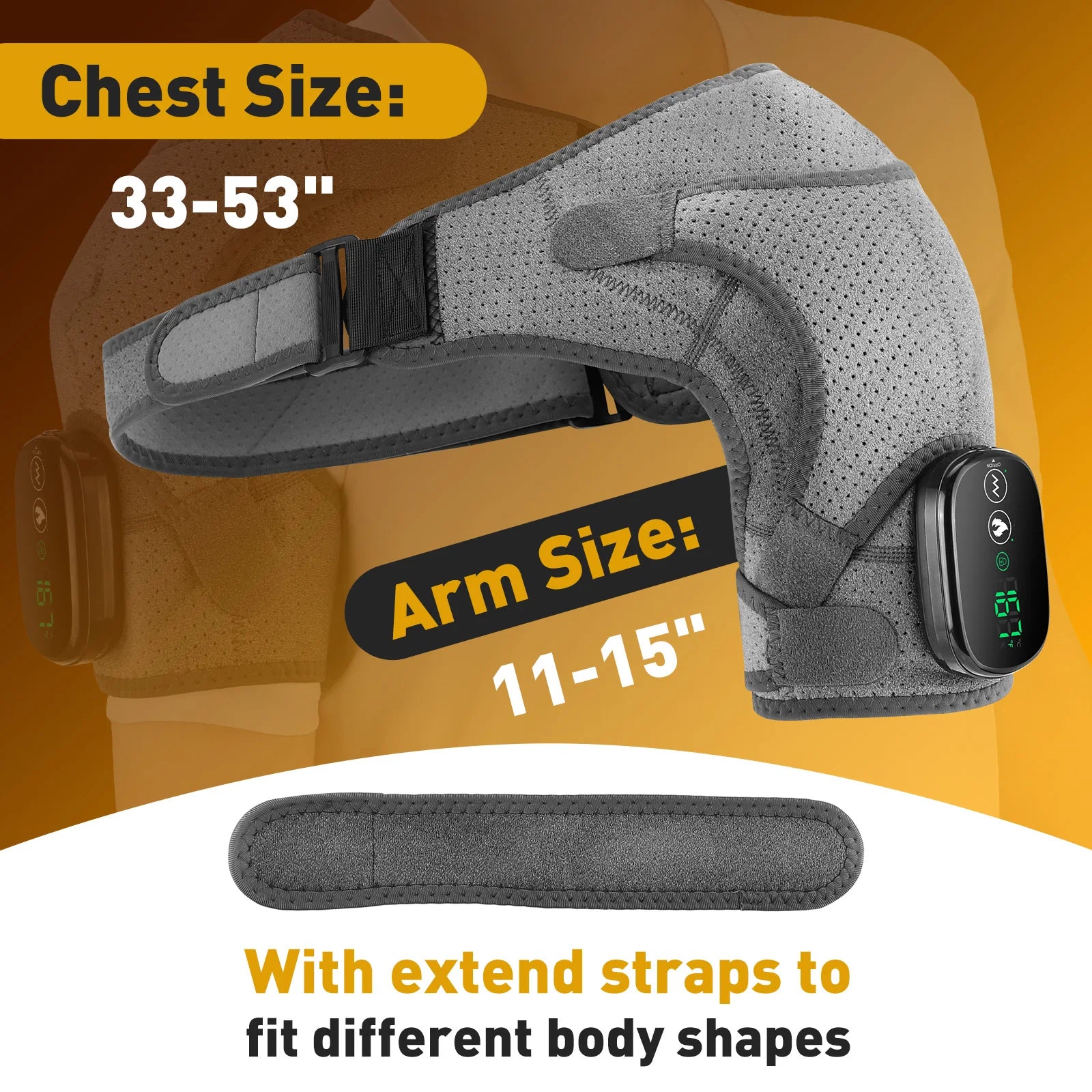
Digital heating pad precision meets daily relaxation • See it in action
Shoulder Heating Pad Massager vs Standard Heating Pads
Both styles provide therapeutic heat, but they are designed for different preferences and situations.
| Feature | Standard Heating Pad | Shoulder Heating Pad Massager |
|---|---|---|
| Primary function | Heat only | Heat plus vibration or massage |
| Coverage | Flat surface | Wrap-around shoulder design |
| Best for | General muscle soreness | Targeted shoulder and upper back comfort |
| Controls | Basic heat settings | Often includes digital controls and massage modes |
Who should choose each
A standard heating pad works well if you occasionally need localized heat. A shoulder heating pad massager may be more comfortable for people with chronic shoulder tightness because it stays securely in place and provides broader coverage.
Key features to consider
- Adjustable heat levels
- Automatic shut-off for safety
- Wrap-around ergonomic fit
- Digital temperature controls
- Optional vibration massage
- Washable fabric cover when available
For more wellness tools that support muscle relaxation, explore Body Care and Health Devices .
Common Mistakes That Reduce Shoulder Pain Relief
- Using heat immediately after a swollen injury
- Applying heat for much longer than 20–30 minutes
- Choosing temperatures that are too hot
- Ignoring persistent or worsening pain
- Poor positioning that leaves painful muscles uncovered
- Using heat inconsistently while skipping mobility exercises
Correct usage improves comfort while minimizing the risk of burns or delayed recovery.
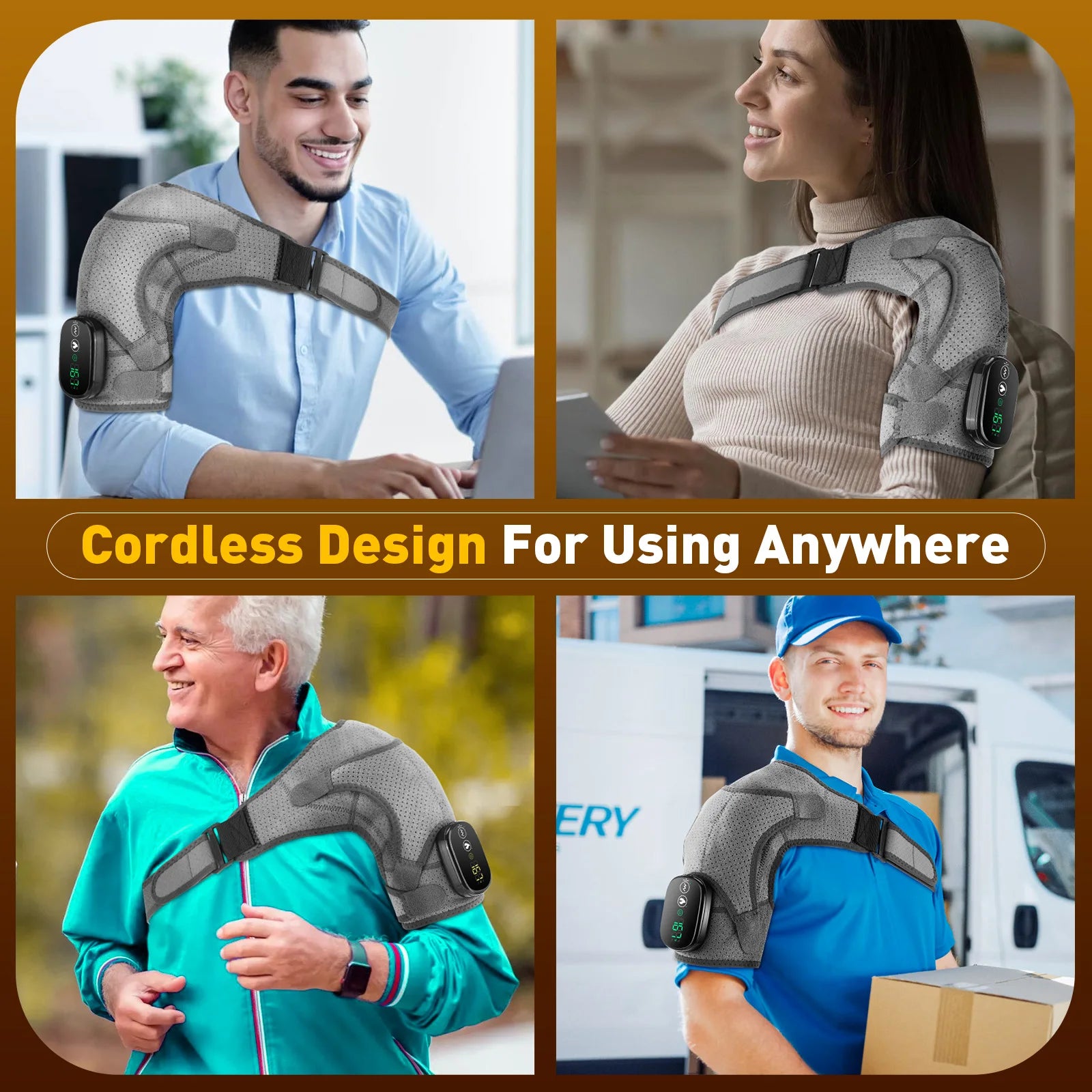
Massage hot compress comfort that fits your lifestyle • See it in action
Simple Daily Routine for Shoulder Pain Relief with Heat
- Apply heat for 15–20 minutes before activity.
- Perform gentle shoulder mobility and stretching.
- Maintain good posture throughout the workday.
- Repeat an evening heat session if stiffness returns.
- Stay active with light movement instead of prolonged sitting.
This simple routine can help maintain flexibility and reduce recurring muscular shoulder discomfort.
Experience daily ease with a shoulder heating pad massager .
Frequently Asked Questions
Does heating pad help shoulder pain immediately?
Many people experience temporary relief within 10–20 minutes because heat relaxes tight muscles and improves circulation. Relief is typically faster for muscular pain than for joint-related conditions.
How long should I use a heating pad for shoulder pain?
Most experts recommend sessions of 15–20 minutes. Avoid prolonged continuous heat unless your device is specifically designed for extended therapeutic use.
Will a heating pad help shoulder pain caused by injury?
Not during the initial stage if swelling is present. Ice is usually recommended during the first 24–48 hours, while heat becomes more useful during the recovery phase to reduce stiffness.
Is heat good for shoulder pain relief every day?
Yes. Daily heat therapy can be appropriate for chronic muscular shoulder pain, arthritis-related stiffness, and posture-related discomfort when used safely.
What is the best way to apply a hot compress for shoulder pain?
Wrap the heating pad securely around the shoulder using a moderate temperature setting, leave it in place for 15–20 minutes, then follow with gentle stretching.
Can heat make shoulder inflammation worse?
Yes. Applying heat during the early inflammatory phase of an injury may increase swelling. Use cold therapy until inflammation improves.
Should I use heat before or after shoulder exercises?
Heat is generally most helpful before stretching or rehabilitation exercises because it improves tissue flexibility. Ice may be useful afterward if inflammation develops.
Is a digital heating pad better than a microwave heat pack?
Digital heating pads usually provide more consistent temperature control and longer treatment sessions, while microwave heat packs offer convenient portable warmth.
Can I sleep with a heating pad on my shoulder?
No. It is not recommended to sleep with an active heating pad because prolonged exposure increases the risk of burns.
How many times a day can I use a heating pad for shoulder pain?
Two to three sessions daily are appropriate for many people with chronic muscular shoulder pain, allowing the skin to cool between treatments.
Does heat help rotator cuff pain?
Heat may help reduce muscle tightness during the recovery phase of a rotator cuff injury, but it should not be used as the primary treatment immediately after an acute injury.
Is a shoulder heating pad massager more effective than heat alone?
For some people, the addition of vibration improves relaxation and comfort, although the heating component remains the primary source of therapeutic benefit.
When should shoulder pain be evaluated by a doctor?
Seek medical evaluation if pain follows significant trauma, is associated with severe weakness or numbness, causes inability to move the shoulder, or persists despite several weeks of appropriate home care.
Related Guide: Techniques to Relax: Step-by-Step Shoulder Relief Guide













