

⏱ 5 min read
Heated Socks for Hunting: Best Battery Powered Heated Socks for Cold Weather Hunts
Cold toes end hunts early. Whether you’re glassing at dawn, sitting a frigid stand, or hiking to a remote ridge, numb feet drain focus and energy fast. Heated socks for hunting offer a smarter way to stay warm—combining precise heat, breathable comfort, and reliable power so you can hunt longer with confidence.
Quick Comparison: Best Heated Socks for Hunting
Hunters dealing with freezing temperatures need heated socks that deliver reliable warmth, long battery life, and durable materials that hold up in rugged conditions. The options below represent some of the best heated socks for hunting based on heating performance, battery runtime, and comfort during long sits in cold weather.
- Best Overall Heated Socks for Hunting – Balanced warmth, durability, and comfort for long hunts.
- Best Battery Life Heated Socks – Ideal for all-day sits during late season deer or elk hunting.
- Best Budget Heated Hunting Socks – Affordable warmth for occasional cold weather hunts.
When comparing battery powered heated socks, hunters typically look for heating coverage around the toes, multiple temperature levels, moisture-wicking fabrics, and rechargeable batteries capable of lasting through long mornings in the stand.
Feet freezing in winter? You’re not alone. Discover how targeted warmth changes everything—keep reading.
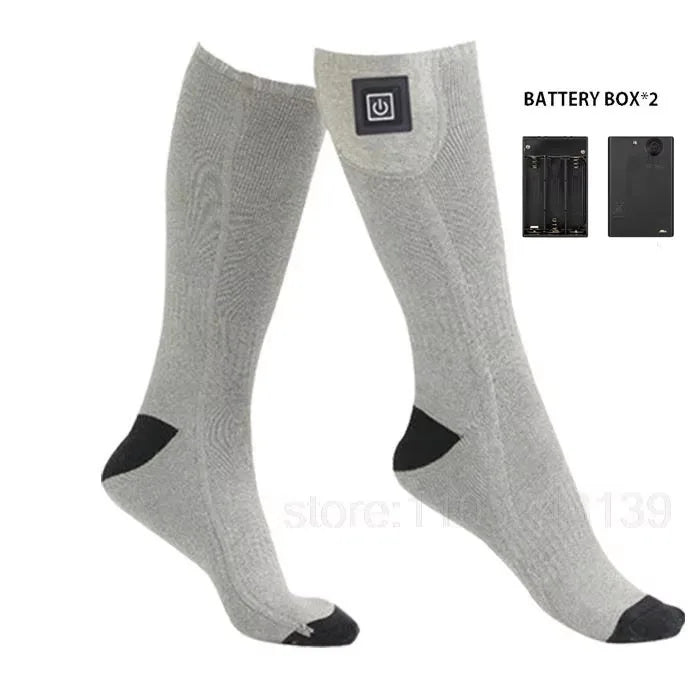
Heated socks for hunting with battery powered heated socks technology — See it in action
Do heated socks for hunting really work?
Heated socks for hunting deliver targeted warmth to the toes and forefoot using slim heating elements powered by rechargeable batteries. They help prevent feet freezing in winter during long sits or slow stalks, improve circulation, reduce fatigue, and keep toes warm without bulky layers—making cold-weather hunts longer and more comfortable.
Why Cold Feet Ruin Hunts Faster Than You Think
Cold feet are one of the fastest ways to end a hunt early. During long periods of inactivity, such as sitting in a tree stand or glassing from a ridge, blood circulation to the toes naturally decreases. Once your feet lose warmth, it becomes difficult to regain heat without movement.
Circulation Loss During Long Tree Stand Hunts
Stationary hunts reduce blood flow to the extremities. Even high-quality insulated boots cannot fully prevent this heat loss during late-season deer hunts or long winter predator stands. Heated socks provide consistent warmth directly to the toes, helping maintain circulation while you remain still.
Moisture and Heat Loss in Cold Weather
Sweat buildup inside boots can quickly make feet colder. Moisture pulls heat away from the skin, accelerating temperature loss in freezing conditions. Heated socks designed with moisture-wicking fabrics help regulate humidity while maintaining steady warmth throughout the hunt.
How Heated Socks for Hunting Work
Heated socks use thin heating elements woven into the fabric to deliver controlled warmth to key areas of the foot. These elements are powered by small rechargeable batteries that attach to the top of the sock or sit inside a discreet pocket near the calf.
Battery Powered Heating Elements Explained
Most battery powered heated socks use carbon fiber or micro heating wires that distribute warmth evenly across the toes. Because the toes are the first part of the foot to lose heat, targeted heating zones are designed to warm this area first.
Rechargeable Battery Packs and Heat Settings
Rechargeable heated socks typically include multiple heat levels. Lower settings extend battery life for mild cold conditions, while higher settings deliver stronger warmth for late-season hunts or extreme cold environments.
Heat Zones: Toe vs Full Foot Warmth
Some heated hunting socks focus heat primarily around the toes, while others extend the heating elements across the forefoot. Toe-focused designs tend to maximize battery efficiency, while extended heating zones provide more overall warmth during severe winter weather.
Best Heated Socks for Hunting (Detailed Reviews)
Choosing the best heated socks for hunting depends on battery life, heating performance, durability, and comfort inside hunting boots. Below are several types of heated socks that perform well during cold weather hunts.
Best Overall Heated Socks for Hunting
The best overall heated hunting socks balance long battery runtime with reliable heating zones around the toes. Hunters often prioritize models that provide adjustable heat settings and moisture-wicking materials for all-day comfort.
Best Long Battery Life Heated Socks
For late-season hunts where temperatures drop below freezing, battery runtime becomes critical. Heated socks designed for extended use may provide up to 8–10 hours of warmth on lower heat settings.
Best Heated Socks for Extreme Cold Hunts
Extreme cold hunting conditions require heated socks with stronger heating elements and insulated materials that help trap warmth inside hunting boots.
Best Budget Battery Heated Socks
Budget heated socks still provide effective warmth for shorter hunts or moderate winter conditions. While battery life may be slightly shorter, they can still offer reliable heat when temperatures begin to drop.
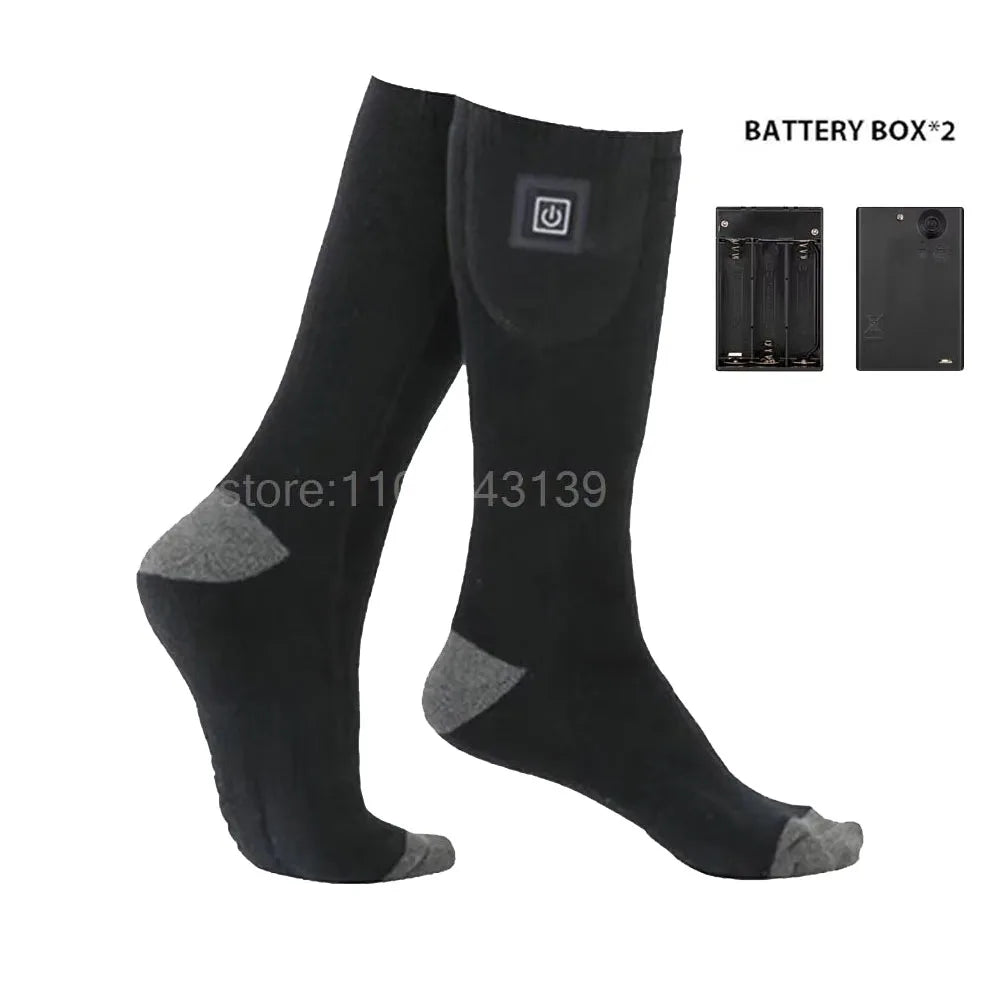
Battery powered heated socks outperform bulky winter hiking socks — See it in action
Key Features Hunters Should Look For
When comparing rechargeable heated socks, several performance factors determine how well they perform during cold weather hunting trips.
Battery Life and Heat Levels
Battery runtime determines how long heated socks stay warm. Many models offer three heat levels, allowing hunters to balance warmth and battery efficiency depending on outdoor temperatures.
Moisture-Wicking and Breathable Materials
Quality heated socks use materials such as merino wool blends or synthetic moisture-wicking fabrics that help keep feet dry while maintaining insulation.
Durability for Rugged Hunting Conditions
Hunting environments are demanding, so heated socks should be reinforced in high-wear areas such as the heel and toe. Durable materials ensure they withstand long hikes and repeated washing.
Heating Zones and Comfort
The placement of heating elements greatly affects comfort. Most heated hunting socks concentrate heat around the toes where warmth is needed most.
Heated Socks vs Traditional Winter Hunting Socks
| Feature | Heated Socks for Hunting | Winter Hunting Socks |
|---|---|---|
| Warmth Control | Adjustable heat levels | Fixed insulation |
| Bulk | Low-profile fit | Often thick |
| Moisture Management | Breathable, dry warmth | Can trap sweat |
| Cold Endurance | Hours of active heat | Limited by insulation |
Real Hunting Scenarios Where Heated Socks Matter
Heated socks are especially valuable during hunts where staying still in cold weather is unavoidable.
Long Tree Stand Sits
During early morning deer hunts, hunters may remain motionless for hours. Heated socks help maintain steady warmth without needing to move and risk alerting game.
Spot-and-Stalk Hunts
Spot-and-stalk hunting often involves alternating between hiking and long periods of glassing. Heated socks provide warmth when activity slows down.
Late Season and Ice Hunting
Late season hunts frequently involve sub-freezing temperatures and snow-covered terrain. Heated socks designed for cold weather hunting help prevent numb toes during these extreme conditions.
How to Use Battery Powered Heated Socks Effectively
- Charge batteries fully before heading out.
- Put socks on dry feet; avoid layering over thick liners.
- Set heat to low during movement, increase when stationary.
- Turn off heat when hiking uphill to prevent sweat.
Are Heated Socks Safe for All-Day Hunting?
Modern rechargeable heated socks are designed with safety features that regulate temperature and prevent overheating. Most models operate at controlled heat levels that provide warmth without becoming too hot for extended wear.
The heating elements used in battery powered heated socks are flexible and insulated within the fabric, allowing them to bend naturally with foot movement. When used according to manufacturer guidelines, heated socks are safe for long hunting trips.
Hunters should always use the recommended batteries, avoid damaging the heating wires, and remove battery packs before washing the socks to maintain safe operation.
For more cold-weather essentials that support comfort and recovery, explore the Lifestyle collection.
Cold Weather Hunting Tips for Keeping Feet Warm
Heated socks are highly effective, but combining them with other cold-weather strategies can make winter hunts far more comfortable.
Layering Socks Properly
A thin moisture-wicking liner sock worn under heated socks can improve comfort while helping move sweat away from the skin.
Boot Fit and Circulation
Boots that are too tight can restrict blood flow, making feet colder even with heated socks. Always ensure hunting boots allow enough space for proper circulation.
Managing Moisture During Long Hunts
Changing socks between hunts or allowing boots to dry overnight helps prevent moisture buildup that can lead to colder feet the next day.
What Real Hunters Are Saying
“I sat from dawn till noon in 20°F weather and never once thought about my feet. Total game changer.” — Mark R.
“They feel lighter than my old winter hiking socks but keep my toes warm longer.” — Jason L.
Experience the difference yourself with heated socks designed for real-world hunting demands. Built to outperform standard layers, they help you stay focused when conditions are toughest.
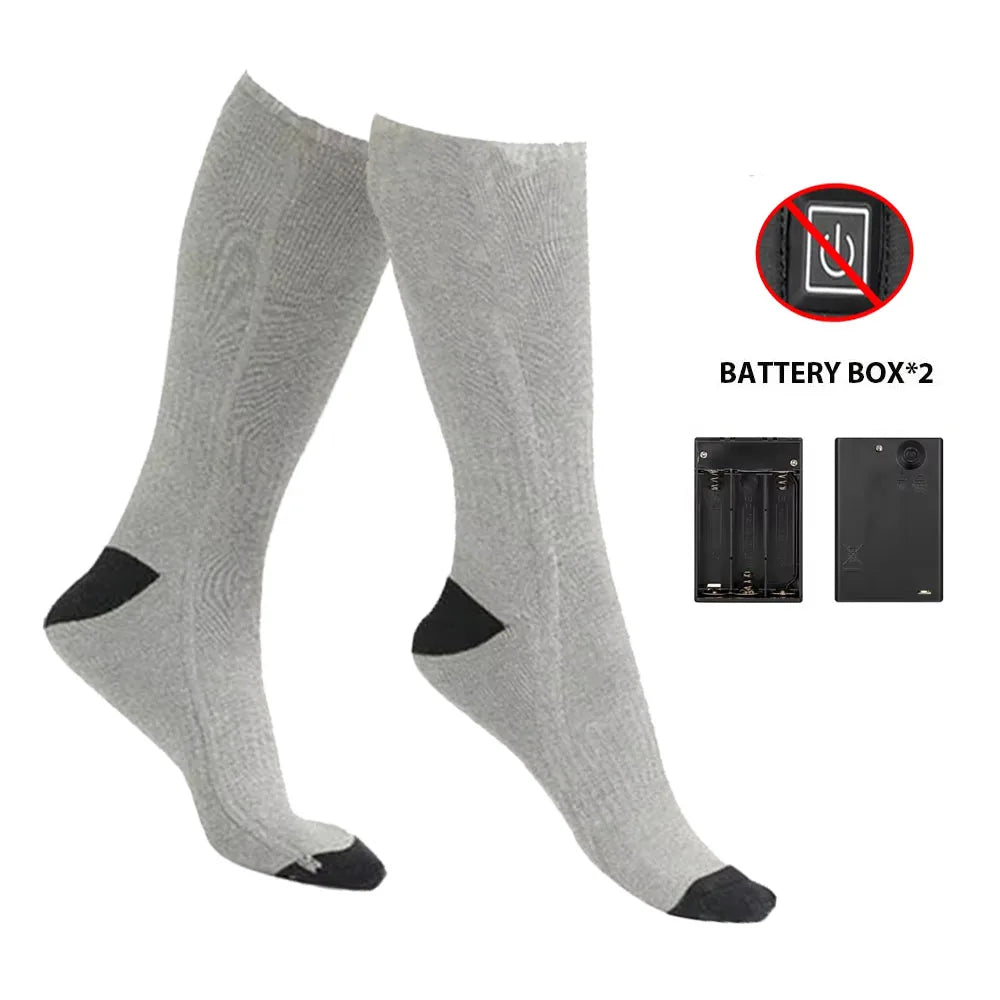
Keeping toes warm in extreme cold — See it in action
Heated Socks FAQ
How long do heated socks last?
Most heated socks last between 4 and 10 hours depending on the heat setting and battery capacity.
Are rechargeable heated socks safe?
Yes. Modern heated socks include temperature controls and insulated heating elements designed for safe everyday use.
Can heated socks replace insulated hunting boots?
Heated socks work best when combined with insulated boots. They enhance warmth but should not completely replace proper winter hunting footwear.
How do heated socks work?
Heated socks use battery powered heating wires embedded in the fabric to deliver warmth directly to the toes and forefoot.
Related Guide: Gear for Cold Weather Choosing the Right Socks for Each Activity
UPGRADE PLAN { "outline": [ { "action": "MODIFY", "h2": "Quick Comparison: Best Heated Socks for Hunting", "h3": [ "Comparison Table: Runtime, Heating Zones, Materials, Battery Type, Charging Time, Warranty", "Category Winners at a Glance" ], "focus": [ "Compare measurable specs", "Highlight best use cases", "Support quick purchase decisions", "Surface category winners" ], "keywords": [ "best heated socks for hunting", "best heated hunting socks", "heated hunting socks" ] }, { "action": "KEEP", "h2": "Do heated socks for hunting really work?", "h3": [], "focus": [ "Effectiveness in hunting", "Heat retention", "When they outperform standard socks" ], "keywords": [ "heated socks for hunting", "keeping feet warm while hunting" ] }, { "action": "KEEP", "h2": "Why Cold Feet Ruin Hunts Faster Than You Think", "h3": [ "Circulation Loss During Long Tree Stand Hunts", "Moisture and Heat Loss in Cold Weather" ], "focus": [ "Reduced circulation", "Moisture management", "Stationary vs active hunts" ], "keywords": [ "heated socks for cold weather hunting", "keeping feet warm while hunting" ] }, { "action": "MODIFY", "h2": "How Heated Socks for Hunting Work", "h3": [ "Battery Powered Heating Elements Explained", "Rechargeable vs Disposable Battery Systems", "Heat Zones: Toe vs Full Foot Warmth", "Battery Performance in Sub-Freezing Temperatures" ], "focus": [ "Heating technology", "Battery options", "Cold-weather performance", "Safety basics" ], "keywords": [ "how do heated socks work", "battery powered heated socks", "rechargeable heated socks" ] }, { "action": "MODIFY", "h2": "Best Heated Socks for Hunting (Detailed Reviews)", "h3": [ "Best Overall Heated Socks for Hunting", "Best Electric Socks for Hunting", "Best Battery Life", "Best for Extreme Cold", "Best Budget", "Best Merino Blend", "Best for Whitetail Tree Stands", "Best for Spot-and-Stalk Hunts" ], "focus": [ "Field performance", "Comfort and fit", "Battery runtime", "Value comparison" ], "keywords": [ "best heated socks for hunting", "best electric socks for hunting", "best heated hunting socks" ] }, { "action": "ADD", "h2": "How We Evaluated These Heated Hunting Socks", "h3": [ "Battery Runtime", "Warmth Distribution", "Comfort and Boot Fit", "Durability and Reliability" ], "focus": [ "Testing criteria", "Real hunting scenarios", "Objective comparisons", "Long-term value" ], "keywords": [ "heated hunting socks", "hunting heated socks" ] }, { "action": "MODIFY", "h2": "Key Features Hunters Should Look For", "h3": [ "Battery Life and Heat Levels", "Heating Coverage", "Sock Thickness and Boot Compatibility", "Moisture-Wicking Materials", "Durability and Washability" ], "focus": [ "Fit inside boots", "Fabric selection", "Long-term durability", "Ease of maintenance" ], "keywords": [ "battery powered heated socks", "rechargeable heated socks", "winter hunting gear for warm feet" ] }, { "action": "ADD", "h2": "Rechargeable vs Battery Powered Heated Socks", "h3": [ "Runtime Differences", "Weight and Comfort", "Cost of Ownership" ], "focus": [ "Power systems", "Convenience", "Best applications" ], "keywords": [ "battery powered heated socks", "rechargeable heated socks" ] }, { "action": "ADD", "h2": "Merino Wool vs Synthetic Heated Socks", "h3": [], "focus": [ "Warmth", "Moisture control", "Odor resistance", "Durability" ], "keywords": [ "heated hunting socks", "winter hunting gear for warm feet" ] }, { "action": "KEEP", "h2": "Heated Socks vs Traditional Winter Hunting Socks", "h3": [], "focus": [ "Warmth comparison", "Cost-benefit", "When heated socks are worthwhile" ], "keywords": [ "heated socks hunting", "winter hunting gear for warm feet" ] }, { "action": "MODIFY", "h2": "Real Hunting Scenarios Where Heated Socks Matter", "h3": [ "Whitetail Tree Stand Hunts", "Spot-and-Stalk Elk Hunting", "Late Season Waterfowl Hunting", "Ice Fishing and Predator Hunting" ], "focus": [ "Scenario recommendations", "Mobility vs stationary", "Weather suitability", "Battery planning" ], "keywords": [ "heated socks for hunting", "heated socks for cold weather hunting" ] }, { "action": "MODIFY", "h2": "How to Use Battery Powered Heated Socks Effectively", "h3": [ "Maximize Battery Life", "Choosing the Right Heat Setting", "Charging Before Multi-Day Hunts" ], "focus": [ "Extend runtime", "Optimize warmth", "Avoid common mistakes" ], "keywords": [ "battery powered heated socks", "how long do heated socks last" ] }, { "action": "KEEP", "h2": "Are Heated Socks Safe for All-Day Hunting?", "h3": [], "focus": [ "Safety features", "Overheating prevention", "Battery safety" ], "keywords": [ "are heated socks safe" ] }, { "action": "MODIFY", "h2": "Cold Weather Hunting Tips for Keeping Feet Warm", "h3": [ "Layering Socks Properly", "Boot Fit and Circulation", "Managing Moisture", "Common Mistakes Hunters Make" ], "focus": [ "Foot warmth", "Circulation", "Moisture control", "Avoiding heat loss" ], "keywords": [ "keeping feet warm while hunting", "winter hunting gear for warm feet" ] }, { "action": "KEEP", "h2": "What Real Hunters Are Saying", "h3": [], "focus": [ "Long-term reliability", "Common praise", "Common complaints" ], "keywords": [ "heated hunting socks" ] }, { "action": "ADD", "h2": "Who Should Buy Heated Socks for Hunting?", "h3": [ "Best Candidates", "When Standard Hunting Socks Are Enough" ], "focus": [ "Buying guidance", "Budget considerations", "Use-case matching" ], "keywords": [ "best heated socks for hunting", "heated socks hunting" ] }, { "action": "MODIFY", "h2": "Heated Socks FAQ", "h3": [ "How long do heated socks last?", "Are heated socks safe?", "Can heated socks replace insulated hunting boots?", "How do heated socks work?", "Can you wash heated socks?", "How long do batteries last in freezing weather?", "Are heated socks worth it for deer hunting?" ], "focus": [ "Purchase objections", "Maintenance", "Battery expectations", "Practical hunting advice" ], "keywords": [ "how long do heated socks last", "are heated socks safe", "how do heated socks work" ] } ], "internal_links": [ "Best heated socks for winter", "How to keep feet warm in cold weather", "Battery powered heated socks guide", "Rechargeable heated socks guide", "Winter hunting gear for warm feet", "Cold weather layering guide" ], "faq": [ "What are the best heated socks for hunting?", "How long do heated socks last on a single charge?", "Are heated socks safe for all-day hunting?", "Do heated socks work in sub-zero temperatures?", "Can heated socks be washed?", "Should I choose rechargeable or battery powered heated socks?", "Are heated socks better than thick wool socks for hunting?" ], "trim": [ "Reduce generic explanations in product reviews", "Shorten repetitive cold-weather background", "Merge overlapping battery safety content", "Condense duplicate warmth and circulation advice" ] } Approved linked products: - heated socks (/products/heated-socks) Product Rules - Keep all approved products. - Only approved products may contain affiliate links. - You may add real competitor products when useful. - Competitor products must not contain links unless already present. - Only create comparison tables when they genuinely improve the article. RULES - Apply every instruction in the Upgrade Plan. - Keep all existing affiliate links unchanged. - Keep all existing internal links unchanged. - Keep all existing image URLs unchanged. - Preserve sections such as Related Articles, Related Posts and Recommended Reading. - Avoid duplicate headings. - Insert new sections only where specified. - Improve clarity, topical coverage, EEAT and readability. - Expand weak sections only when required. - Use natural keyword placement. - Keep semantic HTML clean. YEAR UPDATE If visible article text contains "2005", replace it with "2026". Do not modify years inside: - URLs - href attributes - image filenames OUTPUT REQUIREMENTS Return ONLY the final upgraded HTML article. The output must be valid HTML and ready to publish. Do NOT return: - Markdown - Explanations - Notes - Code fences - JSON - XML Return the HTML beginning with the first HTML element and ending with the last HTML element.












