

Does a Heated Vest Battery Die Fast? (Quick Answer + Expected Runtime)
A heated vest battery can seem to die fast, but a 2- to 8-hour runtime is common depending on battery capacity, heat level, heating zones, temperature, and the vest's power requirements. High heat and freezing conditions can reduce runtime significantly, while low heat and good insulation can help a battery last much longer.
Average Battery Life by Heat Setting (Low / Medium / High)
- High heat: approximately 2–3 hours
- Medium heat: approximately 3–5 hours
- Low heat: approximately 5–8+ hours
What “Normal” Battery Drain Actually Looks Like
If your heated vest battery lasts only 2–4 hours while running continuously on high heat, that may be normal. A battery is more likely to have a problem when its runtime suddenly becomes much shorter than usual, the vest shuts off unexpectedly despite showing charge, or the battery cannot hold a charge.
Factors That Change Runtime in Real Use
Runtime can vary considerably because of battery capacity, power draw, outdoor temperature, insulation, heating-zone coverage, battery age, and cable compatibility . A 20,000mAh battery may last substantially longer than a 5,000mAh pack, but the actual runtime still depends on how much power the vest consumes.
Heated Vest Battery Dies Fast: Causes, Fixes, and Real Runtime Explained
⏱ 7 min read — A heated vest should keep you comfortable, not constantly searching for an outlet. If your heated vest battery dies halfway through the day or stops working in the cold, the issue may be normal power consumption, cold-weather efficiency loss, an aging battery, or a problem with the vest itself. With the right troubleshooting steps and smarter battery habits, you can often extend runtime and identify whether a replacement is actually necessary.
Ever notice how your vest feels great at first, then fades when you need it most? That does not always mean the battery is defective. Understanding the relationship between capacity, voltage, power consumption, heat settings, and temperature makes it much easier to determine why a heated vest battery is draining quickly.
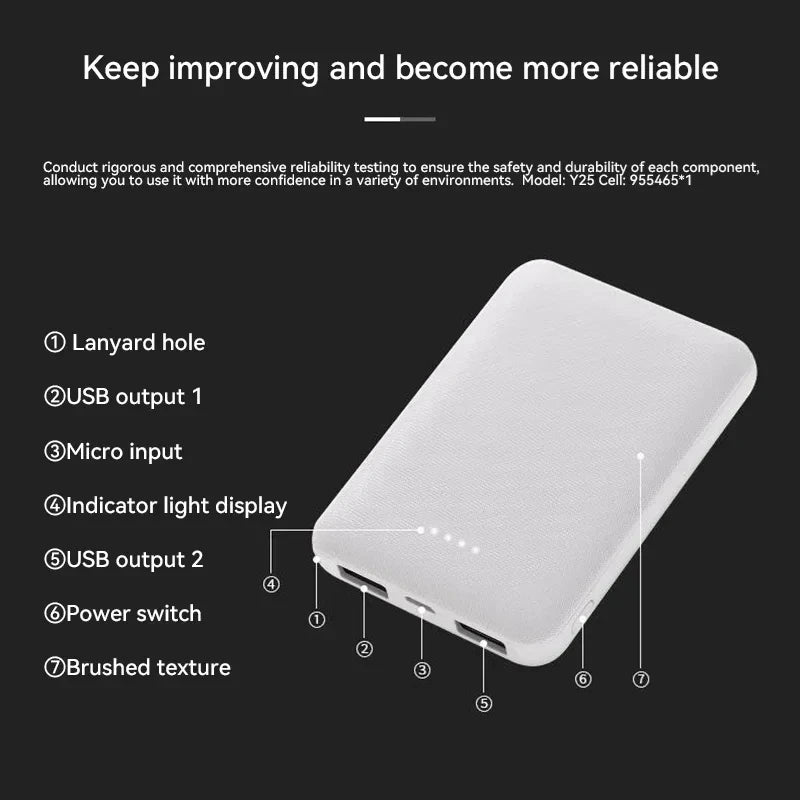
Heated vest battery dies during daily use — learn what drains it fastest See it in action
Why Your Heated Vest Battery Drains Quickly (Root Causes Explained)
If your heated vest battery is draining quickly, the cause may be the battery itself, the vest's energy demand, the weather, or a connection problem. The most useful first step is to determine whether the battery is losing capacity or the vest is drawing more power than expected.
Battery Capacity vs Power Consumption
Battery capacity tells you how much energy a battery can store, while the vest's power consumption determines how quickly that energy is used. A higher-capacity battery generally provides longer runtime, but capacity alone does not guarantee a specific number of hours.
For example, a vest that uses more heating zones or operates at a higher wattage will drain the same battery faster than a lower-power garment. This is why comparing only the mAh number can be misleading. Watt-hours (Wh) can provide a more useful way to compare energy capacity when battery voltages differ.
Cold Weather Battery Efficiency Loss
Lithium-ion batteries can deliver less usable energy in cold conditions. Low temperatures may temporarily reduce performance, and a battery that feels fine indoors may appear to drain much faster outdoors in freezing weather.
Cold weather can also increase the vest's heating demand because the garment must work harder to maintain a comfortable temperature. Keeping the battery within the manufacturer's recommended operating range can help maintain more consistent performance.
Battery Age and Charge Cycle Degradation
Rechargeable batteries gradually lose capacity as they age and go through repeated charge cycles. A battery that once powered a heated vest for most of a day may eventually provide only a few hours of usable runtime.
Age, storage conditions, charging habits, and overall battery quality all affect how quickly capacity declines. A sudden major drop in runtime can indicate that the battery is reaching the end of its useful life.
Poor Quality or Incompatible Battery Packs
Not every power bank is suitable for every heated vest. The battery must provide the voltage, current, connector type, and charging behavior required by the garment. An incompatible or unstable pack may cause inconsistent heating, unexpected shutdowns, or poor runtime.
Always check the heated vest manufacturer's requirements before using a replacement battery pack. A larger capacity is useful only when the pack is electrically compatible with the garment.
Damaged Wiring, Connectors, or Heating Elements
A battery may not be the real problem. Loose connectors, damaged cables, worn wiring, or a malfunctioning heating element can interrupt power delivery and make the vest appear to have a battery problem.
If a known-good battery performs normally with another garment but not with your vest, inspect the vest's wiring and connectors. Stop using the garment if you notice visible damage, unusual heat, a burning smell, or other signs of an electrical fault.
Heated Vest Battery Draining Quickly? Step-by-Step Troubleshooting Guide
Use this heated vest battery troubleshooting process to isolate whether the issue comes from the battery, the vest, or the operating conditions.
Step 1: Verify Battery Output and Compatibility
Check the vest's label, manual, or manufacturer specifications for the required voltage, current, connector, and battery type. Do not assume that any USB power bank is automatically compatible with a heated vest.
Some garments require a specific output profile or proprietary battery. Using a pack with the wrong specifications can lead to poor performance or unexpected shutdowns.
Step 2: Test Every Heat Setting
Run the vest on low, medium, and high settings and compare the runtime. If the battery drains rapidly only on high, the increased power demand may be normal. If runtime is unusually short on every setting, the battery or vest may need further inspection.
Step 3: Inspect Connectors, Cables, and LEDs
Look for loose connections, bent pins, frayed cables, damaged ports, or unusual indicator-light behavior. A poor connection can interrupt power delivery and cause the vest to shut off or cycle unexpectedly.
Do not continue using visibly damaged wiring or connectors. Replace damaged components only with compatible parts recommended for the garment.
Step 4: Try a Known-Good Battery Pack
If possible, test the vest with a fully charged, compatible battery pack that is known to work properly. If the vest runs normally, the original battery is likely the source of the problem.
If the same issue occurs with multiple compatible batteries, the vest, cable, controller, or heating system may be responsible.
Step 5: Determine Whether the Battery or Vest Is Faulty
The simplest way to isolate the problem is to change one variable at a time:
- One battery fails with multiple compatible garments: the battery may be defective or worn out.
- Multiple batteries fail with one vest: the vest or its connections may be the problem.
- Runtime is normal on low but very short on high: power consumption may be expected.
- Runtime suddenly drops across all settings: battery degradation or a hardware issue is more likely.
What to Do If Your Heated Vest Stopped Working Mid-Day
If your heated vest stopped working and the battery still appears to have charge, the cause may be a loose connection, a protection feature, excessive cold, or a temporary controller issue.
Quick 5-Minute Reset Checklist
- Turn off the vest and disconnect the battery pack.
- Wait briefly, then reconnect the battery securely.
- Check the cable and connectors for looseness or visible damage.
- Try restarting the vest on a lower heat setting.
- Test with a fully charged compatible backup battery if available.
Common Emergency Fixes Before Recharging
If the battery is very cold, moving it to a warmer location within the manufacturer's recommended temperature range may restore more consistent performance. Avoid exposing the battery to direct high heat or attempting to heat it rapidly with an external heat source.
If the vest repeatedly shuts down, becomes unusually hot, smells abnormal, or shows visible damage, stop using it and follow the manufacturer's safety instructions.
How Long Should a Heated Jacket Battery Last? (Runtime Chart)
There is no single runtime that applies to every heated jacket or vest. The figures below are practical estimates, but actual performance depends on the garment's power draw, battery efficiency, temperature, and heat setting.
Runtime by Battery Capacity (5,000–20,000mAh)
| Battery Capacity | Typical Runtime Range | Best For |
|---|---|---|
| 5,000mAh | Approximately 2–4 hours | Short trips and light use |
| 10,000mAh | Approximately 4–6 hours | Daily commuting and moderate use |
| 20,000mAh | Approximately 6–10 hours | Long outdoor use and extended wear |
Runtime by Heat Level
| Heat Level | Typical Runtime | What Affects It Most |
|---|---|---|
| Low | 5–8+ hours | Insulation and outdoor temperature |
| Medium | 3–5 hours | Heating zones and power draw |
| High | 2–3 hours | Continuous maximum output |
Real-World Runtime Examples
A short commute may use only 1–2 hours of battery power, especially when the vest is used on medium or low heat. Outdoor work, winter travel, and extended exposure to freezing temperatures can require much more energy.
In practice, a battery that lasts several hours on high heat may last most of a workday when the vest is used intermittently on lower settings. This is why advertised maximum runtime and everyday runtime can differ considerably.
How Heat Settings Affect Battery Life
Heat settings have one of the biggest effects on how quickly a heated vest battery drains. Higher settings send more power to the heating elements, creating more warmth but reducing total runtime.
Power Consumption by Heat Level
- Low: approximately 3–5 watts
- Medium: approximately 6–8 watts
- High: approximately 9–12 watts
Actual wattage varies by garment, heating technology, battery voltage, and the number of active heating zones. These figures should be treated as general examples rather than a guarantee for every heated vest.
Heating Zones and Energy Usage
A vest with more active heating zones may use more energy than a simpler design. If the garment heats the front, back, collar, and other areas simultaneously, its total power demand can increase.
Balancing Warmth and Runtime
For longer battery life, start on a higher setting only when you need rapid warmth, then reduce the temperature once your body and clothing layers feel comfortable. Alternating between medium and low heat can provide a better balance between comfort and runtime than using maximum heat continuously.
Best Battery Pack for Heated Vest: What Specs Matter
The best battery pack for a heated vest is not necessarily the one with the largest mAh rating. Compatibility, output stability, capacity, physical size, and safety features all matter.
Voltage and Current Requirements
Check the heated vest's specifications before choosing a battery replacement. The pack must provide the required voltage and current through the correct connector or output system.
Some heated garments are designed for specific voltage levels, while others use USB-compatible power sources. Do not assume that a higher voltage is automatically better. The output must match the garment's requirements.
Capacity vs Runtime
Higher capacity generally means more stored energy and longer potential runtime. A 10,000mAh pack may be suitable for daily use, while a 20,000mAh pack can be useful for extended outdoor activities when the garment supports it.
Keep in mind that the actual usable energy depends on voltage conversion efficiency and the vest's power consumption. A larger battery may also be heavier, so portability is part of the decision.
Compatibility and Safety
Choose a battery that is compatible with the vest's required output, connector, and charging system. A battery should also be used, charged, and stored according to its manufacturer's instructions.
A high-capacity option such as the 20000mAh power bank may help users who need longer runtime, provided it is compatible with their heated clothing setup.
How to Improve Heated Vest Battery Life
If you want to improve heated vest battery life, focus on reducing unnecessary power demand and protecting the battery from conditions that reduce efficiency.
Reduce Heat Without Losing Comfort
Use the highest setting only when you need rapid warmth. Once your clothing layers and body temperature feel comfortable, switching to medium or low can significantly reduce power consumption.
Good insulation also matters. A well-insulated outer layer can help retain the warmth produced by the vest, allowing you to use a lower setting for longer.
Keep Batteries Warm in Winter
Cold temperatures can reduce the amount of usable energy available from a lithium-ion battery. When the design allows it, keep the battery in a protected inner pocket or another location recommended by the manufacturer rather than leaving it exposed to extreme cold.
Do not charge a battery while it is below the manufacturer's recommended charging temperature range.
Charge Lithium-Ion Batteries Correctly
Use the correct charger and charging cable for the battery. Avoid using damaged charging equipment, and follow the battery manufacturer's instructions for charging and storage.
Modern rechargeable batteries generally do not need to be completely drained before every recharge. Regularly allowing a battery to reach an extremely low charge level can contribute to unnecessary stress and may reduce practical battery life over time.
Battery Storage and Maintenance
When the heated vest is not being used for an extended period, store the battery in a cool, dry location within the manufacturer's recommended storage conditions. Avoid leaving it in a hot car or in extreme cold for long periods.
Disconnect the battery from the garment when the vest is not in use and inspect the pack periodically for signs of damage or unusual swelling.
When to Replace a Heated Vest Battery
A heated jacket battery replacement may be worthwhile when the battery's usable capacity has declined significantly or when it no longer performs reliably.
Signs the Battery Has Reached End of Life
- Runtime is dramatically shorter than when the battery was new.
- The battery loses charge unusually quickly while not in use.
- The vest shuts down repeatedly despite a reasonable charge level.
- The battery does not charge normally.
- The battery shows visible damage, swelling, or other abnormal changes.
Visible damage or swelling is a safety concern. Stop using a damaged battery and follow the manufacturer's guidance for replacement and disposal.
Expected Lithium-Ion Lifespan
Rechargeable lithium-ion batteries gradually lose capacity over repeated use. The exact lifespan depends on the battery design, operating conditions, charge cycles, storage, and usage habits. A battery's calendar age can also matter, even if it has not been used every day.
Replacement vs Repair
For most users, replacing a worn battery is more practical than attempting to repair a lithium-ion battery pack. If the battery tests normally but the vest still shuts off or heats inconsistently, the vest's wiring, controller, or heating elements may need inspection instead.
Battery Care Mistakes That Shorten Runtime
Overcharging Myths
Use the charger and charging process recommended by the battery manufacturer. Modern battery packs include charging controls, but that does not mean damaged, incompatible, or poorly maintained batteries are safe to leave unattended indefinitely.
Following the manufacturer's charging instructions is more important than trying to force a particular charging schedule.
Deep Discharge Damage
Repeatedly allowing a rechargeable battery to reach an extremely low charge level can place additional stress on the battery. Recharge it according to the manufacturer's instructions rather than intentionally draining it completely every time.
Storage Temperature Mistakes
Leaving a battery in a freezing vehicle or a very hot environment can affect performance and long-term capacity. Store it in the conditions recommended by the manufacturer, and allow a battery exposed to extreme temperatures to return to an appropriate temperature before charging when required by the product instructions.
Does the Same Problem Affect Heated Gloves and Other Heated Clothing?
Yes. Heated gloves, socks, jackets, and other heated clothing can experience similar battery problems because they also depend on rechargeable batteries, electrical connections, and heating elements.
Shared Battery Issues
Common causes include cold-weather efficiency loss, aging batteries, excessive heat settings, incompatible power sources, and damaged cables. A battery may also appear to drain faster when it powers multiple connected accessories or heating zones.
When Accessories Cause Higher Drain
If a battery is powering more than one heated accessory, total energy demand increases. The same battery that lasts several hours with one garment may provide much less runtime when multiple heating systems share the available power.
When troubleshooting, test each garment or accessory separately when possible. This can help determine whether the battery, a particular cable, or one heating component is responsible for the higher drain.
Care Habits That Extend Heated Clothing Battery Life
- Recharge the battery according to the manufacturer's instructions rather than intentionally draining it completely every time.
- Store batteries indoors in appropriate temperature conditions.
- Avoid charging batteries outside their recommended temperature range.
- Disconnect the battery when the heated clothing is not in use.
- Keep connectors clean, dry, and protected from damage.
- Inspect the battery and cables before extended use.
Good storage and charging habits can help preserve usable capacity over multiple seasons. If runtime continues to decline despite proper care, the battery may simply be reaching the end of its service life.
For recovery and comfort routines beyond winter wear, many readers browse Beauty & Self-Care Blog for complementary ideas.
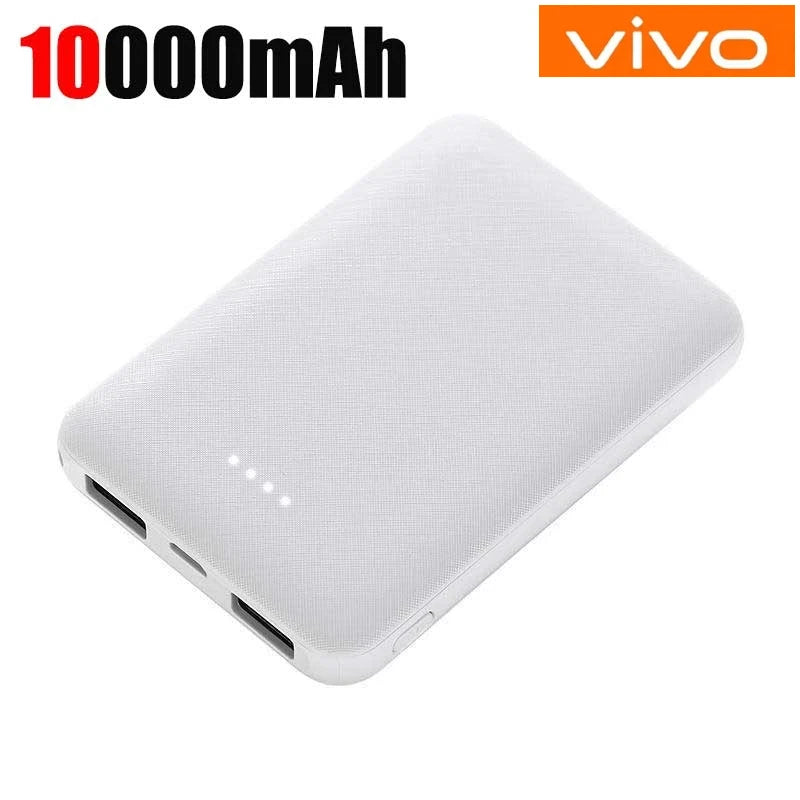
Battery pack for heated vest stored properly extends winter warmth See it in action
Heated Vest Battery FAQ
Why does my heated vest battery die so fast?
The most common causes are continuous high-heat use, a low-capacity battery, cold temperatures, an aging battery, or an incompatible power pack. If runtime suddenly becomes much shorter than before, battery degradation or a hardware problem is more likely.
How long should a heated vest battery last?
Many heated vests run for approximately 2–8 hours per charge, depending on capacity and heat setting. High heat may last only 2–3 hours, while low heat can last 5–8 hours or longer in some setups.
Does cold weather reduce heated vest battery life?
Yes. Cold temperatures can reduce the usable performance of lithium-ion batteries and may increase the vest's heating demand. Keeping the battery within the manufacturer's recommended operating conditions can help maintain more consistent runtime.
Can I use a larger capacity battery pack?
Sometimes. A larger-capacity battery can provide longer runtime, but it must also meet the heated vest's voltage, current, connector, and compatibility requirements. Do not choose a battery based on mAh alone.
How do I know if my heated vest battery is bad?
A battery may be reaching the end of its life if runtime has dropped substantially, it loses charge unusually quickly, fails to charge normally, or causes repeated shutdowns. Testing with a known-good compatible battery can help isolate the problem.
Can a damaged cable drain the battery faster?
A damaged or loose cable can cause unstable power delivery and may lead to inconsistent heating or shutdowns. It can also make the system appear to have a battery problem. Replace damaged components with compatible parts rather than continuing to use visibly damaged wiring.
Why does my heated vest shut off even with battery remaining?
Possible causes include a protection feature, insufficient output under load, a loose connection, extreme cold, an incompatible battery, or a fault in the vest's controller or heating system. Testing the connections and a known-good compatible battery can help identify the cause.
Do heated gloves and heated vests share the same battery problems?
Yes. Both can experience shortened runtime from cold weather, aging batteries, high heat settings, incompatible power sources, and damaged cables. Accessories that share the same battery can also increase total power demand.
Can a heated vest damage a power bank?
A compatible heated vest should operate within the power bank's supported output specifications. However, using an incompatible or damaged setup can cause performance problems. Always verify the required voltage, current, connector, and usage instructions before connecting a battery pack to heated clothing.
Related Guide: Best Power Bank Heated Vest Comparison for Winter Warmth













