

Does a heated vest battery pack really work in extreme cold?
Yes. A high-quality heated vest battery pack is designed to keep battery-powered heated clothing operating reliably even in freezing conditions. Compared with basic power banks, dedicated heated clothing battery packs use stable voltage regulation, quality lithium cells, and built-in temperature protection to reduce unexpected shutdowns, maintain consistent heat output, and deliver longer runtime when temperatures fall below freezing. The right battery pack for a heated vest also matches your vest's voltage requirements, helping maximize both performance and safety.
Heated Vest Battery Pack: Best Options, Compatibility & Runtime Guide (2026)
Best Battery Packs for Heated Vests (2026 Rankings & Compatibility Guide)
The best heated vest battery pack depends on three factors: your vest's operating voltage, the connector type, and the amount of heating time you need. Choosing the correct rechargeable battery for a heated vest improves compatibility, provides more consistent warmth, and minimizes power loss during cold-weather use.
Best 5V USB Battery Packs for USB Heated Vests
- 10,000–20,000mAh USB power banks for commuting and everyday winter wear
- Compatible with many USB-powered heated vests sold through major online retailers
- Typical runtime: approximately 3–8 hours depending on vest wattage and heat setting
- Ideal for lightweight, portable use where convenience is the priority
Best 7.4V Battery Packs for Heated Clothing Systems
- Designed for dedicated heated clothing systems such as Ororo, Venture Heat, and similar brands
- Provides more consistent heating performance than standard USB systems
- Typical runtime: approximately 4–10 hours depending on battery capacity
- Suitable for daily commuters and frequent cold-weather use
Best 12V Battery Packs for Extreme Cold Performance
- High-output battery systems built for demanding winter environments
- Often paired with compatible adapters for Milwaukee, DeWalt, and other tool batteries
- Typical runtime: 6–12+ hours depending on battery size and heat level
- Recommended for outdoor workers, winter crews, and prolonged exposure to sub-zero temperatures
Whether you're commuting before sunrise, working outdoors, or spending hours in freezing temperatures, battery performance matters as much as the heated vest itself. A properly matched heated vest battery pack delivers dependable warmth, while an incompatible or undersized battery may lose voltage quickly, shorten runtime, or stop heating unexpectedly. Understanding compatibility before you buy helps you stay comfortable throughout the day.
⏱ 7 min read
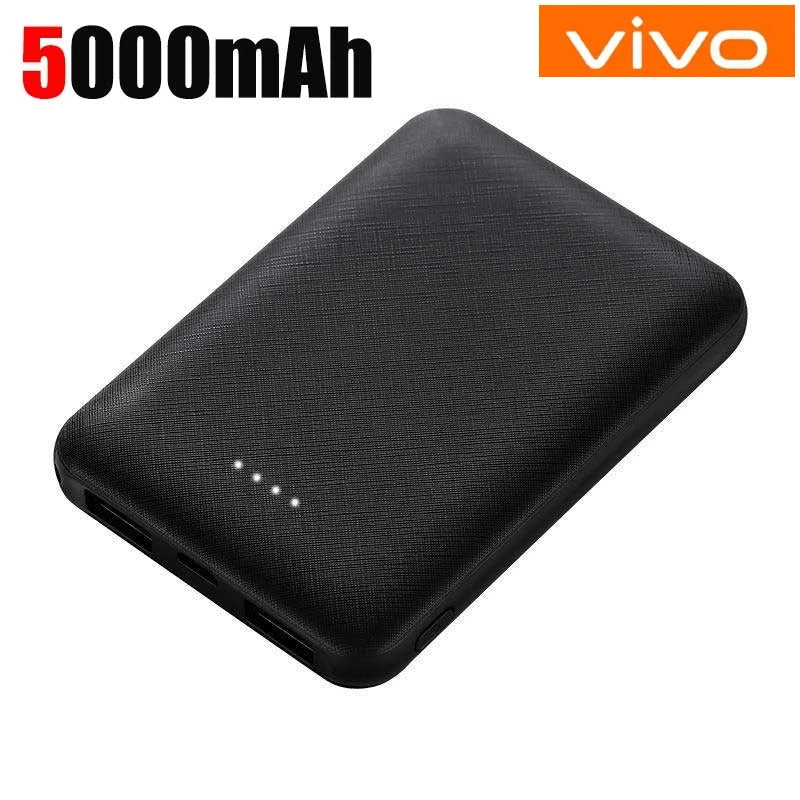
Reliable heated vest battery pack performance for long winter days ❄️ See it in action
Battery Pack Comparison Table (Voltage, Capacity, Runtime & Compatibility)
| Battery Type | Voltage | Typical Capacity | Estimated Runtime | Best For |
|---|---|---|---|---|
| USB Power Bank | 5V | 10,000–20,000mAh | 3–8 hours | USB heated vests, commuting, casual winter use |
| Dedicated Heated Clothing Battery | 7.4V | 5,000–10,000mAh | 4–10 hours | Daily heated clothing systems and balanced performance |
| High-Output Battery Pack | 12V | Variable | 6–12+ hours | Outdoor work, extreme cold, extended heating sessions |
How to Choose the Right Battery Pack for Your Heated Vest
Step 1: Check Voltage Compatibility (5V vs 7.4V vs 12V)
The most important buying decision is matching the battery voltage to your heated vest. A 5V USB battery pack is designed for USB-powered heated vests, while 7.4V systems require dedicated heated clothing batteries. Some heavy-duty jackets use 12V battery systems or compatible power tool battery adapters. Using the wrong voltage can prevent your vest from heating correctly or potentially damage its electronics, so always verify the manufacturer's specifications before purchasing a replacement.
Step 2: Match Connector Type and Charging Port
Even if the voltage is correct, the battery pack for your heated vest must use the proper connector. Common options include USB-A, USB-C, DC barrel connectors, and proprietary plugs used by specific brands. Check both the output connector and charging port to ensure the replacement battery works seamlessly with your existing vest and charger.
Step 3: Estimate Runtime Using Battery Capacity and Vest Wattage
Battery capacity influences how long your vest can produce heat, but the heating elements' power consumption is equally important. Higher-capacity batteries generally provide longer runtime, while high heat settings draw more energy and shorten operating time. As a practical rule, expect maximum heat to reduce total runtime significantly compared with low or medium settings, especially in freezing weather.
Step 4: Balance Battery Weight and Heating Duration
Larger batteries deliver longer heating sessions but also increase overall weight. If you primarily wear a heated vest during commuting or short outdoor activities, a lighter portable battery for a heated jacket may provide the best balance between comfort and runtime. For extended work shifts or outdoor recreation, carrying a slightly larger battery is often worthwhile.
What Makes the Best Battery Pack for Heated Vest Use?
Capacity, Voltage Output and Power Delivery
The best battery pack for heated vest use combines sufficient capacity with stable power delivery. Consistent voltage output allows heating elements to maintain even temperatures instead of cycling unpredictably as battery levels drop. Premium lithium-ion cells also tend to retain capacity longer over hundreds of charging cycles, making them a better long-term investment.
Low temperatures naturally reduce lithium battery efficiency, but high-quality heated vest batteries are engineered to minimize performance loss. Features such as intelligent battery management systems, temperature monitoring, and efficient voltage regulation help maintain dependable heat output during winter use. Keeping the battery inside an insulated pocket or close to your body can further improve cold-weather performance.
Safety Features and Certifications
Safety should be considered alongside capacity and runtime. Look for batteries that include multiple protection systems, including:
- Overcharge protection: Prevents unnecessary stress during charging.
- Over-discharge protection: Helps preserve long-term battery health.
- Short-circuit protection: Reduces the risk of electrical damage.
- Temperature monitoring: Helps prevent overheating during charging and operation.
- High-quality lithium cells: Improve durability, efficiency, and overall reliability.
Heated Vest Battery Compatibility Guide (Which Battery Fits Your Vest?)
USB Heated Vests and Standard 5V Power Banks
Most generic USB heated vests use a standard 5V power source and work with compatible USB power banks that provide adequate current output. Always confirm your vest's power requirements before using a third-party battery.
7.4V Heated Vest Systems (ORORO, Venture Heat and Similar Brands)
Dedicated heated clothing systems from brands such as Ororo and Venture Heat typically require proprietary 7.4V rechargeable battery packs. Standard USB power banks cannot replace these batteries because both the voltage and connector design differ.
12V Heated Clothing Systems and Battery Adapters
Some premium heated jackets and workwear use 12V battery platforms, often through adapters designed for compatible power tool batteries. These systems provide higher heat output and longer operating times but generally weigh more than standard USB or 7.4V battery solutions.
How to Charge a Heated Vest Battery Safely
Proper charging habits help maximize battery lifespan, maintain consistent heating performance, and reduce unnecessary wear on lithium-ion cells. Always follow the charging instructions provided by your heated vest manufacturer, especially when using proprietary battery systems.
- Charge at room temperature: Avoid charging batteries immediately after exposure to freezing conditions. Allow them to warm naturally before connecting to a charger.
- Use the recommended charger: Original or certified replacement chargers provide the correct voltage and charging profile for your battery.
- Avoid frequent overnight charging: Modern battery management systems offer protection, but routinely leaving batteries plugged in for extended periods may contribute to long-term capacity loss.
- Let the battery cool after use: Recharge only after the battery has returned to a normal temperature following extended heating sessions.
- Store partially charged during long breaks: If the battery won't be used for several weeks, storing it with a moderate charge in a cool, dry location helps preserve overall battery health.
Heated Vest Battery Life: Real-World Runtime Examples
Battery life depends on battery capacity, outside temperature, heating level, and the power consumption of your vest. While every heating system differs, the following estimates reflect common real-world performance for properly matched battery packs.
- Low heat: Approximately 6–10 hours of continuous warmth.
- Medium heat: Approximately 4–7 hours for everyday winter use.
- High heat: Approximately 2–4 hours when maximum heating output is required.
Expect runtime to decrease in freezing temperatures because lithium-ion batteries become less efficient as cell temperatures drop. Keeping the battery insulated inside the vest or an interior pocket can help reduce cold-related performance loss.
Heated Vest Battery Not Working? Common Problems and Fixes
If your heated vest suddenly stops heating, the battery is often the first component to inspect. Many issues can be resolved without replacing the entire system.
- Verify the battery charge level: Confirm that the battery is fully charged and indicator lights function normally.
- Inspect all connectors: Check for loose plugs, bent pins, damaged cables, or debris that could interrupt power delivery.
- Warm a cold battery gradually: Batteries exposed to freezing temperatures may temporarily reduce output until they return to a moderate temperature.
- Test with a compatible replacement battery: If available, connect another battery with the same voltage and connector to determine whether the issue is the battery or the vest.
- Replace aging batteries when necessary: If runtime has declined significantly despite proper charging practices, the lithium cells may have reached the end of their service life.
Why Heated Vest Batteries Fail in Cold Weather
Cold weather affects every lithium-ion battery to some degree. As temperatures fall below freezing, the chemical reactions inside the battery slow down, reducing the amount of power available to your heated vest. This temporary loss of efficiency can cause shorter runtime, reduced heat output, or automatic shutdowns triggered by the battery's built-in protection system. In many cases, the battery begins working normally again once it returns to a moderate temperature.
- Voltage drops more quickly: Cold conditions reduce usable battery output even when the battery is fully charged.
- Smaller battery packs discharge faster: Lower-capacity batteries have less reserve energy to compensate for reduced efficiency.
- Battery protection systems may activate: Quality heated clothing battery packs automatically limit output to protect lithium cells from damage.
- Improper charging habits accelerate wear: Charging batteries while extremely cold or repeatedly draining them completely can shorten long-term battery life.
- Poor storage affects performance: Store batteries in a cool, dry place and avoid leaving them in freezing vehicles for extended periods.
Who Needs a Higher-Capacity Heated Vest Battery Pack?
Cold-Weather Commuters
People who spend time walking, cycling, or waiting for public transportation benefit from a battery that delivers consistent heat throughout daily travel. A larger-capacity pack can reduce the need for midday recharging during colder months.
Outdoor Workers and Winter Crews
Construction crews, utility workers, warehouse staff, farmers, and other professionals working outdoors often require dependable heating for entire shifts. Higher-capacity battery systems provide longer operating times and more reliable performance in demanding conditions.
Hikers, Hunters and Outdoor Enthusiasts
Extended outdoor activities often involve prolonged exposure to cold temperatures far from charging facilities. Choosing a battery with greater capacity—or carrying a compatible spare—helps maintain warmth during hiking, camping, hunting, ice fishing, and other winter adventures.
Many users exploring winter comfort solutions also browse the Lifestyle collection to pair warmth with everyday convenience.
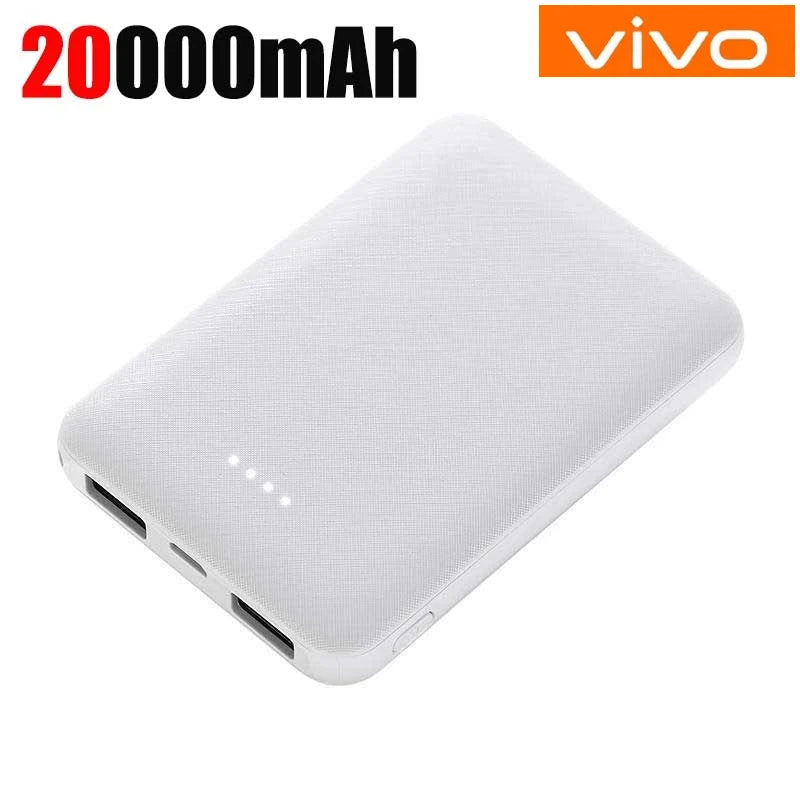
Built for commuters and outdoor workers who can't afford cold interruptions • See it in action
How to Maximize Heated Vest Battery Runtime
- Begin with low or medium heat whenever possible, increasing the setting only when necessary.
- Wear insulating base layers so the heating elements don't need to work as hard.
- Keep the battery inside the vest or another protected pocket to shield it from freezing air.
- Carry a fully charged backup battery if you'll be outdoors for extended periods.
- Turn the heating system off when indoors to conserve battery capacity.
- Recharge the battery before it becomes completely depleted whenever practical to help maintain long-term battery health.
Pairing these habits with a high-capacity option like the 20,000mAh power bank can help provide more reliable warmth during long commutes, outdoor work, and changing winter conditions.
Heated Vest Battery Replacement: When to Replace and What to Buy
A heated vest battery replacement becomes worthwhile when the original battery no longer provides reliable heating, requires frequent charging, or shows noticeable capacity loss after regular use. Selecting the correct replacement improves safety, restores runtime, and ensures your heated vest performs as intended.
- Match the original voltage: Always replace the battery with the same voltage specified by your heated vest manufacturer.
- Confirm connector compatibility: Check both the plug type and battery interface before purchasing a replacement.
- Increase capacity when appropriate: If your current runtime no longer meets your needs, a higher-capacity battery may provide longer heating sessions without changing the operating voltage.
- Choose reputable manufacturers: Quality lithium-ion cells and built-in protection circuits help improve safety, reliability, and long-term durability.
- Replace damaged batteries immediately: Batteries that swell, overheat, or fail to charge properly should no longer be used.
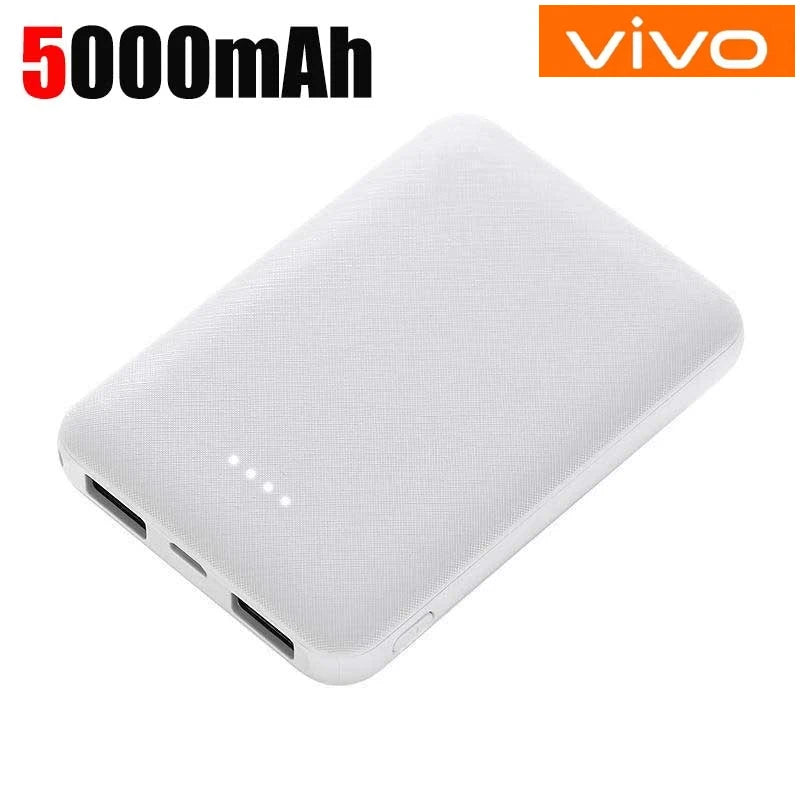
All-day power for battery-powered heated clothing ❄️ See it in action
Mini FAQ: Heated Vest Battery Pack Essentials
Why does my heated vest stop working in cold weather?
Cold temperatures temporarily reduce lithium-ion battery efficiency, lowering voltage output and sometimes activating built-in protection systems. Warming the battery and keeping it insulated during use often restores normal performance.
How long does a battery pack for a heated vest last?
Most heated vest battery packs provide approximately 3–10 hours of heating depending on battery capacity, outdoor temperature, heat setting, and the power requirements of the vest.
Can I use any power bank with a heated vest?
No. A power bank is only suitable if it matches your vest's required voltage, connector type, and power output. Many dedicated 7.4V and 12V heated clothing systems cannot operate from standard USB power banks.
What voltage battery does my heated vest need?
Common heated vest systems use 5V USB, 7.4V dedicated heated clothing batteries, or 12V battery platforms. Always verify your manufacturer's specifications before purchasing a replacement battery.
Does higher mAh mean longer heating time?
Generally, yes. Higher-capacity batteries typically provide longer runtime when used with the same vest and heat setting. However, battery quality, outside temperature, and heating level also influence overall performance.
Related Guide: Winter Heated Apparel Power Bank for Work, Travel, Outdoors
A dependable heated vest battery pack is one of the most important upgrades for staying comfortable in cold weather. By choosing the correct voltage, verifying compatibility, and following proper charging and storage practices, you can enjoy more consistent warmth, longer battery life, and reliable performance throughout the winter season.













