Does a heater non electric really keep you warm without power?
A heater non electric can provide dependable warmth during outages by using fuel, catalytic technology, radiant heat, or passive heat retention instead of electricity. When selected and operated correctly, a no electricity heater helps maintain a safer, more comfortable indoor environment while supporting backup heating for power outages.
Heater Non Electric Setup: How to Stay Warm Without Power
Cold nights without electricity can quickly become uncomfortable or even dangerous. Fortunately, staying warm doesn't always require outlets, generators, or electric space heaters. A properly planned heater non electric setup combines efficient heating equipment, smart insulation, and safe operating practices to provide reliable comfort during blackouts, off-grid living, camping trips, or emergency situations.
⏱ 8 min read
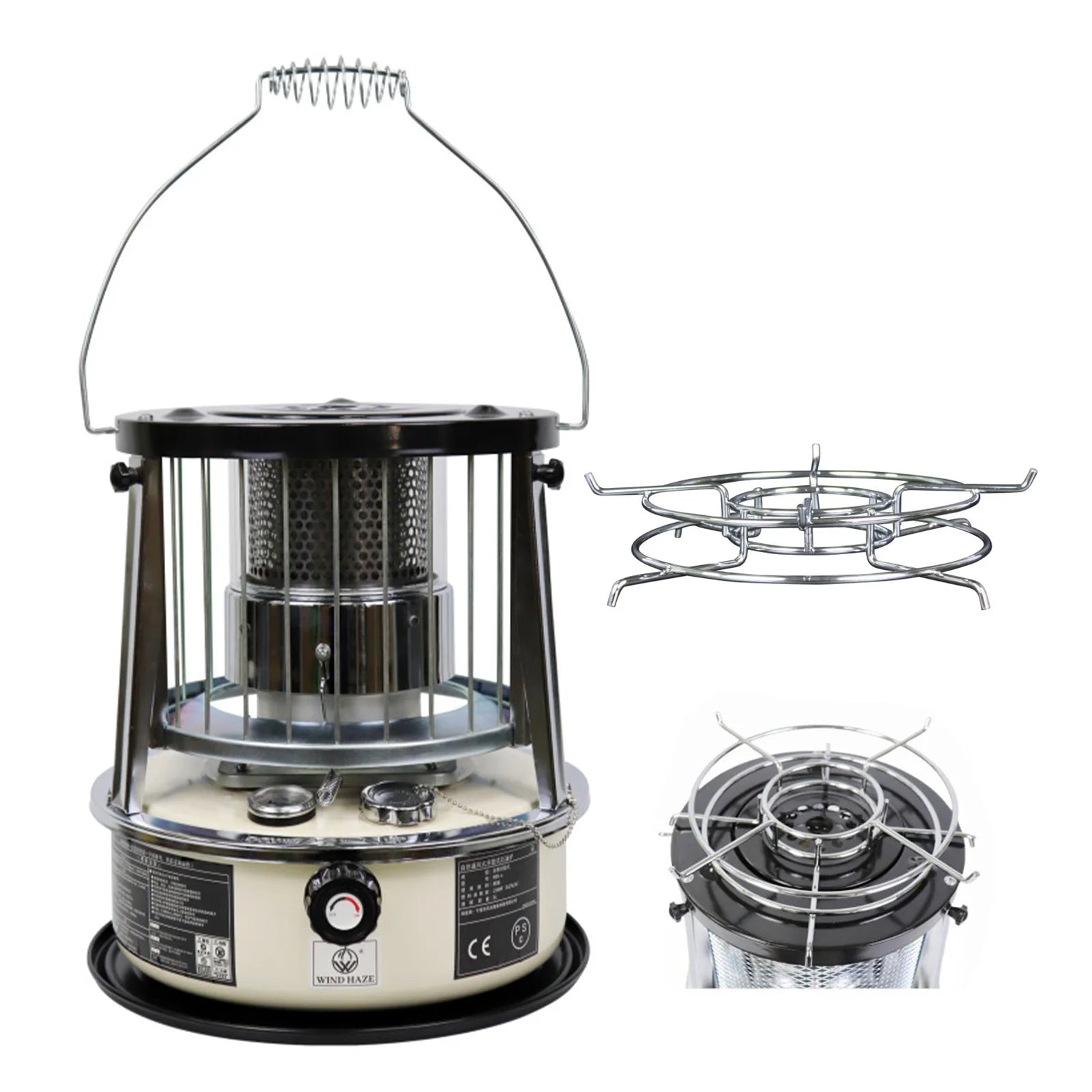
A practical heater non electric setup for calm, quiet warmth.
What Is a No Electricity Heater and When Do You Need One?
A no electricity heater produces heat without relying on household electrical power. Instead, it may use propane, kerosene, wood, pellets, catalytic technology, or stored thermal energy. These heaters are valuable during prolonged blackouts, winter storms, off-grid living, cabins, RV trips, workshops, and emergency preparedness planning.
While many models provide enough heat for one room, they are not always designed to replace an entire central heating system. Choosing the right size and fuel type helps set realistic expectations for heat output and runtime.
- Excellent for emergency heater without power situations.
- Useful for cabins, garages, workshops, and camping.
- Provides targeted room heating instead of whole-home heating.
- Can reduce reliance on electric backup systems.
How Heating Without Electricity Works
Understanding how different heating technologies generate warmth makes it easier to select the safest and most efficient option for your situation.
Radiant Heat
Radiant heaters warm nearby people and objects directly instead of heating all the surrounding air. This makes them effective for spot heating and quicker comfort in occupied spaces.
Catalytic Heating
Catalytic heaters generate heat through a chemical reaction rather than an open flame. Many indoor-rated catalytic models operate quietly, consume fuel efficiently, and produce gentle, even warmth.
Combustion-Based Heating
Propane, kerosene, wood, and pellet heaters burn fuel to generate substantial heat output. These systems generally provide the highest heating capacity but require proper ventilation, fuel storage, and careful operation.
Passive Heat Retention
Passive heating doesn't create new heat. Instead, it conserves existing warmth using insulated rooms, thermal mass materials such as brick or water, heavy curtains, and draft reduction. Combining passive methods with indoor heating without electricity greatly improves overall efficiency.
Best No-Electric Heating Options Compared
Propane Radiant Heaters
Portable propane heaters deliver fast, powerful warmth and are among the most popular choices for emergency heating. Indoor-approved models work well in medium-sized rooms when manufacturer ventilation requirements are followed.
Cons: Requires propane refills and carbon monoxide awareness.
Catalytic Heaters
Catalytic heaters operate quietly while consuming fuel efficiently. They provide steady radiant warmth and are often preferred for RVs, cabins, and enclosed spaces designed for indoor use.
Kerosene Heaters
Kerosene heaters produce consistent heat for many hours and remain a dependable option during extended outages. Proper fuel handling and ventilation are essential for safe operation.
Wood & Pellet Stoves
Wood-burning and pellet stoves offer excellent long-term heating for homes equipped with proper chimneys or venting systems. Although installation costs are higher, they provide dependable heat during prolonged outages.
Passive Heating Methods
Heavy blankets, insulated rooms, thermal curtains, and solar heat gain help reduce overall heat loss. These methods work best alongside an active non electric heater rather than replacing one entirely.
Indoor-Safe vs Outdoor-Only Heating Options
Not every heater without electricity is designed for indoor operation.
- Indoor-safe choices: Indoor-rated propane heaters, catalytic heaters, approved kerosene heaters, and properly installed wood stoves.
- Outdoor-only equipment: Fire pits, charcoal grills, patio heaters, camp stoves, and barbecue grills should never be used indoors because they produce dangerous carbon monoxide.
- Always verify certifications before operating any heater inside your home.
- Never use unapproved outdoor equipment inside apartments, garages attached to homes, tents, or enclosed spaces.
How to Choose the Right No Electricity Heater
Match Heater to Your Scenario
- Power outages: indoor-rated propane or kerosene heaters.
- Camping: compact propane heaters designed for tents or outdoor shelters.
- Cabins: catalytic heaters or wood stoves.
- Garages and workshops: larger radiant propane models with appropriate ventilation.
BTU and Room Size
Heating capacity is measured in BTUs. Larger rooms require higher BTU ratings, while oversized heaters may waste fuel in small spaces. Matching heater output to room size improves comfort and efficiency.
Fuel Availability
Consider which fuel you can reliably store and replenish during emergencies. Propane cylinders, kerosene containers, firewood, and pellets each have different storage requirements.
Runtime and Portability
If frequent movement is important, lightweight propane or catalytic models are easier to transport. For long outages, prioritize fuel efficiency and extended runtime over portability.
How to Set Up a Non-Electric Heater Safely
A non electric heater performs best when installed thoughtfully and monitored throughout use.
Location and Clearance
- Choose a smaller room to conserve heat.
- Keep at least three feet of clearance around the heater.
- Place the heater on a stable, nonflammable surface.
- Seal drafts with towels, weather stripping, or insulated curtains.
Fuel Preparation
Inspect fuel containers before use, refill only when the heater is cool, and use the correct fuel recommended by the manufacturer.
Lighting and Shutdown
Follow manufacturer instructions exactly for ignition and shutdown. Never use accelerants or substitute fuels.
Daily Safety Checks
- Inspect for fuel leaks.
- Verify ventilation remains unobstructed.
- Test nearby carbon monoxide detectors.
- Never leave operating heaters unattended.
For added comfort, many households pair warmth routines with self-care habits from the Lifestyle collection, creating a calm, cozy environment during winter nights.
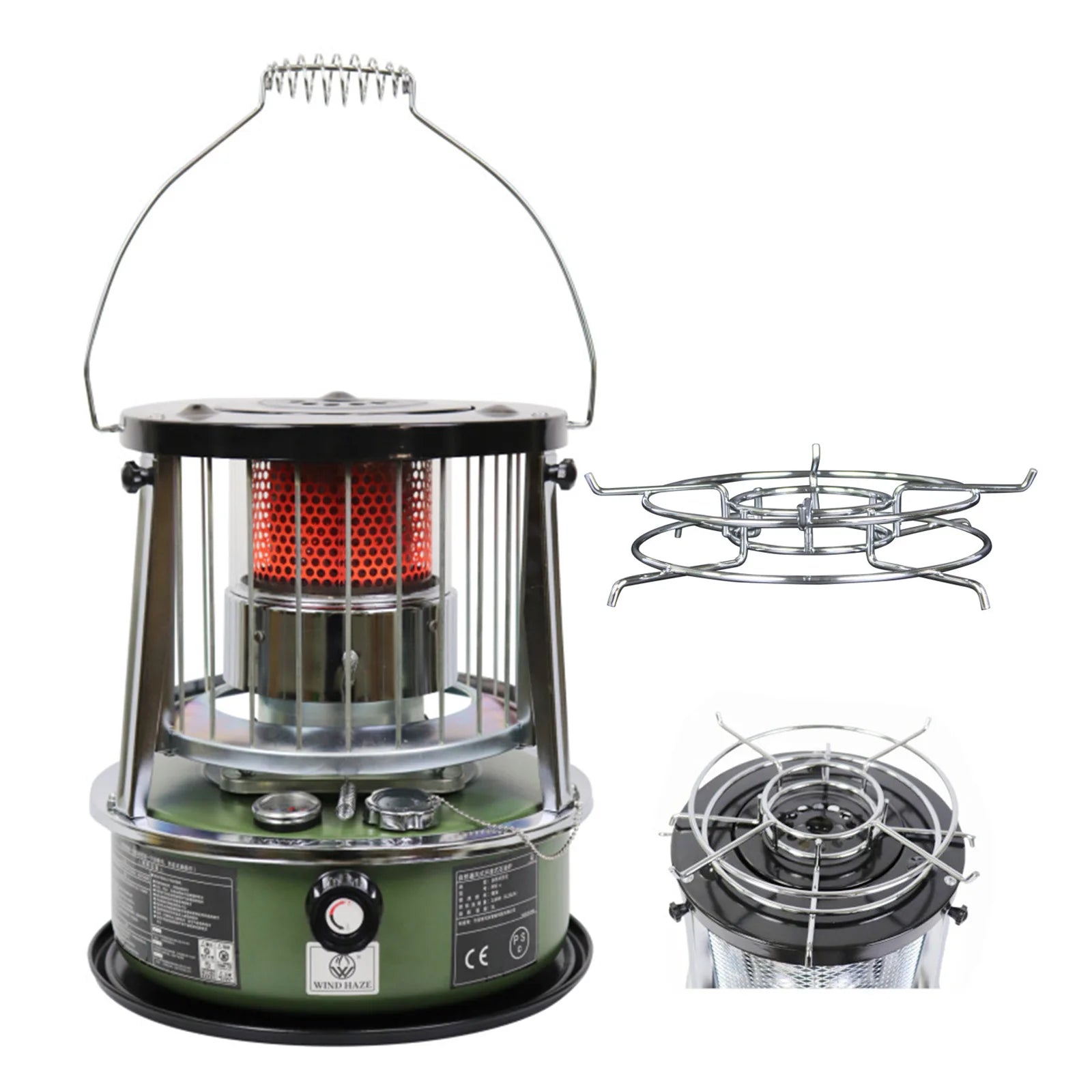
Layered warmth using a no electricity heat source.
You can explore complementary comfort tools within the Body Care and Health Devices collection to maintain wellbeing during cold spells.
Essential Safety Guidelines
Carbon Monoxide and Ventilation
Combustion heaters can produce carbon monoxide. Always operate indoor heaters according to manufacturer ventilation requirements and install functioning carbon monoxide detectors on every occupied level of the home.
Fire Prevention
Keep heaters away from curtains, furniture, paper, bedding, and other combustible materials. Turn heaters off before sleeping unless specifically approved by the manufacturer for overnight operation.
Children and Pets
Create a safety zone around the heater to prevent accidental burns or tip-overs. Use protective barriers whenever possible.
Storage and Maintenance
Store propane cylinders and kerosene containers according to local safety regulations. Inspect burners, seals, ignition systems, and fuel lines before each heating season.
Emergency Heating Without Power Beyond Heaters
Insulation Strategies
Close unused rooms, hang heavy curtains, block drafts, and insulate windows to reduce heat loss.
Hot Water Bottles and Blankets
Heated water bottles, layered blankets, and insulated sleeping bags provide localized warmth while reducing overall fuel consumption.
Room Isolation
Concentrate household activities into one well-insulated room to maximize heating efficiency and reduce fuel use.
Body Heat Conservation
Dress in moisture-wicking base layers, insulating middle layers, warm socks, hats, and gloves. Proper clothing significantly reduces the amount of supplemental heat required.
Comparison Table of Common No-Electric Heating Solutions
| Heating Option | Fuel | Typical Runtime | Indoor Safety | Best Use Case | Maintenance |
|---|---|---|---|---|---|
| Propane Radiant Heater | Propane | 6–12 hours | Indoor-rated models with ventilation | Power outages | Low |
| Catalytic Heater | Propane | 8–14 hours | Indoor-rated models | Cabins & RVs | Low |
| Kerosene Heater | Kerosene | 8–15 hours | Requires ventilation | Extended emergencies | Moderate |
| Wood Stove | Firewood | As fuel is added | Professionally installed | Whole-room heating | High |
| Passive Heating | None | Continuous | Very safe | Heat conservation | Minimal |
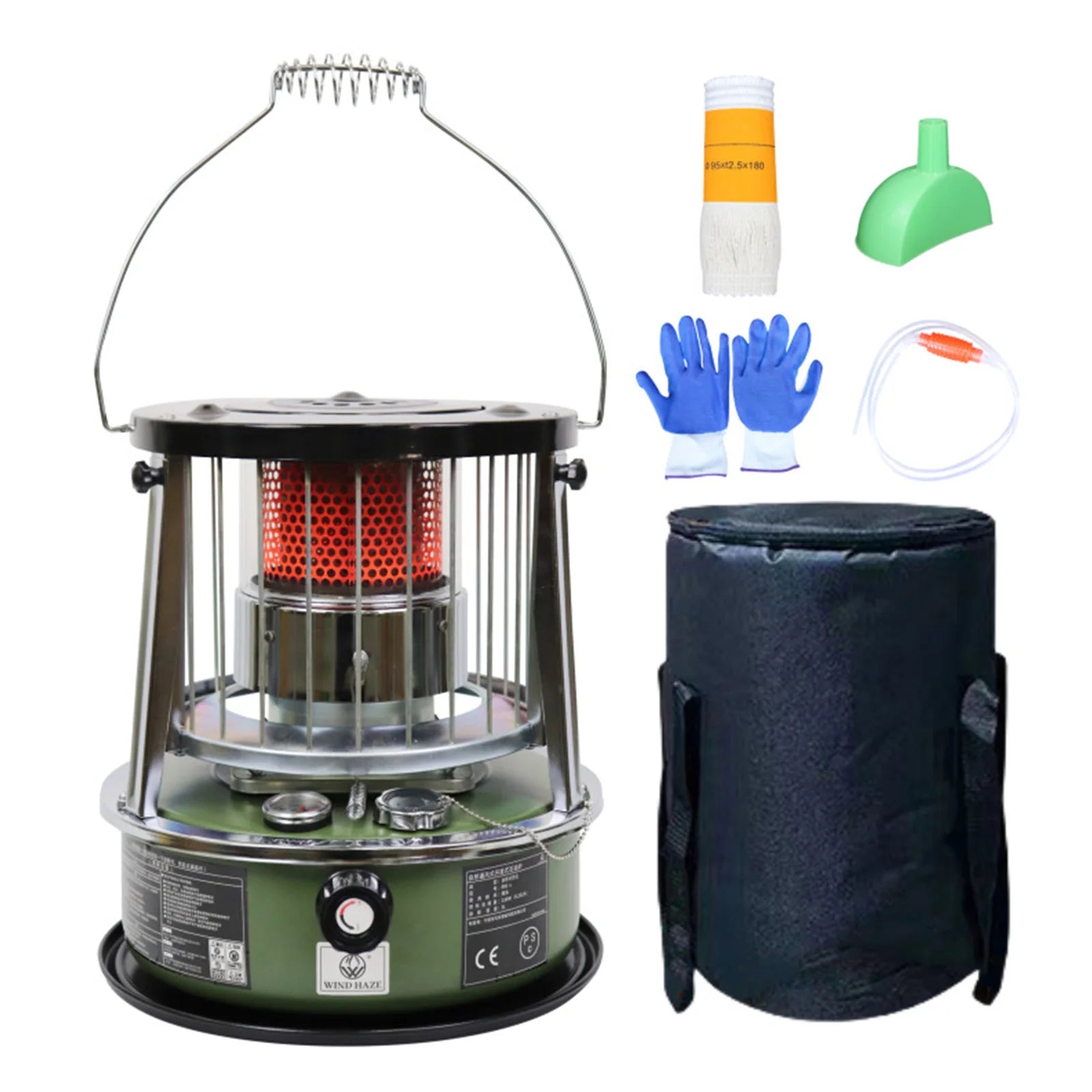
Trusted backup heating for power outages.
Frequently Asked Questions
What is the safest no electricity heater for indoor use?
Indoor-rated catalytic heaters, approved propane radiant heaters, properly vented wood stoves, and indoor-approved kerosene heaters are among the safest options when used exactly as instructed and paired with carbon monoxide detectors.
Can you heat a house without electricity?
Yes. Wood stoves, pellet stoves, propane heaters, and kerosene heaters can provide effective heating without electricity. Passive insulation techniques further improve comfort by reducing heat loss.
Do all non-electric heaters produce carbon monoxide?
Any heater that burns fuel can produce carbon monoxide. Passive heating methods do not. Proper ventilation and functioning CO detectors are essential whenever combustion heaters are used indoors.
How many BTUs do I need during a power outage?
BTU requirements depend on room size, insulation quality, ceiling height, and outdoor temperatures. Heating only occupied rooms is generally more efficient than attempting to heat an entire home.
Is propane or kerosene better for emergency heating?
Propane heaters typically offer cleaner operation and simpler fuel storage, while kerosene heaters often provide longer continuous runtime. The best choice depends on fuel availability and your heating needs.
Can I use a no electricity heater in an apartment?
Only if apartment rules allow it and the heater is specifically approved for indoor residential use. Always follow ventilation requirements and local fire safety regulations.
What is the best backup heating for power outages?
For most households, an indoor-rated propane heater or kerosene heater combined with insulation improvements, warm bedding, and emergency supplies provides dependable backup heating.
How long can a non-electric heater run on one fuel tank?
Runtime varies by heater size, fuel capacity, and output level. Many portable propane and kerosene heaters operate between 6 and 15 hours before refueling.
Related Guide: Kerosene Heater Safety Guide for Confident Indoor Heating