

Do heated winter coats really work in extreme cold?
Yes—when used correctly. A heated winter coat combines traditional insulation with battery-powered heating elements to actively warm your core instead of relying only on trapped body heat. Quality models can provide consistent warmth for approximately 6–8 hours on medium settings, helping reduce bulky layering while improving comfort during commutes, outdoor work, and winter recreation in temperatures down to around -15°F (-26°C).
How heated insulation differs from traditional insulation
Conventional winter jackets slow heat loss by trapping warm air inside insulating materials. A heated winter coat goes a step further by generating warmth through built-in carbon fiber or graphene heating panels. This active heating helps restore warmth faster after stepping outdoors and keeps your chest and back comfortable during long periods of inactivity.
Rather than replacing insulation, heating technology works alongside it. The best winter jacket for extreme cold still includes wind-resistant fabrics, quality insulation, and adjustable heating levels so you can adapt to changing weather conditions.
Who benefits most from heated winter clothing
Winter heated clothing is especially valuable for people who spend extended time outdoors or frequently transition between heated indoor spaces and freezing temperatures. Ideal users include:
- Daily commuters waiting for public transportation
- Outdoor workers exposed to cold throughout the day
- Hikers, campers, and skiers taking frequent rest breaks
- Travelers visiting snowy destinations
- People who naturally feel cold even with multiple layers
Choosing the right heated jacket depends on how and where you'll wear it. The recommendations below compare the best options by activity, battery performance, and cold-weather capability.
Heated Winter Coat: Best Heated Jackets for Extreme Cold (2026 Buyer’s Guide)
Modern heated winter coats are transforming how people stay warm in cold environments. Instead of relying solely on insulation, these jackets actively generate heat, making them ideal for commuting, outdoor work, and extreme weather adventures. This guide breaks down performance, comparisons, safety, and how to choose the best heated jacket for your needs.
⏱ 6 min read
Explore the heated jacket here

Heating winter coat delivering warmth from commute to mountains — See it in action
Best Heated Winter Coats (Tested & Compared for 2026)
Best overall heated winter coat
The strongest all-around models balance battery life, heating coverage, weather protection, and everyday comfort. Look for 3–5 heating zones, multiple temperature settings, windproof construction, and a battery capable of lasting a full day on medium heat. These jackets suit commuters, travelers, and outdoor enthusiasts who need one dependable solution.
Pros: Excellent versatility, balanced warmth, reliable runtime.
Cons: Typically priced higher than entry-level models.
Best for: Most users wanting one jacket for multiple winter activities.
Best heated jacket with hood
A heated jacket with hood provides additional protection against snow, freezing wind, and sleet. Models featuring an insulated hood and heated collar help reduce heat loss around the neck, making them ideal for exposed environments.
Best for: Windy cities, hiking trails, and winter travel.
Best battery heated jacket for commuting
Commuters benefit most from lightweight jackets that warm up within seconds and deliver 6–10 hours of runtime. Breathable fabrics improve comfort when moving between outdoor temperatures and heated offices or public transportation.
Best for: Daily travel, walking, cycling, and public transit.
Best heated jacket for extreme cold (-20°C+)
The best heated jacket for extreme cold combines thicker insulation, reinforced heating panels, weatherproof construction, and higher-capacity batteries. These jackets perform well during extended exposure in alpine environments, ice fishing, snowmobiling, and other demanding winter activities.
Best for: Mountain expeditions, prolonged outdoor exposure, and severe winter weather.
Best budget electric heated winter jacket
Budget-friendly models typically include fewer heating zones and smaller batteries but still provide noticeably greater comfort than conventional insulated jackets. They're an excellent choice for occasional winter use or shorter outdoor trips.
Best for: Casual winter wear and value-conscious buyers.
Best heated outdoor jacket for work
Workers in construction, logistics, agriculture, or maintenance should prioritize abrasion-resistant fabrics, durable zippers, long battery life, and unrestricted movement. A rugged heated outdoor jacket helps maintain comfort during full shifts without excessive layering.
Best heated jacket for mountains
Mountain users should prioritize waterproof shells, adjustable cuffs, helmet-compatible hoods, and dependable battery performance in freezing temperatures. Pairing a heated jacket with proper layering provides the best protection during changing alpine weather.
Heated Jacket Comparison Table (Battery, Heating Zones, Materials)
Use this comparison to identify which heated winter coat best matches your climate, activity level, and budget.
Battery life comparison
Runtime varies depending on battery size and selected heat level. Most quality jackets provide 4–10 hours of operation, with medium settings offering the best balance between warmth and endurance.
Heating coverage comparison
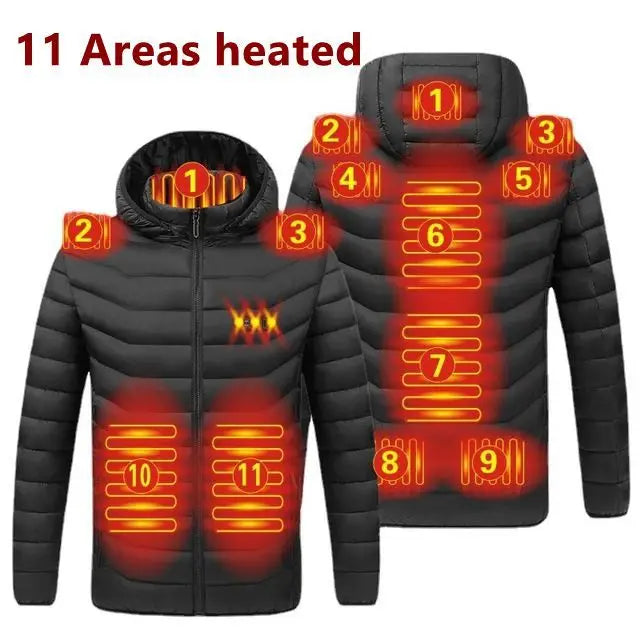
Three heating zones are common, while premium models expand warmth to the collar, shoulders, or pockets for more even heat distribution.
Weather protection comparison
Softshell jackets emphasize flexibility and breathability, whereas insulated waterproof shells deliver better protection in snow, wind, and prolonged cold exposure.
| Feature | Heating Winter Coat | Traditional Winter Jacket |
|---|---|---|
| Warmth Control | Adjustable heat levels | Fixed insulation |
| Battery Runtime | Typically 4–10 hours | Not applicable |
| Heating Coverage | Chest, back, collar (model dependent) | Passive insulation only |
| Layering Needed | Minimal | Heavy layering |
| Weight | Lightweight | Often bulkier |
| Extreme Cold Comfort | High | Moderate |
| Weather Protection | Usually windproof and water-resistant | Varies by model |
| Warranty | Typically 1–2 years (manufacturer dependent) | Varies |
| Price | Higher initial investment | Generally lower upfront cost |
For a complete cold-weather setup, pairing your coat with Lifestyle essentials or following a winter layering guide can further improve comfort and insulation.
How does a heated jacket work? (Technology Explained Simply)
A heated winter coat uses built-in carbon fiber or graphene heating elements powered by a rechargeable battery pack. These heating panels are strategically placed across the chest, back, and sometimes the collar to distribute warmth evenly.
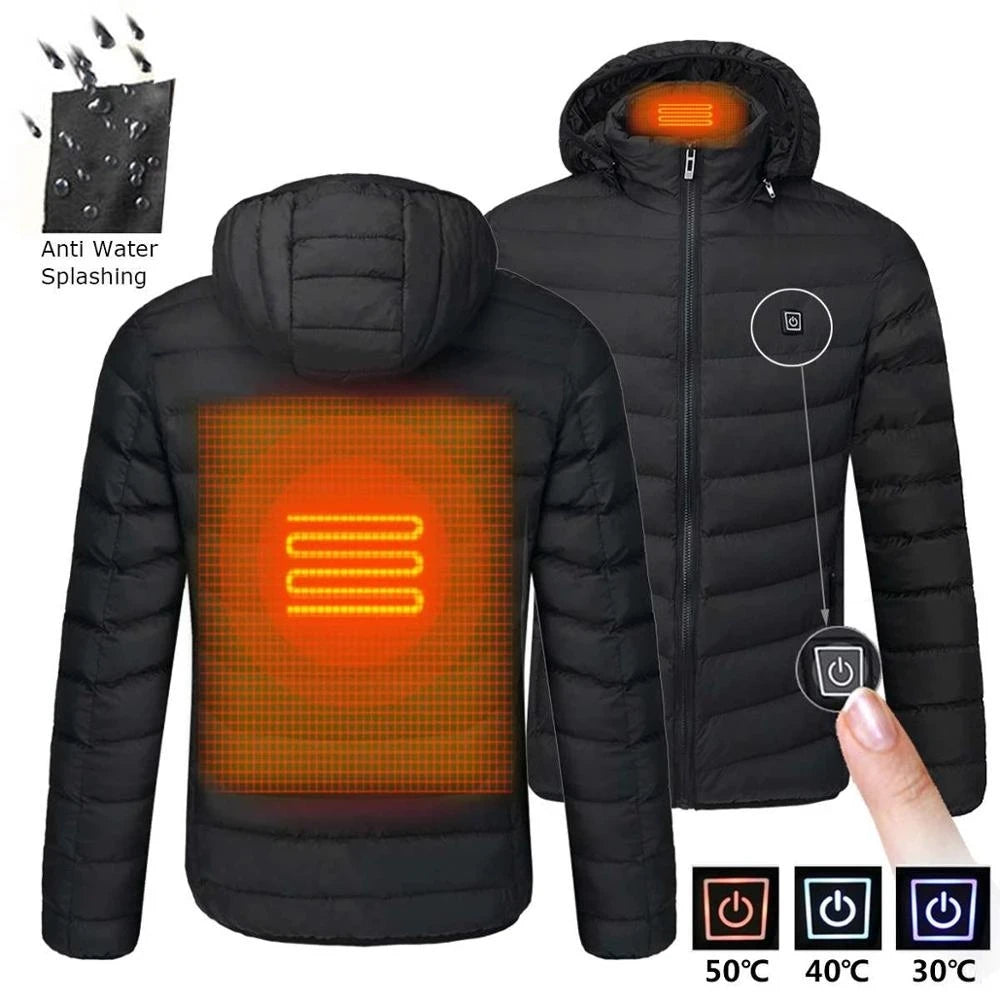
When activated, electrical current flows through the heating elements, generating heat within seconds. Most battery heated jackets offer multiple temperature settings, allowing users to adjust warmth depending on weather conditions.
- Heating elements: ultra-thin, flexible, and safe
- Power source: rechargeable lithium-ion battery
- Control: button or app-based temperature adjustment
Real-World Performance: Commute, Work, and Mountain Testing
Urban commuting in freezing conditions
During daily commutes in sub-zero temperatures, heated coats provide consistent warmth without bulky layering. Low to medium heat settings are typically enough for 30–60 minute exposure while helping maintain comfort during waits and transit.
Outdoor work & long exposure
For construction, delivery, farming, or utility work, heated jackets help maintain core warmth throughout extended outdoor shifts. Durable shells and larger batteries improve all-day usability while allowing greater freedom of movement than heavy insulated parkas.
Mountain and extreme weather performance
In alpine environments, heated jackets reduce heat loss during chairlift rides, rest breaks, or periods of low activity. For the best performance in severe conditions, combine the jacket with moisture-wicking base layers and windproof outer protection.
Battery performance in sub-zero temperatures
Like all lithium-ion batteries, heated jacket batteries perform best when kept relatively warm. Extremely cold temperatures may reduce runtime compared with manufacturer estimates. Carrying a fully charged spare battery can extend operating time during long outdoor adventures.
Heated jacket with hood blocking wind during outdoor work — See it in action
Are heated jackets safe? What you need to know
Modern electric heated winter jackets are designed with multiple safety features, making them safe for everyday use in cold environments.
Quality lithium-ion batteries include protection against overcharging, short circuits, and excessive discharge. Always use the manufacturer's approved charger.
Overheating protection
- Automatic temperature regulation prevents excessive heat buildup.
- Multiple heat settings allow comfortable adjustment throughout the day.
Weather and moisture safety
- Water-resistant wiring helps protect electronics in snow or light rain.
- Low-voltage systems minimize electrical risk during normal use.
As long as you follow manufacturer guidelines, heated jackets are safe for commuting, outdoor work, and winter sports.
How to choose the best heated winter coat (Buyer’s Guide)
Battery life & charging time
Select a battery heated jacket that provides at least 6–8 hours of operation at medium heat. Faster charging is especially valuable for everyday use.
Heating zones & temperature control
Look for evenly distributed heating panels across the chest and back, along with adjustable temperature settings for changing weather.
Materials & weather resistance
Choose windproof, water-resistant fabrics with durable insulation. Outdoor workers and hikers should prioritize weather protection over minimal weight.
Fit, weight & layering compatibility
A properly fitted jacket should allow easy movement while leaving enough room for moisture-wicking base layers without feeling bulky.
Warranty and replacement batteries
Before purchasing, check battery availability, replacement cost, warranty coverage, and customer support. Readily available replacement batteries can significantly extend the useful life of your heated winter coat.
For full winter protection, consider combining your coat with heated gloves or layering systems from Body Care and Health Devices.
Who should buy a heated winter coat?
Commuters
A heated coat for commuting reduces the need for bulky layers while keeping you comfortable during train platforms, bus stops, and long walks.
Outdoor workers
Workers who spend hours outside benefit from consistent core warmth that improves comfort without restricting movement.
Hikers and skiers
Outdoor enthusiasts appreciate active warmth during rest stops, chairlift rides, and changing mountain conditions.
People sensitive to cold
Anyone who frequently feels cold despite wearing insulated clothing may find heated winter clothing significantly more comfortable during everyday winter activities.
A heated jacket may not be necessary if you only experience mild winters or spend very little time outdoors, where a quality insulated coat may provide sufficient warmth.
Heating winter coat built for extreme cold weather adventures — See it in action
Secure your heated winter coat today
Heated Winter Coat Care, Washing & Battery Maintenance
How to wash safely
Always remove the battery before cleaning. Zip all pockets, secure fasteners, and follow the care label instructions. Many electric heated winter jackets can be machine washed on a gentle cycle, but avoid bleach, fabric softeners, and high-heat drying.
Battery storage tips
Store batteries in a cool, dry location away from direct sunlight. If you won't use the jacket for several months, recharge the battery to around 40–60% before storage and check it periodically.
Extending battery lifespan
Avoid completely draining the battery after every use. Regular charging, moderate storage temperatures, and using the recommended charger can help maintain battery capacity over many winter seasons.
FAQ: Heated Winter Coat Questions Answered
What is the best heated winter coat for extreme cold?
The best models combine quality insulation, multiple heating zones, long battery life, and windproof, water-resistant construction. Match the jacket to your primary activity rather than choosing solely by maximum temperature claims.
How many hours does a battery heated jacket last?
Most heated jackets operate for 4 to 10 hours depending on battery capacity, outdoor temperature, and selected heat level.
Can heated jackets be worn in snow or rain?
Yes. Most heated jackets are designed to handle snow and light rain thanks to water-resistant fabrics and protected wiring. They should not be fully submerged.
Are heated jackets safe for everyday use?
Yes. Modern jackets include low-voltage heating systems and built-in safety protections that make them suitable for regular commuting, work, and outdoor recreation when used according to manufacturer instructions.
Can you wash an electric heated winter jacket?
Many models are machine washable after removing the battery pack. Always follow the specific care instructions provided by the manufacturer.
Is a heated jacket warm without the battery?
Yes. Most heated jackets still contain insulating materials that provide warmth even when the heating system is turned off, although active heating offers additional comfort in colder conditions.
Which heated jacket is best for commuting?
Lightweight models with 6–10 hours of battery life, adjustable heat settings, and weather-resistant shells are typically the best choice for everyday commuting.
What should I look for when buying a heated winter coat?
Prioritize battery runtime, heating coverage, weather resistance, comfort, fit, warranty, and replacement battery availability instead of focusing only on the number of heating zones.
Final takeaway: A heated winter coat offers more than extra warmth—it provides adjustable comfort, greater mobility, and improved temperature control across a wide range of winter activities. Whether you're commuting, working outdoors, hiking mountain trails, or traveling in freezing climates, choosing the right model can make cold-weather outings safer and more enjoyable.
Shop the heated winter coat now
Related Guide: Heated Winter Coats Review: Real Results After 30 Days













