

How to Treat Dry Cracked Heels at Home
Learn medically backed methods to soften, exfoliate, and heal dry, cracked heels without leaving home. This guide explains what causes heel cracks, the best treatment ingredients, step-by-step home care, prevention strategies, and when it's time to seek professional medical advice.
⏱ 7 min read — Rough heels, cracked skin, and stubborn buildup can make even the most confident person hide their feet. Whether your heels feel dry during winter or develop thick calluses from standing all day, a consistent home routine can significantly improve skin texture and comfort without frequent salon visits.
Explore modern foot care tools designed to gently remove rough skin and keep heels smooth.
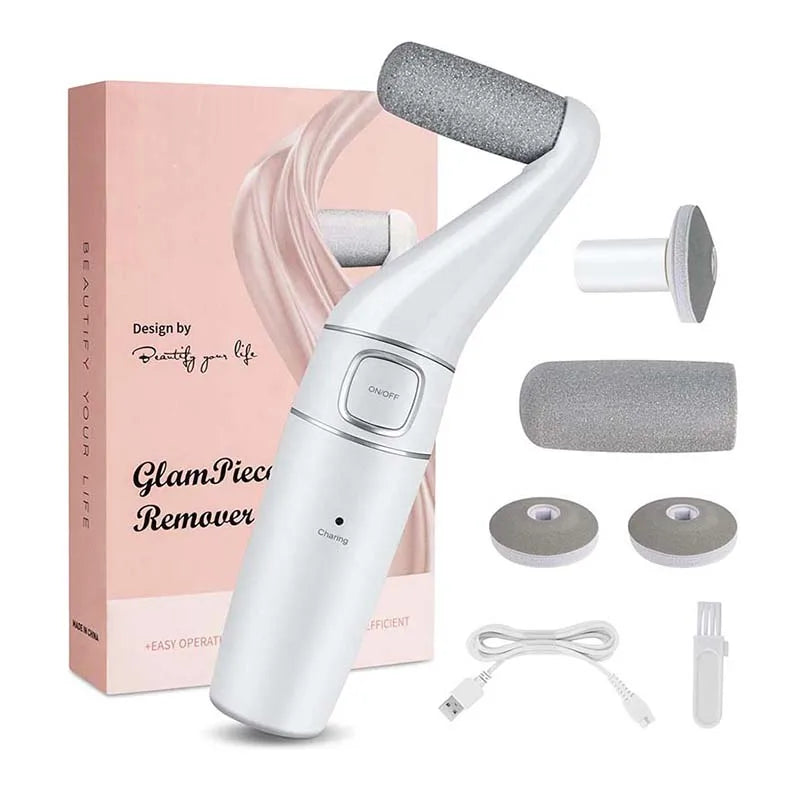
Smooth results start at home — treat dry, cracked heels with confidence. See it in action.
Quick Treatment Summary for Dry Cracked Heels at Home
Daily Treatment Routine
- Wash and dry feet thoroughly.
- Apply a moisturizer containing urea, glycerin, or petrolatum.
- Wear breathable cotton socks overnight to lock in hydration.
- Avoid walking barefoot on hard floors while cracks heal.
Weekly Maintenance Schedule
- Gently exfoliate hardened skin 1–3 times weekly.
- Inspect heels for deep cracks or signs of irritation.
- Replace worn footwear that increases pressure on the heel.
Expected Healing Timeline
Minor dryness often improves within several days of consistent care. Moderate heel cracks typically begin improving after one to two weeks, while severe fissures may require several weeks plus evaluation by a healthcare provider if pain, bleeding, or infection develops.
Understanding Dry Cracked Heels: Causes & Risk Factors
What Causes Dry Cracked Heels?
Dry cracked heels develop when the skin barrier loses moisture and flexibility. As skin becomes thicker and less elastic, everyday pressure from standing or walking causes it to split. Common causes include:
- Thick callus buildup
- Dry climates or low indoor humidity
- Open-back shoes and excessive friction
- Frequent standing on hard surfaces
- Aging skin with reduced natural oil production
- Poor hydration and certain nutritional deficiencies
Who Is at Higher Risk?
Older adults, people with diabetes, eczema, psoriasis, obesity, hypothyroidism, or poor circulation are more likely to develop persistent heel cracks. Pregnancy, occupations requiring prolonged standing, and repeated exposure to water may also contribute.
How Heel Cracks Develop
Most cracked heels begin as simple dryness. Without regular moisturizing and gentle removal of thickened skin, calluses become increasingly rigid. Pressure during walking then creates small fissures that may deepen, becoming painful or prone to infection if left untreated.
Step-by-Step Home Treatments for Dry Cracked Heels
How to Soften Hard Heels Without Soaking
If you're wondering how to soften hard heels without soaking, focus on moisturizing instead of prolonged water exposure. Apply a rich cream containing urea or lactic acid directly onto clean, dry heels before bed, then wear cotton socks overnight. This helps restore moisture while preserving the skin barrier.
Safe Dry Foot Exfoliation Techniques
Once the skin has softened over several days, gently remove loose dead skin using a fine foot file, pumice stone, or controlled electric foot file. Avoid aggressive scraping or attempting to remove thick calluses in one session. Gentle, repeated exfoliation produces safer and longer-lasting results.
Choose the Right Moisturizer by Ingredient
| Ingredient | Best For | Main Benefit |
|---|---|---|
| Urea (10–25%) | Thick, dry heels | Softens hardened skin while improving hydration |
| Lactic acid | Rough texture | Gentle exfoliation and moisture retention |
| Petrolatum | Deep cracks | Seals moisture and protects healing skin |
| Glycerin | Daily maintenance | Draws water into the skin |
How to Heal Cracked Heels Fast
The fastest safe approach combines regular moisturizing, gentle exfoliation, supportive footwear, and avoiding barefoot walking. Although improvement may appear within a week, consistency is more important than aggressive treatment.
Daily Routine Checklist
- ✓ Moisturize every night.
- ✓ Exfoliate lightly only when needed.
- ✓ Wear supportive shoes during the day.
- ✓ Protect heels from excessive friction.
- ✓ Monitor deep cracks for signs of infection.
See how a cordless electric foot grinder simplifies each step safely.
Advanced Tools & Devices for Heel Care
When Tools Can Help
Electric foot files and callus removers can make routine maintenance easier by providing consistent exfoliation without requiring excessive pressure. They work best after several days of moisturizing rather than on extremely dry, painful fissures.
How to Use Them Safely
- Use light pressure and let the device do the work.
- Avoid treating open cracks or bleeding skin.
- Limit each session to a few minutes.
- Finish by applying a rich moisturizer immediately afterward.
Who Should Avoid Aggressive Exfoliation
Individuals with diabetes, peripheral neuropathy, poor circulation, or reduced foot sensation should avoid aggressive filing or cutting calluses at home unless instructed by a healthcare professional.
Using a USB rechargeable foot callus remover turns foot care into a quick, controlled routine. Its consistent speed helps remove dry skin evenly while the cordless design fits busy schedules.
- Even exfoliation without excessive pressure
- Multiple speed settings for different skin types
- No prolonged soaking required
- Supports long-term maintenance
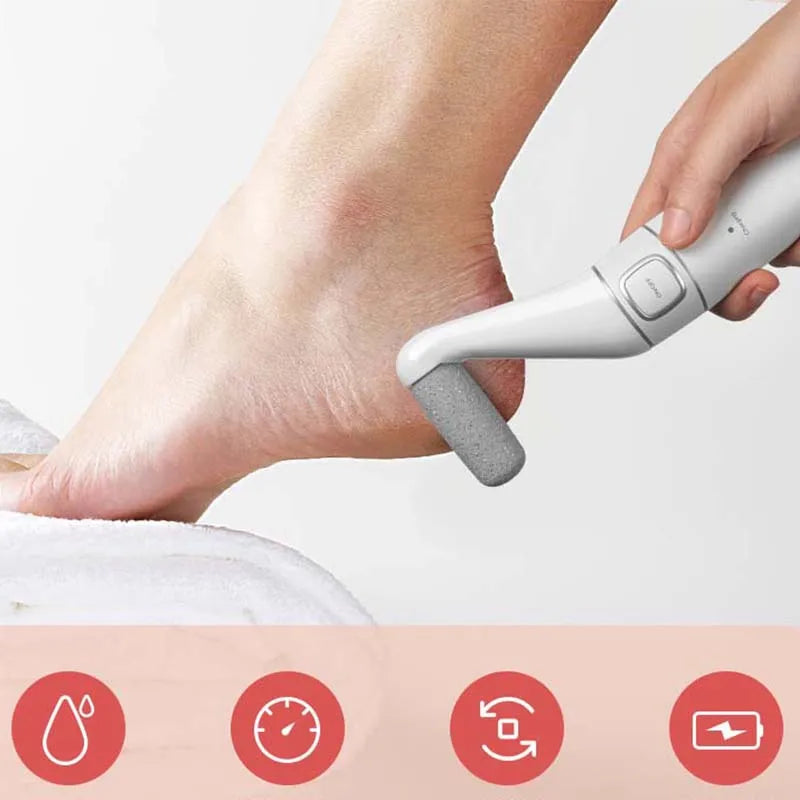
Consistent care removes rough heel skin without damage. See it in action.
Complement your routine with devices and products from Body Care and Health Devices to maintain results beyond exfoliation.
Best Ingredients for Healing Dry Cracked Heels
Urea
Urea is widely recommended because it hydrates while gradually softening thickened skin. Lower concentrations are suitable for maintenance, while higher concentrations are often reserved for thicker calluses.
Lactic Acid
Lactic acid gently exfoliates dead skin while helping retain moisture, making it ideal for rough, flaky heels.
Salicylic Acid
Salicylic acid helps loosen thick layers of dead skin. Use carefully, particularly if skin is sensitive or already irritated.
Glycerin and Petrolatum
These ingredients strengthen the skin barrier by attracting and sealing in moisture. They're especially useful overnight when combined with cotton socks.
Common Mistakes That Slow Healing
Over-Exfoliating
Removing too much skin at once may increase tenderness, delay healing, and encourage additional callus formation.
Skipping Moisturizer
Exfoliation without replacing lost moisture leaves the skin vulnerable to recurring dryness.
Walking Barefoot
Hard floors increase pressure across the heel, encouraging cracks to deepen before they fully heal.
Ignoring Deep Cracks
Painful, bleeding, or draining fissures should not be treated with repeated filing. Medical evaluation may be necessary to prevent infection.
Prevention & Maintenance for Healthy Heels
Daily Prevention Habits
- Moisturize every evening.
- Exfoliate lightly 1–2 times each week.
- Stay well hydrated.
- Inspect heels regularly for early dryness.
Choosing Supportive Footwear
Wear shoes with cushioned soles and enclosed heels whenever possible. Proper footwear reduces repetitive pressure and friction that contribute to cracking.
Seasonal Heel Care
Winter heating and summer sandals both increase the likelihood of dry heels. Increase moisturizing frequency during colder months and after extended outdoor activities.
Experience smoother heels with the KentDO Electric Foot Callus Remover .
Enhance your routine with self-care tips from the Beauty & Self-Care Blog and tools from Skin and Beauty Care Devices .
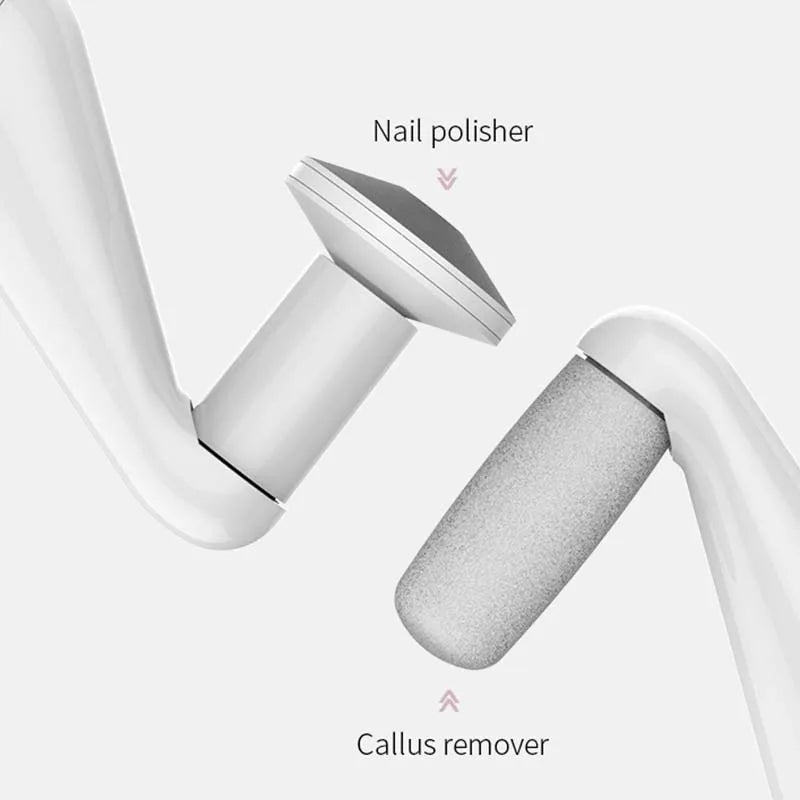
Confidence starts from the ground up — treat dry heels at home. See it in action.
When Home Treatment Is Not Enough
Signs You Need Medical Care
Seek medical attention if heel cracks bleed, become swollen, drain pus, produce increasing pain, or fail to improve after several weeks of consistent home care.
Diabetes and Poor Circulation
People with diabetes or reduced circulation should inspect their feet daily and consult their healthcare provider before using aggressive exfoliation tools, as healing may be slower and infection risk is higher.
Possible Skin Conditions
Persistent heel cracking may sometimes be linked to eczema, psoriasis, fungal infections, or other skin disorders that require prescription treatment rather than home remedies alone.
Frequently Asked Questions
How often should I treat my heels?
Moisturize daily and exfoliate one to three times each week depending on the amount of callus buildup. More frequent filing is not necessarily better.
Can I treat dry heels without soaking?
Yes. Many people successfully heal dry cracked heels at home using moisturizers, overnight socks, and gentle dry exfoliation without prolonged soaking.
How to fix cracked heels naturally?
Natural emollients such as shea butter and coconut oil can improve hydration. Combining them with gentle removal of loose dead skin often produces the best results.
When should I see a doctor?
See a healthcare professional if cracks bleed, become infected, remain painful despite home care, or if you have diabetes, poor circulation, or reduced foot sensation.
How long does it take cracked heels to heal at home?
Mild cases may improve within several days, while moderate cracks often require one to three weeks of consistent daily care.
What is the fastest way to heal cracked heels?
The most effective approach combines daily moisturizing, gentle exfoliation, supportive footwear, and protecting the heels from excessive pressure and friction.
What ingredients work best for cracked heels?
Urea, lactic acid, glycerin, and petrolatum have strong evidence supporting their ability to hydrate, soften thick skin, and restore the skin barrier.
Should I remove dead skin from cracked heels?
Yes, but only gradually. Remove loose dead skin with gentle exfoliation after moisturizing. Avoid cutting or aggressively scraping thick calluses.
Can diabetes make cracked heels harder to heal?
Yes. Diabetes can reduce circulation and sensation, increasing healing time and infection risk. Extra caution and regular foot inspections are recommended.
Is it safe to use an electric foot file on cracked heels?
It can be safe for mild callus buildup when used correctly, but avoid using it directly over deep, open, or bleeding cracks.
Why do my cracked heels keep coming back?
Recurring cracked heels usually result from ongoing pressure, inadequate moisturizing, improper footwear, repeated barefoot walking, or underlying medical conditions.
Related Guide: How to Remove Foot Calluses Safely at Home













