

Do heel cushioning insoles for athletes really reduce joint stress?
Yes. Heel cushioning insoles for athletes help reduce joint stress by absorbing and dispersing impact forces generated during heel strike. During running, jumping, and court sports, each landing sends force from the heel through the ankles, knees, hips, and lower back. Quality shock absorbing insoles spread these forces across a larger surface area, lowering peak pressure on joints, improving comfort, and reducing foot fatigue. While they cannot correct every cause of pain, properly fitted heel cushioning insoles can support healthier biomechanics, especially when paired with supportive footwear and appropriate training habits.
Heel Cushioning Insoles: Best Picks for Shock Absorption, Joint Pain Relief & Athletic Performance
⏱ 6 min read
Heel cushioning insoles can make a noticeable difference when repetitive impact starts affecting your workouts. Whether you're a runner, gym athlete, or someone who spends hours on hard surfaces, the right insole helps absorb shock before it travels through your joints. This guide explains how insoles reduce joint stress, what features matter most, and how to choose the best option for better comfort, recovery, and long-term performance.
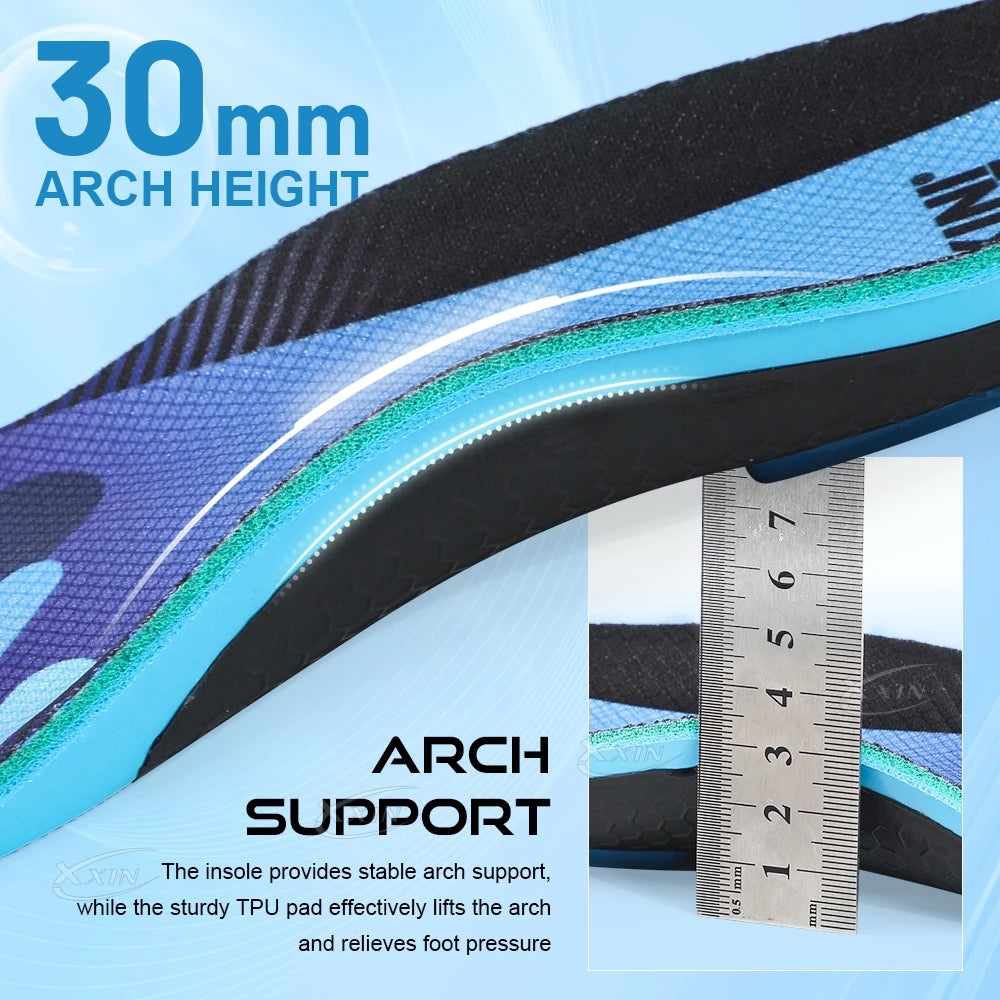
Heel cushioning insoles absorbing joint impact at heel strike See it in action
Why Joint Impact Matters for Athletic Performance
Every step begins where the foot meets the ground. During running and high-impact training, impact forces travel from the heel through the ankles, knees, hips, and spine. When this loading is repeated thousands of times each week, muscles and connective tissues must absorb substantial stress, increasing fatigue and slowing recovery.
Poor impact management often shows up as:
- Foot fatigue earlier in training sessions
- Knee soreness after running or jumping workouts
- Reduced stability and power late in exercise
- Longer recovery between workouts
One of the most common causes is worn-out footwear. As midsoles compress with use, they lose much of their ability to absorb shock, allowing more force to reach the joints. Impact reducing insoles restore an additional cushioning layer where heel strike begins, helping improve comfort and making them one of the best insoles for foot fatigue when replacing shoes isn't immediately practical.
Best Heel Cushioning Insoles (Tested & Compared for 2026)
To compare the most common heel cushioning insoles objectively, we evaluated each category using the criteria that matter most to athletes and active users: shock absorption, stability, durability, compatibility with different shoe types, and overall value. Rather than ranking individual brands, the comparison focuses on insole technologies and the situations where each performs best.
Testing Methodology
Each insole type was assessed based on:
- Impact absorption during walking, running, and training
- Support and stability under repeated loading
- Long-term durability with regular use
- Compatibility with athletic and casual footwear
- Overall suitability for specific user needs
Performance Comparison Table (Cushioning, Stability, Durability, Shoe Compatibility, Best Use)
| Insole Type | Cushioning | Stability | Durability | Shoe Compatibility | Best Use |
|---|---|---|---|---|---|
| Gel Cushion Insoles | Excellent | Moderate | High | Running shoes, trainers | Running, impact reduction, knee discomfort |
| Memory Foam Insoles | Very Good | Moderate | Moderate | Casual and work shoes | Foot fatigue, prolonged standing |
| Dual-Layer Foam Insoles | Excellent | High | High | Most athletic footwear | Sports training and everyday performance |
| Air Cushion Insoles | Good | Moderate | Moderate | Running and cross-training shoes | Dynamic movement and high-impact activities |
Best Overall Heel Cushioning Insoles
Dual-layer foam heel cushioning insoles offer the best balance of comfort, stability, and long-term durability. The combination of softer upper cushioning with a firmer support layer helps absorb repetitive impacts without feeling unstable, making this design suitable for recreational exercisers and competitive athletes alike.
Pros:
- Balanced cushioning and support
- Suitable for multiple sports
- Long-lasting performance
Cons:
- Typically costs more than basic foam models
- May require minor trimming for an exact fit
Best for Running & Knee Pain Relief
Gel-based shock absorbing insoles remain one of the most effective choices for runners. Their ability to dissipate heel-strike forces helps reduce the stress transmitted to the knees during repetitive miles while maintaining a comfortable ride on pavement and other firm surfaces.
They are especially well suited for runners experiencing mild discomfort related to repetitive impact rather than structural foot problems.
Best for Standing All Day / Foot Fatigue
Memory foam designs prioritize pressure distribution over maximum responsiveness. They conform to the shape of the foot, helping reduce localized pressure and improving comfort during extended periods of standing, walking, or light activity.
Although they are not typically the first choice for competitive sports, they remain among the best insoles for foot fatigue in workplace settings.
Best Budget Shock Absorbing Insoles
Basic foam insoles provide an affordable upgrade over worn factory inserts. While they generally compress faster than premium materials, they still deliver meaningful shock reduction for walking, occasional workouts, and everyday comfort.
For users replacing thin stock insoles, they offer excellent value despite a shorter service life.
How to Choose the Right Heel Cushioning Insoles
Match Your Foot Type
Your foot shape should guide your selection. Flat feet generally benefit from heel cushioning combined with structured arch support to improve stability, while neutral arches typically perform well with balanced cushioning. People with high arches often prefer softer materials that help distribute pressure more evenly across the foot.
Choose by Activity
Select heel support inserts for sports based on how you move. Runners usually benefit from maximum impact absorption, gym training often requires greater stability during lateral movements, and everyday walking places a higher priority on consistent comfort and durability.
Shoe Compatibility
Before purchasing, check the thickness and volume of the insole against your footwear. Running shoes, work shoes, hiking footwear, and court shoes all have different internal dimensions. An insole that is too thick may create heel slippage or reduce toe space, while one that is too thin may provide minimal benefit.
When to Choose Cushioning vs Support
If your primary concern is impact-related discomfort or tired feet, prioritize cushioning. If you have recurring instability, overpronation, or significant arch issues, choose an insole that combines cushioning with firmer structural support. The best heel cushioning insoles balance comfort and stability without compromising natural foot movement.
How Heel Cushioning Insoles Reduce Joint Stress
Heel cushioning insoles reduce joint stress by managing the impact generated at heel strike before it travels through the rest of the body. Instead of allowing concentrated force to move directly into the ankles, knees, hips, and lower back, cushioning materials compress and spread that energy across a wider area. This reduces peak loading on individual joints and helps improve overall comfort during repetitive movement.
How Impact Reaches Knees and Hips
Every landing creates a chain reaction known as the kinetic chain. When the heel contacts the ground, the force travels upward through the foot and lower limb. If footwear has lost its cushioning or provides inadequate shock absorption, more of that force reaches the knees and hips, increasing cumulative stress over time.
Properly fitted heel cushioning insoles help interrupt this process by:
- Reducing peak impact during heel strike
- Distributing pressure more evenly across the heel
- Supporting smoother weight transfer through the gait cycle
- Decreasing muscle fatigue caused by repetitive loading
Although insoles are not a treatment for every source of joint pain, they can be an effective way to improve comfort and reduce impact-related stress for many active individuals.
Evidence-Based Cushioning Benefits
Modern shock absorbing insoles use materials such as gel, EVA foam, PU foam, and hybrid cushioning systems to convert impact energy into controlled compression. By lowering localized pressure beneath the heel, these materials help decrease repetitive loading on joints during running, court sports, fitness training, and prolonged walking.
Users commonly notice benefits such as:
- Reduced knee discomfort during running and training
- Less foot fatigue after long workouts or work shifts
- Improved comfort in shoes with compressed factory insoles
- More consistent shock absorption on concrete and other hard surfaces
For athletes asking, "Do insoles help knee pain?", the answer depends on the underlying cause. When discomfort is primarily related to repetitive impact rather than structural injury, well-designed heel cushioning insoles can reduce joint loading and improve day-to-day comfort.
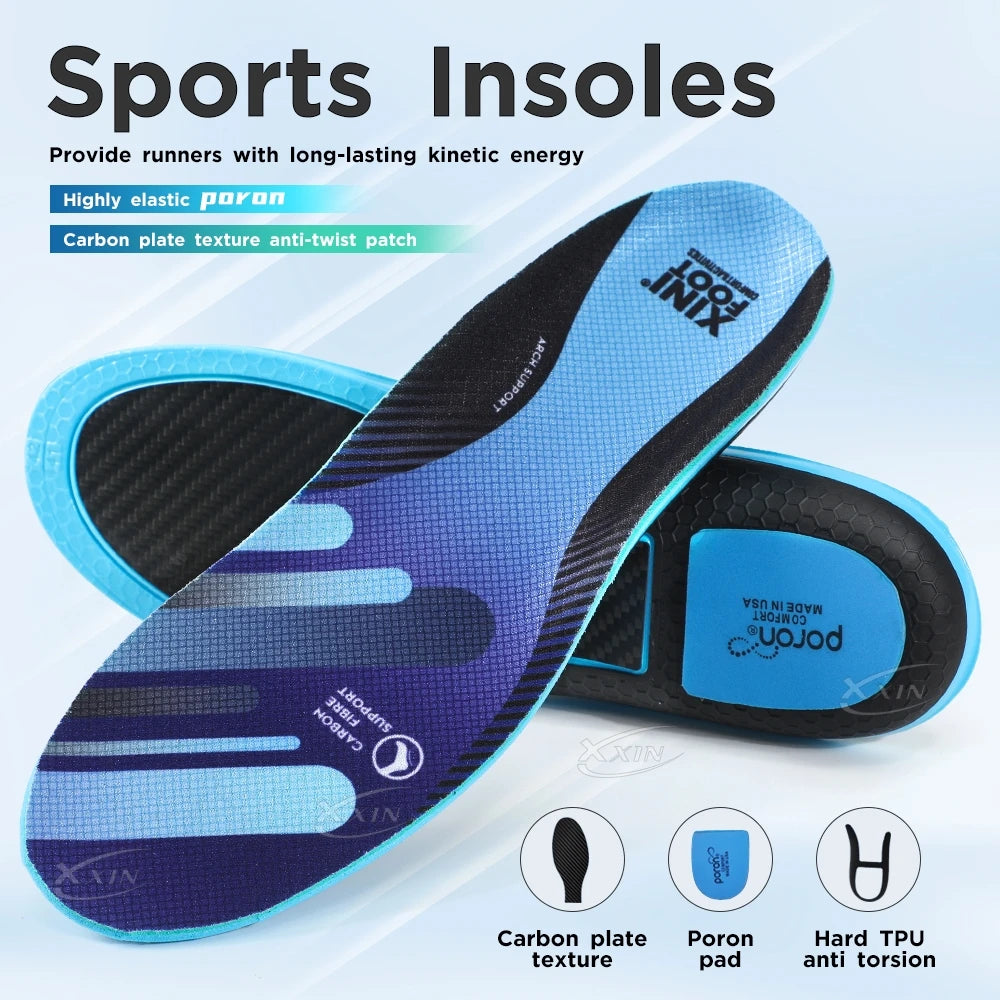
Shock absorption technology reducing foot fatigue See it in action
Heel Cushioning Insoles vs Other Pain Relief Solutions
Several approaches can help reduce impact-related discomfort, but each serves a different purpose depending on your symptoms and activity level.
- Heel cushioning insoles: Best for immediate shock absorption, everyday comfort, and reducing repetitive impact in existing footwear.
- Orthopedic shoes: Offer greater structural support for specific foot conditions but are typically more expensive and less versatile.
- Physical therapy: Addresses underlying strength, mobility, and movement issues, although improvements generally require consistent long-term treatment.
For users with mild to moderate impact-related discomfort, heel cushioning insoles are often the most practical first step because they improve comfort immediately while remaining portable, affordable, and compatible with many types of athletic and casual shoes.
Who Should Use Heel Cushioning Insoles
Heel cushioning insoles are most effective for people whose feet and joints experience repetitive impact. While they improve comfort for many users, choosing the right solution depends on the source of your discomfort and your daily activities.
Runners
Distance runners and recreational joggers experience thousands of heel strikes during a typical workout. Heel cushioning insoles help reduce repetitive impact, making them a practical choice for runners dealing with mild impact-related discomfort, tired feet, or reduced comfort in aging running shoes.
- Help reduce repetitive heel-strike forces
- Improve comfort during longer runs
- Support recovery by minimizing accumulated impact stress
Athletes
Heel cushioning insoles for athletes benefit sports that involve repeated jumping, sprinting, or rapid changes in direction. Basketball, tennis, volleyball, fitness training, and field sports all place significant stress on the lower limbs, making additional shock absorption valuable for comfort and performance.
- Reduce impact during high-intensity training
- Improve comfort on hard playing surfaces
- Help maintain consistent support throughout extended workouts
Standing Workers
People who spend most of the day on concrete or other hard flooring often develop foot fatigue even without participating in sports. Additional heel cushioning distributes pressure more evenly and can improve comfort during long work shifts.
- Reduce foot fatigue from prolonged standing
- Increase comfort in work shoes
- Help lessen cumulative impact throughout the day
Who Should Consider Orthotics Instead
Heel cushioning insoles are designed primarily to improve shock absorption rather than correct structural foot problems. Individuals with significant overpronation, severe flat feet, rigid high arches, chronic plantar fasciitis, or persistent pain despite supportive footwear may benefit more from professionally prescribed orthotics or evaluation by a qualified healthcare provider.
For many active users experiencing mild impact-related discomfort, however, cushioning insoles remain an effective first step for improving everyday comfort and reducing joint loading.
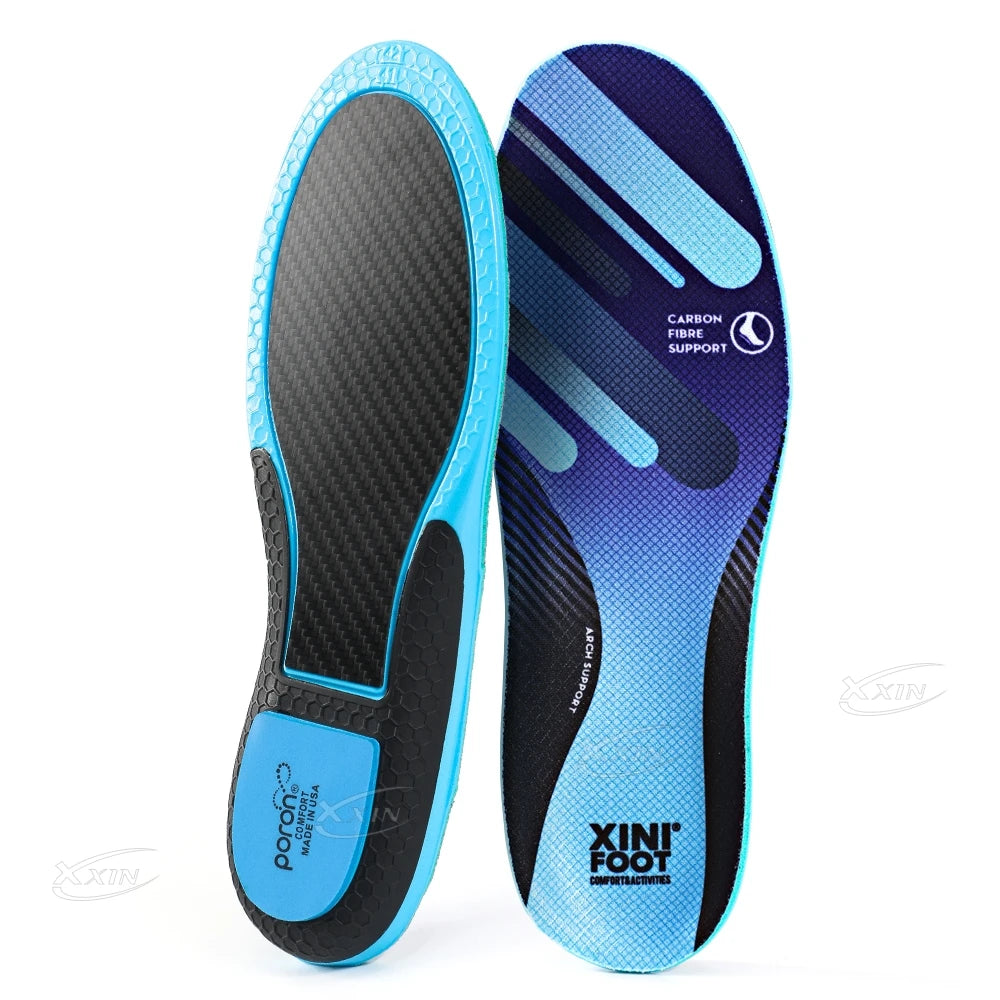
Heel cushioning insoles supporting joint impact relief See it in action
For athletes seeking greater responsiveness during training, combining heel cushioning with carbon fiber insoles can provide additional underfoot support while maintaining comfort during high-impact activities.
FAQ: Heel Cushioning Insoles for Pain Relief & Performance
Do insoles help knee pain?
They can, provided the discomfort is related to repetitive impact rather than an underlying medical condition. Shock absorbing insoles reduce the amount of force transmitted through the lower limbs at heel strike, helping improve comfort during running, walking, and prolonged standing. Persistent or severe knee pain should be evaluated by a healthcare professional.
Do insoles help knee pain from running?
Yes. Insoles for knee pain from running work by reducing peak impact forces and distributing pressure more evenly across the foot. Combined with properly fitted running shoes and good training habits, they can help lessen impact-related discomfort and improve overall running comfort.
Can insoles fix worn out shoes pain?
Heel cushioning insoles can restore much of the comfort lost as factory insoles compress over time, but they cannot repair worn midsoles, damaged outsoles, or structural shoe breakdown. If your shoes have excessive wear or poor stability, replacing the footwear is usually the better long-term solution.
Are shock absorbing insoles worth it for athletes?
For athletes who regularly run, jump, or train on hard surfaces, quality shock absorbing insoles are often a worthwhile upgrade. They help reduce repetitive joint loading, improve underfoot comfort, and may decrease fatigue during longer training sessions.
What are heel cushioning insoles best for?
Heel cushioning insoles are best suited for reducing impact during running, gym workouts, court sports, walking, and long work shifts. They are also a practical option for people experiencing mild foot fatigue or discomfort caused by repetitive heel strike.
Do heel cushioning insoles help knee pain?
They may help when knee discomfort is linked to repetitive impact. By cushioning the heel and reducing the amount of shock transmitted through the kinetic chain, these insoles can lessen stress reaching the knees during everyday movement and athletic activity.
Are shock absorbing insoles better than gel insoles?
Gel insoles are one type of shock absorbing insole. Other materials, including EVA, PU foam, and hybrid constructions, can provide similar or better performance depending on whether your priority is maximum cushioning, stability, durability, or overall comfort.
Should athletes choose heel cushioning insoles or orthotics?
Most healthy athletes seeking additional comfort and impact protection benefit from heel cushioning insoles. Individuals with significant biomechanical issues, chronic foot pain, or medically diagnosed conditions may require custom or prescription orthotics instead.
How often should heel cushioning insoles be replaced?
Replacement depends on material quality, body weight, and activity level. Active runners may need new insoles every 6 to 12 months, while occasional users often achieve longer service life. Visible compression, reduced cushioning, and persistent discomfort are common signs that replacement is due.
Can heel cushioning insoles relieve foot fatigue during long work shifts?
Yes. Additional heel cushioning helps distribute pressure more evenly, making these insoles especially useful for nurses, retail workers, warehouse employees, and anyone who stands or walks on hard floors for extended periods.
Will heel cushioning insoles fit all shoes?
Most full-length insoles are designed to fit a wide range of athletic and casual footwear and can often be trimmed for a customized fit. Before purchasing, verify the insole thickness and your shoe's available interior volume to ensure proper comfort and stability.
Whether your goal is reducing impact during training, improving comfort throughout the workday, or extending the usability of supportive footwear, heel cushioning insoles offer an effective way to minimize repetitive stress while supporting long-term joint comfort and athletic performance.
Related Guide: Full Length Carbon Plate Insoles Explained for Maximum Power













