Does a helmet compatible neck warmer really work?
Yes. A helmet compatible neck warmer works by creating a close-fitting seal between your helmet and jacket collar, blocking cold air without adding bulk. When worn correctly, it helps reduce wind chill, keeps your neck and lower face warm, and maintains a secure helmet fit. It performs best during motorcycle riding, cycling, skiing, and other cold-weather activities where exposed skin and wind can quickly lower comfort.
Unlike bulky scarves that can bunch up under a helmet, a helmet compatible neck warmer uses thin, stretchable materials to stay in place while allowing natural head movement and comfortable breathing. Learning how to wear a neck warmer correctly makes a noticeable difference in warmth, visibility, and overall riding comfort.
Helmet Compatible Neck Warmer: How to Wear It Right for Maximum Warmth & Comfort
How to Wear a Neck Warmer (Quick Start Guide)
If you need a quick answer, follow these five simple steps to achieve the best balance of warmth, comfort, and helmet compatibility.
- Slide the neck warmer over your head and position it evenly around your neck.
- Rotate the fabric so any extended front panel covers your chest before lifting the upper edge.
- Pull the top edge over your chin or nose when additional wind protection is needed.
- Smooth out wrinkles and folds, then tuck the lower section inside your jacket collar to create a windproof seal.
- After putting on your helmet, make small adjustments to ensure unrestricted breathing, clear vision, and full head movement.
This setup works well for most riding conditions and can be adapted depending on temperature, helmet style, riding speed, and personal comfort. In milder weather, keeping the warmer below your chin improves airflow, while colder conditions may require additional face coverage.
⏱ 5 min read — Cold air creeping under your helmet, constant readjustments, or bulky scarves affecting helmet fit can make even a short winter ride uncomfortable. A properly fitted neck warmer eliminates those problems by sealing wind gaps, staying securely in place, and adding warmth without restricting movement.
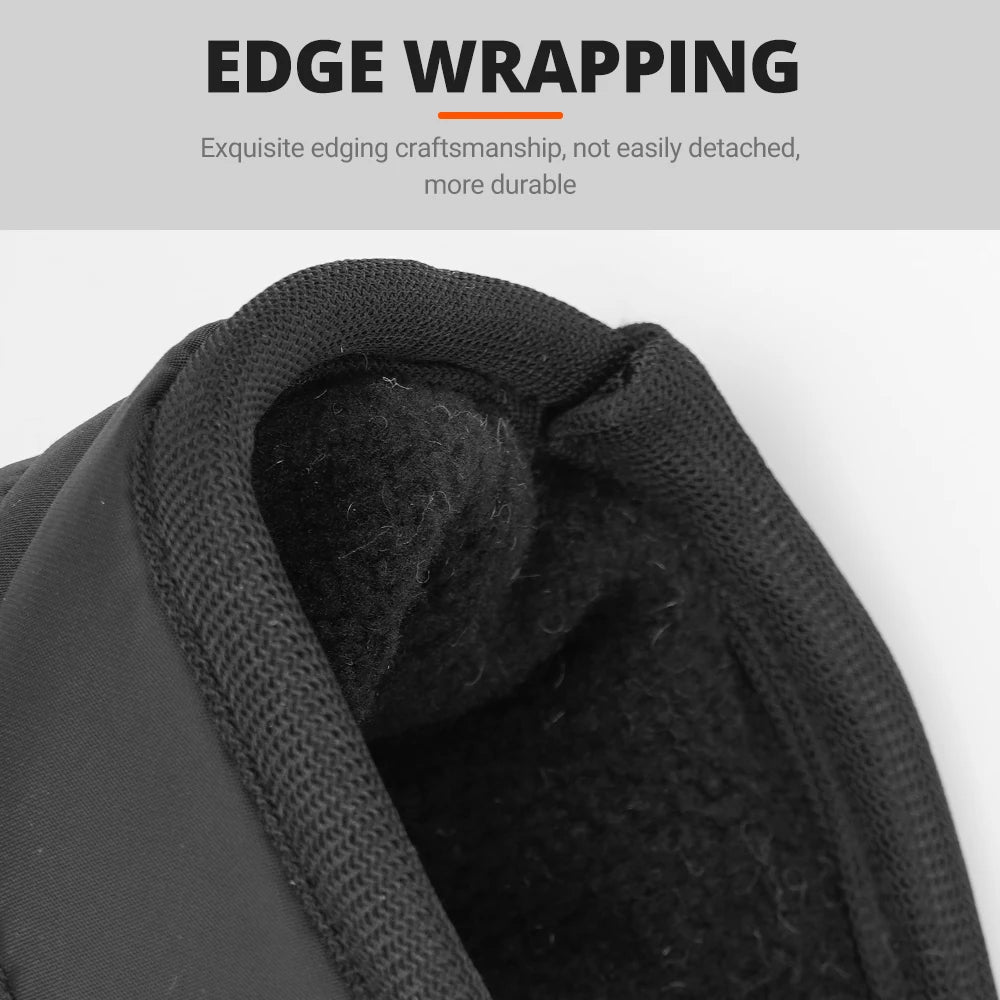
Helmet compatible neck warmer for motorcycle comfort — See it in action
Step-by-Step: How to Wear a Neck Warmer with a Helmet
Correct neck warmer positioning under a helmet prevents pressure points, blocks cold air, and keeps the fabric from shifting during your ride. Follow these steps for a comfortable, secure fit.
Prepare the Neck Warmer
Start with a clean, dry neck warmer and check that it is not twisted inside out. Flatten the fabric before putting it on to prevent bunching beneath helmet padding.
Position Around the Neck
Pull the neck warmer over your head and place it comfortably around your neck. If it includes an extended front or rear panel, align it so it naturally covers your chest and the back of your neck.
Pull the Helmet On Correctly
Hold the neck warmer in place with one hand while carefully lowering your helmet. This helps keep the fabric smooth and prevents it from being pulled upward as the helmet slides on.
Lift the upper edge to your chin or over your nose when conditions require extra wind protection. Tuck the lower portion inside your jacket collar to close any gaps where cold air could enter.
Final Fit Check
Turn your head from side to side, fasten your helmet strap, and confirm that breathing, visibility, and helmet movement remain unrestricted. A properly fitted helmet neck warmer should feel secure, stay flat against your skin, and provide warmth without creating pressure points.
Following this sequence keeps your helmet fitting correctly while maximizing insulation, making it one of the most effective ways to wear a neck warmer during cold-weather rides.
Best Ways to Wear a Neck Gaiter (6 Practical Styles)
Neck Coverage (Basic Wrap)
Wear the neck gaiter comfortably around your neck with the fabric lying flat against your skin. This style provides light insulation, excellent airflow, and everyday comfort, making it ideal for commuting or cool-weather rides where full face coverage isn't necessary.
Face Cover (Cold & Wind Protection)
Pull the upper edge over your chin and nose to shield your face from cold air, wind, dust, and road debris. Leave a small gap around the nostrils if needed to improve airflow while maintaining effective wind protection.
Balaclava Style (Full Coverage Under Helmet)
Stretch the gaiter over your head so it covers your neck, ears, and lower face before putting on your helmet. This setup offers maximum insulation during winter motorcycle rides, skiing, or other activities in freezing temperatures.
Half Face + Vent Style (Anti-Fog Setup)
Position the gaiter below your nose while keeping your chin and neck covered. Redirecting warm breath downward helps reduce visor or glasses fogging without sacrificing core warmth.
Headband / Ear Warmer
Fold the gaiter into a narrower band and wear it across your forehead and ears. This style blocks cold wind around the ears while allowing heat to escape from the top of your head during higher-intensity activities.
Beanie Conversion (Off-Bike Use)
Twist and fold the tube into a lightweight beanie for walking, resting, or casual wear after your ride. This versatile option provides warmth without carrying an extra hat.
Neck Warmer Positioning Under a Helmet (Fit Guide)
Proper neck warmer positioning under a helmet improves comfort by preventing pressure points, reducing cold air leaks, and allowing unrestricted head movement. The fabric should fit snugly without creating bulk beneath the helmet padding.
Correct Neck Seal
Position the lower edge so it overlaps your jacket collar. A continuous seal between your jacket and neck warmer helps block wind from reaching your neck and upper chest, especially at highway speeds.
Jawline Positioning
The upper edge should sit naturally beneath your chin or extend over your nose when extra protection is needed. Keep the material smooth along your jawline to avoid pressure from helmet cheek pads.
Helmet Strap Clearance
Ensure the helmet chin strap contacts your skin or lies flat without thick folds underneath. Avoid bunching around the buckle area, which can cause discomfort during longer rides.
Jacket Collar Integration
Tuck the rear and front panels inside your jacket collar while leaving enough flexibility for comfortable head rotation. This prevents gaps from opening when you turn your head and helps maintain warmth throughout the ride.
A properly fitted neck warmer should stay in place during movement, allow unrestricted breathing, and provide full coverage without feeling tight or interfering with helmet fit.
Why Proper Fit Matters Under a Helmet
A helmet compatible neck warmer does more than keep you warm. The correct fit improves comfort by sealing out wind, reducing fabric movement, and maintaining consistent contact between your helmet padding and your head.
If the neck warmer is too thick or incorrectly positioned, it can create pressure points around the cheeks or jaw, reduce mobility, and make frequent adjustments necessary. A thin, properly fitted design eliminates these distractions while preserving a natural riding position.
Good fit also improves breathability. Positioning the fabric correctly helps direct exhaled air away from your visor or glasses, reducing condensation and fogging in cold weather. Riders who frequently switch between city streets and highways often notice that small adjustments in fit make a significant difference in long-distance comfort.
As a general rule, if you're wondering how should a neck warmer fit under a helmet , the answer is simple: it should feel snug enough to seal out wind but never tight enough to restrict breathing, head movement, or the helmet's intended fit.
How to Choose the Right Helmet Compatible Neck Warmer
The best helmet compatible neck warmer combines a low-profile design with breathable, moisture-managing fabric that fits comfortably beneath your helmet. Look for materials that provide warmth without excessive thickness, maintain their shape after repeated use, and create an effective seal between your jacket and helmet.
Fleece
Fleece offers excellent insulation for cold winter rides and is ideal for low to moderate activity levels. Choose lightweight fleece rather than thick pile fabrics to avoid pressure points beneath helmet padding.
Merino Wool
Merino wool naturally regulates temperature, wicks moisture, and resists odor. It's a great choice for riders who experience changing weather conditions or spend long hours on the road.
Synthetic
Polyester and technical performance blends dry quickly, stretch easily, and retain their shape over time. These materials work well for daily commuting, high-output activities, and wet conditions where fast moisture evaporation is important.
Thermal Blends
Modern thermal blends combine insulation with stretch and breathability, making them a popular option for a motorcycle neck warmer. They provide reliable warmth while remaining thin enough to fit comfortably beneath full-face and modular helmets.
| Feature | Why It Matters |
|---|---|
| Low-profile fabric | Minimizes pressure points and maintains proper helmet fit. |
| Extended front panel | Protects the upper chest and blocks cold air entering through the jacket collar. |
| Breathable stretch | Supports comfortable movement and helps manage moisture during long rides. |
| Thermal lining | Improves insulation without creating unnecessary bulk. |
Common Mistakes That Kill Comfort
Even a high-quality neck warmer can feel uncomfortable if it is worn incorrectly. Avoid these common mistakes to maximize warmth, breathability, and helmet comfort.
- Choosing an overly tight fit: A neck warmer should fit snugly without restricting breathing, swallowing, or head movement.
- Leaving fabric folds under the helmet: Wrinkles can create pressure points that become uncomfortable during longer rides.
- Blocking ventilation completely: Pulling the fabric too high over your nose may increase moisture buildup and visor fogging.
- Using thick materials with a snug helmet: Excessive bulk can affect overall comfort and make the helmet feel tighter than intended.
- Leaving gaps between the jacket and neck warmer: Even small openings allow cold air to circulate inside your riding gear, reducing insulation.
- Ignoring changing weather conditions: Adjust your coverage level throughout the ride to balance warmth with airflow.
Small adjustments in fit and layering often provide greater improvements in comfort than simply choosing a thicker neck warmer.
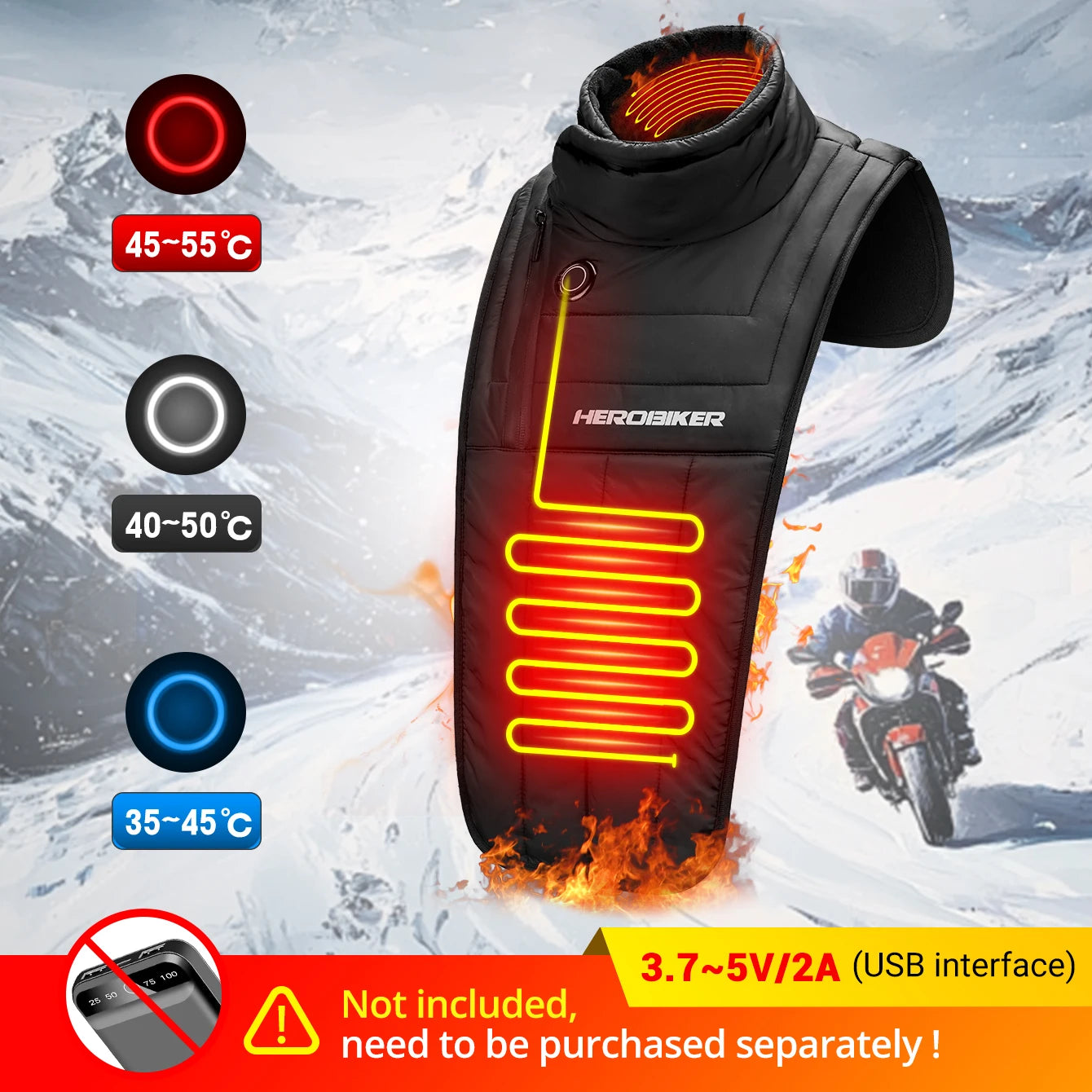
Neck warmer for motorcycle riders — smoother fit, warmer rides
Styles Compared: Tube vs Chest Coverage
Both styles improve cold-weather comfort, but they serve different riding needs. Choosing the right helmet neck warmer depends on your typical riding distance, speed, and exposure to wind.
| Style | Coverage | Best For | Trade-Off |
|---|---|---|---|
| Tube neck warmer | Neck and lower face | City commuting, cycling, short rides, and mild winter weather | Less protection for the upper chest in strong winds |
| Chest coverage design | Neck, upper chest, and back of the neck | Highway riding, winter touring, and extended motorcycle trips | Works best when layered neatly inside a riding jacket |
For frequent highway riding or freezing temperatures, a neck warmer for motorcycle use with an extended chest panel typically offers better wind protection. Riders in milder climates or those making shorter trips often find that a traditional tube design provides enough warmth while maximizing mobility.
Winter Neck Warmer: How to Wear It in Extreme Cold
When temperatures drop below freezing, proper layering becomes just as important as choosing the right motorcycle neck warmer. A streamlined setup keeps cold air out while allowing excess heat and moisture to escape, helping you stay comfortable throughout longer rides.
- Layer strategically: Wear a moisture-wicking thermal base layer beneath your riding gear, then add your neck warmer to trap warm air without excessive bulk.
- Choose full-face coverage when needed: Pull the neck warmer over your chin, nose, and cheeks during strong winds or highway riding, lowering it slightly during stops to improve airflow.
- Seal every opening: Tuck the lower section securely inside your jacket collar so it overlaps with your base layer and prevents cold drafts from reaching your neck and chest.
- Select fabrics for the conditions: Lightweight fleece provides excellent insulation in very cold weather, while merino wool offers better breathability and moisture control for long rides or changing temperatures.
- Manage moisture: If the neck warmer becomes damp from perspiration or breathing, allow it to dry during breaks whenever possible to maintain its insulating performance.
The best winter neck warmer setup balances insulation, breathability, and mobility. Keeping the fabric smooth and properly layered helps retain body heat without interfering with helmet fit or rider comfort.
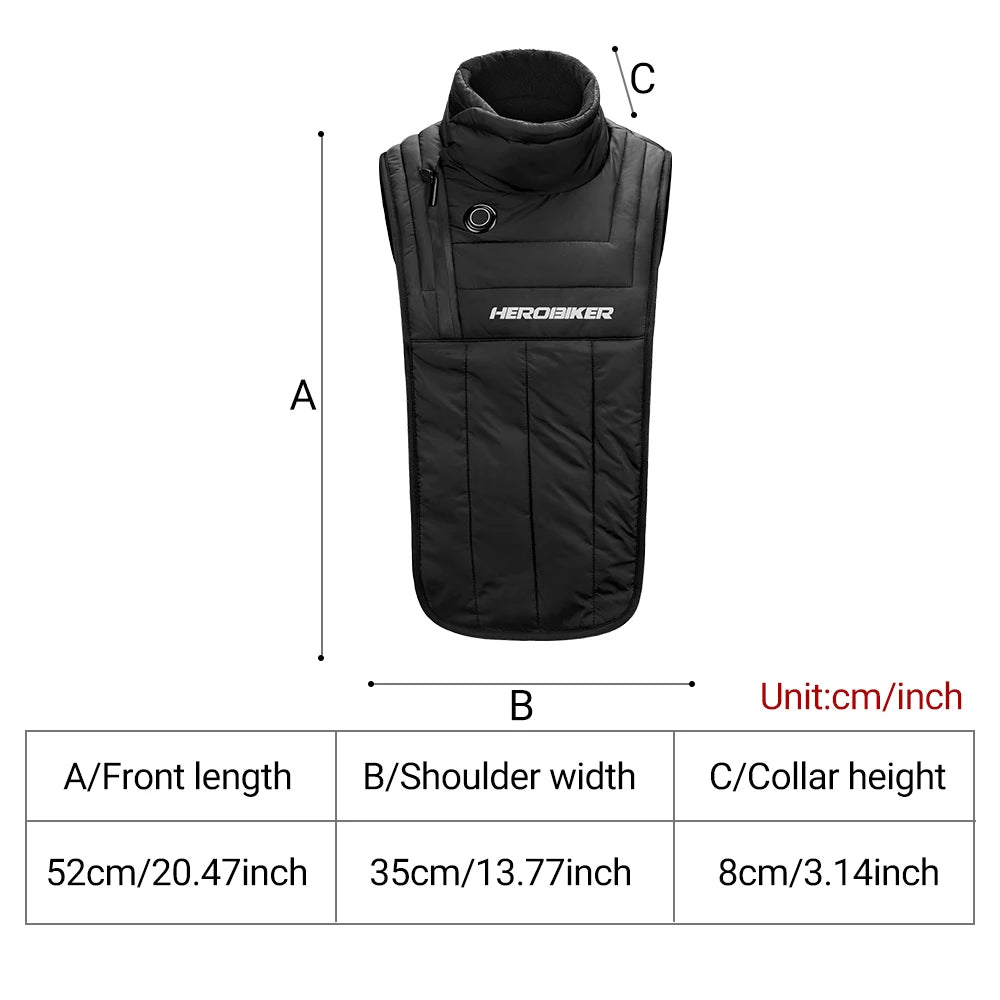
Winter neck warmer with chest coverage — Feel the difference
For riders exploring other comfort upgrades, browse the Lifestyle collection for cold-weather essentials designed to elevate daily routines.
Quick FAQ
How to wear a neck gaiter under a helmet?
Pull the neck gaiter over your head, smooth it around your neck, then raise it to your chin or nose before putting on your helmet. Keeping the fabric flat helps prevent bunching beneath the helmet padding.
Will a neck warmer affect helmet safety?
Not when it is thin, properly fitted, and does not alter the helmet's intended fit. Avoid thick materials that create pressure points or prevent the helmet from sitting correctly.
What is the best way to wear a neck warmer with a helmet?
The best approach is a snug, wrinkle-free fit that seals the gap between your helmet and jacket while allowing unrestricted breathing, visibility, and head movement.
Can I use a neck warmer for motorcycle riding?
Yes. A motorcycle neck warmer reduces wind chill, protects exposed skin, and improves comfort during commuting, touring, and winter riding.
How do I stop my glasses from fogging?
Position the neck warmer just below your nose or choose a breathable fabric that directs warm air downward instead of toward your lenses or visor.
Can a neck warmer replace a scarf?
For most riders, yes. A neck warmer offers a closer fit, better helmet compatibility, and less bulk than a traditional scarf.
Can you wear a neck warmer under a motorcycle helmet?
Yes. A helmet-compatible neck warmer is specifically designed to fit beneath motorcycle helmets while maintaining comfort and helping seal out cold air.
Should a neck warmer cover your nose?
Only when conditions require extra protection from wind or freezing temperatures. In milder weather, wearing it below your nose can improve airflow and reduce fogging.
Which material is best for winter?
Lightweight fleece provides excellent insulation in very cold conditions, while merino wool offers a combination of warmth, moisture management, and breathability for changing winter weather.
How tight should a neck warmer fit?
A neck warmer should fit close enough to block cold air without restricting breathing, swallowing, or head movement. It should remain securely in place without feeling overly tight.
Related Guide: How to Layer for Winter Motorcyclists Safely and Warmly