

Does helmet motorcycle safety really reduce head impact?
Yes. Helmet motorcycle safety significantly reduces head impact by combining an impact-resistant outer shell, an energy-absorbing EPS liner, a secure retention system, and—in many modern designs—technology that helps manage rotational forces. Together, these motorcycle helmet safety features reduce the amount of energy transferred to the head and lower the risk of serious brain and facial injuries during a crash.
Motorcycle Helmet Safety Features: What Reduces Head Impact?
⏱ 7 min read
A motorcycle helmet is much more than a hard shell. Every protective layer is engineered to manage crash energy in a different way, from dispersing impact forces across the outer shell to absorbing energy inside the EPS liner and keeping the helmet securely positioned throughout a collision. Understanding how these motorcycle helmet safety features work together makes it easier to choose a helmet that delivers reliable protection when it matters most.
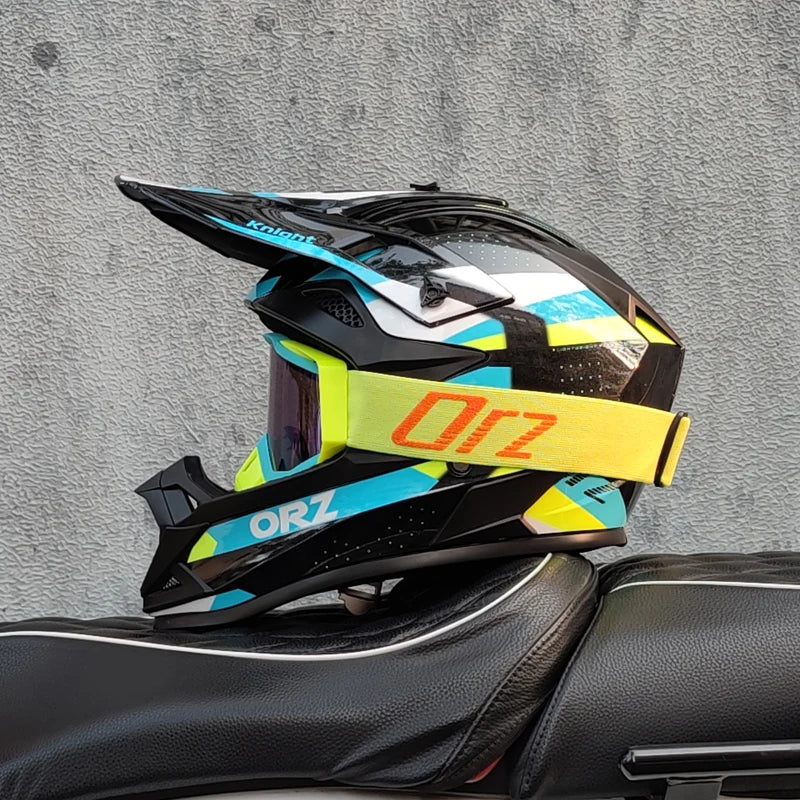
Impact-focused design improves helmet motorcycle safety and rider head protection. See it in action.
What Makes Motorcycle Helmet Safety Features Effective?
The most effective motorcycle helmets function as an integrated protection system rather than relying on a single safety feature. Each component has a specific role in reducing injury, and together they help manage both high-energy and lower-speed impacts.
To understand how motorcycle helmets reduce head injury, it helps to look at the three main forces generated during a crash:
- Linear impact: Direct forces created when the helmet strikes the road, another vehicle, or an object.
- Energy transfer: Crash energy that must be absorbed before it reaches the skull and brain.
- Rotational motion: Angled impacts that can cause the brain to rotate inside the skull, increasing injury risk.
A modern helmet design for crash protection manages these forces through multiple engineered layers working together instead of depending on a single material.
Core motorcycle helmet safety features typically include:
- Outer shell: Distributes impact loads over a larger surface to reduce concentrated force.
- EPS liner: Compresses in a controlled manner to absorb impact energy before it reaches the head.
- Retention system: Keeps the helmet securely positioned throughout a collision.
- Chin guard: Provides additional protection for the jaw and lower face during frontal impacts.
- Rotational impact technology: Helps reduce twisting forces generated by angled crashes.
Because every layer performs a different task, removing or weakening one component reduces the overall effectiveness of motorcycle helmet impact protection.
How Impact Resistant Motorcycle Helmet Shells Absorb Force
An impact resistant motorcycle helmet begins with the outer shell. Rather than simply resisting damage, the shell is engineered to spread impact forces over a broader area so the EPS liner can absorb energy more effectively. This interaction between the shell and liner is fundamental to modern helmet design for crash protection.
During a collision, the shell helps prevent sharp, localized impacts from reaching the skull while also resisting penetration from road debris or other objects. By distributing force before it reaches the inner layers, the helmet reduces peak energy transmitted to the rider's head.
Shell Materials That Perform Under Pressure
- Polycarbonate: Cost-effective and slightly flexible, allowing it to dissipate impact energy through controlled deformation.
- Fiberglass composite: Offers an excellent balance of strength, stiffness, and predictable impact performance.
- Carbon fiber: Provides exceptional strength while reducing helmet weight, helping minimize rider fatigue on longer journeys.
- Multi-material composites: Combine several fibers and resins to optimize durability, energy distribution, and weight.
Multi-Layer Shell Construction
Premium helmets frequently use multiple composite layers instead of a single uniform shell. Each layer contributes differently during an impact, allowing the helmet to distribute force efficiently before the EPS liner begins absorbing crash energy.
This layered construction improves overall motorcycle helmet impact protection by balancing rigidity with controlled flexibility. Combined with a properly engineered liner, it helps reduce the forces transmitted to the rider without unnecessarily increasing helmet weight.
How Energy-Absorbing EPS Liners Protect the Brain
The expanded polystyrene (EPS) liner is the primary energy-management layer inside a motorcycle helmet. While the outer shell spreads impact forces, the EPS liner absorbs much of the remaining energy by compressing in a controlled manner before it reaches the rider's head.
Instead of allowing the head to stop abruptly during a collision, the liner increases the time over which deceleration occurs. Even this small increase helps reduce peak impact forces transmitted to the brain, making EPS one of the most important elements of motorcycle helmet impact protection.
Single vs Multi-Density EPS
- Single-density EPS: Uses one foam density throughout the helmet and provides dependable protection for many everyday riding situations.
- Multi-density EPS: Combines softer and firmer foam sections to better manage a wider range of impact energies.
- Zoned EPS liners: Place different densities in key areas such as the forehead, temples, and sides to improve protection where impacts commonly occur.
Although every certified helmet must meet established safety requirements, multi-density liner designs generally offer more versatile energy management across different crash scenarios. Once compressed in a significant impact, however, an EPS liner cannot fully recover and the helmet should be replaced.
Rotational Impact Protection Systems (MIPS & Alternatives)
Many motorcycle crashes involve angled impacts rather than perfectly straight collisions. These impacts create rotational forces that can cause the brain to move and twist inside the skull. Modern helmet manufacturers have developed additional technologies to help reduce this rotational motion alongside traditional impact protection.
How Rotational Protection Works
- MIPS: Uses a low-friction layer that allows limited movement between the helmet and the rider's head, helping redirect some rotational energy.
- Slip-plane systems: Apply a similar principle with manufacturer-specific designs that reduce rotational acceleration during angled impacts.
- Advanced liner engineering: Carefully shaped EPS liners and internal structures work together to manage both linear and rotational forces.
These systems do not eliminate the risk of head injury, but they are designed to complement traditional motorcycle helmet impact protection by addressing crash forces that standard impact testing alone may not fully represent.
Why Chin Guard Helmet Protection Is Critical
The lower face is particularly vulnerable during motorcycle crashes. A strong chin guard helps protect the jaw, chin, mouth, and teeth while also contributing to the structural integrity of the helmet. This is one of the primary reasons full-face helmet safety benefits consistently outweigh those of more open designs.
Benefits of Full-Face Coverage
- Provides dedicated protection for the chin, jaw, and facial bones during frontal impacts.
- Helps maintain helmet strength by reinforcing the overall shell structure.
- Shields the rider from road debris, insects, wind, and weather that can affect visibility and concentration.
- Delivers more complete head and facial coverage than open-face or half-helmet designs.
While every certified helmet improves rider safety, a well-fitted full-face helmet offers the broadest level of impact protection by combining head, facial, and chin coverage into one integrated protective system.
Fit and Retention System: The Most Important Everyday Safety Feature
Even the best motorcycle helmet safety features cannot perform as intended if the helmet shifts during a crash. A properly fitted helmet remains stable, keeps the protective zones aligned with the head, and allows the shell and EPS liner to manage impact forces as designed.
Why Proper Fit Improves Protection
A correctly sized helmet should feel snug around the entire head without creating painful pressure points. It should not rotate freely when you move it with your hands, and it should remain secure when the chin strap is fastened.
- Snug fit: Minimizes helmet movement and helps maintain proper impact coverage.
- Even pressure: Prevents loose areas that could reduce protection during a collision.
- Stable positioning: Keeps the visor, shell, and protective liner correctly aligned.
Retention Strap Design
- Double D-ring straps: A simple, durable fastening system widely used in racing because of its reliable adjustment and secure hold.
- Micrometric buckles: Offer convenient everyday use while providing dependable retention when properly adjusted and locked.
Before every ride, check that the chin strap is snug enough to prevent excessive movement while still allowing comfortable breathing and normal head movement.
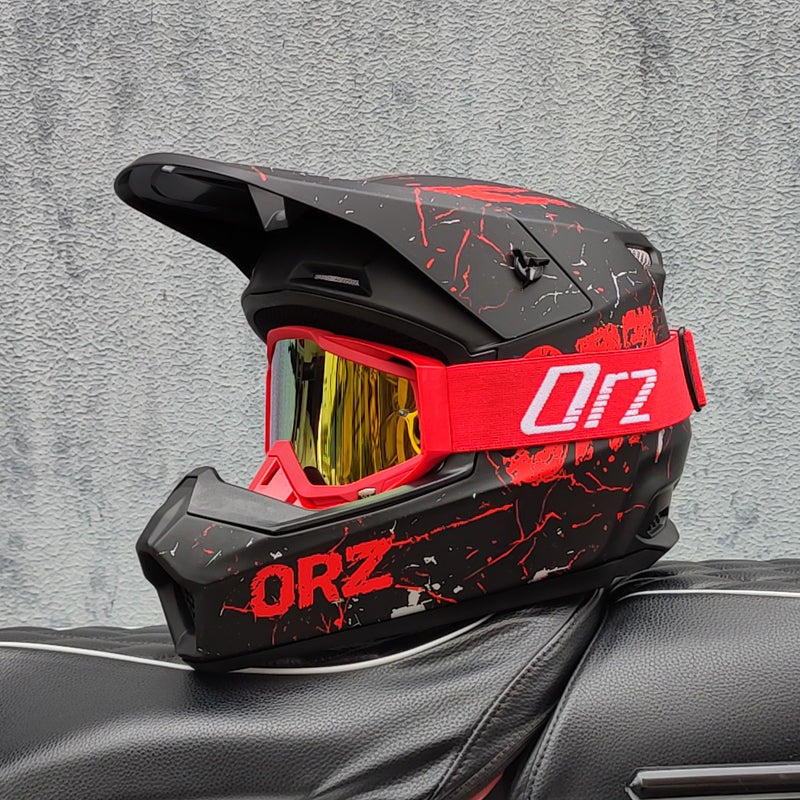
Secure fit enhances motorcycle helmet safety features and impact reduction. See it in action.
Motorcycle Helmet Safety Standards Explained
Motorcycle helmet safety standards establish minimum performance requirements through laboratory testing. While each certification uses its own testing methods and pass criteria, all are intended to verify that a helmet provides meaningful protection against impact and retention failures.
DOT vs ECE vs Snell vs FIM
- DOT: Required for road-legal motorcycle helmets in the United States, with testing focused on impact absorption, penetration resistance, and retention system strength.
- ECE: An internationally recognized certification that evaluates multiple impact locations and has become a widely accepted benchmark for street-riding helmets.
- Snell: A voluntary certification that uses more demanding impact tests and is commonly found on premium road and motorsport helmets.
- FIM: A racing-focused homologation developed for elite motorcycle competition, incorporating advanced testing protocols for professional use.
Which Certification Matters Most?
For everyday riders, the best choice is a helmet that fits correctly and carries a recognized certification appropriate for the intended market. Higher-level certifications may include more rigorous testing, but proper fit, helmet condition, and correct use remain equally important factors in real-world protection.
Secondary Safety Features That Improve Protection
Although impact management is the primary function of a motorcycle helmet, several supporting features can improve rider safety by maintaining visibility, reducing fatigue, and making emergency response easier.
- Ventilation: Promotes airflow that helps reduce heat buildup and rider fatigue during longer rides.
- Anti-fog visors: Maintain a clearer field of vision in changing weather and cooler temperatures.
- Wide field of view: Improves peripheral awareness of surrounding traffic and road hazards.
- Emergency cheek pads: Available on many premium helmets to help emergency responders remove the helmet with reduced neck movement.
- Reflective elements: Increase rider visibility in low-light conditions.
While these features do not replace core protective components such as the shell and EPS liner, they contribute to safer riding by supporting visibility, comfort, and emergency handling.
Full-Face vs Open-Face vs Modular Helmets: Which Is Safest?
Different helmet styles offer different levels of coverage, convenience, and protection. For riders whose priority is maximum head impact protection, full-face helmets consistently provide the most comprehensive coverage because they protect the head, chin, and face within a single structural shell.
| Helmet Style | Head Coverage | Chin Protection | Best For |
|---|---|---|---|
| Full-face | Excellent | Yes | Daily riding, touring, commuting, and high-speed travel |
| Modular | Very good | Yes (when closed) | Touring riders who value convenience and communication |
| Open-face | Good | No | Lower-speed urban riding where greater airflow is preferred |
| Half helmet | Limited | No | Situations where minimal coverage is accepted by the rider |
Protection Comparison by Riding Style
Every certified helmet offers a level of protection, but riders who frequently travel at highway speeds or want the best helmet for head impact protection generally benefit from a full-face design. The integrated chin bar improves facial protection while also reinforcing the helmet's overall structure during frontal impacts.
Real-World Crash Scenarios: How Helmets Protect You
Helmet safety features are designed to work together rather than independently. In a typical crash, multiple protective components respond at the same time to reduce the forces reaching the rider.
- Sliding impact: The outer shell distributes impact energy while helping the helmet slide across the road surface.
- Direct impact: The EPS liner compresses to reduce the energy transferred to the head.
- Frontal collision: A full-face chin guard helps protect the jaw and lower face.
- Angled impact: Rotational management technologies help reduce twisting forces acting on the brain.
No motorcycle helmet can prevent every injury, but combining certified construction, proper fit, and modern impact-management technology significantly improves rider protection.
How to Choose the Best Helmet for Head Impact Protection
The best helmet for head impact protection is one that fits correctly, carries a recognized safety certification, and includes proven motorcycle helmet safety features suited to your riding style. Comfort and appearance matter, but they should never take priority over protective performance.
Feature Checklist by Riding Style
- Daily commuting: Prioritize certified protection, a comfortable fit, effective ventilation, and a clear anti-fog visor.
- Touring: Look for a lightweight shell, multi-density EPS liner, aerodynamic stability, and reduced wind noise.
- Sport riding: Choose a secure retention system, premium shell materials, and advanced impact-management technology.
- All-purpose riding: Focus first on fit, certification, and full-face coverage before considering convenience features.
- Verify that the helmet carries an appropriate certification such as DOT, ECE, Snell, or another recognized standard for your region.
- Select a full-face design if maximum head and facial protection is your goal.
- Check that the helmet fits snugly without uncomfortable pressure points.
- Look for quality impact-management features such as multi-density EPS liners and, where available, rotational protection systems.
- Replace any helmet that has experienced a significant impact, even if external damage is not obvious.
Explore a trusted full-face motorcycle helmet designed to combine impact-resistant construction with complete facial protection.
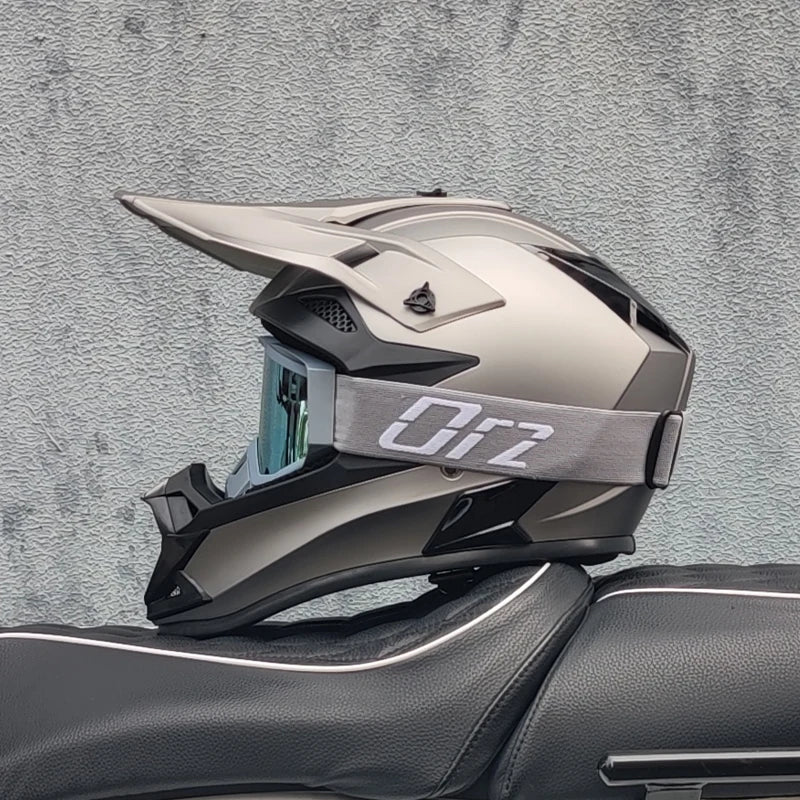
Full-face design elevates helmet motorcycle safety and chin guard protection for comprehensive rider safety. See it in action.
Frequently Asked Questions
Can motorcycle helmet covers affect helmet safety or performance?
Most properly fitted helmet covers have little effect on protection during normal riding. However, bulky or poorly secured covers may interfere with aerodynamics, ventilation, or visibility at higher speeds. Always use accessories recommended by the helmet manufacturer and ensure they do not affect the helmet's fit or retention system.
Do heavier helmets provide better protection?
No. Helmet weight alone does not determine safety. A lightweight helmet built with advanced materials, a quality EPS liner, and recognized safety certification can provide excellent impact protection while reducing rider fatigue on longer rides.
Which motorcycle helmet safety standard is best?
There is no single best certification for every rider. DOT, ECE, Snell, and FIM all evaluate helmet performance using different testing methods. The most important factors are purchasing a certified helmet that fits correctly and is appropriate for your riding style.
How does EPS foam absorb impact?
Expanded polystyrene (EPS) foam compresses during a collision, converting impact energy into controlled deformation. This process slows head deceleration and reduces the force transmitted to the skull and brain.
Does MIPS make motorcycle helmets safer?
MIPS and similar rotational impact technologies are designed to reduce rotational forces generated during angled impacts. While they cannot prevent every injury, they add an extra layer of protection alongside the helmet's shell and EPS liner.
Why are full-face helmets considered the safest?
Full-face helmets provide the most complete coverage by protecting the top, sides, back, and chin. The integrated chin bar helps reduce facial and jaw injuries while reinforcing the overall structure of the helmet.
Can a helmet protect against every head injury?
No. Even the best motorcycle helmet cannot eliminate every risk. Certified helmets are designed to significantly reduce the likelihood and severity of head injuries, but no helmet can guarantee complete protection in every crash.
How often should a motorcycle helmet be replaced?
Replace a motorcycle helmet immediately after any significant impact, even if no visible damage is present. Under normal use, many manufacturers recommend replacement every 3 to 5 years because the protective materials gradually age and wear over time.
How do I know if my helmet still offers proper protection?
Inspect the shell, EPS liner, visor, and retention system regularly for cracks, loose components, compressed foam, or damaged straps. If the helmet has been involved in a crash or shows signs of structural damage, replace it rather than attempting repairs.
What makes a motorcycle helmet safe?
A safe motorcycle helmet combines a certified impact-resistant shell, an energy-absorbing EPS liner, a secure retention system, proper fit, and comprehensive head coverage. These components work together to reduce impact forces during a crash.
What safety features should I prioritize when buying a motorcycle helmet?
Prioritize certification, proper fit, a quality EPS liner, durable shell construction, and a full-face design if maximum protection is your goal. Additional features such as rotational impact technology, anti-fog visors, and effective ventilation can further improve comfort and overall riding safety.
Are expensive helmets safer?
Not necessarily. Higher-priced helmets may include premium materials, lower weight, quieter aerodynamics, and additional protective technologies, but certification, proper fit, and overall construction quality remain the most important safety factors.
Related Guide: Motorcycle Crash Protection: Features That Actually Save Riders













