

Hidden Skin Concerns Analysis: What Your Skin May Be Hiding
Skin can look healthy in ordinary lighting while still showing measurable changes that are difficult to assess with the naked eye. Dehydration, uneven pigmentation, UV-related patterns, congestion, inflammation, texture changes, and early signs of aging may become more apparent under magnified or specialized facial imaging. A hidden skin concerns analysis adds another layer of information to a conventional visual assessment, helping professionals observe patterns, establish a baseline, and track changes over time.
However, imaging and AI analysis should be treated as assessment aids rather than medical diagnostic tools. The most useful approach combines clean-skin observation, consistent image capture, appropriate technology, and professional interpretation.
What Are Hidden Skin Concerns?
Hidden skin concerns are skin characteristics or changes that may be difficult to identify consistently through ordinary visual inspection. They are not necessarily completely invisible. Instead, they may become clearer with controlled lighting, magnification, specialized imaging, measurement, or comparison against a previous baseline.
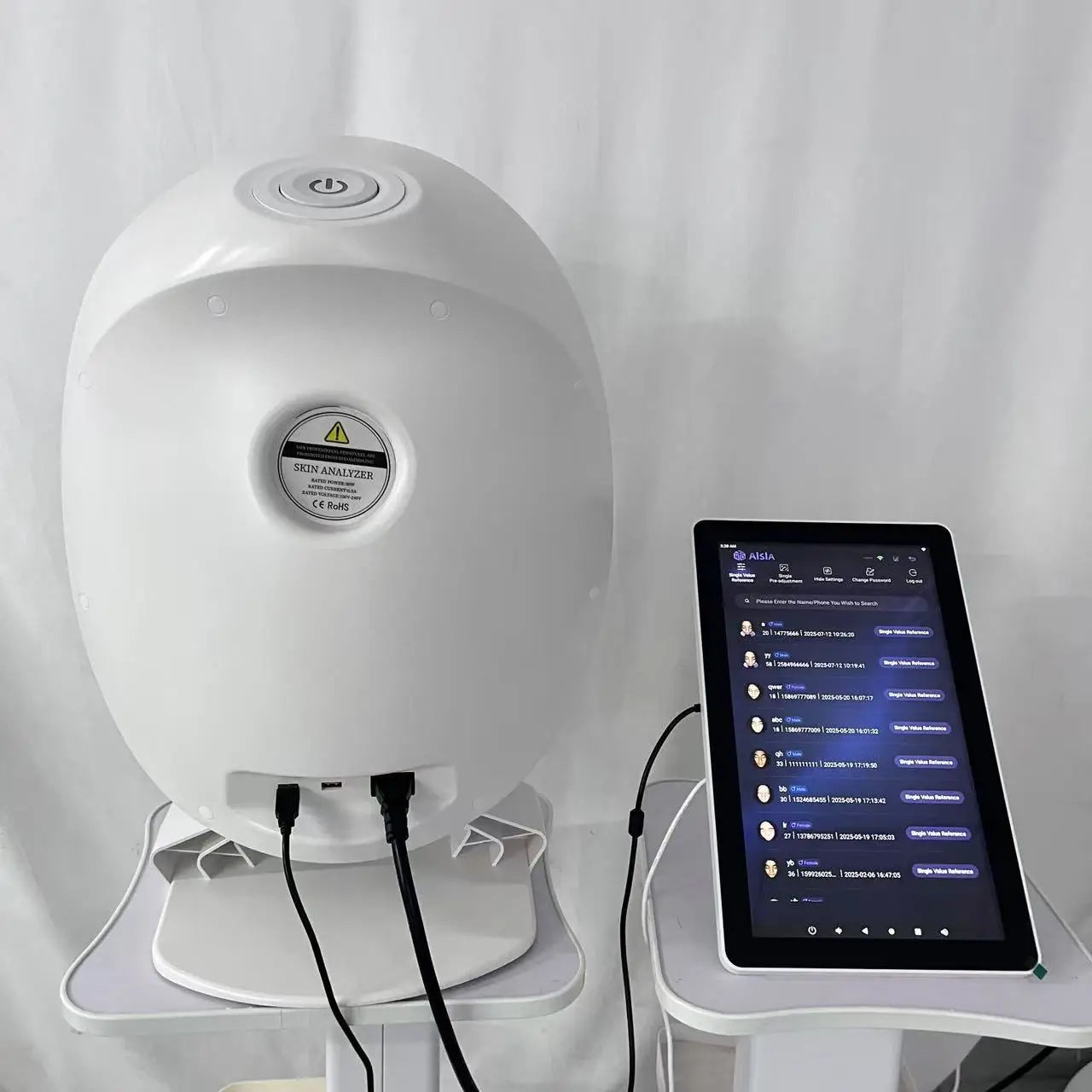
Visible vs. Hidden Skin Concerns
A standard visual check can reveal obvious redness, active blemishes, visible pigmentation, pronounced pores, wrinkles, and general skin texture. It is useful because it provides immediate context and does not require specialized equipment.
Enhanced analysis can add information that is harder to judge visually, such as subtle pigmentation patterns, hydration-related differences, pore and sebum patterns, fine texture irregularities, or changes that become easier to compare when images are captured consistently. The technology does not automatically establish why a finding exists; it provides observations that require interpretation.
Why Skin Can Look Healthy but Still Show Measurable Changes
Lighting, viewing distance, skin depth, early-stage changes, and temporary fluctuations can all affect what the eye sees. Skin can also change according to hydration, oil production, recent skincare products, environmental exposure, and other factors.
For this reason, a single visual impression is not always enough for consistent skin assessment. Repeatable imaging can make subtle differences easier to document, especially when the same positioning and lighting conditions are used.
What Can a Skin Analysis Detect That the Naked Eye Cannot?
A skin analysis may identify patterns that are difficult to assess reliably under normal viewing conditions, including hydration-related indicators, pigmentation patterns, pore and sebum characteristics, redness, and fine texture differences. The exact findings depend on the imaging method, equipment, image quality, and interpretation.
Dehydration and Moisture Imbalance
Skin appearance alone is an imperfect measure of hydration. Dehydrated skin may appear dull, tight, rough, or more textured, but these visual signs can overlap with other causes. Skin analysis systems that evaluate moisture-related indicators can provide additional observations for comparison.
The most useful result is often not a single score but a baseline that can be reassessed after changes to skincare habits, environmental conditions, or hydration-focused routines.
UV Damage and Subsurface Pigmentation
Specialized illumination can make selected pigmentation and UV-related patterns more apparent than they are under standard lighting. This can help demonstrate why a complexion that appears relatively even at first glance may show additional pigmentation patterns under enhanced imaging.
These images should be interpreted carefully. An imaging pattern is not automatically proof of a specific disease or clinical condition.
Hyperpigmentation and Uneven Skin Tone
Visible discoloration can be assessed through ordinary observation, while specialized imaging may make distribution and contrast easier to examine. This can be particularly useful when comparing areas of the face or tracking whether pigmentation patterns appear to change over time.
Skin Congestion and Pore-Related Findings
Magnified imaging can make pores, surface texture, sebum patterns, and apparent congestion easier to observe. This additional detail can support a more structured skincare consultation.
However, enlarged pores or visible surface material should not automatically be interpreted as proof of a particular skin condition. Context remains important.
Inflammation and Redness Patterns
Redness can be subtle, temporary, or influenced by environmental and skincare factors. Imaging may help document redness patterns more consistently, but interpretation should account for recent cleansing, products, heat, exercise, and other transient influences.
Texture, Fine Lines, and Early Aging Indicators
Magnified or high-resolution imaging can reveal texture irregularities and fine lines that are less noticeable from a normal viewing distance. Repeat imaging may also make gradual changes easier to compare.
At the same time, facial imaging should not be assumed to directly measure collagen levels or every biological process associated with skin aging. Some underlying changes require methods beyond image-based analysis.
How Different Skin Analysis Methods Work
Not all facial analysis technologies provide the same information. A visual assessment, magnified camera, specialized imaging system, and AI-powered analyzer each have different strengths and limitations.

Standard Visual Skin Assessment
Visual assessment provides essential baseline context. A professional can observe visible pigmentation, redness, blemishes, texture, oiliness, and other characteristics under normal conditions. Its main limitation is that subtle or difficult-to-compare features may be challenging to document consistently.
Magnified Skin Imaging
Magnification increases the visibility of surface features such as pores, texture, fine lines, and pigmentation patterns. It is particularly useful when the goal is to inspect details that are difficult to evaluate from a normal viewing distance.
Specialized Facial Imaging and UV-Related Analysis
Specialized illumination can highlight selected pigmentation or UV-related patterns that are less obvious under ordinary lighting. The resulting image can provide another layer of observation, but the meaning of each pattern depends on the technology and the person interpreting it.
AI Skin Analysis
AI-based systems analyze captured facial images and classify or estimate selected visible features. Depending on the system, outputs may include categories related to acne, pigmentation, pores, wrinkles, moisture, sebum, skin tone, and elasticity.
AI output depends on image quality, lighting, positioning, algorithms, training data, and the way results are interpreted. A sophisticated interface does not eliminate these variables.
Professional Skin Assessment
Professional assessment provides the contextual layer that image analysis alone cannot supply. A skincare professional can combine visual observation, imaging, measurements, skincare history, environmental factors, and consultation findings when deciding how to interpret a result.
For additional educational resources, readers can explore the Body & Face Blog alongside professional skincare assessment topics.
The Skin Analysis Workflow: From Clean Skin to Actionable Findings
A reliable skin analysis is more than taking a quick selfie. Consistency before, during, and after image capture helps make comparisons more meaningful.
- Cleanse and Prepare the Skin. Remove makeup, sunscreen residue, excess oil, and other surface products that could influence the appearance of the skin.
- Perform a Standard Visual Observation. Establish a baseline before using magnification or automated analysis. Note visible pigmentation, redness, texture, pores, and other obvious characteristics.
- Capture Consistent Images. Keep lighting, distance, positioning, focus, and facial angle as consistent as possible. Repeatability is important when tracking change.
- Run Imaging or AI-Assisted Analysis. Use the technology to identify and organize image-derived observations. Do not assume every output represents a diagnosis or confirmed underlying cause.
- Interpret Findings in Context. Consider skin history, current skincare, environment, recent product use, and professional observations before making changes.
- Establish a Baseline and Track Changes. Repeat analysis under similar conditions so trends can be evaluated instead of reacting to a single snapshot.
Hidden Skin Concerns: What Imaging May Reveal in Real-World Examples
Skin Looks Dull but Shows Dehydration Indicators
A dull appearance can have multiple explanations. If analysis identifies moisture-related differences, that finding can provide a more structured starting point for reviewing hydration-focused skincare rather than relying solely on appearance.
Minimal Visible Pigmentation but More Extensive UV-Related Patterns
Specialized imaging may show pigmentation patterns that are less noticeable in normal lighting. This illustrates how enhanced imaging can provide information beyond a conventional visual check while reinforcing the importance of daily sun protection.
Smooth-Looking Skin With Early Texture Changes
Skin can appear smooth from a normal viewing distance while magnified images reveal subtle texture differences. Repeat imaging can help determine whether such observations remain consistent over time.
Apparently Clear Skin With Congestion Patterns
Magnified images can make pore and surface patterns easier to assess even when the complexion looks relatively clear. These findings can inform a consultation without automatically proving that a specific dermatological condition is present.
How Accurate Are Facial Skin Analysis Tools?
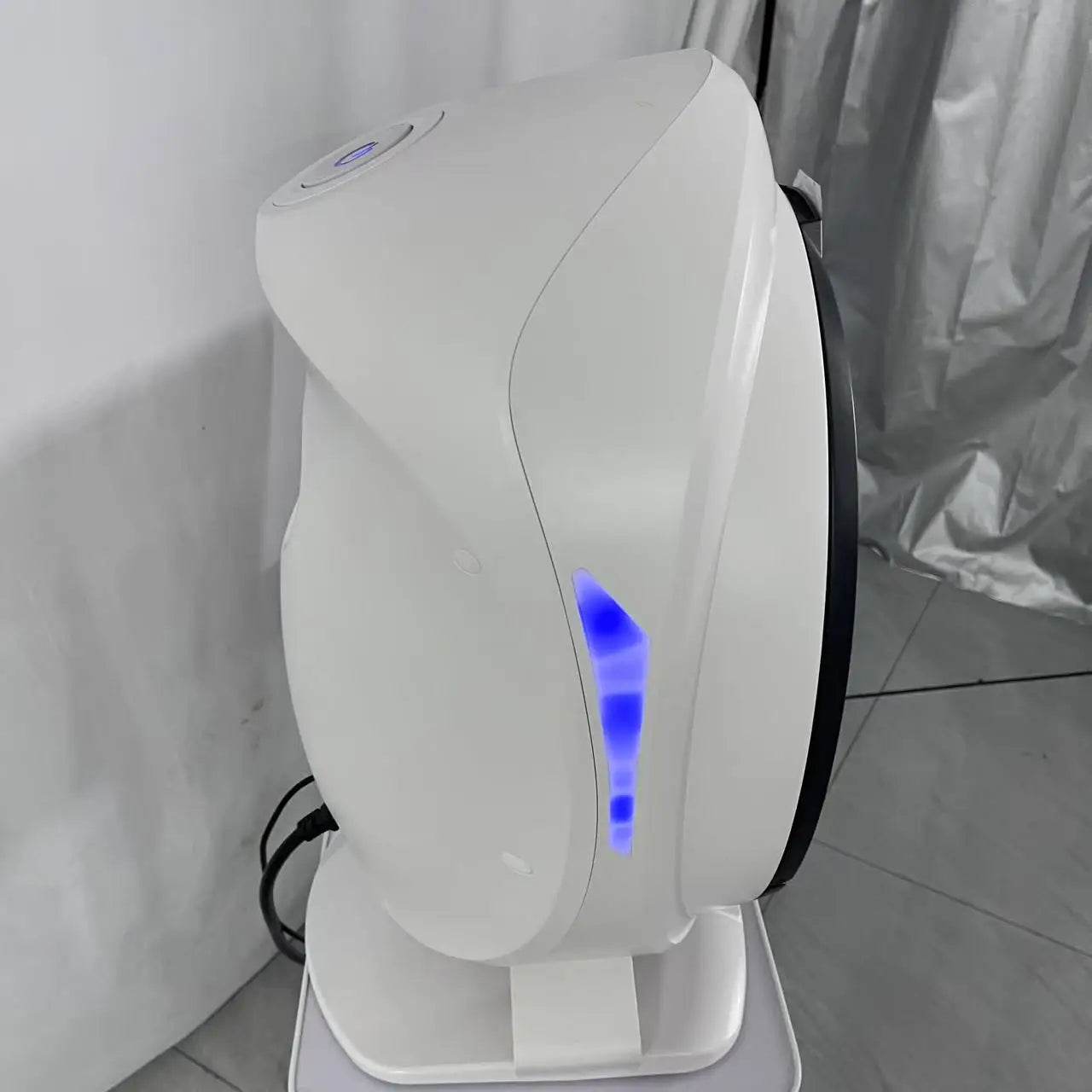
The accuracy of facial skin analysis depends on much more than the presence of AI. Camera resolution, lighting, image positioning, calibration, algorithm design, reference datasets, validation, and operator technique can all influence the result.
What Determines Analysis Accuracy?
Look for systems that produce consistent images, clearly explain what they measure, and are intended for the type of assessment being performed. Repeatability matters because a tool that produces substantially different results under slightly different capture conditions may be less useful for longitudinal tracking.
For professional settings, a system such as the AI Skin Analyzer for Professional 3D Facial Skin Analysis can serve as an example of a professional imaging approach. Its listed specifications include a 36MP industrial HD camera, AI and 8-spectrum imaging, and analysis of characteristics including acne, pigmentation, pores, wrinkles, moisture, sebum, skin tone, and elasticity.
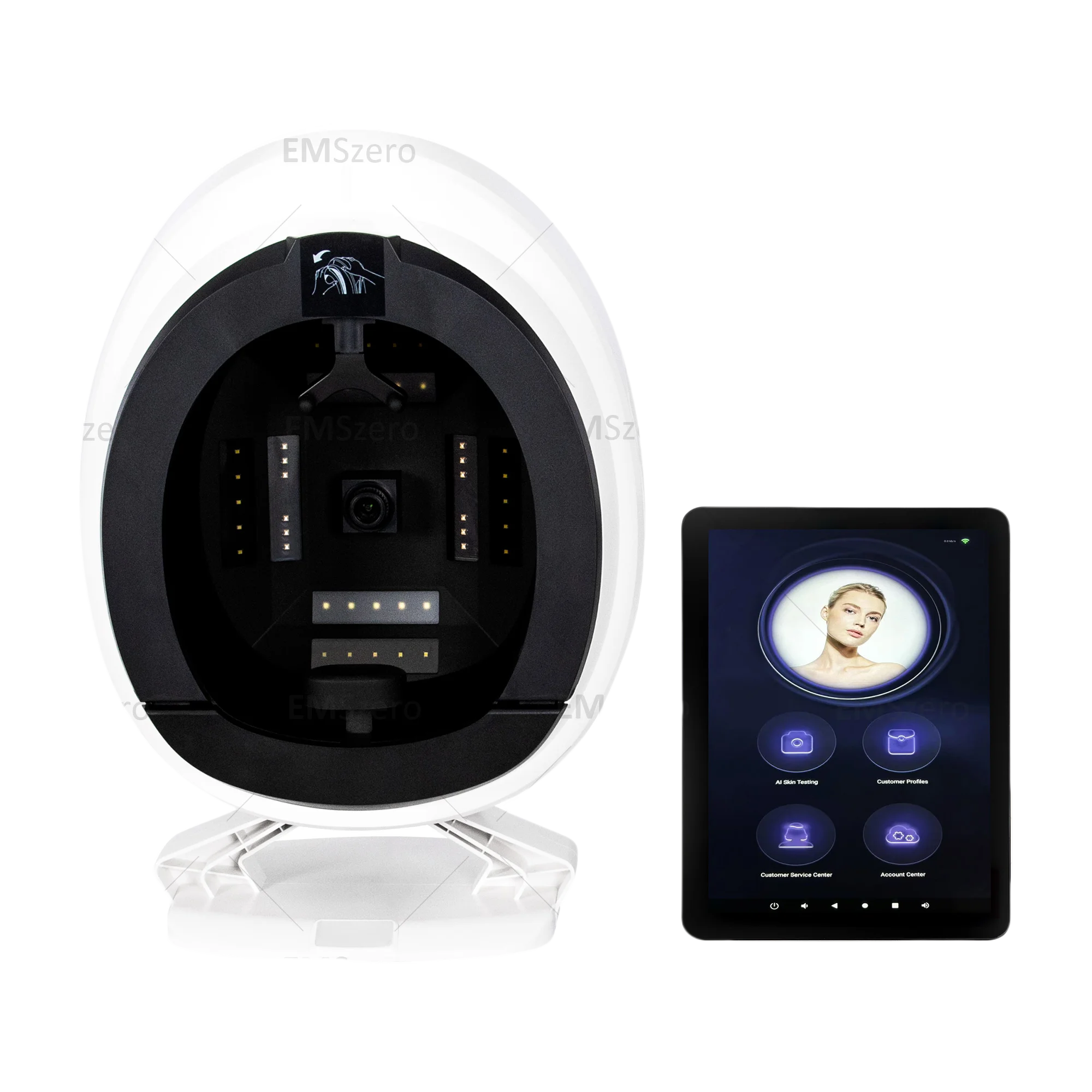
Measurable Finding vs. Interpretation
A useful distinction is between what the image shows and what someone concludes from it. An image may show a pigmentation pattern, redness, or texture difference. Determining the cause of that finding requires additional context and, when appropriate, professional or medical evaluation.
Common Sources of False Positives and False Negatives
Cosmetics, shadows, inconsistent lighting, image quality, temporary redness, skin tone variation, camera positioning, and algorithm limitations can affect analysis. A result that changes dramatically because of capture conditions should be treated cautiously.
How to Evaluate a Skin Analysis Tool Before Using It
- Check the intended use and target users.
- Review what the system actually measures rather than relying on broad marketing language.
- Look for information about image consistency and repeatability.
- Consider how transparent the measurements and reports are.
- Determine whether results can be tracked over time.
- Consider privacy and facial-image data handling.
- Use professional oversight when interpretation requires expertise.
For salons, clinics, and other professional environments, a dedicated skin and beauty care device collection can also provide context for evaluating analysis equipment alongside other skincare technologies.
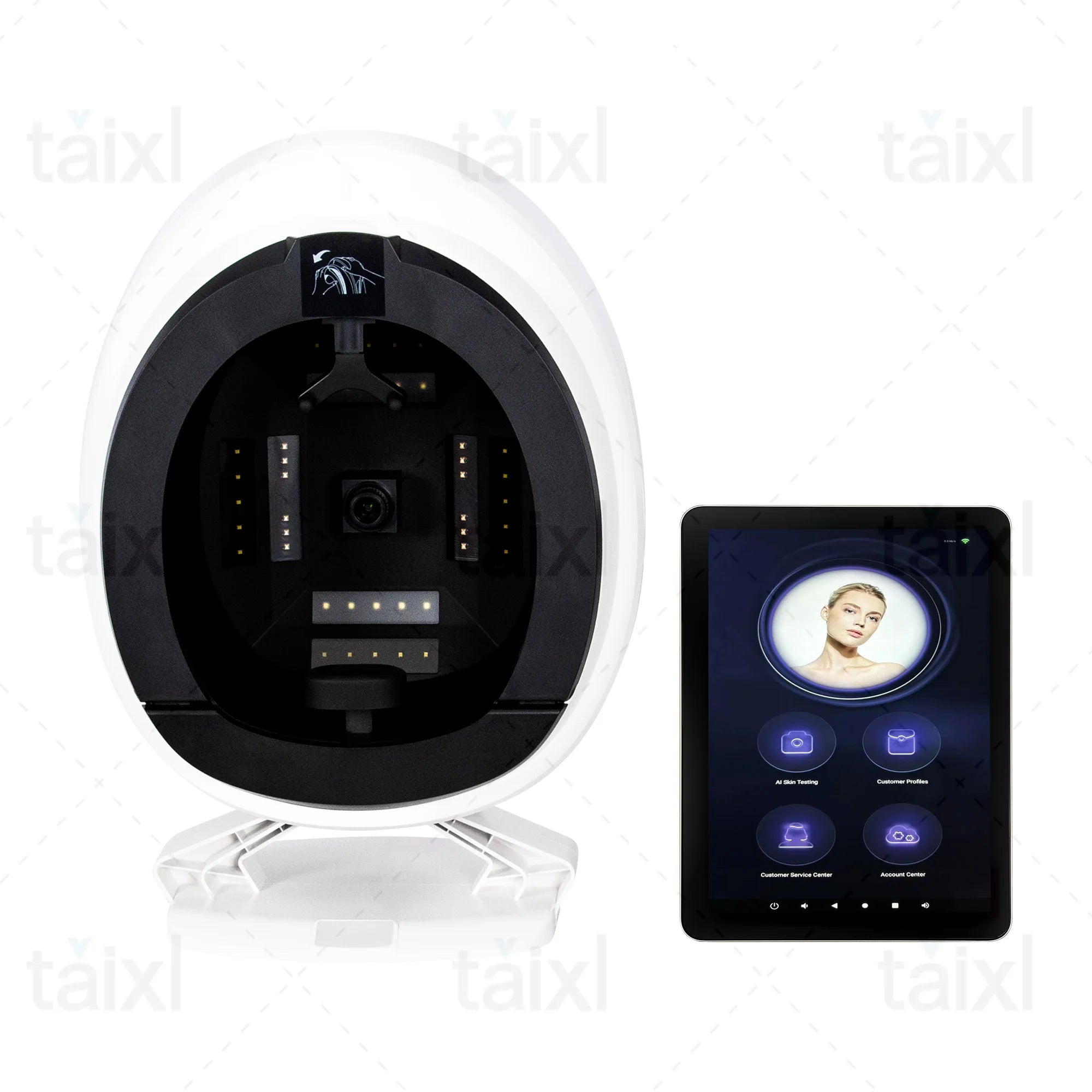
A professional-grade analyzer may be worth exploring when the goal is structured facial imaging and repeat consultation data rather than casual selfie analysis. The professional AI skin analyzer is designed for beauty salons, skincare clinics, and skin management businesses and provides digital analysis reporting and image tracking capabilities.
Can AI Skin Analysis Diagnose Skin Conditions?
No. AI skin analysis should not be treated as a substitute for medical diagnosis. Image-based systems can assist with feature detection, categorization, skincare consultation, routine personalization, and progress tracking, but diagnosis can require clinical history, physical examination, differential diagnosis, and other information unavailable to an image-only system.
AI Skin Analysis as an Assessment Aid
The strongest use case is structured observation. AI can help organize image-derived findings, highlight patterns, and create reports that make consultations more consistent. It can also make repeat comparisons easier when images are captured under similar conditions.
Why AI Output Is Not the Same as a Medical Diagnosis
An algorithm works within the limits of its training, data, imaging conditions, and intended application. A classification or score does not necessarily establish the cause of a skin finding. This distinction is especially important when an unusual or concerning lesion is involved.
When Professional or Medical Evaluation Is Appropriate
Persistent, changing, painful, bleeding, rapidly worsening, or otherwise concerning skin findings should receive appropriate professional or medical evaluation rather than being managed solely according to an AI-generated result.
How to Use Skin Analysis Results for Better Skincare Decisions
Prioritize the Most Actionable Findings
Do not try to correct every measured characteristic simultaneously. Prioritize findings that are relevant to the person's goals and supported by the overall assessment. Hydration, sun protection, pigmentation management, congestion, and texture may require different approaches.
Build a Baseline Before Changing Multiple Products
A baseline can make future changes easier to evaluate. Instead of introducing several new products at once, establish consistent observations first and make controlled adjustments when practical.
Readers interested in broader device-based skincare education can also browse the Beauty & Self-Care Blog for related topics.
Use Repeat Analysis to Track Trends
A single scan represents one point in time. Repeated analysis under consistent conditions can be more informative because it allows professionals to observe whether measurements or visual patterns are stable, improving, or changing.
Know When Analysis Is Not Enough
If a finding is unusual, persistent, symptomatic, or medically concerning, image analysis should not delay professional evaluation. Cosmetic assessment and medical diagnosis serve different purposes.
Professional Skin Assessment vs. At-Home Skin Analysis
At-Home Analysis: Best Use Cases
At-home tools can be useful for education, routine comparison, basic baseline tracking, and non-diagnostic monitoring. Their value is highest when users maintain consistent capture conditions and avoid treating automated scores as definitive medical conclusions.
Professional Analysis: Best Use Cases
Professional systems can provide more controlled image capture, structured reports, consultation support, and repeat tracking. A professional can also place image findings into the context of skincare history, goals, and observed skin characteristics.
A Practical Decision Guide
- Choose simple visual tracking when you only need to monitor obvious changes in appearance.
- Consider enhanced imaging when pores, texture, pigmentation patterns, or subtle changes need closer observation.
- Consider professional AI-assisted analysis when structured reports, repeat imaging, and consultation workflows are important.
- Seek medical evaluation when findings are persistent, changing, painful, bleeding, rapidly worsening, or otherwise concerning.
For professionals building a broader technology setup, related categories such as body care and health devices can complement a dedicated facial analysis workflow, but the appropriate equipment should always be selected according to its intended use.
Conclusion: Use Skin Analysis to See More, Not to Assume More
Hidden skin concerns analysis can reveal information that ordinary visual inspection may not consistently capture. Dehydration-related indicators, pigmentation patterns, pore and sebum characteristics, redness, texture changes, and subtle aging indicators can become easier to observe through controlled imaging and repeat assessment.
The key is to interpret those findings appropriately. High-resolution cameras, specialized imaging, and AI can provide valuable assessment support, but their outputs depend on image quality, technology, algorithms, and context. They should not be treated as automatic medical diagnoses.
For professional skincare consultations, the strongest workflow combines clean-skin observation, consistent imaging, measurable findings, contextual interpretation, and longitudinal tracking. If a professional facial analysis system fits that workflow, the AI Skin Analyzer for Professional 3D Facial Skin Analysis offers 36MP imaging, 8-spectrum technology, AI-assisted analysis, digital reporting, and image tracking for professional skin assessment.
Pillar Article: AI Facial Analyzer for Estheticians: Best Options Compared













