

Do running shoe inserts for high impact really work?
Yes. High impact running shoe inserts help reduce the stress created by repetitive foot strikes by absorbing, dispersing, and returning part of the force generated with every stride. During running, impact forces commonly reach 2–3 times your body weight, making proper underfoot support an important factor for comfort, performance, and long-term joint health.
Unlike basic factory insoles, shock absorbing running shoe inserts are engineered to improve running mechanics by:
- Distributing impact forces more evenly across the foot
- Reducing muscle vibration that contributes to fatigue
- Supporting foot alignment to help control excessive pronation
- Improving energy return for a smoother, more efficient stride
The materials used play a significant role in both comfort and durability:
- EVA foam: Lightweight cushioning that delivers a soft, responsive ride for everyday training.
- PU foam: Denser construction with excellent compression resistance for long-term support.
- Gel inserts: Targeted shock absorption in high-impact zones such as the heel and forefoot.
- Carbon or TPU plates: Increase stability while improving energy transfer during toe-off.
For runners logging frequent miles or training on hard surfaces, quality high impact running inserts can reduce leg fatigue, improve comfort during longer runs, and help maintain consistent performance throughout demanding training cycles. While they cannot replace worn-out running shoes, they are an effective upgrade when your footwear still has a healthy midsole but needs improved support.
High Impact Running Shoe Inserts Built for Serious Training
⏱ 6 min read
High impact running shoe inserts are designed for runners who want more comfort, better shock absorption, and improved efficiency without replacing an otherwise good pair of running shoes. Whether you're training for a marathon, increasing weekly mileage, or simply recovering from hard workouts, the right inserts can help minimize impact stress and keep you running comfortably mile after mile.
Best Running Shoe Inserts for High Impact (Top Picks)
Best Overall High Impact Running Inserts
Balanced Performance: The best all-around models combine responsive cushioning, reliable arch support, and long-lasting durability, making them suitable for daily training, tempo runs, and race preparation.
Best for Heavy Runners
High-Density Support: Running insoles for heavy runners typically use durable PU foam, reinforced heel structures, and firmer support zones to resist compression while maintaining consistent shock absorption over high mileage.
Best for Long Distance Running
Endurance Cushioning: Multi-layer cushioning systems help reduce fatigue accumulation by minimizing repetitive impact and maintaining comfort throughout extended training sessions and races.
Best for Arch Support & Stability
Alignment Focus: Structured arch support improves foot stability and promotes more efficient biomechanics, making these inserts especially beneficial for runners with flat feet or mild overpronation.
Best Budget Shock Absorbing Insoles
Affordable Protection: EVA-based inserts offer dependable shock absorption and everyday comfort for recreational runners seeking better cushioning without a premium price tag.
Comparison Table: Best High Impact Running Shoe Inserts
| Feature | Options | Best For |
|---|---|---|
| Cushioning Type | EVA, PU, Gel, Hybrid | Different comfort and support preferences |
| Shock Absorption | Moderate to Maximum | Reducing repetitive impact during training |
| Arch Support | Low, Medium, High | Neutral feet, flat feet, or high arches |
| Typical Durability | 3–12 months | Varies by material, mileage, and running frequency |
| Recommended Runner | Heavy runners, distance runners, stability seekers, budget buyers | Matching support to training goals |
Use this comparison as a quick reference when choosing high impact running inserts. The ideal option depends on your body weight, foot mechanics, weekly mileage, and the amount of cushioning or stability you prefer rather than a single "best" design.
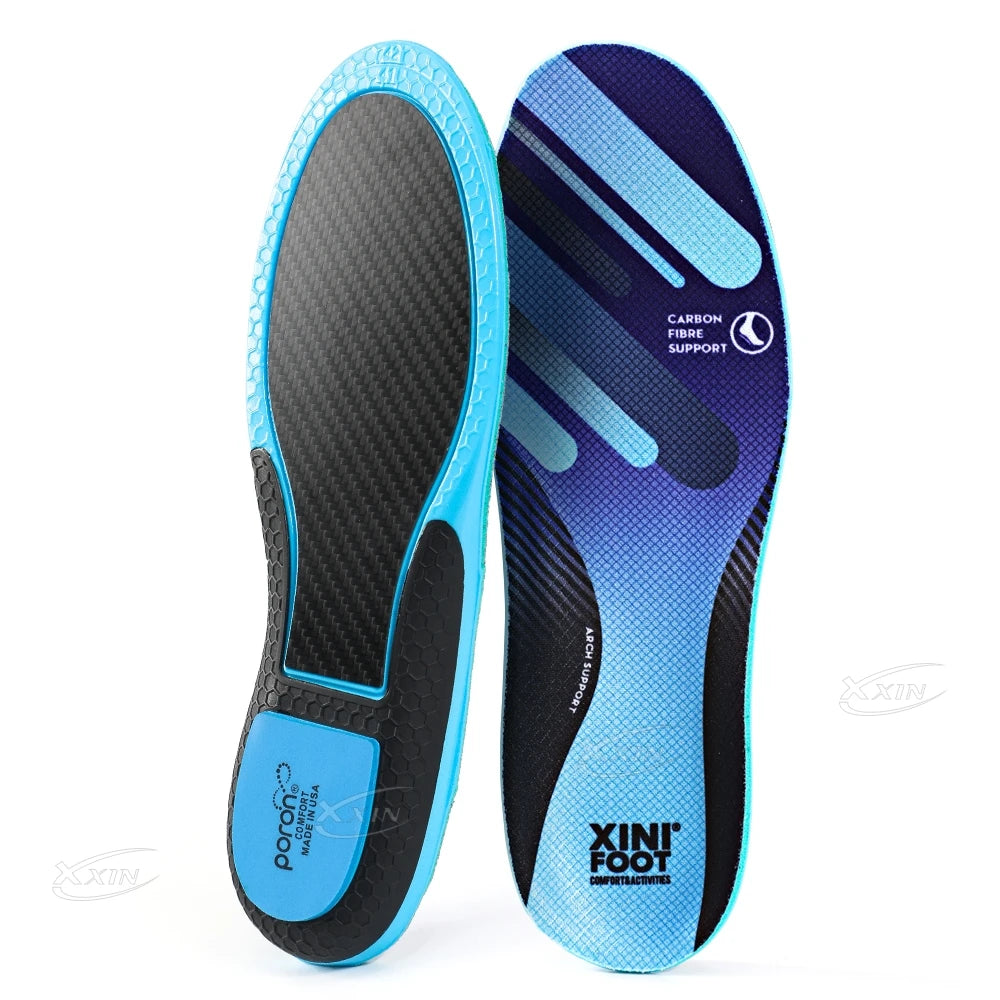
High impact running shoe inserts supporting stride stability. See them in action.
Why High-Impact Running Causes Fatigue and Joint Stress
Every running stride produces a ground reaction force that travels from your feet through your ankles, knees, hips, and lower back. Over thousands of steps, these repeated loads can gradually increase muscle fatigue, reduce running efficiency, and make recovery more challenging, especially during high-mileage training or running on hard surfaces.
The most common factors behind this fatigue include:
- Impact accumulation: Repeated loading places ongoing stress on joints, tendons, and connective tissues.
- Muscle vibration: Small oscillations in the lower-leg muscles require additional energy to stabilize each stride.
- Poor force distribution: Uneven pressure concentrates stress on specific areas of the foot and lower limbs.
- Energy loss: Insufficient cushioning and support can reduce running efficiency and increase overall effort.
Well-designed shock absorbing running shoe inserts help interrupt this cycle by dispersing impact forces more evenly, reducing unnecessary muscle vibration, and providing consistent underfoot support. While they cannot eliminate fatigue entirely, they can improve comfort, delay the onset of soreness, and help runners maintain better form during demanding training sessions.
What Makes High Impact Running Shoe Inserts Different?
High impact running shoe inserts are purpose-built to withstand the repetitive loading created by running, sprinting, and other high-impact activities. Unlike standard factory insoles that primarily provide basic comfort, high performance inserts combine advanced materials, structural support, and biomechanical design to improve shock dispersion, stability, and long-term durability.
EVA vs TPU vs Gel
Each cushioning material offers distinct advantages depending on your running style and training goals:
- EVA foam: Lightweight and responsive, making it an excellent choice for daily training and runners who prefer a softer ride.
- TPU: Delivers greater resilience and energy return while resisting compression over extended mileage.
- Gel: Provides targeted shock absorption beneath the heel and forefoot where impact forces are typically highest.
Carbon Support Plates
Some premium running inserts incorporate carbon or composite support plates to increase torsional stability and improve force transfer during toe-off. Rather than simply adding stiffness, these plates help maintain foot alignment under heavy loads while promoting a more efficient stride.
Energy Return vs Cushioning
More cushioning does not always mean better performance. Effective shock absorbing running shoe inserts balance impact protection with responsiveness so the foot remains stable while still returning energy with each step. This combination helps reduce wasted motion without creating an overly soft or unstable platform.
Together, multi-layer construction, targeted support zones, and durable materials allow performance shoe inserts for runners to maintain their shape longer and provide more consistent comfort than standard insoles during demanding training.
How These Inserts Reduce Leg and Muscle Fatigue
High impact running shoe inserts help reduce fatigue by interrupting a common biomechanical chain: impact → vibration → muscle strain → fatigue . By managing forces before they travel through the lower body, the inserts allow muscles to work more efficiently throughout a run.
- Impact control: Cushions repetitive foot strikes to reduce the amount of force transmitted through the ankles, knees, and hips.
- Vibration dampening: Minimizes muscle oscillation, allowing muscles to conserve energy over long distances.
- Alignment support: Encourages more consistent foot mechanics, helping reduce inefficient movement patterns that contribute to overuse.
- Energy efficiency: Supports smoother transitions from heel strike to toe-off, improving stride consistency throughout training.
Although inserts cannot eliminate fatigue entirely, they can help runners maintain better running mechanics, improve comfort, and reduce cumulative muscle stress during frequent or high-mileage training sessions.
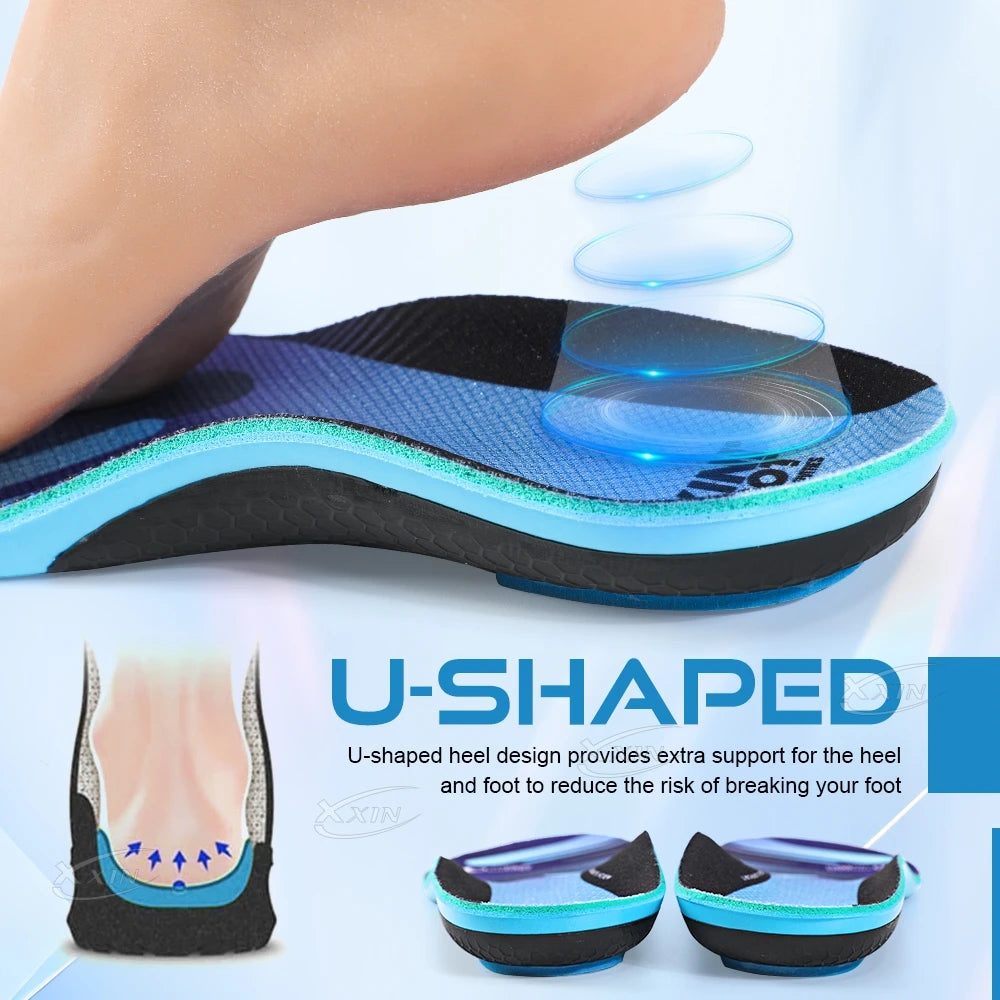
Engineered support that reduces muscle fatigue in athletes. See it in action.
High Impact Running Inserts vs Standard Insoles
| Feature | High Impact Running Shoe Inserts | Standard Insoles |
|---|---|---|
| Primary Purpose | Manage repetitive impact during running and other high-load activities | Provide basic everyday comfort |
| Shock Management | Engineered to disperse high-impact forces across the foot | Limited cushioning with minimal impact control |
| Arch Support | Structured support for improved alignment and stability | Generic or minimal support |
| Durability | Maintains cushioning and shape through higher mileage | Compresses and loses support more quickly |
| Energy Return | Responsive materials help improve stride efficiency | Little to no energy return |
| Fatigue Reduction | Helps reduce cumulative leg and muscle fatigue during training | Limited benefit during longer or more intense runs |
For recreational walking, standard insoles may be sufficient. However, runners who train regularly, increase mileage, or experience recurring foot and leg fatigue generally benefit from dedicated high impact running inserts designed for repeated loading and long-term performance.
How to Choose the Best Running Shoe Inserts for High Impact
Based on Body Weight
Runners with higher body weight typically generate greater ground reaction forces. Inserts made with dense PU foam or hybrid cushioning materials maintain their shape longer and provide more consistent support under repeated compression.
Based on Running Style
Heel strikers usually benefit from enhanced heel cushioning and smooth heel-to-toe transitions, while midfoot and forefoot runners often prefer balanced forefoot cushioning with enough flexibility to maintain a natural stride.
Based on Distance & Terrain
For long-distance road running, prioritize anti fatigue running insoles with durable cushioning and reliable energy return. Trail runners should look for inserts that combine impact protection with lateral stability to handle uneven terrain.
Based on Foot Type
Foot shape has a major influence on comfort and biomechanics. Flat feet often benefit from structured arch support insoles for running that improve stability, while runners with high arches generally need additional cushioning to distribute pressure more evenly across the foot.
Based on Pronation
Neutral runners typically perform well with balanced cushioning, whereas runners who overpronate may benefit from firmer medial support that helps guide foot motion without excessively restricting natural movement.
Based on Training Goals
Your ideal insert should match your primary objective. Recovery runs often favor maximum cushioning, speed-focused workouts benefit from responsive materials with good energy return, and high-volume training requires durable inserts that maintain consistent support throughout hundreds of miles.
How to Use Running Inserts for Maximum Performance
Sizing and Trimming
- Remove the factory insole from your running shoe.
- Compare it with the new insert and trim along the marked guidelines if necessary.
- Place the insert flat inside the shoe, ensuring the heel sits securely against the back of the heel cup.
- Check that the arch support aligns comfortably with your natural arch before running.
Break-In Period
Most runners adapt to new high impact running inserts within a few training sessions. Begin with shorter runs or easy recovery workouts before using them for long runs, speed sessions, or races. This gradual adjustment allows your feet and lower-leg muscles to adapt to the new support profile.
Replacement Schedule
Inspect your inserts regularly for signs of wear, including compressed cushioning, visible cracks, uneven pressure points, or reduced comfort. Depending on material quality, running frequency, and mileage, most performance inserts should be replaced every 3 to 12 months to maintain consistent cushioning and support.
For runners investing in long-term performance and recovery, pairing quality inserts with recovery tools from the Body Care and Health Devices collection can further support training consistency and overall comfort.
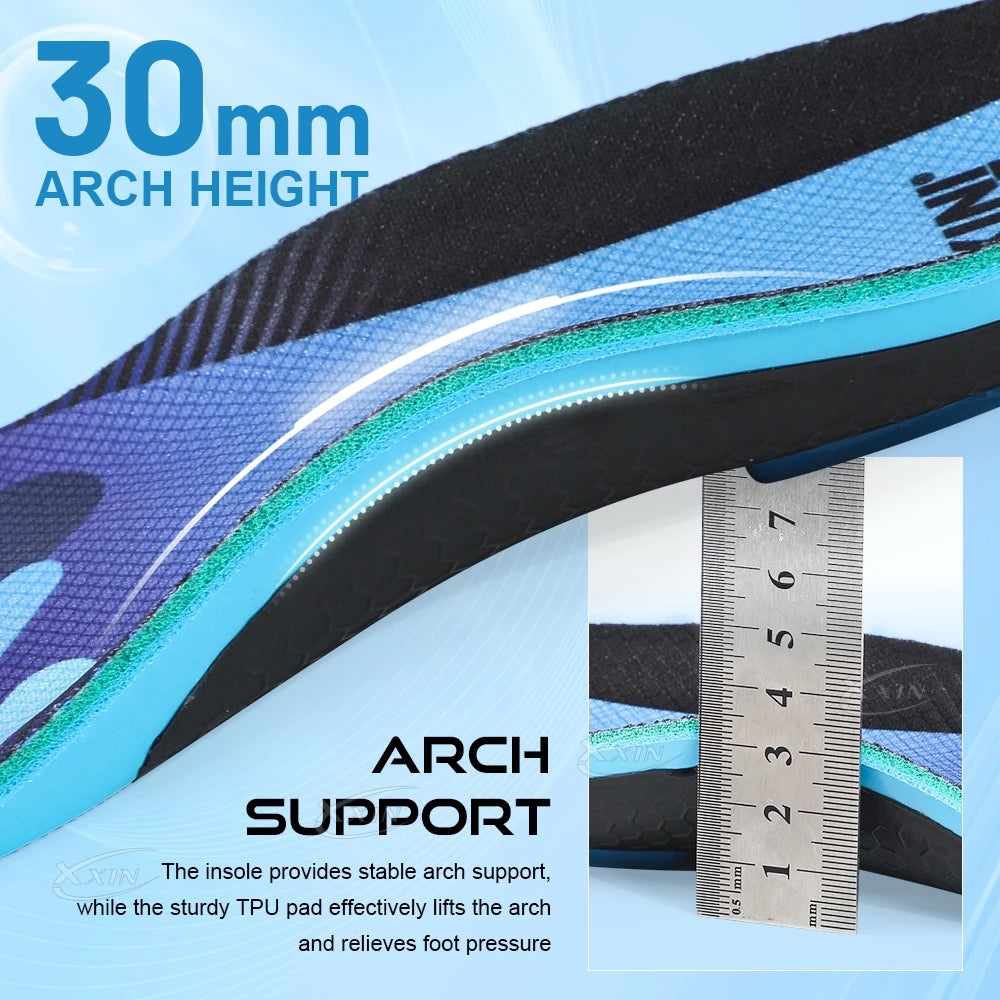
Built for serious mileage and recovery. See it in action.
Frequently Asked Questions
Can running shoe inserts help prevent knee pain?
They can help reduce the stress placed on the knees by improving shock absorption and supporting better foot alignment. While inserts cannot prevent injuries on their own, they may lower the risk of impact-related discomfort when combined with well-fitting running shoes, sensible training progression, and adequate recovery.
Are shock absorbing inserts worth it for marathon training?
For many distance runners, yes. Shock absorbing running shoe inserts can improve comfort over high weekly mileage, reduce cumulative muscle fatigue, and help maintain consistent running mechanics during long training blocks.
What are the best insoles for heavy runners?
The best insoles for high impact running by heavier athletes typically feature dense PU foam, hybrid cushioning systems, or reinforced support structures that resist compression while delivering reliable stability over extended mileage.
Do arch support insoles improve running performance?
Appropriate arch support can improve comfort and running efficiency by promoting better foot alignment and reducing unnecessary movement. The greatest benefits are seen when the support level matches your individual foot shape and gait.
How often should running insoles be replaced?
Most performance running insoles last between 3 and 12 months, depending on material quality, weekly mileage, body weight, and training intensity. Replace them sooner if cushioning feels noticeably reduced or uneven wear develops.
Can I move my inserts between different running shoes?
Yes. Most aftermarket running inserts can be transferred between shoes of a similar size and shape. Check that the insert lies flat inside each shoe and that the heel and arch remain properly aligned before running.
Related Guide: Full Length Carbon Plate Insoles Explained for Maximum Power













