

Does a High Power Handheld Vacuum Really Work?
Yes. A high power handheld vacuum can effectively remove crumbs, pet hair, dust, and other everyday debris from cars, upholstery, stairs, and tight spaces when it combines strong suction pressure (Pa), efficient airflow, reliable battery performance, and a well-designed nozzle. While suction ratings matter, overall cleaning performance depends on how these components work together rather than on Pa alone.
High Power Handheld Vacuum Performance Explained Simply
⏱ 6 min read
Have you ever vacuumed your car seats only to find crumbs still trapped in the seams? Or bought a compact vacuum advertised as "high power" that produced little more than warm air? Those experiences often come down to misunderstanding what makes a handheld vacuum genuinely effective. Understanding suction pressure, airflow, filtration, and battery performance makes it much easier to choose a model that delivers reliable everyday cleaning.
In this guide, you'll learn what Pa means in vacuum cleaners, how suction actually works, and why a balanced design often cleans better than impressive specifications alone.
Discover how this handheld vacuum performs in real homes
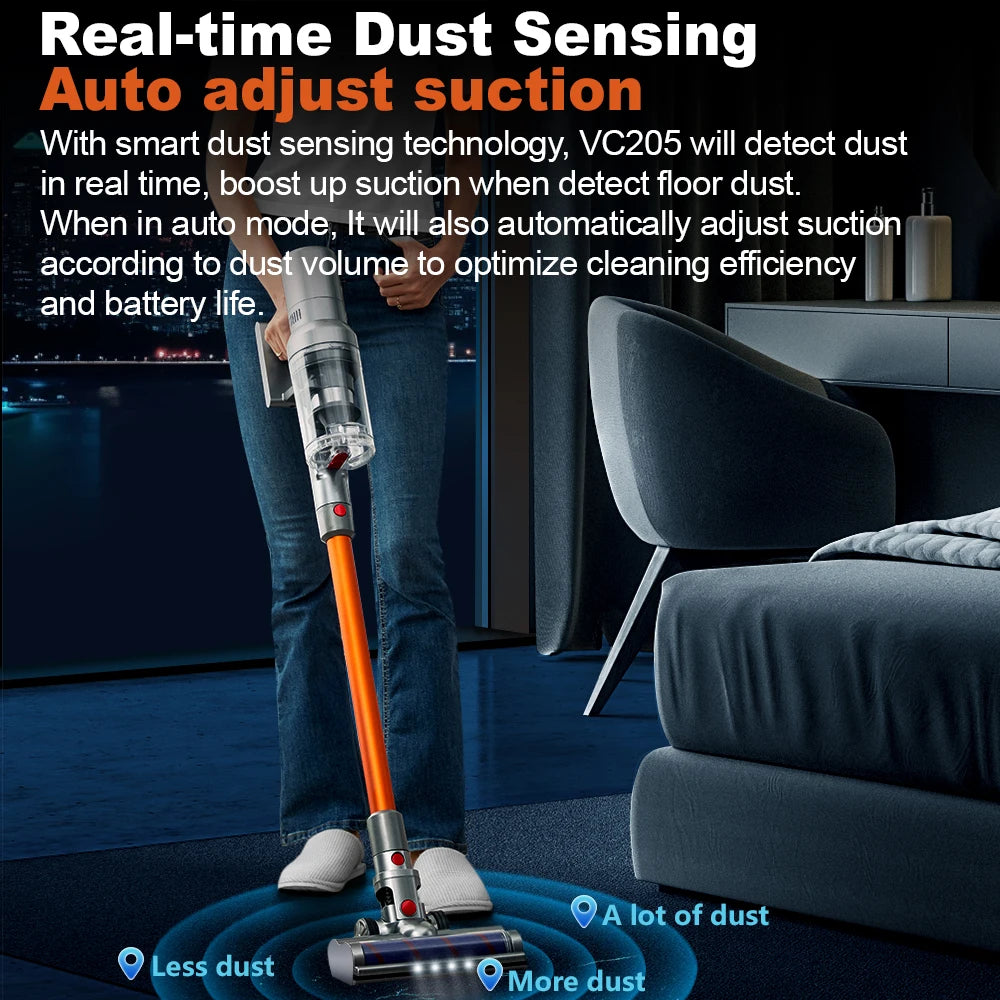
High power handheld vacuum with strong suction for everyday messes — See it in action
What Does Pa Mean in Vacuum Cleaners?
Pa (Pascal) is the standard unit used to measure suction pressure in a vacuum cleaner. It tells you how much negative pressure the vacuum can create to pull air, dust, crumbs, and other debris through the nozzle and into the collection bin. In simple terms, the higher the Pa rating, the greater the vacuum's potential suction force.
However, suction pressure is only one part of overall cleaning performance. Airflow, filtration, motor efficiency, and the design of the cleaning head all determine how effectively a vacuum removes dirt in real-world conditions.
What the Pascal (Pa) unit actually measures
A Pascal is the SI unit of pressure. Vacuum manufacturers use thousands of Pascals because household vacuum cleaners generate pressure differences far greater than a single Pascal.
Typical suction ranges include:
- 5,000 Pa — suitable for light dust and loose debris.
- 10,000–15,000 Pa — common for quality handheld vacuums used around the home and inside vehicles.
- 20,000 Pa or higher — often found on more powerful cordless vacuums designed for heavier cleaning tasks.
These figures indicate the maximum pressure difference the motor can create, helping compare suction capability across different vacuum models.
How negative pressure creates suction
A vacuum cleaner works by spinning a high-speed motor that lowers the air pressure inside the machine. Because the surrounding air is at a higher pressure, it naturally rushes toward the vacuum opening, carrying dust and debris along with it.
This pressure difference—commonly called negative pressure—is exactly what the Pa rating measures. The greater the pressure difference, the stronger the potential pulling force at the nozzle.
Why vacuum brands use Pa ratings
Manufacturers publish Pa ratings because they provide an objective way to describe suction pressure instead of relying on vague marketing claims such as "extra powerful" or "high performance."
Even so, shoppers should avoid judging a vacuum solely by its Pa specification. Two handheld vacuums with identical suction ratings can deliver noticeably different cleaning results depending on airflow efficiency, brush design, filtration quality, and how consistently the motor maintains suction throughout the cleaning session.
How Vacuum Suction Works: Pressure, Airflow, and Cleaning Performance
Vacuum cleaners remove dirt by combining suction pressure with continuous airflow. While the Pa rating measures the pressure difference created by the motor, effective cleaning also depends on how efficiently air moves through the nozzle, filtration system, and dust container. Understanding these principles makes it easier to compare vacuum specifications with real-world performance.
How pressure difference creates suction
Inside a vacuum cleaner, an electric motor spins a fan at extremely high speed. As the fan rotates, it lowers the air pressure within the vacuum housing.
Air naturally flows from areas of higher pressure to lower pressure. This movement creates a stream of air entering the vacuum nozzle, carrying dust, crumbs, pet hair, sand, and other debris into the collection bin.
The larger the pressure difference between the surrounding air and the inside of the vacuum, the greater the potential suction force. This pressure difference is represented by the vacuum's Pa rating.
Why airflow matters alongside Pa
Strong suction pressure alone cannot guarantee excellent cleaning. A vacuum also needs sufficient airflow to transport debris efficiently from the cleaning head to the dust container.
If airflow becomes restricted by narrow passages, clogged filters, or an inefficient dust collection system, debris may not move effectively even when the vacuum produces an impressive Pa rating.
The most effective handheld vacuums balance:
- High suction pressure to loosen dirt.
- Consistent airflow to carry debris away.
- Efficient filtration that minimizes airflow loss as the dust bin fills.
Why higher Pa alone doesn't guarantee better cleaning
A higher Pa specification generally improves a vacuum's ability to lift embedded dirt, but it should never be viewed as the only measure of cleaning performance.
- Lower suction works well for loose dust and surface debris.
- Moderate suction handles everyday household cleaning on hard floors and upholstery.
- Higher suction is more effective for pet hair, carpet fibers, and narrow crevices.
However, if the nozzle design fails to direct airflow efficiently or the filtration system quickly becomes clogged, a vacuum with a higher Pa rating may perform no better than a lower-rated model. For this reason, experienced buyers compare suction pressure alongside airflow, filtration quality, and cleaning head design.
How to Interpret a Vacuum's Pa Rating
A vacuum's Pa rating indicates its maximum suction pressure, making it a useful specification when comparing similar products. The rating provides a helpful starting point, but it should always be considered alongside airflow, battery performance, filtration, and overall engineering.
Typical Pa ranges by vacuum type
Different categories of vacuum cleaners are designed for different cleaning tasks, so their typical suction ratings vary considerably.
- Robot vacuums: approximately 1,500–5,000 Pa for routine floor maintenance.
- Handheld vacuums: around 8,000–15,000 Pa for cars, furniture, stairs, and everyday spot cleaning.
- Cordless stick vacuums: roughly 15,000–30,000 Pa for whole-home cleaning.
- Full-size upright vacuums: often exceed 20,000 Pa and are designed for demanding carpet cleaning.
Comparing Pa ratings within the same vacuum category provides a more meaningful benchmark than comparing different product types.
Average handheld and cordless Pa ratings
Most quality handheld vacuums deliver between 10,000 and 15,000 Pa , which is sufficient for removing crumbs, dust, pet hair, and everyday debris from vehicles, upholstery, desks, and hard floors.
Premium cordless stick vacuums frequently advertise suction ratings above 20,000 Pa , providing additional cleaning power for carpets, rugs, and larger living spaces.
What manufacturers don't tell you
Manufacturers often highlight the highest achievable Pa rating because it is easy to compare across products. However, the published figure does not always indicate how consistently that suction is maintained during normal use.
When evaluating a vacuum, also consider:
- Whether suction remains stable as the battery discharges.
- The efficiency of the filtration system.
- Nozzle and brush design for different floor types.
- Airflow efficiency throughout the entire cleaning path.
A well-engineered vacuum balances all of these factors, delivering dependable cleaning performance rather than relying on a single headline specification.
How Much Pa Suction Is Good?
The ideal Pa rating depends on the surfaces you clean most often and the type of debris you need to remove. A higher suction rating is useful for demanding jobs, but choosing a vacuum with more power than you need can reduce battery runtime without providing noticeable benefits for everyday cleaning.
Recommended Pa for hard floors
Hard surfaces generally require less suction because dust and debris sit on top of the floor rather than becoming embedded in fibers.
- 5,000–8,000 Pa: Light dust, crumbs, and everyday touch-ups.
- 8,000–12,000 Pa: Hardwood, laminate, vinyl, and tile floors with regular household debris.
- 10,000–15,000 Pa: Cars, furniture, stairs, and routine home cleaning.
For most handheld vacuum users, a suction rating between 10,000 and 15,000 Pa provides an effective balance of cleaning power, portability, and battery efficiency.
Recommended Pa for carpets and pet hair
Soft surfaces require stronger suction because dirt, pet hair, and fine dust become trapped between carpet fibers and upholstery fabric.
- 12,000–18,000 Pa: Area rugs and thicker upholstery.
- 15,000–20,000 Pa: Pet hair, sand, and heavier household debris.
- 20,000+ Pa: Deep carpet cleaning and more demanding cleaning applications.
When cleaning pet hair, brush design and airflow remain just as important as suction pressure. A well-designed cleaning head can often outperform a higher-Pa vacuum with a less efficient nozzle.
Choosing the right suction for everyday cleaning
Rather than focusing exclusively on the highest advertised Pa rating, match the vacuum to the cleaning tasks you perform most often.
- Small apartments and offices typically benefit from moderate suction and longer battery life.
- Vehicles and upholstered furniture usually clean effectively with handheld vacuums rated around 10,000–15,000 Pa.
- Homes with pets or multiple carpeted rooms often benefit from higher suction combined with efficient filtration.
Selecting the right balance of suction power, runtime, and airflow typically delivers better everyday performance than choosing a vacuum based solely on the highest specification.
Pa vs Air Watts vs CFM: What's the Difference?
Manufacturers use several performance measurements to describe vacuum cleaners. Understanding what each metric represents makes it easier to compare models and avoid relying on a single specification.
What each metric measures
- Pa (Pascal): Measures suction pressure, or the vacuum's ability to create a pressure difference that lifts debris.
- Air Watts: Estimate total cleaning power by combining suction pressure with airflow.
- CFM (Cubic Feet per Minute): Measures the volume of air moving through the vacuum each minute.
Each specification describes a different aspect of vacuum performance, which is why manufacturers may publish one, two, or all three measurements.
Which metric predicts cleaning performance best
No single measurement accurately predicts how well a vacuum will clean in every situation.
Pa indicates how strongly the vacuum can pull debris from surfaces, while Air Watts provide a broader indication of usable cleaning power. CFM reflects how effectively air carries loosened debris through the vacuum system.
In practical use, the best cleaning results come from a combination of strong suction, unrestricted airflow, effective filtration, and a well-designed cleaning head.
When to compare multiple specifications
Comparing several performance metrics is especially useful when evaluating vacuums in the same category.
- Use Pa to compare suction pressure.
- Review Air Watts when available to estimate overall cleaning power.
- Consider CFM , filtration quality, battery consistency, and nozzle design for a more complete picture of real-world performance.
Looking beyond a single specification helps you identify vacuums that deliver consistent cleaning performance instead of simply advertising the highest suction rating.
What Else Affects Vacuum Cleaning Performance?
Suction pressure is only one part of an effective cleaning system. The best handheld vacuums combine a capable motor with efficient airflow, well-designed cleaning tools, and filtration that maintains consistent performance from start to finish.
Brush roll and nozzle design
The cleaning head is the first point of contact with dust and debris. A thoughtfully designed nozzle directs airflow where it is needed most, while brushes or bristles loosen particles trapped in upholstery, carpet fibers, and narrow crevices.
For example, a crevice tool concentrates suction inside tight spaces, while a wider nozzle covers larger surfaces more quickly. This is one reason two vacuums with similar Pa ratings can produce noticeably different cleaning results.
- Brushes help lift embedded dirt and pet hair.
- Narrow nozzles increase concentrated suction in confined spaces.
- Well-designed airflow channels reduce turbulence and improve debris pickup.
Filtration and sealed airflow
Filtration does more than capture fine dust. An efficient, well-sealed filtration system helps maintain consistent airflow by preventing leaks and reducing the likelihood of premature filter clogging.
Many modern handheld vacuums use multi-stage or cyclone filtration to separate larger particles before they reach the primary filter. This design helps preserve suction during longer cleaning sessions while reducing maintenance requirements.
Motor efficiency and battery performance
Motor design and battery technology directly influence how consistently a cordless vacuum performs. Instead of focusing solely on peak suction, look for models that maintain stable power throughout most of the battery cycle.
Efficient motors convert battery energy into sustained airflow more effectively, helping deliver reliable cleaning without excessive heat generation or rapid battery drain. Intelligent battery management systems also help maintain consistent performance as the charge level decreases.
Explore this handheld vacuum with strong suction
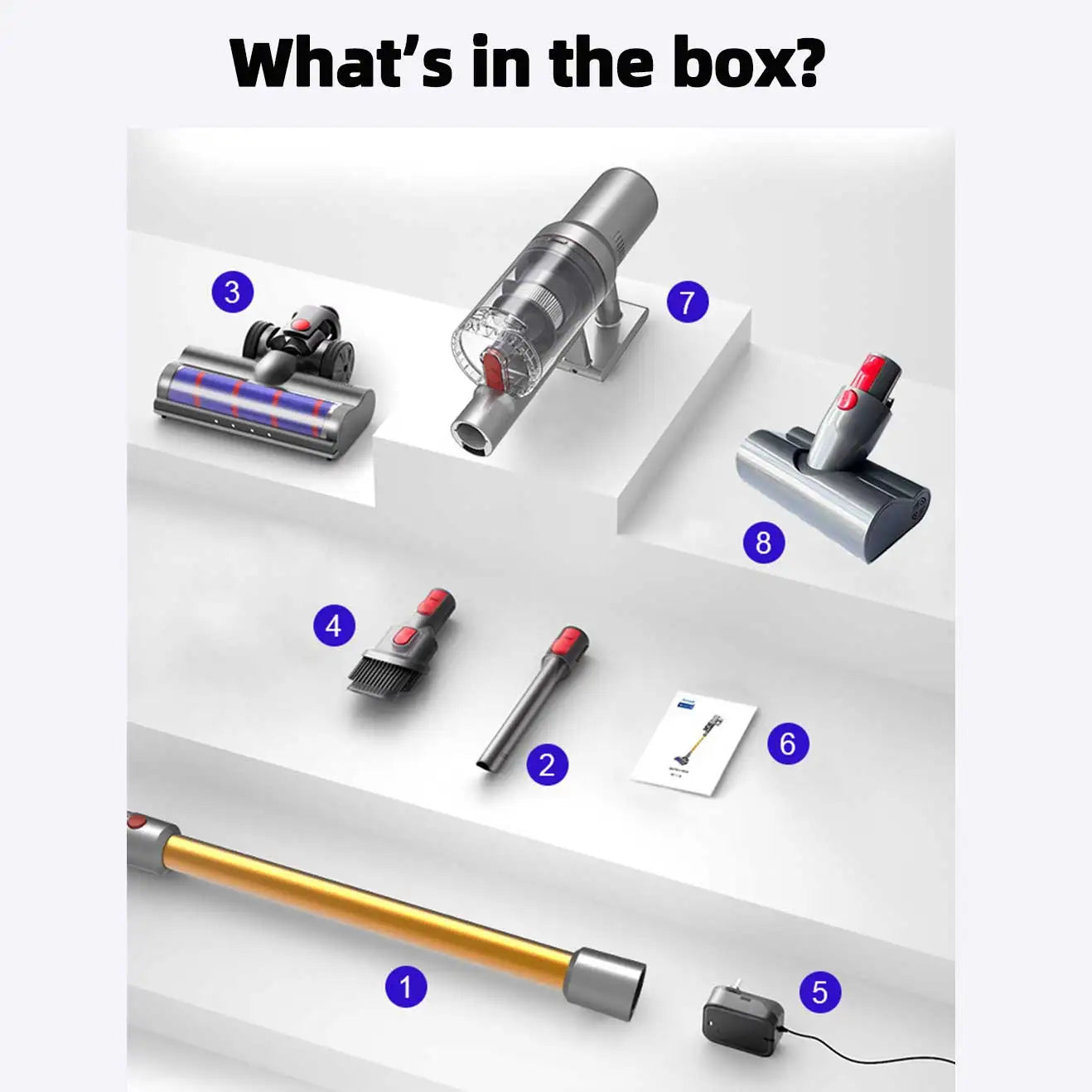
Cordless battery vacuum cleaner built for consistent performance — See how it handles real messes
Get yours now — limited stock!
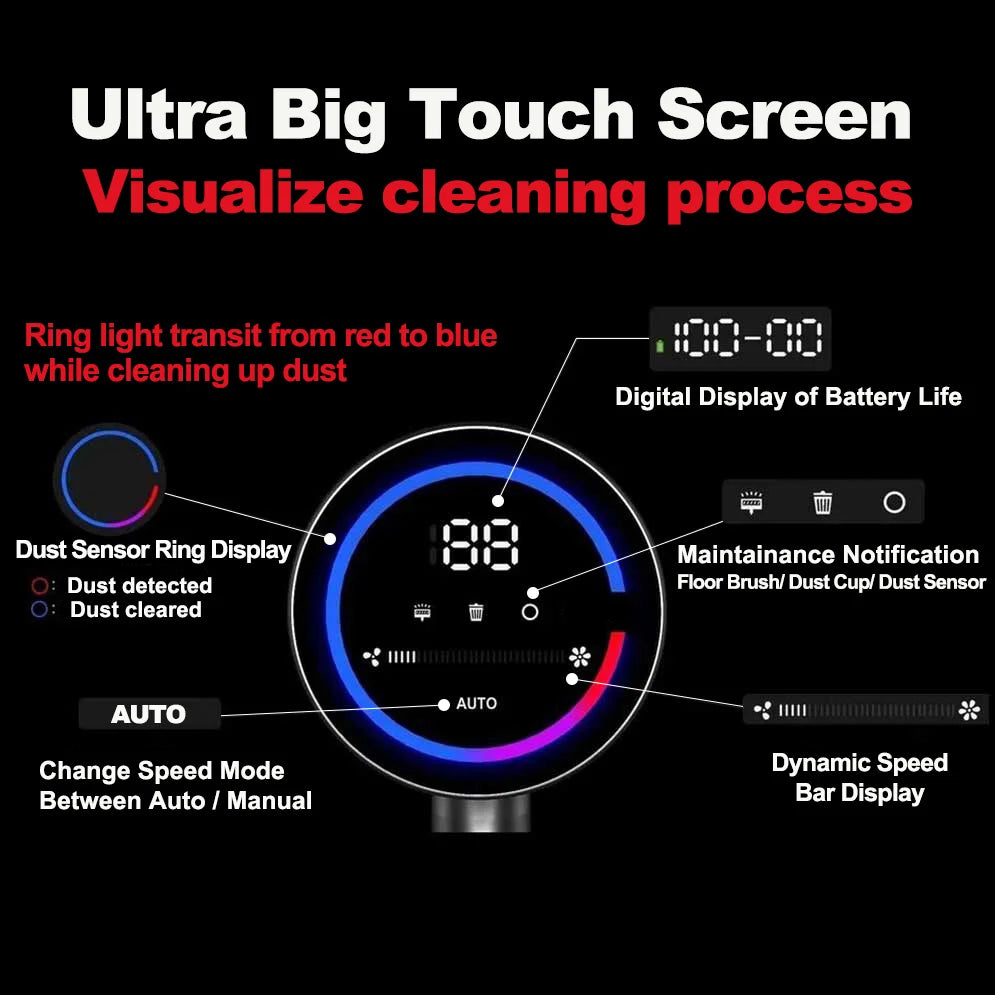
Portable vacuum cleaner designed for small spaces and fast results — See it in action
Whether you're cleaning vehicle interiors, refreshing upholstery, or handling quick spills around the house, a compact handheld vacuum offers a convenient way to tackle everyday messes without setting up a full-size machine. Choosing a model with balanced suction, efficient airflow, and dependable battery performance helps ensure consistent results across a wide variety of cleaning tasks.
For shoppers already investing in home wellness tools, pairing efficient cleaning with practical lifestyle upgrades can make everyday routines even more convenient. Explore complementary tools in Lifestyle collections to enhance comfort and organization throughout your home.
Frequently Asked Questions
What does Pa mean in vacuum cleaners?
Pa stands for Pascal , the standard unit of pressure used to measure a vacuum cleaner's suction pressure. A higher Pa rating indicates a greater ability to create negative pressure, helping lift dust and debris from surfaces.
What does Pa measure in vacuum cleaners?
Pa measures the pressure difference created by the vacuum motor. It reflects how strongly the vacuum can pull air into the cleaning nozzle, but it does not measure total cleaning performance by itself.
What is a good Pa rating for a handheld vacuum?
For most homes, cars, and upholstery, a handheld vacuum rated between 10,000 and 15,000 Pa offers an excellent balance of suction power, portability, and battery life. Homes with pets or heavier debris may benefit from models rated above 15,000 Pa.
How strong is 20,000 Pa suction?
A suction rating of 20,000 Pa is considered powerful for a cordless or handheld vacuum. It is generally capable of removing pet hair, fine dust, sand, crumbs, and debris from hard floors, upholstery, and many low- to medium-pile carpets.
Does higher Pa always mean better cleaning?
No. Although higher suction pressure improves a vacuum's ability to lift debris, cleaning performance also depends on airflow, filtration efficiency, brush or nozzle design, and how consistently the motor maintains suction during use.
What is the difference between Pa and Air Watts?
Pa measures suction pressure, while Air Watts estimate overall cleaning power by combining suction with airflow. When both specifications are available, comparing them together provides a more complete picture of vacuum performance.
Can two vacuums have the same Pa but different performance?
Yes. Two vacuums with identical Pa ratings can clean differently because factors such as airflow efficiency, sealed filtration, brush design, motor quality, and battery consistency all influence real-world results.
Which is more important: suction pressure or airflow?
Both are essential. Suction pressure helps loosen debris, while airflow transports it into the dust container. A vacuum that balances strong suction with efficient airflow typically delivers better cleaning performance than one that excels in only a single specification.
Related Guide: Smart Dust Sensor Technology That Delivers Smarter Cleaning













