Does a home ear irrigation system electric really work?
Yes. A home ear irrigation system electric uses controlled water pressure to gently flush out excess earwax at home. For people with recurring wax buildup, it can help relieve symptoms such as muffled hearing, ear fullness, and pressure while providing a more consistent home ear rinse than manual syringes.
However, an electric ear irrigation system works best for soft to moderately compacted wax. It is designed for maintenance rather than treating severe ear conditions. If you have intense pain, drainage, a perforated eardrum, or heavily impacted wax, professional evaluation is still the safest option.
Best Home Ear Irrigation System Electric for Frequent Wax Buildup (Safe & Effective Guide)
Best Electric Ear Irrigation Systems for Home Use (2026 Comparison)
Quick Comparison Table
| Product Type | Pressure Control | Tank Capacity | Best For |
|---|---|---|---|
| Portable Electric Irrigator | Adjustable (Low–High) | 200–300 ml | Beginners & sensitive ears |
| Continuous Flow System | Stable pressure | 300–500 ml | Frequent buildup |
| Pulse Spray Cleaner | Pulsating pressure | 150–250 ml | Deep cleaning |
Top Picks Reviewed
The best electric ear irrigation systems combine consistent water flow, multiple pressure settings, ergonomic handling, and hygienic replaceable tips. Rather than producing the strongest spray, quality devices focus on maintaining gentle, controlled pressure that loosens wax without irritating the ear canal.
For occasional maintenance, compact portable units are often sufficient. People who regularly experience wax buildup may appreciate larger water reservoirs and continuous-flow systems that require fewer refills.
How We Evaluated
When comparing each ear irrigation system for home use, we focused on the features that have the greatest impact on safety and everyday usability:
- Pressure consistency instead of maximum spray force
- Ease of controlling water flow
- Comfortable nozzle design
- Reservoir size and refill convenience
- Ease of cleaning and maintaining the device
- Overall value for long-term home ear care
⏱ 6 min read
Recurring earwax buildup can quietly affect your hearing, confidence, and daily comfort. If you've ever experienced muffled hearing, pressure, or blocked ears that keep returning, an electric ear irrigation system may provide a convenient maintenance solution between professional cleanings.
Which ear care routine fits your lifestyle best? Continue reading to learn when home irrigation is appropriate, what features matter most, and how to use an electric ear cleaner safely.
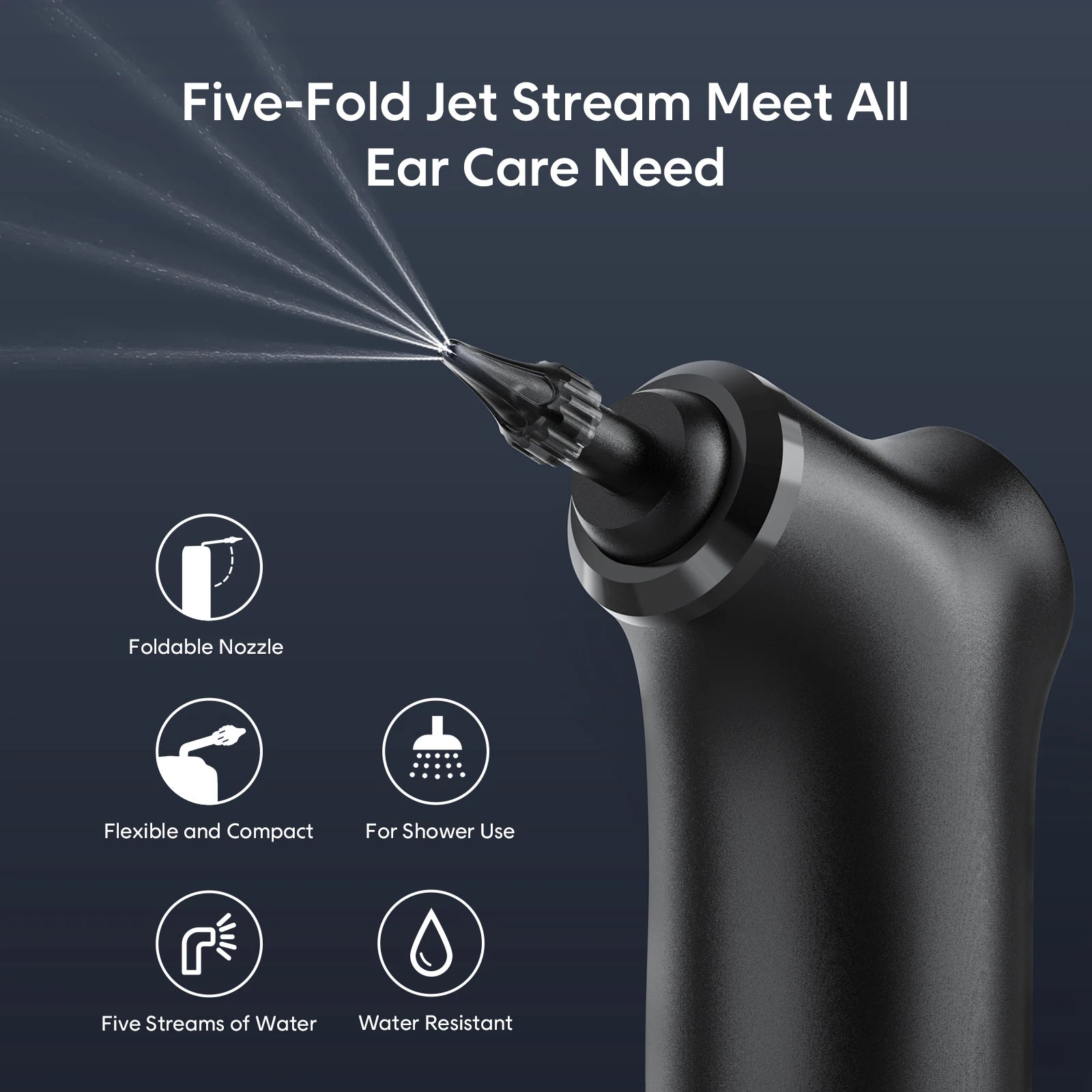
home ear irrigation system electric for gentle daily care — See it in action
How Electric Ear Irrigation Systems Work (Step-by-Step)
- Fill the reservoir. Use clean, lukewarm water to avoid dizziness caused by water that is too cold or too hot.
- Select the lowest pressure setting. Beginners should always start with the gentlest flow.
- Position the nozzle correctly. Direct the water toward the wall of the ear canal instead of straight at the eardrum.
- Flush gently. The steady water stream softens and carries loosened earwax out of the ear.
- Drain and dry. Tilt your head to allow water to escape naturally, then dry only the outer ear with a clean towel.
This process is based on the same irrigation principle used in many healthcare settings but adapted with lower, controlled pressure for safe home use.
Why Earwax Builds Up (And When It Becomes a Problem)
Earwax (cerumen) protects the ear by trapping dust, bacteria, and other debris. In most people, wax naturally migrates out of the ear through jaw movement during talking and chewing.
Wax buildup becomes more likely when:
- The ear naturally produces excessive cerumen.
- The ear canal is narrow, curved, or unusually shaped.
- Earbuds, hearing aids, or earplugs push wax deeper.
- Cotton swabs compact wax instead of removing it.
- Dry wax hardens over time before it exits naturally.
For people with recurring buildup, a home ear wax removal system may help reduce the frequency of blocked ears between professional cleanings.
Signs of Earwax Blockage You Shouldn't Ignore
- Muffled or reduced hearing
- A sensation of fullness or pressure
- Ringing in the ear (tinnitus)
- Itching inside the ear canal
- Mild dizziness or balance changes
These symptoms may improve after safe irrigation if excess wax is the cause. However, sudden hearing loss, severe pain, fever, drainage, or persistent dizziness require prompt medical evaluation rather than home treatment.
Key Features to Look for in an Electric Ear Wax Removal System
Pressure Control & Safety
The most important feature is adjustable pressure. Multiple settings allow users to begin gently and increase flow only if necessary, reducing the risk of discomfort.
Tank Capacity & Portability
Larger reservoirs provide longer cleaning sessions with fewer refills, while compact cordless models are easier to store and travel with.
Tips, Nozzles & Hygiene
Soft replaceable nozzles improve comfort while helping maintain hygiene. If multiple family members use the same device, separate tips are recommended.
Rechargeable vs Battery-Powered
Rechargeable devices typically deliver more consistent performance and lower long-term operating costs. Battery-powered units may be suitable for occasional travel or emergency use.
Explore more wellness tools in Body Care and Health Devices .
Who Should and Should Not Use an Ear Irrigation System at Home
Good Candidates
- People with frequent earwax buildup
- Individuals with mild earwax blockage symptoms
- Users looking for a reusable maintenance solution
- Adults who have previously tolerated ear irrigation well
Contraindications
Home ear irrigation is generally not recommended if you have:
- An active ear infection
- A perforated eardrum
- Ear tubes
- Recent ear surgery
- Persistent ear pain or bleeding
- Known severe impacted earwax
In these situations, professional removal is considerably safer than attempting irrigation at home.
How to Use an Electric Ear Irrigation System Safely at Home
Before You Start
- Read the manufacturer's instructions carefully.
- Use only clean, lukewarm water.
- If your wax feels especially hard, consider using earwax-softening drops first if recommended by your healthcare provider.
Step-by-Step Instructions
- Begin with the lowest pressure setting.
- Keep the nozzle at the entrance of the ear without inserting it deeply.
- Allow water to flow gently rather than forcing the spray.
- Tilt your head so loosened wax and water can drain naturally.
- Repeat only if needed.
Cleaning & Maintenance
- Empty the water reservoir after every use.
- Wash removable parts according to the manufacturer's instructions.
- Allow all components to dry completely before storage.
- Replace worn or damaged nozzles promptly.
Common Mistakes
- Using cold or hot water
- Selecting maximum pressure immediately
- Inserting the nozzle too deeply
- Continuing despite pain or dizziness
- Overusing irrigation when no symptoms are present

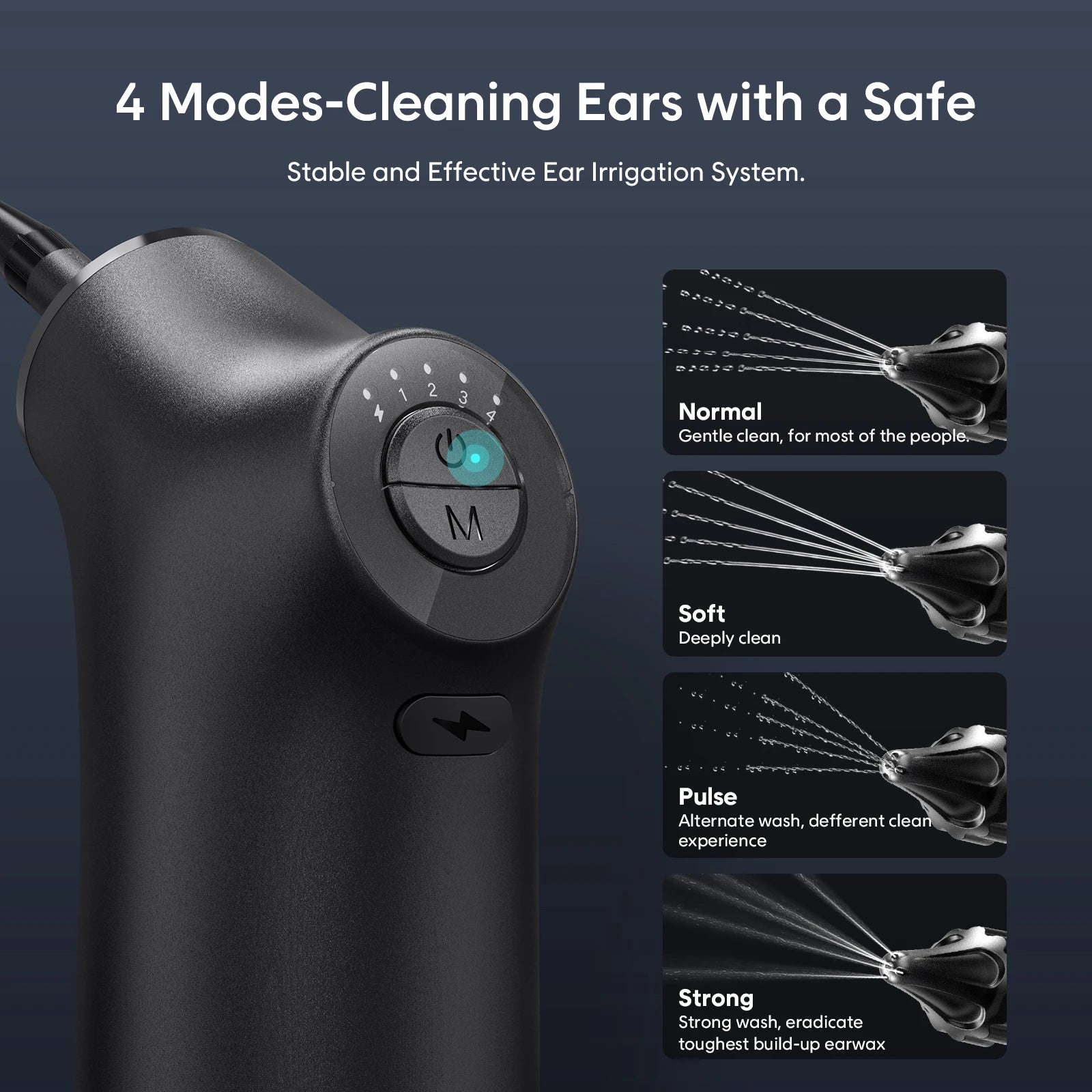
electric ear irrigation system for consistent home ear rinse — See it in action
Electric Ear Irrigation vs Manual Syringes vs Microsuction
| Method | Comfort | Best For | Limitations |
|---|---|---|---|
| Electric irrigation | High | Routine home maintenance | Not suitable for severe impaction |
| Manual bulb syringe | Moderate | Occasional use | Pressure depends on user technique |
| Professional microsuction | Very High | Hard or impacted wax | Requires clinic visit and higher cost |
Electric systems generally provide better consistency than manual syringes, while professional microsuction remains the preferred choice for stubborn, impacted earwax.
Is an Electric Ear Irrigation System Worth It for Frequent Wax Buildup?
Long-Term Benefits
- Supports routine ear hygiene
- May reduce repeated minor wax blockages
- Provides controlled water pressure for greater comfort
- Can reduce the need for frequent clinic visits in appropriate users
Who Gets the Most Value
People who naturally accumulate earwax several times each year often benefit most from owning an electric ear irrigation system. Individuals who rarely experience wax buildup may have little need for regular irrigation.
Real User Results, Troubleshooting & What to Expect
Many users notice improved hearing and reduced ear pressure after one or two sessions, particularly when wax is soft. Thick or hardened wax may require several attempts separated by a few days or professional removal.
Common Problems
- Little or no wax comes out
- Water drains poorly
- Mild temporary dizziness from incorrect water temperature
- Pressure feels uncomfortable because the setting is too high
When Irrigation Doesn't Work
If repeated gentle irrigation fails to remove the blockage, avoid increasing the pressure excessively. Hard impacted wax, infections, or hearing loss unrelated to earwax should be evaluated by a healthcare professional.
home ear irrigation system electric for confident daily comfort — See it in action
Risks, Safety Warnings & When to See a Doctor
- Pain during irrigation
- Persistent hearing loss after wax removal
- Bleeding or discharge
- Known eardrum injury
- Recurring infections or significant dizziness
Stop using the device immediately if any of these occur and seek medical advice before attempting further irrigation.
Frequently Asked Questions
Can I use an electric ear irrigation system every week?
Routine weekly use is usually unnecessary unless specifically recommended by a healthcare professional. Most people only need irrigation when symptoms or wax buildup occur.
Is an electric ear irrigation system better than a bulb syringe?
Many users find electric systems easier to control because they provide steadier water pressure, making them more comfortable for regular home maintenance.
Can I use tap water in an electric ear irrigation system?
Use clean, lukewarm water according to the manufacturer's instructions. If local tap water quality is uncertain, sterile or previously boiled and cooled water may be preferable.
Can an electric ear cleaner remove hard impacted wax?
Not always. Severely impacted or hardened wax often requires professional removal using specialized techniques.
Who should avoid ear irrigation at home?
Anyone with a perforated eardrum, ear infection, ear tubes, recent ear surgery, or unexplained ear pain should avoid home irrigation unless advised by a healthcare professional.
How do I clean and disinfect an electric ear irrigation device?
Empty the reservoir after each use, clean removable components according to the manufacturer's instructions, allow them to dry completely, and replace worn nozzles as recommended.
Related Guide: Gentle Water Ear Cleaning for Sensitive and Dry Ear Canals