

Does Home Physiotherapy for Hands Really Work?
Yes. Home physiotherapy for hands can improve grip strength, finger mobility, dexterity, and everyday function when exercises are performed consistently and matched to your condition. Research supports structured hand exercises at home as part of recovery for many musculoskeletal and neurological conditions, particularly when they focus on mobility, strengthening, and coordination. While results vary, many people notice gradual improvements within 4–8 weeks of regular practice.
Who Benefits from Hand Exercises at Home?
Home physiotherapy for hands is appropriate for many adults who have been advised by a healthcare professional to continue rehabilitation independently. It may benefit people with:
- Mild to moderate hand stiffness after injury or surgery (once cleared for exercise)
- Reduced grip strength from inactivity or repetitive overuse
- Early arthritis affecting finger or hand mobility
- Recovery following tendon or soft tissue injuries
- Neurological conditions, including stroke, as part of a supervised rehabilitation plan
Conditions These Exercises Can and Cannot Help
Regular hand exercises at home help restore joint motion, improve circulation, strengthen muscles, and retrain fine motor control. However, exercise is not a substitute for medical treatment when there is a fracture, severe tendon injury, joint instability, infection, significant swelling, or unexplained numbness. If symptoms worsen or fail to improve, seek evaluation from a qualified healthcare professional before continuing physical therapy for hands.
Before You Start: Safety Tips, Warm-Up, and When to Stop
Before beginning hand therapy at home, prepare your hands with a short warm-up and understand the difference between normal exercise discomfort and pain that signals you should stop. Starting gradually helps reduce stiffness while lowering the risk of unnecessary strain.
Quick 3-Minute Warm-Up for Hand Exercises
- Rub your hands together for 30 seconds to increase blood flow.
- Slowly open and close your fists 10–15 times using a comfortable range of motion.
- Rotate both wrists in gentle circles for 10 repetitions in each direction.
Pain vs. Normal Discomfort
It is normal to feel mild stretching, gentle muscle fatigue, or temporary stiffness during hand physio exercises. Sharp pain, sudden loss of strength, or increasing discomfort during movement is not expected and should not be ignored. Reduce the intensity if an exercise causes mild soreness, and stop if pain persists.
Warning Signs You Should Not Ignore
- Sharp or worsening pain during movement
- Swelling or inflammation that increases after exercise
- Numbness or tingling that does not improve with rest
- Sudden loss of movement or grip strength
- Persistent redness, warmth, or signs of infection
If you experience any of these symptoms, stop exercising and consult a healthcare professional before continuing your hand rehabilitation exercises.
⏱ 7 min read
Home Physiotherapy for Hands: Step-by-Step Exercises You Can Do Safely at Home
Struggling to button a shirt, hold a mug, open jars, or type comfortably? You're not alone. Hand stiffness, weakness, and reduced coordination can develop after injury, surgery, arthritis, stroke, or years of repetitive use. The good news is that home physiotherapy for hands provides a structured way to rebuild movement, strength, and confidence using simple exercises that fit into your daily routine. With consistency, many people regain function that makes everyday activities easier and more comfortable.
Explore simple routines and tools that fit real schedules while supporting safe, consistent practice.
To support your recovery, explore hand therapy devices and home recovery tools that can complement a well-designed exercise routine when additional assistance or resistance is appropriate.
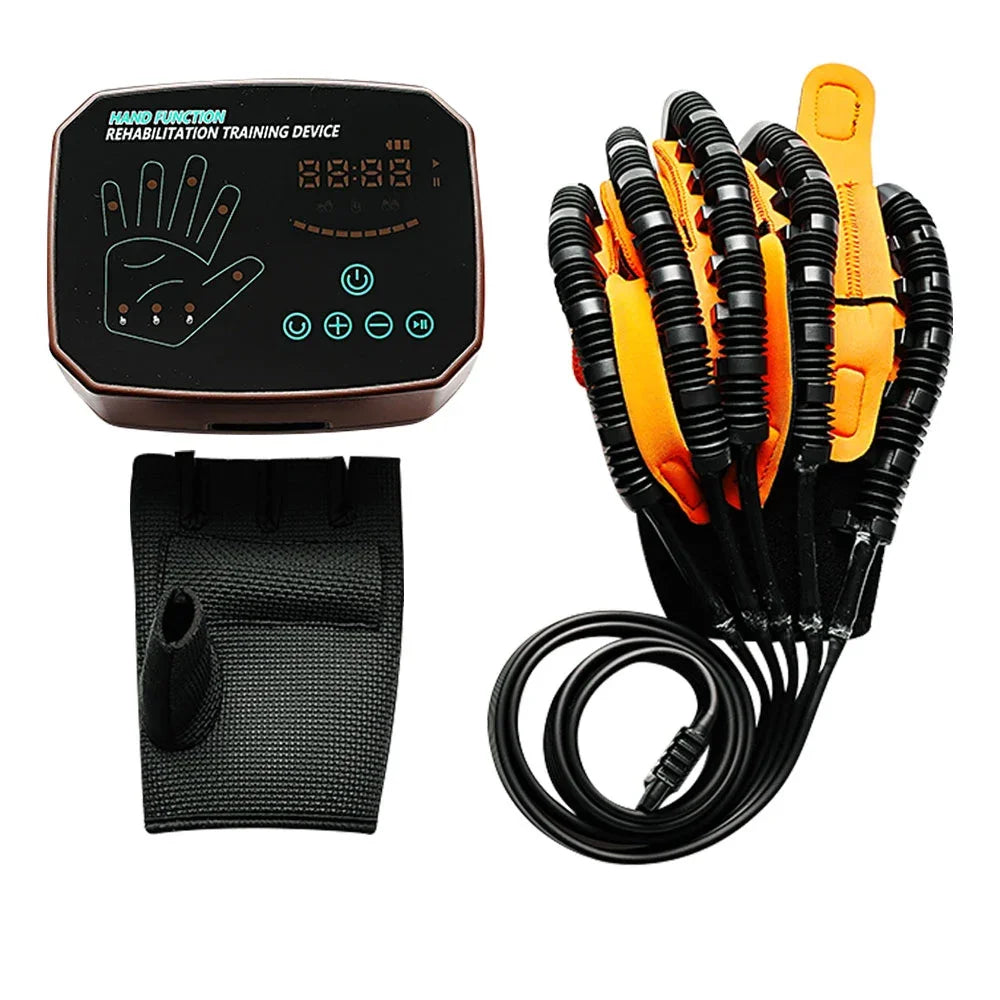
Home physiotherapy for hands with supportive tools — See it in action
Why Hand Physiotherapy Exercises at Home Improve Mobility and Strength
Hand physiotherapy exercises at home improve function by helping joints move through their full range of motion, activating muscles that support grip, and retraining the fine motor skills needed for everyday tasks. Performed consistently, these therapeutic hand exercises can reduce stiffness, improve circulation, and promote gradual recovery after injury, surgery, repetitive strain, arthritis, or certain neurological conditions.
Most hand exercise programs combine three essential components to restore normal movement:
Benefits for Flexibility
Mobility exercises keep joints and soft tissues moving freely, helping reduce stiffness and making activities such as opening containers, fastening buttons, and typing more comfortable.
- Improves joint range of motion in the fingers, thumb, and wrist
- Reduces morning stiffness and improves movement quality
- Supports tendon mobility for smoother finger motion
Benefits for Grip Strength
Strength-focused exercises gradually rebuild the muscles of the hand, palm, thumb, and forearm. Better grip strength supports carrying groceries, opening jars, writing, and lifting everyday objects with greater confidence.
- Builds grip endurance for daily activities
- Improves pinch strength for precise tasks
- Enhances wrist stability during functional movement
Benefits for Coordination
Dexterity exercises retrain communication between the brain, nerves, and muscles, improving the accuracy and control of small hand movements.
- Improves fine motor skills for writing, cooking, and dressing
- Enhances finger independence during detailed tasks
- Supports smoother movement patterns as coordination returns
Because these three areas work together, home physiotherapy for hands is commonly included in rehabilitation plans for arthritis, post-injury recovery, and stroke rehabilitation. The greatest improvements typically come from regular, progressive practice rather than occasional long exercise sessions.
Step-by-Step Hand Physiotherapy Exercises at Home (Beginner to Advanced)
Build your routine from simple mobility drills to strengthening and functional practice. Begin with slow, controlled movements before adding resistance. Unless otherwise instructed by your healthcare provider, perform each exercise for 1–2 sets with 8–15 repetitions while maintaining comfortable, pain-free movement.
Finger Mobility and Range-of-Motion Exercises
-
Finger Bends
Target: Finger joints and flexor tendons.
Slowly bend each finger toward your palm, hold for 3 seconds, then return to the starting position. Repeat 8–10 times for each finger. -
Thumb Touch
Target: Thumb mobility and finger coordination.
Touch your thumb to each fingertip to form an “O” shape, then fully extend your fingers before repeating. Complete 10 rounds. -
Finger Lifts
Target: Finger extensors and individual finger control.
Place your hand flat on a table and lift one finger at a time without moving the others. Hold for 2 seconds before lowering.
For more variations, explore finger physiotherapy exercises and mobility tips.
Tendon Gliding and Dexterity Exercises
-
Tendon Glides
Move your hand through a straight hand, hook fist, full fist, tabletop, and straight fist position. Pause briefly in each position before moving to the next. -
Finger Opposition
Touch the thumb to each fingertip while keeping movements slow and controlled to improve dexterity. -
Coin or Button Pick-Up
Pick up several small household objects one at a time to improve coordination and finger precision.
Hand Strengthening Exercises at Home
-
Grip Squeeze
Target: Grip muscles and forearm flexors.
Squeeze a soft therapy ball or rolled towel, hold for 5 seconds, then relax. Perform 10–15 repetitions. -
Rubber Band Extension
Target: Finger extensor muscles.
Place a rubber band around your fingers and slowly spread them apart before returning with control. -
Pinch Strength
Target: Thumb and pinch grip muscles.
Pinch a small object between your thumb and one finger, hold for 5 seconds, then repeat using different fingers.
Hand Rehabilitation Exercises After Injury
-
Wrist Flexion Stretch
Support one arm with your opposite hand and gently stretch the wrist downward until a comfortable stretch is felt. Hold for 15–20 seconds. -
Passive Finger Stretch
Use your opposite hand to gently assist stiff fingers through a comfortable range of motion without forcing movement. -
Supported Functional Grasp
Practice holding lightweight everyday objects such as a cup, spoon, or TV remote to rebuild practical hand function.
Hand Exercises for Stroke Recovery
People recovering from stroke often benefit from repetitive, task-specific practice. Perform these movements slowly and only within a comfortable range, following guidance from your rehabilitation team when appropriate.
-
Assisted Finger Opening
Use your unaffected hand to help open the affected fingers before relaxing them again. -
Table Slides
Place your hand on a towel and slide it forward across a table to encourage controlled arm and hand extension. -
Object Grasp Practice
Practice grasping and releasing lightweight objects such as foam blocks or plastic cups to improve functional control.
For deeper guidance, see stroke hand exercises and recovery strategies.
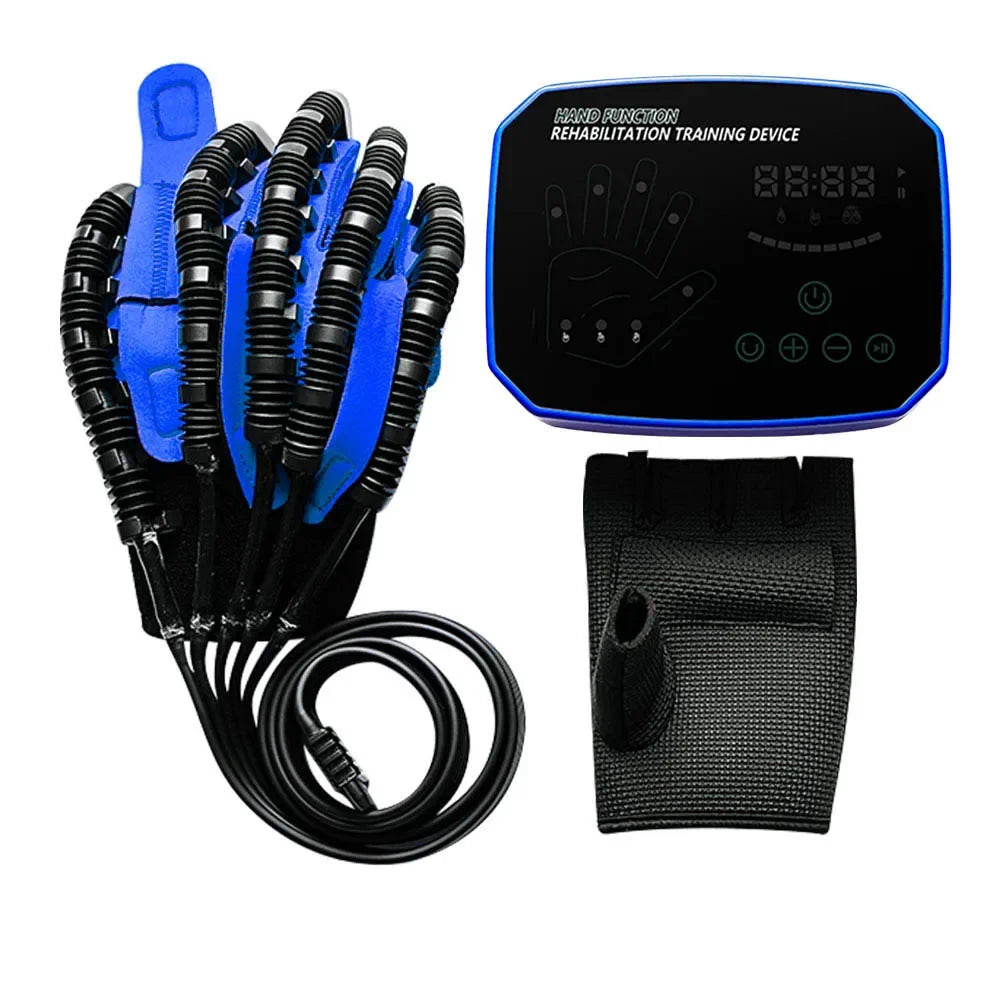
Hand exercise equipment physical therapy tools in daily use — See it in action
Do You Need Hand Therapy Devices or Equipment?
No. Most people can begin hand therapy at home using little or no specialized equipment. Consistent technique, appropriate exercise selection, and gradual progression are usually more important than expensive devices. Simple household items often provide enough resistance for beginners, while dedicated therapy tools may become useful as strength and coordination improve.
Helpful Household Items
You can perform many hand physiotherapy exercises at home with everyday objects that are already available:
- Rolled towel: Suitable for gentle grip strengthening and isometric squeezing.
- Rubber bands: Provide light resistance for finger extension exercises.
- Small household objects: Coins, buttons, bottle caps, or marbles help improve fine motor control and finger dexterity.
- Soft sponge: A comfortable alternative for light grip exercises if therapy balls are unavailable.
- Water bottle: Can be used for light wrist strengthening once basic mobility has returned.
These low-cost options are often sufficient for early home hand therapy and allow you to maintain a consistent exercise routine without purchasing additional equipment.
When Equipment May Add Value
As your recovery progresses, purpose-built rehabilitation tools may provide more precise resistance and make it easier to measure improvements over time. Common options include:
- Therapy balls: Available in different firmness levels to progressively improve grip strength.
- Therapy putty: Useful for strengthening fingers, thumb pinch, and hand endurance through multiple movement patterns.
- Finger resistance bands: Help strengthen the muscles that open the hand and improve finger balance.
These tools can complement a structured rehabilitation program, but they should enhance—not replace—regular therapeutic exercise and functional practice.
A 15-Minute Daily Hand Exercise Routine (Follow-Along Plan)
This balanced hand exercise at home routine combines flexibility, strength, and functional training into a schedule that is easy to maintain. Short, consistent sessions are generally more effective than occasional longer workouts.
- Warm-Up (3 minutes): Rub your hands together, slowly open and close your fists, and perform gentle wrist circles.
- Mobility Exercises (5 minutes): Complete finger bends, thumb touches, finger lifts, and tendon glides using slow, controlled movements.
- Strength Exercises (5 minutes): Perform grip squeezes, finger extensions with a rubber band, and pinch-strength holds with a soft object.
- Functional Practice (2 minutes): Practice picking up coins, stacking blocks, turning a key, buttoning clothing, or holding everyday objects.
Repeat the routine once or twice daily based on your comfort level and your healthcare provider's recommendations. If your hands feel unusually fatigued, reduce the number of repetitions rather than skipping movement entirely.
Beginner Weekly Schedule
- Days 1–3: Perform one 15-minute session each day using light resistance.
- Days 4–7: Gradually increase repetitions if exercises remain comfortable and movement quality stays consistent.
- Recovery: If soreness develops, continue gentle mobility work while reducing strengthening volume for one day.
Intermediate Progression
Once the routine feels easy and movements remain controlled, gradually increase the challenge by:
- Adding a second daily session on selected days.
- Increasing repetitions from 10 to 15 per exercise.
- Using slightly firmer therapy balls or stronger resistance bands.
- Including more functional activities that mimic work, hobbies, or daily living tasks.
Progress slowly and prioritize smooth, pain-free movement over higher resistance. Consistency remains the most important factor for long-term improvements in hand strength, mobility, and coordination.
How to Progress Your Hand Therapy Safely Over Time
As your mobility, strength, and coordination improve, gradually increase the challenge of your hand physio exercises without sacrificing proper technique. Progressive overload helps your muscles and connective tissues adapt safely while reducing the risk of setbacks from doing too much too soon.
When to Increase Repetitions
If you can complete every repetition with smooth, controlled movement and no increase in pain during or after exercise, consider progressing by:
- Increasing repetitions from 10 to 15–20 per exercise.
- Adding a second set before increasing resistance.
- Extending isometric holds from 3 seconds to 5–10 seconds.
- Improving movement quality before increasing exercise difficulty.
Only progress one variable at a time so you can identify what your hands tolerate best.
When to Add Resistance
Once bodyweight movements and light resistance become comfortable, gradually introduce more challenging therapeutic hand exercises by:
- Using firmer therapy balls or slightly stronger resistance bands.
- Performing additional pinch-strength exercises with denser materials.
- Increasing the complexity of fine motor activities such as writing, buttoning clothing, or handling small objects.
- Adding functional gripping tasks that reflect your work, hobbies, or daily activities.
Monitor how your hands respond over the next 24 hours. Mild muscle fatigue is expected, but increasing swelling, persistent pain, or reduced function indicates that you should reduce intensity before progressing further.
Track your improvements alongside guides like mobility improvement timelines to stay motivated and measure changes in grip strength, flexibility, and daily function.
Common Mistakes and Troubleshooting Hand Exercises
Even well-designed hand therapy exercises become less effective if performed with poor technique or progressed too quickly. Avoid these common mistakes to improve results while protecting your joints and soft tissues.
Technique Corrections
- Moving too quickly: Slow, controlled repetitions improve muscle activation and coordination more effectively than rushed movements.
- Using excessive force: Grip only as hard as needed for the exercise instead of squeezing at maximum effort every repetition.
- Skipping the warm-up: Preparing the joints and soft tissues helps reduce stiffness and lowers the risk of strain.
- Practicing inconsistently: Short daily sessions typically produce better long-term results than occasional intensive workouts.
- Ignoring posture: Keep your wrist in a neutral position during strengthening exercises whenever possible.
When Pain Means Stop
Mild stretching or temporary muscle fatigue is generally acceptable during physical therapy for hands. Stop exercising and reassess your routine if you experience:
- Sharp or worsening pain during movement.
- Increasing swelling after exercise.
- Numbness, tingling, or loss of grip strength.
- Symptoms that continue into the following day without improvement.
If an exercise feels too difficult, reduce the number of repetitions, decrease resistance, or return to an easier variation until movement quality improves. If an exercise becomes consistently easy, increase the challenge gradually rather than making large jumps in intensity.
What Real Progress Looks Like (Recovery Timeline Guide)
Recovery from hand rehabilitation exercises varies based on your diagnosis, age, overall health, exercise consistency, and the severity of your condition. Rather than focusing only on strength, measure progress by improvements in everyday activities such as writing, preparing meals, opening containers, or fastening clothing.
Expected Milestones
- Week 1–2: Reduced stiffness, improved joint mobility, and greater awareness of controlled hand movement.
- Week 3–4: Noticeable improvements in grip strength, finger coordination, and endurance during routine activities.
- Week 5–8: Better hand control for functional tasks, increased confidence using the affected hand, and smoother fine motor movements.
- Beyond 8 Weeks: Continued gains are possible with consistent practice, progressive strengthening, and condition-specific rehabilitation.
Factors Affecting Recovery
Your timeline may be shorter or longer depending on several factors, including:
- The underlying condition, such as arthritis, tendon injury, or neurological impairment.
- How consistently you perform your prescribed exercises.
- Whether exercises are progressed gradually without overloading the hand.
- Your overall fitness, circulation, nutrition, and sleep quality.
- Whether you continue using the hand during normal daily activities.
If your progress plateaus for several weeks, symptoms worsen, or pain increases despite reducing exercise intensity, consult your healthcare provider or hand therapist. A reassessment may identify changes needed in your rehabilitation program.
Small improvements accumulate over time. Recording grip strength, exercise repetitions, or daily activities that become easier is often one of the most reliable ways to track meaningful recovery.

Stroke gloves supporting finger mobility exercises — See it in action
Frequently Asked Questions
How often should I practice home physiotherapy for hands?
Most adults benefit from one or two short sessions each day. Daily, low-intensity practice generally produces better long-term results than occasional longer workouts.
How many repetitions should I do for each hand exercise?
Most beginners can start with 8–10 repetitions for 1–2 sets. As movement becomes easier and remains pain-free, gradually increase to 15–20 repetitions or add another set before increasing resistance.
Can I do hand exercises if I have arthritis?
Yes. Gentle range-of-motion and strengthening exercises are commonly recommended for many people with arthritis because they can help maintain flexibility, improve grip strength, and reduce stiffness. Avoid exercising during severe flare-ups unless advised by your healthcare provider.
Which hand exercises improve grip strength fastest?
Grip squeezes, pinch-strength exercises, and progressive resistance training with therapy balls or putty are among the most effective methods for improving grip strength when performed consistently.
What are the best hand exercises after a wrist fracture?
After your healthcare provider clears you for exercise, begin with gentle mobility work, tendon gliding, finger range-of-motion exercises, and gradual grip strengthening before progressing to more demanding functional tasks.
Can home hand therapy replace physical therapy?
Home hand therapy is an important part of rehabilitation, but it does not replace professional assessment for complex injuries, severe weakness, neurological conditions, or persistent pain. Many rehabilitation programs combine supervised therapy with home exercise.
Should I exercise through hand pain?
No. Mild stretching or muscle fatigue is acceptable, but sharp pain, increasing swelling, numbness, or worsening symptoms are signs to stop and seek professional advice if symptoms persist.
How long does it take to regain hand mobility?
Many people notice improvements within 2–4 weeks of consistent practice, while more significant recovery often takes several months depending on the underlying condition and rehabilitation goals.
What household items can I use instead of therapy equipment?
Rolled towels, rubber bands, soft sponges, coins, buttons, small containers, and lightweight household objects can all be used effectively for home hand exercises when specialized equipment is unavailable.
Support your home physiotherapy for hands with guided assistance today
Related Guide: :contentReference[oaicite:0]{index=0}













