

Do home remedies for tired feet really work?
Yes. Home remedies for tired feet can provide meaningful relief by reducing muscle tension, improving circulation, easing swelling, and promoting relaxation. Most people notice some improvement within 10–30 minutes after using methods such as a warm foot soak, gentle stretching, massage, or elevating the feet.
These approaches work best for fatigue caused by long hours of standing, walking, exercise, or wearing unsupportive shoes. If symptoms are mild and improve with rest, home care is often enough. However, persistent pain, severe swelling, numbness, or wounds that do not heal should be evaluated by a healthcare professional.
Home Remedies for Tired Feet That Actually Work (Fast Relief + Long-Term Care)
Home remedies for tired feet can feel like a luxury—or a letdown—depending on what you try. If your feet ache, swell, or feel heavy by the end of the day, the right approach can make a noticeable difference fast. This guide focuses on evidence-based techniques that deliver both immediate relief and long-term comfort while helping you learn how to relax feet naturally at home.
⏱ 7 min read
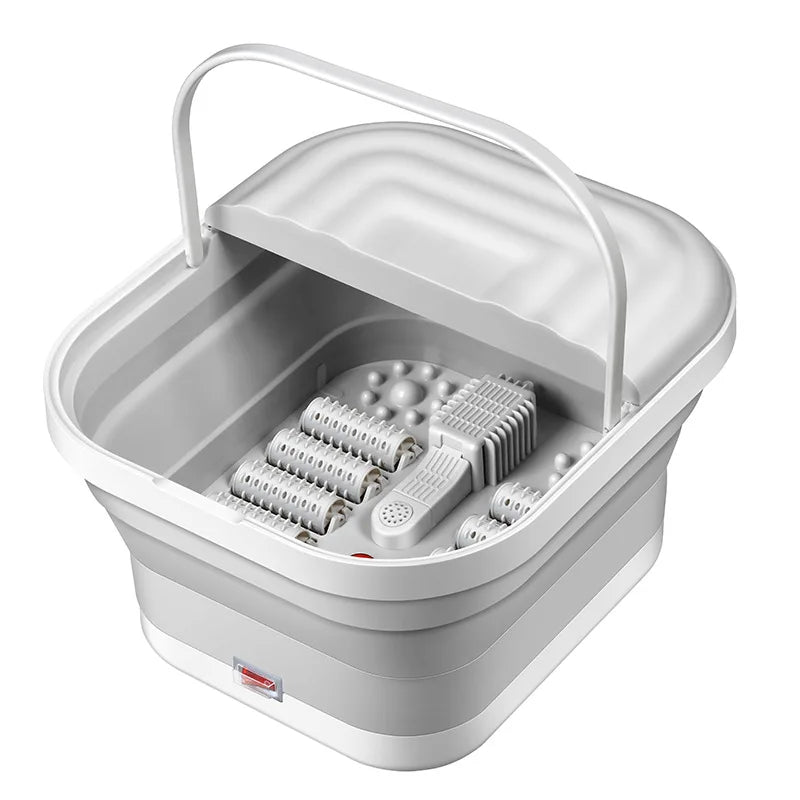
Spa like foot soaking at home for tired feet relief — See it in action
Why Your Feet Feel Tired and Achy
Most cases of tired feet develop because the muscles, joints, and connective tissues absorb thousands of steps every day. Combined with prolonged standing or poor footwear, this can reduce comfort and leave your feet feeling sore, heavy, or stiff.
Common causes of tired feet
- Standing or walking for extended periods on hard floors
- Unsupportive, worn-out, or tight shoes
- Muscle fatigue after exercise or physically demanding work
- Reduced circulation from sitting or standing too long
- Heat, dehydration, or insufficient recovery between activities
When tired feet may signal a deeper issue
Occasional fatigue is common, but persistent pain, significant swelling, numbness, tingling, redness, or pain that worsens instead of improving may indicate plantar fasciitis, tendon injuries, arthritis, nerve disorders, or circulation problems. Home remedies may still provide comfort, but they should not replace medical evaluation when warning signs are present.
Match Your Symptoms to the Best Home Remedy
Choosing the right treatment depends on how your feet feel. Matching symptoms to the appropriate remedy often provides faster and more effective results.
Sore after standing
Use a warm foot soak followed by gentle stretching and a short massage to reduce muscle tightness. Relief is often noticeable within 15–20 minutes.
Swollen feet
Elevate your feet above heart level, apply a cool compress if needed, and avoid prolonged standing until swelling decreases. If swelling affects only one foot or develops suddenly, seek medical advice.
Burning or aching feet
Cool therapy may feel better when heat or inflammation is the primary problem. If discomfort is related to muscle fatigue without swelling, gentle warmth can encourage relaxation.
Morning foot fatigue
Stretch your calves, toes, and arches before taking your first steps. Supportive footwear throughout the day also helps reduce recurring discomfort.
Quick Relief: What to Do When Your Feet Hurt Right Now
If you need tired feet relief immediately, these techniques require little equipment and can often reduce discomfort within minutes.
5-minute fixes for instant tired feet relief
- Elevate your feet to reduce fluid buildup.
- Roll each foot over a tennis ball or massage ball.
- Soak your feet in comfortably warm water.
- Apply a cold pack if swelling is present.
- Massage the arches, heels, and toes using gentle pressure.
When to use heat vs cold therapy
- Warm therapy: Best for muscle stiffness, fatigue, and relaxation.
- Cold therapy: Better for swelling, inflammation, or recent overuse injuries.
Some people also benefit from alternating warm and cool water (contrast therapy), although evidence suggests it is most useful for temporary comfort rather than treating underlying conditions.
Massage vs stretching: which works better?
Massage is often better for immediate relaxation and tension release, while stretching helps improve flexibility and prevent recurring tightness. Combining both usually produces the best results, especially after long workdays or exercise.
Best Home Remedies for Tired Feet (Ranked by Effectiveness)
The following remedies address the most common causes of foot fatigue and can easily become part of a regular self-care routine.
1. Foot soak for tired feet
A warm foot soak for tired feet helps relax muscles, encourages circulation, and prepares your feet for stretching or massage. It works particularly well after prolonged standing.
2. Foot massage for circulation and tension release
Massage improves comfort by loosening tight muscles and reducing tenderness in the arches, heels, and balls of the feet. Using lotion or massage oil helps reduce friction.
Keeping your feet elevated for 10–20 minutes reduces fluid accumulation and relieves pressure after long periods of standing.
4. Gentle stretches to relieve soreness
Stretching the calves, Achilles tendon, toes, and plantar fascia improves flexibility and may decrease morning stiffness when performed consistently.
5. Hydration and supportive footwear
Even the best home remedies become less effective if your shoes lack support or you're dehydrated. Well-cushioned footwear, proper arch support, and adequate hydration help reduce recurring fatigue throughout the day.
How to Do a Spa Foot Soak at Home
A spa foot soak at home is simple, inexpensive, and one of the easiest ways to relax tired feet naturally.
DIY foot soak ingredients
- Warm water
- Epsom salt (optional)
- Lavender or peppermint essential oil (optional)
- Lemon slices or baking soda for freshness
Epsom salt vs warm water
Warm water alone provides most of the relaxation by increasing comfort and loosening tight muscles. Epsom salt may enhance the soaking experience for some people, although scientific evidence supporting additional benefits remains limited.
Warm foot soak benefits
- Relaxes tired muscles
- Improves circulation temporarily
- Supports natural foot pain relief
- Helps reduce stress before bedtime
How long should you soak?
Most people benefit from soaking for 15–20 minutes in comfortably warm—not hot—water. Water temperatures that are too hot may irritate the skin, especially in people with diabetes or reduced sensation.
- Fill a basin with warm water.
- Add your preferred ingredients.
- Soak for 15–20 minutes.
- Dry thoroughly, especially between the toes.
- Apply moisturizer if your skin feels dry.
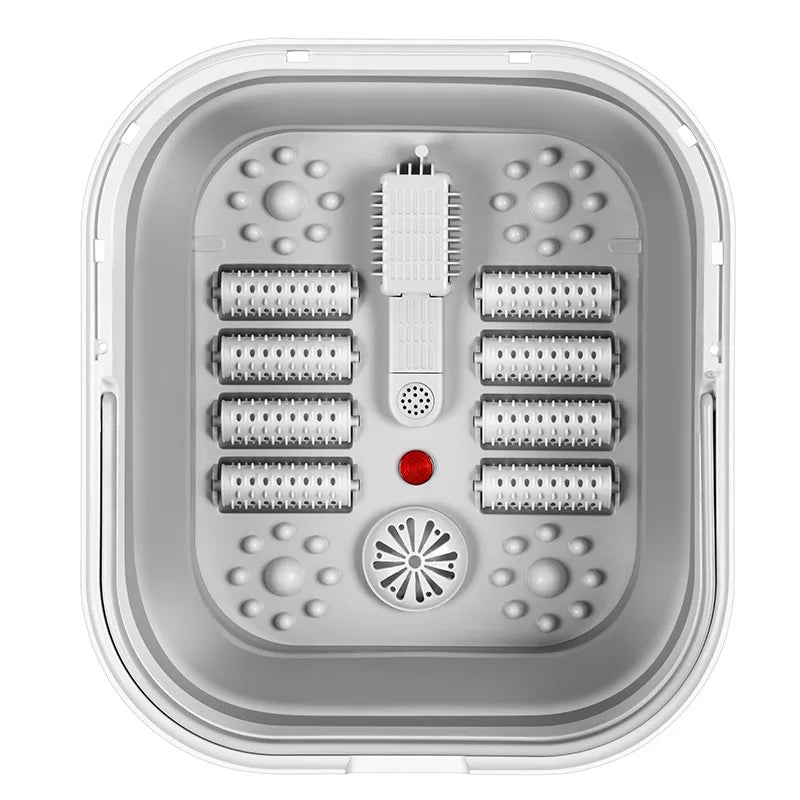
Warm soaking combined with heat for deeper relaxation — See it in action
Benefits of Soaking Feet for Recovery
The benefits of soaking feet extend beyond comfort when combined with other healthy recovery habits.
- Relaxes tired muscles after long periods of activity.
- Supports temporary improvements in circulation.
- Reduces feelings of foot heaviness.
- Encourages relaxation and stress reduction.
- Creates an effective transition into a stretching or massage routine.
Skip soaking if you have open wounds, severe skin infections, or have been advised by your healthcare provider to avoid prolonged water exposure.
A Simple 15-Minute Foot Relaxation Routine (Daily Reset)
This quick routine combines several effective techniques into one practical habit.
- Soak (5 minutes): Use comfortably warm water.
- Massage (5 minutes): Focus on arches, heels, and toes.
- Stretch (3 minutes): Flex, point, and rotate your feet.
- Elevate (2 minutes): Raise your feet to encourage recovery.
Practicing this routine several times each week can help reduce recurring foot fatigue while supporting overall comfort.
How to Prevent Tired Feet from Coming Back
Preventing fatigue is often easier than treating it after it develops.
Footwear and posture habits
- Wear supportive shoes that fit properly.
- Replace worn-out footwear before cushioning deteriorates.
- Avoid standing in one position for long periods without moving.
- Use cushioned insoles when appropriate.
Daily foot care habits that actually work
- Stretch regularly.
- Stay hydrated.
- Massage your feet after demanding days.
- Keep skin moisturized to prevent cracking.
Recovery after long days
Alternate periods of activity with short recovery breaks whenever possible. Even five minutes of stretching, walking, or elevating your feet can reduce accumulated fatigue over the course of a busy day.
When to See a Doctor for Tired Feet
Seek medical advice if you experience:
- Pain lasting longer than several days despite rest.
- Severe swelling, especially in one foot.
- Loss of sensation, persistent numbness, or burning.
- Difficulty walking after an injury.
- Open sores or wounds that heal slowly, particularly if you have diabetes.
Home remedies provide excellent support for everyday fatigue, but they should not replace professional evaluation when symptoms suggest an underlying medical condition.
If you prefer a more convenient soaking routine, the KentDO Heated Foot Bath Massager helps maintain consistent water warmth for a spa-like experience at home.
For more wellness tools that support recovery routines, explore the Body Care and Health Devices collection.

Consistent heat and soaking for long-lasting tired feet relief — See it in action
Frequently Asked Questions
How often should I use a foot soak for tired feet?
Most people benefit from soaking their feet two to four times per week. During particularly active periods, a short daily soak may also help if your skin tolerates it well.
Is heat or ice better for sore feet?
Heat works best for stiffness and muscle fatigue, while ice is generally better for swelling or inflammation after activity.
Can soaking feet improve sleep?
Yes. A warm foot soak before bedtime promotes relaxation and may help some people fall asleep more easily as part of a calming evening routine.
What is the best DIY foot soak?
Warm water alone is effective. Many people also enjoy adding Epsom salt and a few drops of lavender essential oil for a more relaxing spa-like experience.
Why do my feet stay tired every day?
Daily foot fatigue may result from prolonged standing, repetitive activity, poor footwear, inadequate recovery, or underlying medical conditions affecting the muscles, nerves, or circulation. If symptoms continue despite home care, seek professional evaluation.
Related Guide: How to Improve Foot Circulation at Home Step by Step













