

Do Home Remedies for Neck Tension Really Work?
Yes. Home remedies for neck tension can be effective for mild to moderate muscle tightness caused by poor posture, stress, prolonged desk work, or temporary muscle fatigue. Evidence-based approaches such as gentle heat therapy, stretching, breathing exercises, posture correction, and regular movement breaks help improve circulation, reduce muscle guarding, and restore comfortable neck movement.
These techniques work best when symptoms develop gradually from everyday habits rather than from a serious injury. While many people notice neck tension relief at home within minutes of using heat or gentle stretching, lasting improvement usually comes from combining several strategies consistently and addressing the underlying cause.
- Heat therapy increases blood flow and relaxes tight muscles.
- Gentle stretching improves flexibility and reduces stiffness.
- Deep breathing helps ease stress-related muscle tension.
- Posture adjustments reduce repeated strain on the neck and shoulders.
- Regular movement breaks help prevent muscles from becoming fatigued.
Knowing how to relieve neck tension naturally also means recognizing when home care is appropriate. If pain is severe, follows an accident, or is accompanied by numbness, weakness, fever, or persistent symptoms, seek medical evaluation rather than relying solely on self-care.
Home Remedies for Neck Tension After Long Workdays
⏱ 6 min read
After a long day at a desk, it's common to notice stiff shoulders, a tight neck, or reduced range of motion. Fortunately, many cases of neck tension respond well to simple, evidence-informed home remedies. By combining gentle muscle relaxation techniques with healthier daily habits, you can reduce discomfort, improve mobility, and help prevent recurring upper back and neck tension.
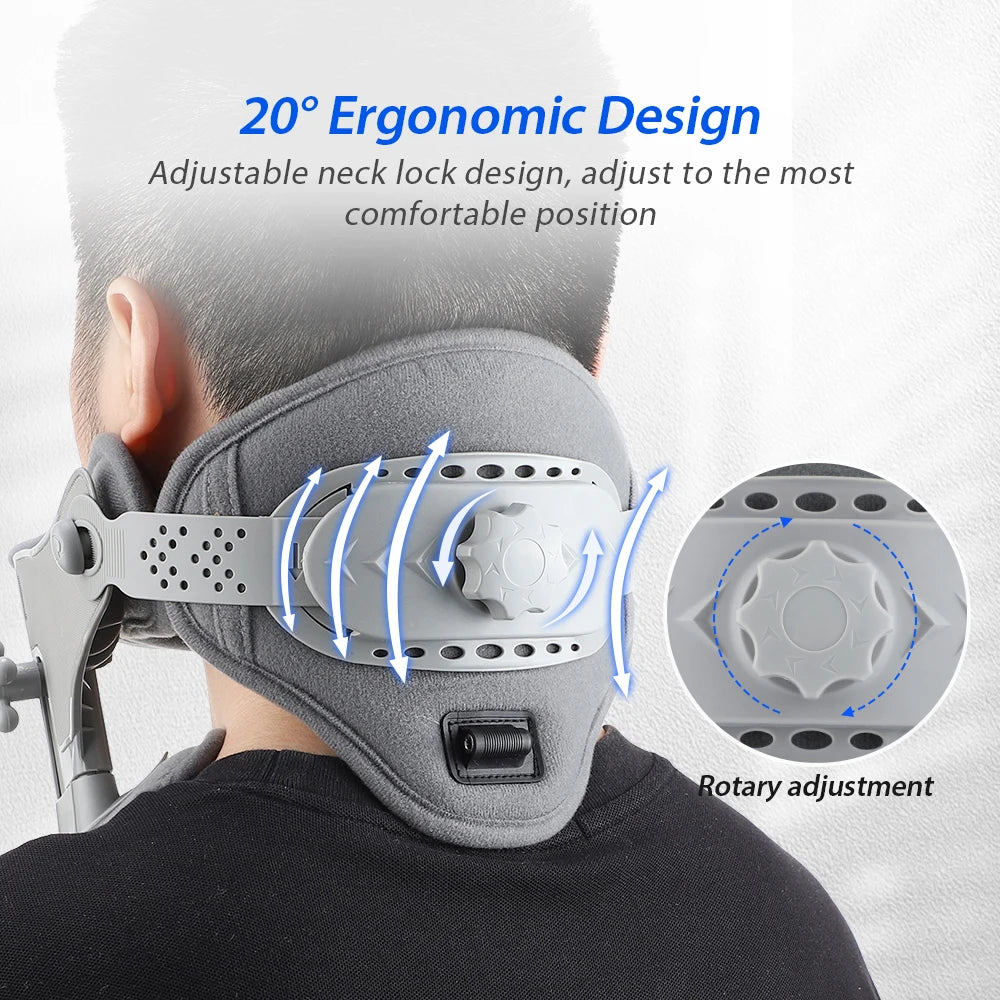
Home remedies for neck tension can start working tonight — See it in action
Why Neck Tension Builds Up After Work
Neck tension usually develops from repeated everyday habits instead of a single event. Hours spent looking at computer screens, using mobile devices, sitting with rounded shoulders, or working under stress can cause the muscles around the neck and upper back to remain contracted for long periods. Over time, reduced movement and muscle fatigue lead to stiffness, soreness, and limited mobility.
- Prolonged sitting with a forward head posture
- Few movement or stretching breaks during the workday
- Stress-related muscle guarding in the neck and shoulders
- Poor sleep positioning or inadequate pillow support
The good news: understanding what triggers your symptoms makes it easier to choose the right home remedy. Matching the cause to the appropriate treatment is often the fastest path to effective, long-lasting relief.
Why Neck Tension Happens and How to Choose the Right Home Remedy
The most effective home remedies for neck and shoulder tension depend on what's causing the discomfort. While symptoms may feel similar, poor posture, emotional stress, sleep habits, and prolonged screen use affect muscles in different ways. Identifying the trigger helps you choose the right approach instead of relying on trial and error.
Poor Posture
Forward head posture, rounded shoulders, and unsupported sitting place continuous strain on the muscles that support the cervical spine. As these muscles work harder to keep your head upright, they become fatigued and tight, often leading to upper back and neck discomfort by the end of the day.
Best home remedy: Chin tucks, gentle stretching, posture correction, and short movement breaks throughout the day.
Stress and Muscle Guarding
Mental stress often causes people to unconsciously tighten their neck, shoulder, and jaw muscles. This protective muscle contraction—sometimes called muscle guarding—reduces blood flow and can create persistent stiffness even without physical overuse.
Best home remedy: Deep breathing, relaxation exercises, light stretching, and gentle self-massage to encourage muscles to release.
Sleep Position
Sleeping with inadequate neck support or excessive twisting can leave muscles shortened or overstretched overnight. Morning stiffness is especially common when pillows fail to keep the head and neck in a neutral position.
Best home remedy: Apply gentle heat after waking, perform slow range-of-motion exercises, and evaluate pillow support if stiffness occurs regularly.
Screen Time and Overuse
Extended computer or smartphone use reduces natural movement while encouraging people to look downward for long periods. Repetitive muscle loading combined with limited circulation makes screen time one of the most common reasons people seek to relieve neck pain after work .
Best home remedy: Stand up every 30 to 45 minutes, stretch briefly, and keep screens close to eye level whenever possible.
Best Home Remedies for Neck Tension
These evidence-informed techniques focus on improving circulation, reducing muscle tightness, restoring flexibility, and promoting natural recovery. Combining several methods often provides better results than relying on a single remedy.
Heat Therapy
Gentle heat helps increase blood flow, relax tight muscles, and improve flexibility, making it one of the most effective forms of neck tension relief at home for chronic stiffness or muscle fatigue.
- Apply a warm compress, heating pad, or warm towel for 10–15 minutes.
- Use comfortable warmth rather than intense heat.
- Repeat several times daily if symptoms return.
Safety tip: Avoid applying heat directly to broken skin or while sleeping.
Cold Therapy
Cold therapy is most helpful when neck tension is accompanied by tenderness, mild inflammation, or soreness after unusual activity. Cooling helps reduce localized irritation and may lessen discomfort during the first day or two.
- Apply a cold pack for 5–10 minutes.
- Always wrap ice packs in a thin towel.
- Switch to heat later if stiffness becomes the primary symptom.
Simple Stretching Routine
Gentle stretching restores normal movement and reduces muscle tightness without placing excessive stress on the neck. Movements should remain slow, controlled, and pain-free.
- Slow side-to-side neck bends.
- Shoulder rolls to loosen the upper back.
- Chin tucks to encourage better neck alignment.
Breathing and Relaxation
Controlled breathing activates the body's relaxation response, helping reduce stress-related muscle tension that commonly develops during demanding workdays.
- Inhale slowly through your nose.
- Pause comfortably for a second or two.
- Exhale gradually through your mouth.
- Repeat for two to five minutes.
Gentle Self-Massage
Light massage may temporarily improve circulation, decrease muscle tightness, and increase comfort after long periods of sitting.
- Use your fingertips or palm to apply gentle pressure.
- Massage sore muscles for one to two minutes.
- Avoid pressing directly on the spine.
Hydration
Although hydration alone will not eliminate neck tension, staying adequately hydrated supports normal muscle function and recovery. Drinking water consistently throughout the day is a simple habit that complements stretching, movement, and other home care strategies.
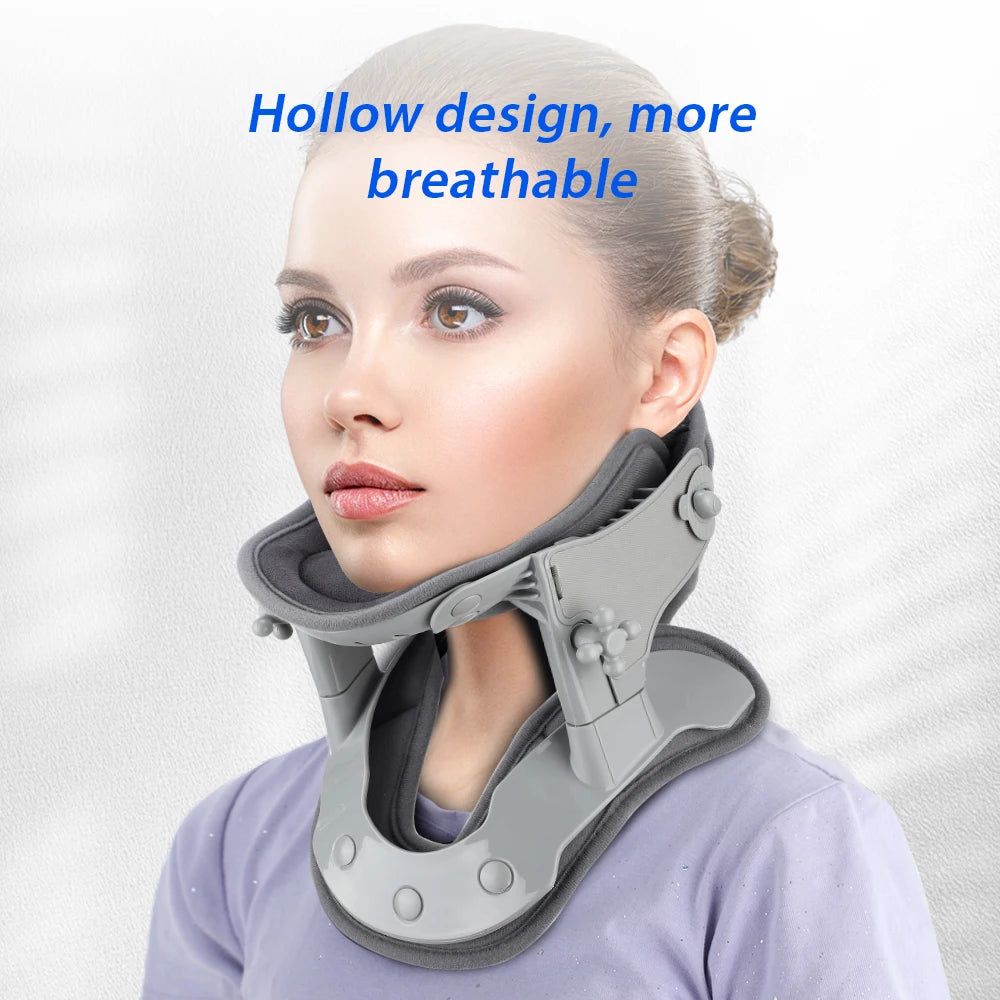
Relief for neck and shoulder tension starts with small daily habits — See it in action
Quick 5-Minute Neck Tension Relief Routine
This desk-friendly routine combines several evidence-based techniques to provide neck tension relief at home . It is designed for mild muscle tightness caused by prolonged sitting, stress, or repetitive screen use and can be completed almost anywhere without special equipment.
Step-by-Step 5-Minute Routine
- Minute 1: Apply gentle heat with a warm towel or heating pad to encourage muscles to relax.
- Minute 2: Perform slow side bends and gentle neck rotations within a comfortable range of motion.
- Minute 3: Complete 10 to 15 shoulder rolls, followed by a few chin tucks to improve neck alignment.
- Minute 4: Practice slow diaphragmatic breathing by inhaling through your nose and exhaling gradually through your mouth.
- Minute 5: Use light fingertip pressure to massage tight muscles along the upper shoulders and the sides of the neck, avoiding direct pressure on the spine.
For recurring stiffness, repeat this routine two or three times throughout the day rather than waiting until discomfort becomes severe. Gentle, consistent movement is generally more effective than occasional intensive stretching.
When to Use This Routine
- After extended computer or desk work.
- During short breaks between meetings or study sessions.
- Before bedtime to reduce accumulated muscle tension.
- When early signs of stiffness or tightness first appear.
- After long car rides or other periods of prolonged sitting.
Sleep, Pillows, and Ergonomics That Prevent Neck Tension
While home remedies provide relief, long-term improvement depends on reducing the everyday habits that contribute to muscle strain. Small ergonomic adjustments can help prevent recurring stiffness and support healthier neck mechanics throughout the day.
Sleep Position
Your sleeping posture should keep your head, neck, and spine aligned in a neutral position. Sleeping on your back or side is generally more supportive than sleeping on your stomach, which often forces the neck into prolonged rotation.
- Choose a position that keeps the neck aligned with the spine.
- Avoid sleeping with your head excessively elevated or twisted.
- Replace worn pillows that no longer provide adequate support.
Pillow Support
A supportive pillow should fill the natural space between your neck and mattress without pushing your head too far forward or allowing it to tilt excessively.
- Select a pillow that matches your preferred sleeping position.
- Keep your neck comfortably supported throughout the night.
- Replace flattened or uneven pillows as needed.
Workstation Checklist
Proper workstation ergonomics reduce repetitive stress on the muscles responsible for supporting your head and shoulders during long workdays.
- Position your monitor at approximately eye level.
- Keep your shoulders relaxed while typing.
- Place your keyboard and mouse within easy reach.
- Reduce prolonged downward viewing of phones and tablets.
Movement Breaks
Even the best posture becomes uncomfortable if maintained for hours. Frequent movement restores circulation and reduces muscle fatigue.
- Stand up every 30 to 45 minutes.
- Perform brief neck and shoulder stretches throughout the day.
- Alternate between sitting and standing when possible.
- Relax your shoulders and reset your posture before returning to work.
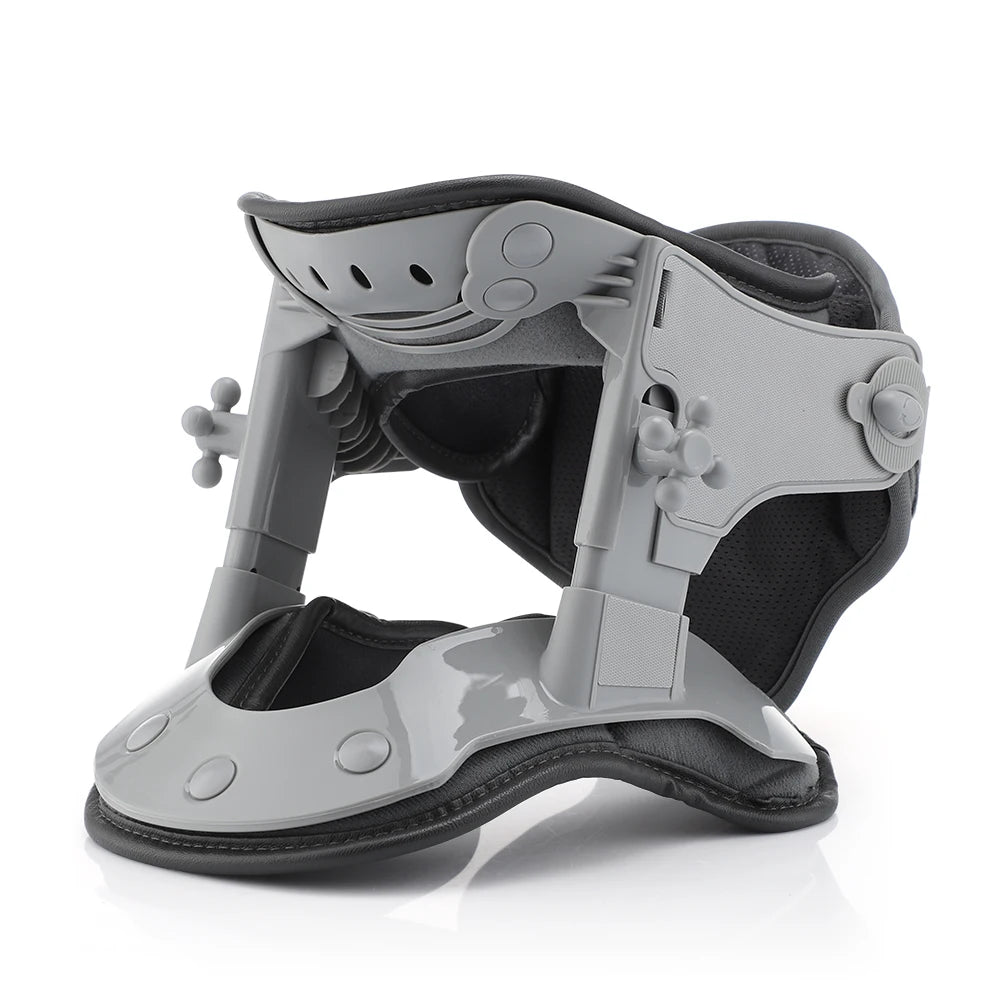
Consistent posture, movement, and sleep habits help support lasting neck comfort — See it in action
When to See a Doctor for Neck Tension
Most cases of neck tension improve with appropriate home remedies for neck tension and activity modification. However, persistent or severe symptoms may indicate an underlying condition that requires professional evaluation.
Red-Flag Symptoms
Seek prompt medical attention if neck discomfort occurs with any of the following symptoms:
- Sudden severe pain following a fall, accident, or other injury.
- Numbness, tingling, or weakness in the arms or hands.
- Loss of balance or difficulty with coordination.
- Fever, unexplained weight loss, or severe headache accompanied by neck stiffness.
- Difficulty controlling bladder or bowel function.
When Home Care Is Not Enough
Schedule a medical evaluation if home treatment for neck stiffness fails to improve symptoms or if pain continues to interfere with daily activities.
- Symptoms last longer than one to two weeks despite self-care.
- Neck movement becomes increasingly restricted.
- Pain spreads into the shoulders, arms, or upper back.
- Episodes of neck tension become frequent or progressively worse.
A healthcare professional can identify the underlying cause of persistent neck pain, recommend appropriate treatment, and determine whether additional testing or physical therapy is needed.
Frequently Asked Questions
What is the fastest home remedy for neck tension?
For most people, the quickest neck tension relief at home comes from combining gentle heat, slow neck stretches, shoulder rolls, and controlled deep breathing. If symptoms are caused by prolonged sitting, taking a short movement break can also provide noticeable relief within minutes.
Should I use heat or ice for neck tension?
Heat is generally better for chronic muscle tightness and stiffness because it improves circulation and helps muscles relax. Ice is usually more appropriate when neck discomfort follows a recent strain or is accompanied by soreness and mild inflammation. Some people benefit from alternating cold and heat as symptoms change.
How often should I stretch a stiff neck?
Gentle stretching can usually be performed several times a day, especially after long periods of sitting. Stretch only within a comfortable range of motion and stop if movements increase pain, numbness, or other concerning symptoms.
Can stress alone cause neck and shoulder tension?
Yes. Emotional stress frequently causes muscles in the neck, shoulders, and jaw to tighten unconsciously. Relaxation techniques, diaphragmatic breathing, regular movement, and adequate sleep can help reduce stress-related muscle tension.
How long does neck tension usually last?
Mild neck tension often improves within a few hours to several days when treated with appropriate home care. If symptoms persist beyond one to two weeks, continue to worsen, or repeatedly return despite lifestyle changes, a medical evaluation is recommended.
What sleeping position is best for neck tension?
Sleeping on your back or side while maintaining a neutral neck position is generally considered the most supportive. A pillow that properly supports the natural curve of your neck may help reduce morning stiffness.
Can dehydration make neck muscles feel tight?
Dehydration is unlikely to be the sole cause of neck tension, but adequate hydration supports normal muscle function and recovery. Drinking enough water is most effective when combined with stretching, movement, and ergonomic improvements.
When should I stop home treatment and see a doctor?
Stop relying solely on home remedies for neck tension and seek medical advice if you develop severe pain after an injury, numbness or weakness in your arms, fever with neck stiffness, worsening symptoms, or pain that does not improve after one to two weeks of appropriate self-care.
Related Guide: Neck Fatigue and Pain Solutions for Desk and Phone Users













