

Does a Foot Spa Treatment at Home Really Work?
Yes, a foot spa treatment at home works when it combines soaking, exfoliation, nail care, and massage into a complete routine. Unlike a simple soak, a full home foot spa improves skin texture, relieves fatigue, and supports circulation when done consistently.
How a home foot spa differs from a simple foot soak
A basic foot soak softens skin temporarily, but a full home foot spa includes exfoliation, nail care, and moisturizing. This layered approach delivers longer-lasting results by removing dead skin, restoring hydration, and improving comfort.
Evidence-based benefits of a complete foot spa routine
- Warm water helps relax muscles and improve circulation
- Exfoliation removes buildup that causes rough, cracked heels
- Massage stimulates blood flow and reduces tension
- Moisturizing strengthens the skin barrier and prevents dryness
⏱ 6 min read
Foot Spa at Home: Step-by-Step Guide to a Relaxing, Salon-Quality Experience
Your feet carry you through long days, hard floors, and constant movement—yet they’re often overlooked. A well-structured foot spa at home can restore comfort, improve skin health, and create a calming routine without leaving your space.
Discover how a soothing foot spa fits effortlessly into real life
Which small ritual could make the biggest difference in how you unwind tonight?
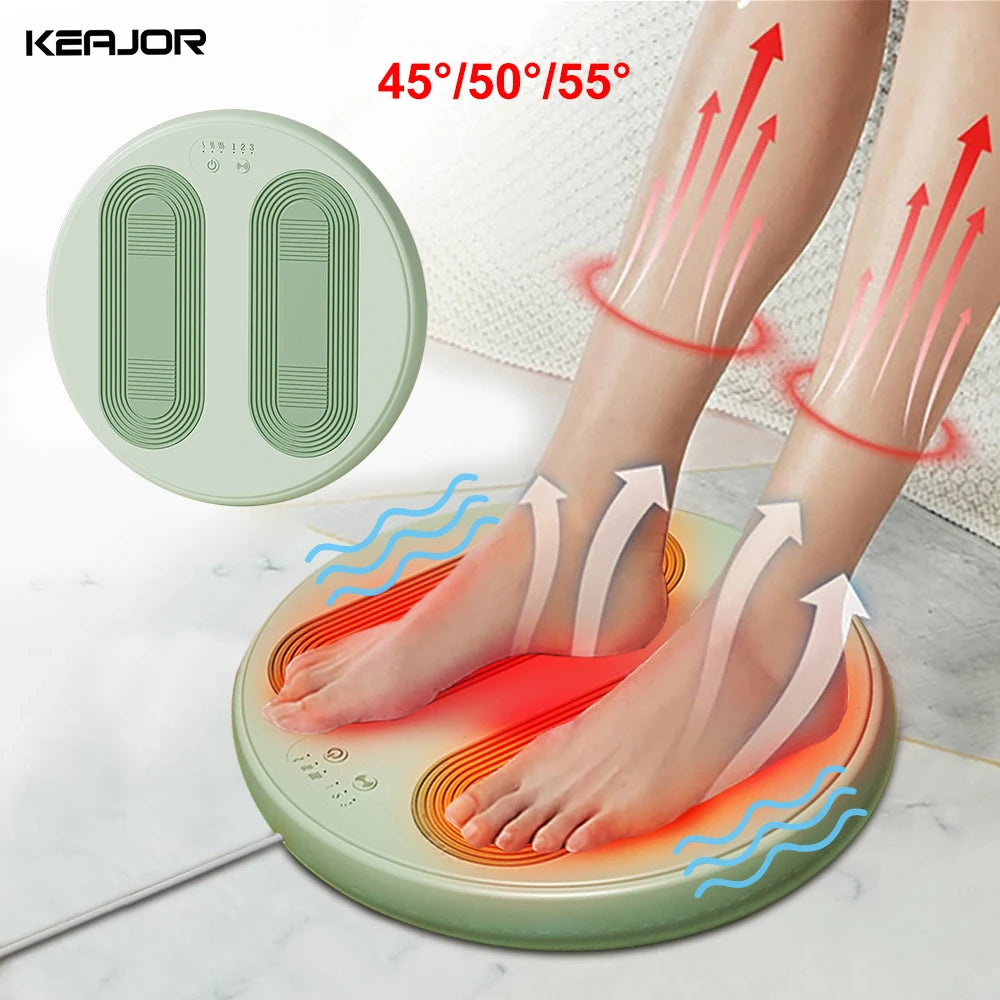
A calm start to your home foot spa ritual See it in action
Benefits of Regular Foot Spa Treatments at Home
Physical and skin care benefits
- Softens calluses and rough skin
- Improves overall foot hygiene
- Supports healthier nail growth
- Helps prevent cracked heels
Relaxation and recovery benefits
- Relieves tired, sore feet after long days
- Encourages circulation through warmth and massage
- Reduces stress and promotes relaxation
- Supports recovery after walking or standing
Who benefits most from regular sessions
- People who stand or walk for extended periods
- Those with dry or rough skin
- Anyone building a consistent self-care routine
Learn step-by-step how to create your own calming routine
What You'll Need for a DIY Foot Spa at Home
Essential supplies checklist
- A basin or foot spa machine
- Warm water (comfortable, not hot)
- Epsom salt or bath salt
- Towel and nail tools
- Moisturizer or foot cream
Optional upgrades for a spa-like experience
- Essential oils (lavender, peppermint)
- Pumice stone or scrub
- Massage rollers or electric spa
- Ambient lighting or music
Choosing the right soak ingredients
Select ingredients based on your goal. Salts help relax muscles, oils enhance relaxation, and natural ingredients like honey support hydration.
Many people pair their routine with wellness tools from the Body Care and Health Devices collection to enhance comfort and consistency.
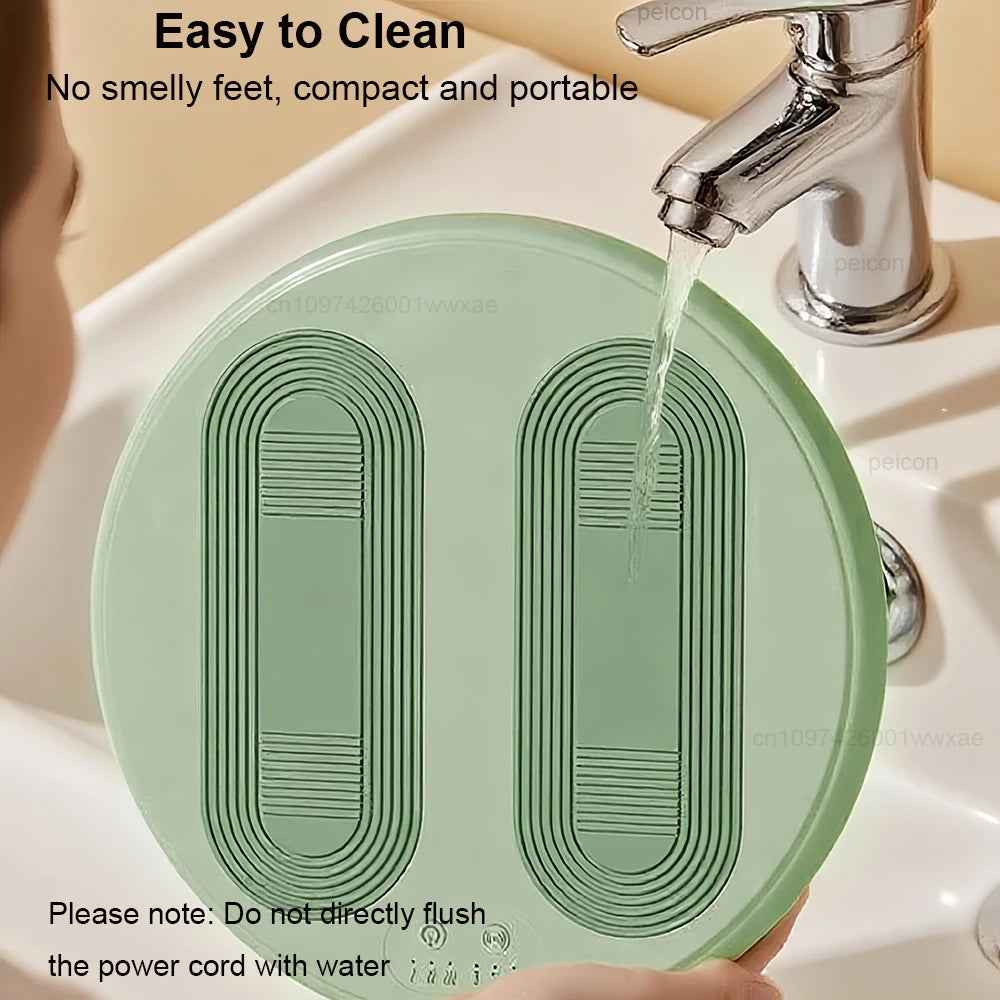
Mid-routine relaxation with a soothing foot spa See it in action
How to Do a Foot Spa at Home: Step-by-Step Routine
Step 1: Prepare the foot soak
Fill a basin with warm water and add your chosen ingredients. This sets the foundation for softening skin.
Step 2: Soak your feet
Soak for 10–15 minutes to relax muscles and loosen dead skin.
Step 3: Exfoliate and remove rough skin
Use a pumice stone or scrub to gently remove buildup, especially on heels.
Step 4: Trim and care for nails
Trim nails straight across to prevent ingrown nails and maintain hygiene.
Step 5: Massage your feet
Massage improves circulation and relieves tension. Focus on arches and pressure points.
Step 6: Moisturize and protect skin
Apply a rich cream and wear socks to lock in hydration overnight.
For consistent results with less effort, an electric option like the KentDO Electric Foot Massager Pain Relief can provide steady massage and comfort.
DIY Foot Soak Recipes for Different Goals
Relaxation and stress relief
Warm water + lavender oil + bath salts to calm the mind and body.
Dry feet and cracked heels
Milk + honey mixture helps deeply hydrate and soften skin.
Odor control
Vinegar + warm water helps reduce odor-causing bacteria.
Tired feet and circulation support
Peppermint oil + warm water provides a refreshing, stimulating effect.
How to Customize Your Home Foot Spa for Different Needs
Dry or sensitive skin
Use gentle exfoliation and fragrance-free moisturizers to avoid irritation.
Athletes and active lifestyles
Focus on recovery with cooling oils and longer massage sessions.
Older adults
Keep routines simple with mild temperatures and minimal exfoliation.
People with diabetes
Consult a healthcare provider before starting. Avoid hot water and aggressive exfoliation to prevent injury.
Tools That Can Improve a Home Foot Spa
Foot basins vs electric foot spas
Basins are simple and affordable, while electric foot spas maintain heat and add massage features.
Exfoliation and massage tools
Pumice stones, scrubs, and rollers enhance results by improving skin texture and circulation.
Features worth paying for
- Heat retention for consistent comfort
- Bubble jets for gentle stimulation
- Massage rollers for deeper relaxation
- Easy-to-clean design
Many users explore complementary self-care categories like Lifestyle or Beauty & Self-Care Blog collections to build relaxing routines.
Common Foot Spa Mistakes and Safety Tips
Water temperature and soaking time
Keep water warm, not hot, and limit sessions to 15–20 minutes.
Avoiding skin damage and infection
Do not over-exfoliate or use harsh tools, especially on sensitive skin.
Who should avoid foot soaks
People with open wounds, infections, or certain medical conditions should consult a professional before starting.
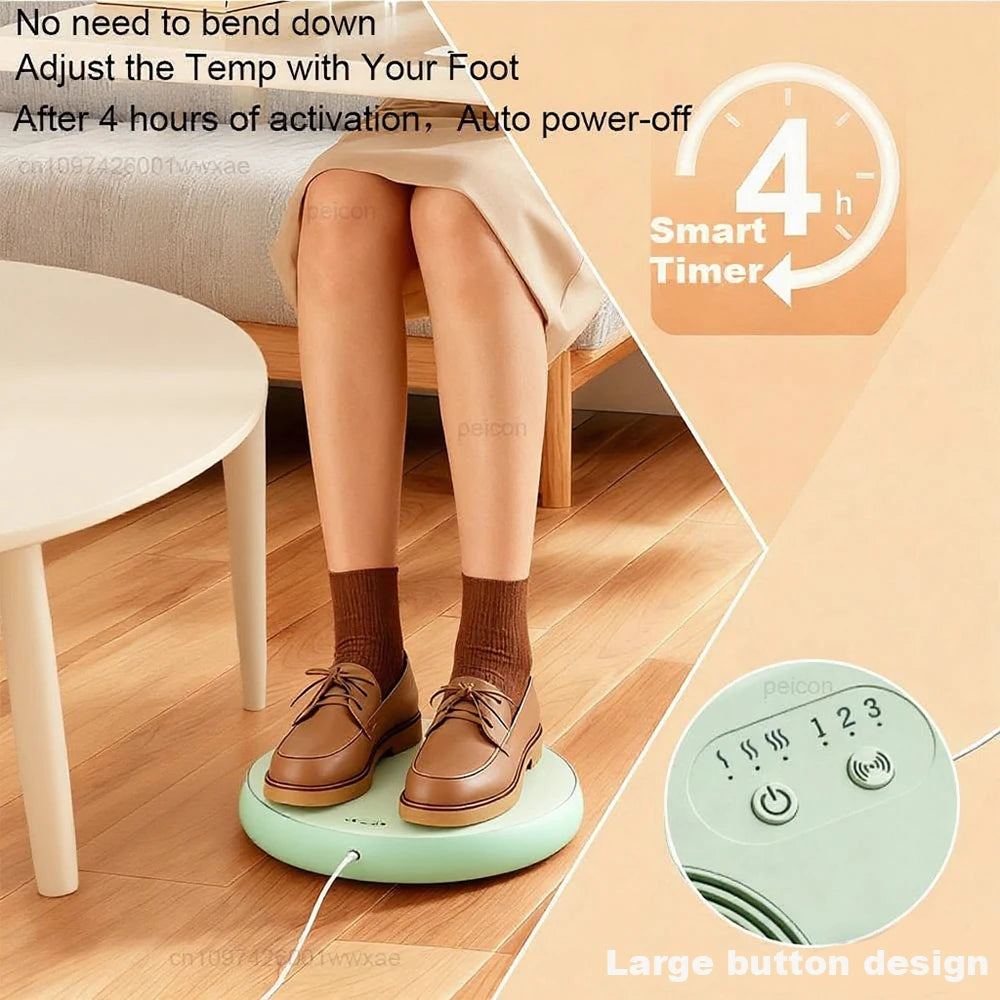
End your day right with a relaxing foot spa See it in action
Get yours now — limited stock!
FAQ: Foot Spa Treatment at Home
How often should you do a foot spa at home?
1–2 times per week is ideal for maintaining healthy skin.
How long should a home foot spa last?
15–20 minutes provides effective results without drying the skin.
What should you put in a homemade foot soak?
Epsom salt, essential oils, vinegar, or natural ingredients like honey.
Can you do an at-home pedicure during a foot spa?
Yes, soaking softens nails and skin, making pedicure steps easier.
Should you moisturize immediately after soaking?
Yes, moisturizing right after helps lock in hydration.
Related Guide: How to Use a Foot Massager Machine for Plantar Fasciitis













