

How long does muscle recovery take?
Muscle recovery typically takes **24 to 72 hours** for mild soreness to subside, but full regeneration of micro-damage (especially after heavy training) can require **5 to 7 days—or more** depending on rest, nutrition, sleep, and recovery tools.
⏱ 6 min read
How Long Does Muscle Recovery Take? The Truth About Healing Speed and Tools
Wondering how long does muscle recovery take after an intense workout? The answer depends on how well you support your body—with quick muscle recovery techniques like electrical muscle stimulation for recovery, using deep tissue massage gun sessions, or even an electric vibrating massager to boost circulation. Discover what truly speeds healing and which habits secretly slow you down—are you helping your muscles recover or holding them back?
Why Recovery Durations Vary by Individual
No two bodies recover at exactly the same pace. You may finish a brutal workout and feel sore the next day, while your gym buddy recovers by evening. Here’s what drives that difference:
- Training intensity & volume: Heavy eccentric loading or new exercises cause more microtears, lengthening recovery time.
- Fitness level & age: Beginners or older adults recover slower than seasoned athletes.
- Nutrition & hydration: Protein, micronutrients, and water intake greatly influence repair speed.
- Sleep quality: Healing hormones are released mostly during deep sleep phases.
- Recovery practices: Use (or neglect) of tools like electrical muscle stimulation, massage, heat/cold therapy shifts timelines dramatically.
So when someone asks, “how long does muscle recovery take?” the only honest answer is: **it depends**—but you can influence the duration.
Typical Recovery Timeline: What to Expect
Below is a rough breakdown of what happens over days after a tough workout:
| Timeframe | Symptoms & Healing Stage | What You Should Do |
|---|---|---|
| 0–24 hours | Muscle soreness onset, stiffness, mild swelling | Gentle movement, hydration, light protein intake, rest |
| 24–48 hours | Peak soreness (DOMS), reduced range of motion | Active recovery, mild massage, heat/cold alternation |
| 48–72 hours | Soreness subsides, strength starts returning | Gradual return to movement, recovery tools apply |
| 3–7 days | Repair of micro-tears, rebuilding of connective tissues | Proper sleep, nutrition, low-impact training |
Note: For **very intense or novel workouts**, recovery may stretch past one week.
Factors That Speed or Slow Muscle Healing
Understanding these variables helps you control your recovery curve instead of waiting and guessing.
- Poor sleep (<7 hours): Delays growth hormone release and slows repair.
- Under-eating protein or calories: Starving your muscles out of building blocks.
- Chronic stress: Elevates cortisol, interfering with tissue repair.
- Alcohol consumption: Impairs muscle protein synthesis.
- Overtraining: Not allowing buffer days leads to cumulative damage.
- Inconsistent recovery tools: Using them haphazardly or incorrectly may yield no benefit.
Even though you can’t control everything (age, genetics), many variables are yours to manage. Later, we’ll dive into the best tools to tilt recovery in your favor.
Quick Muscle Recovery Tools & Techniques You Can Use Today
Too often, people wait for soreness to fade instead of proactively accelerating it. Here’s a toolkit to support **quick muscle recovery**:
- Active recovery / light movement: Walking, cycling, foam rolling
- Contrast therapy: Alternating hot and cold to stimulate circulation
- Compression garments: To reduce swelling and promote venous return
- Stretching or mobility work: To maintain range and reduce stiffness
- Targeted devices: Electrical muscle stimulation, deep tissue massage guns, electric vibrating massagers
- Nutrition & supplementation: Protein, omega-3s, antioxidants (if appropriate)
Of all these, devices bring the most action per minute, especially for busy adults wanting efficient recovery.
Electrical Muscle Stimulation for Recovery: What Science Says
Also known as EMS or NMES (neuromuscular electrical stimulation), this technique sends electrical pulses through electrodes to gently contract and relax muscles. It’s been used in rehab and athletics for decades.
How it helps:
- Improves localized blood flow and lymphatic drainage
- Flushes waste products like lactic acid
- Delivers mild contract-relax cycles that mimic active recovery while resting
Multiple studies have shown mild-to-moderate improvement in recovery markers (less soreness, faster force regain) when EMS is used within 24 hours after a session. Compared to passive rest, it can shorten soreness window by several hours.
👉 For home use, many EMS units are compact, wearable, and programmable. They make “quick muscle recovery” more doable even on your busiest days.
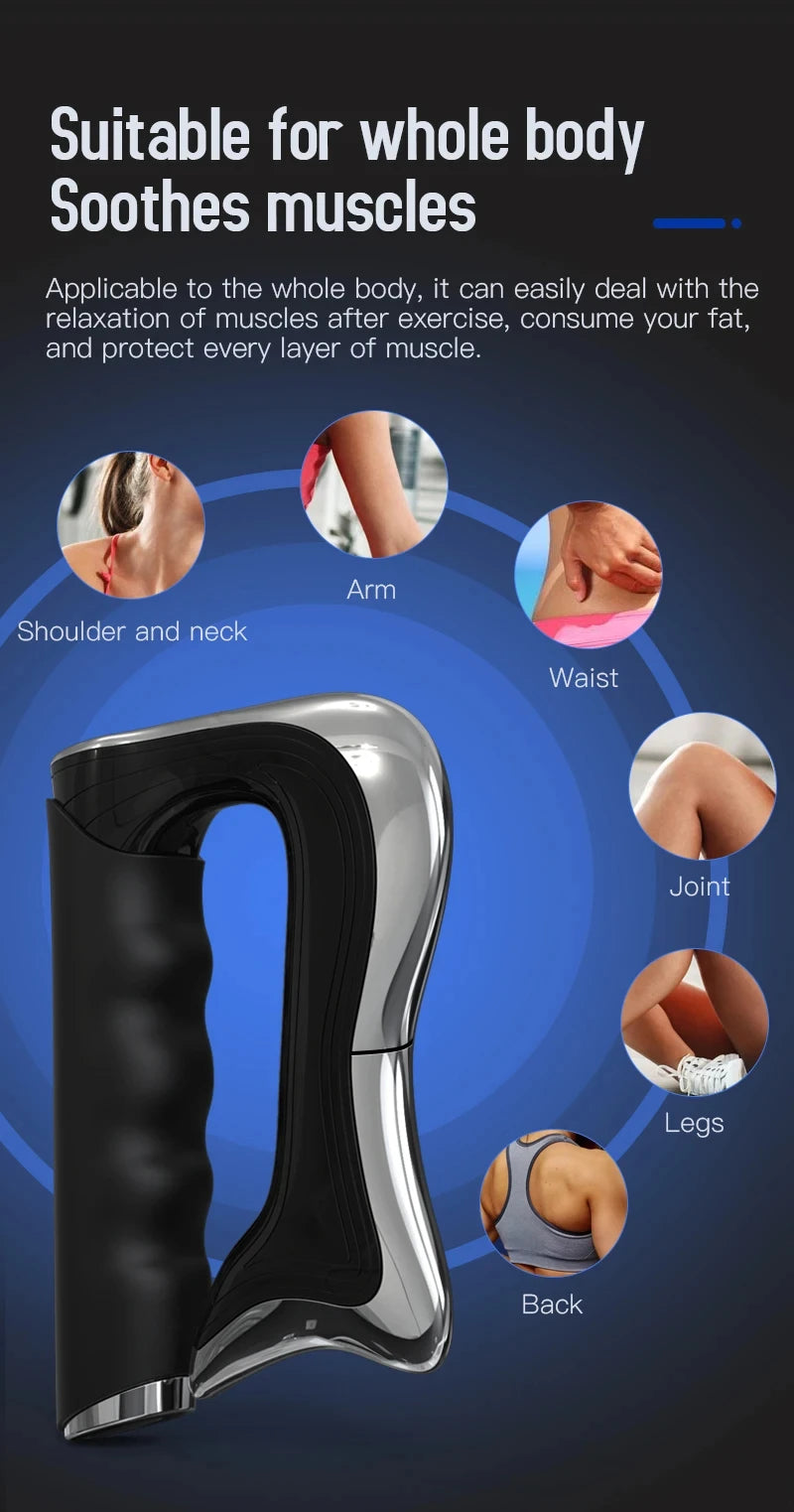
💡 Visualizing recovery in action — link this to your strategy
Why You Might Use a Deep Tissue Massage Gun or Electric Vibrating Massager
Hands-on massage is great—but it's not always practical. Devices like massage guns or vibrating massagers allow targeted, repeatable, and portable work.
Deep Tissue Massage Gun Advantages:
- High-impact percussive pulses that break up muscle knots
- Deep penetration to reach fascia and trigger points
- Adjustable speed and tip attachments for personalization
Electric Vibrating Massager Advantages:
- Smoother, gentler vibration across larger areas
- Useful for warm-up, cool-down, or nervous-system relaxation
- Often lighter, quieter, and more ergonomic
When combined with EMS, these tools offer “stacked recovery” benefits—for example, EMS first (to flush and activate), then massage gun (to loosen knots), then vibration (to calm nerves).
How to Use Recovery Tools Effectively (Step-by-Step)
Using devices randomly won’t yield full benefits. Here’s a recommended protocol:
- Apply EMS within 1 hour post-workout: 10–20 minutes at low to medium intensity on the targeted muscle groups.
- Rest or active cool-down: Walk, hydrate, maybe stretch gently.
- Use a massage gun (deep tissue): 1–3 minutes per muscle, mid-to-low setting to avoid bruising.
- Finish with vibrating massager: 30–60 seconds to “sweep” tension and calm the area.
- Combine with heat or contrast if needed: 5 min warm, 30 sec cool, repeat 2–3 cycles.
Consistency matters—committing 5–10 minutes a day to this routine pays dividends over weeks.
👉 Want a tailored recovery device? Check out our premium option: KentDO Electric Fascia Massage Blade. It’s designed to complement both EMS and massage gun work.
Common Mistakes That Hurt Recovery (and How to Avoid Them)
- Using devices at max intensity: High-speed percussion or vibration can inflame microtears instead of helping them heal.
- Skipping hydration or nutrition: Tools are helpful but not magical—your body still needs raw materials to rebuild.
- Doing heavy training too soon: If soreness is still significant, skip high-load sessions.
- Ignoring rest days: Cumulative fatigue will delay healing dramatically.
- Relying only on passive products (creams, gels): These may feel good, but they don’t actively stimulate circulation or tissue remodeling like EMS or massage tools do.
Real-World Results: What Users Say
Here’s feedback from real users who adopted a recovery-first approach:
“After adding EMS and a massage gun into my routine, my quad soreness dropped from 48h to under 24h. I now train more consistently.” — Jenna, amateur marathoner
“I used to wait a full week after leg day. Now I only rest 2 days, thanks to my vibrating massager + contrast therapy combo.” — Marcus, CrossFit athlete
These aren’t miracle stories—they’re examples of consistent, strategic use of recovery tools helping people shrink their downtime.
Which Tool Fits You Best? (Quick Decision Guide)
Choose your recovery tool based on your primary goal:
- Need to flush lactic acid and reduce swelling? Start with EMS / electrical muscle stimulation for recovery.
- Want to break up deep knots and fascia? Use a deep tissue massage gun.
- Prefer gentle smoothing, calming the nervous system? Go for an electric vibrating massager.
- Looking for a hybrid or blade-style tool? Try our KentDO Electric Fascia Massage Blade.
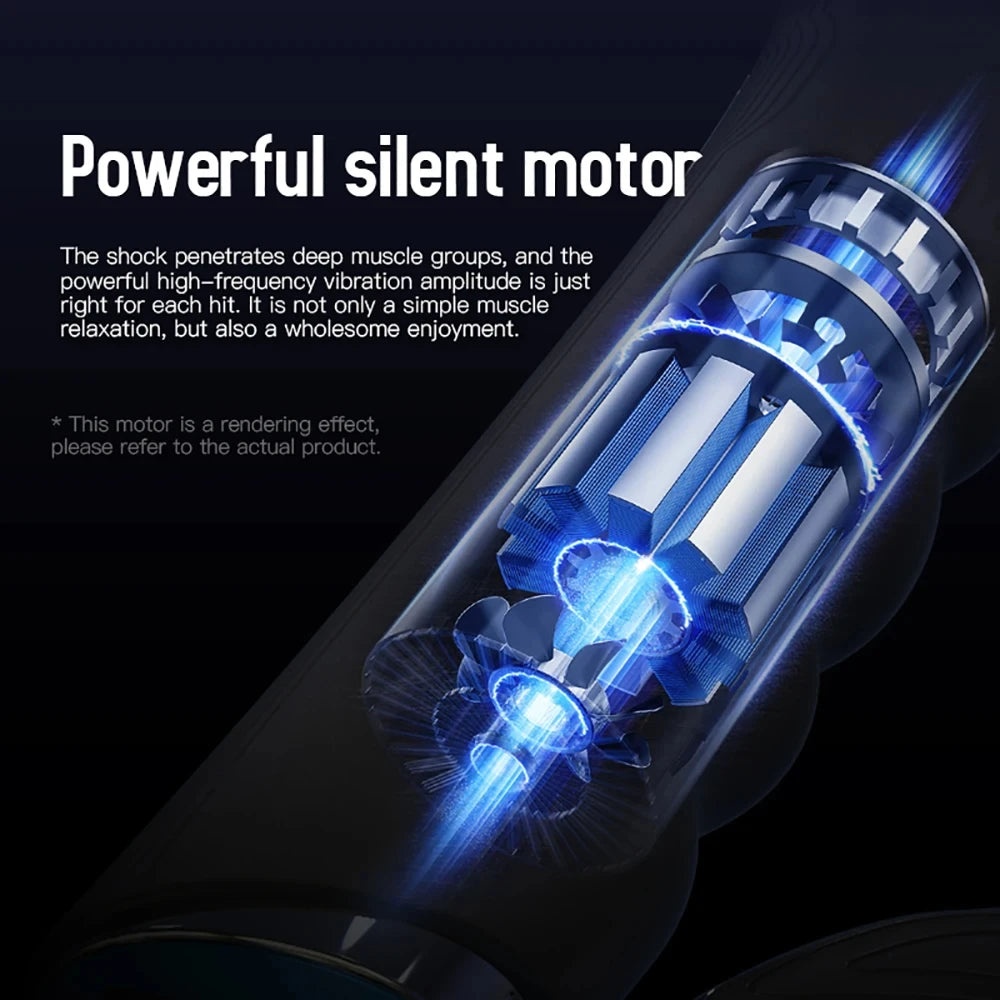
💡 Recovery tools in harmony — your full toolkit
FAQ — Muscle Recovery Time & Tools
Q: Can I force recovery faster than natural biology?
A: You can support faster recovery using tools, proper nutrition, sleep, and avoiding overtraining—but you can’t override cellular repair limits. Tools help, but recovery still takes time.
Q: Is it safe to use multiple tools (EMS + massage gun) in same session?
A: Yes — in fact, combining methods often yields additive benefits. Use EMS first to stimulate circulation, then massage gun, then finish with vibration or light stretch. Just moderate intensity and listen to your body.
Q: When should I rest fully (no training) vs doing active recovery?
A: If you still have moderate to severe soreness or reduced strength after 48 hours, opt for active recovery only. If pain persists beyond 72 hours, or you feel fatigued across multiple muscle groups, take a full rest day.
Q: Do I need to buy expensive recovery tools to see benefit?
A: Not necessarily. You’ll get benefit from even mid-range EMS, massage, or vibrating devices as long as you use them correctly and consistently. Price doesn’t always guarantee effectiveness—but quality, ergonomics, and software features help.
Related Articles:
- Massagers for Muscles: Which Type Fits Your Training, Job, or Pain Level?
- Fascia Massage Benefits for Runners, Lifters, and Desk Workers Explained
Pillar Articles:













