

What are the fascia massage benefits for runners, lifters, and desk workers?
Fascia massage benefits include reduced muscle stiffness, faster recovery, and improved mobility. It helps release tension in connective tissue, boosts blood flow, and prevents injuries. Whether using a fascia blaster tool or myofascial release ball, it’s an effective way to restore flexibility and relieve chronic tightness.
- Improves circulation and oxygen flow to muscles
- Relieves pain caused by tight fascia
- Supports quicker recovery post-exercise
- Enhances mobility and posture
⏱ 6 min read
Fascia Massage Benefits for Runners, Lifters, and Desk Workers Explained
Discover how fascia massage benefits extend beyond relaxation—helping runners recover faster, lifters boost mobility, and desk workers ease chronic tension. Learn whether does massage help fascia truly deliver deeper muscle recovery, how the fascia blaster tool compares, and why fascia release benefits are key for pain-free performance. Plus, find out how a simple myofascial release ball can transform your daily routine—ready to feel the difference your fascia’s been missing?

💡 Discover how fascia massage benefits can boost flexibility and recovery with KentDO fascia massage blade.
Understanding Fascia: The Hidden Network of Your Body
Your fascia is a web-like connective tissue wrapping around every muscle, bone, and organ. When it’s tight or dehydrated, movement feels restricted, and pain becomes constant—especially for runners, weightlifters, or anyone sitting long hours.
Think of fascia as your body’s natural performance fabric. A healthy fascia system means smoother motion, fewer injuries, and better posture. That’s why fascia massage is no longer just a spa luxury—it’s a recovery essential.
Does Massage Help Fascia?
Yes, massage helps fascia by breaking down adhesions and improving elasticity. Regular fascia massage increases hydration between muscle layers, reduces stiffness, and supports lymphatic drainage for faster healing.
- Manual Fascia Massage: Uses slow, sustained pressure to loosen dense tissue.
- Fascia Blaster Tool: Applies friction to stimulate blood flow and collagen remodeling.
- Myofascial Release Ball: Targets tight trigger points, ideal for home recovery.
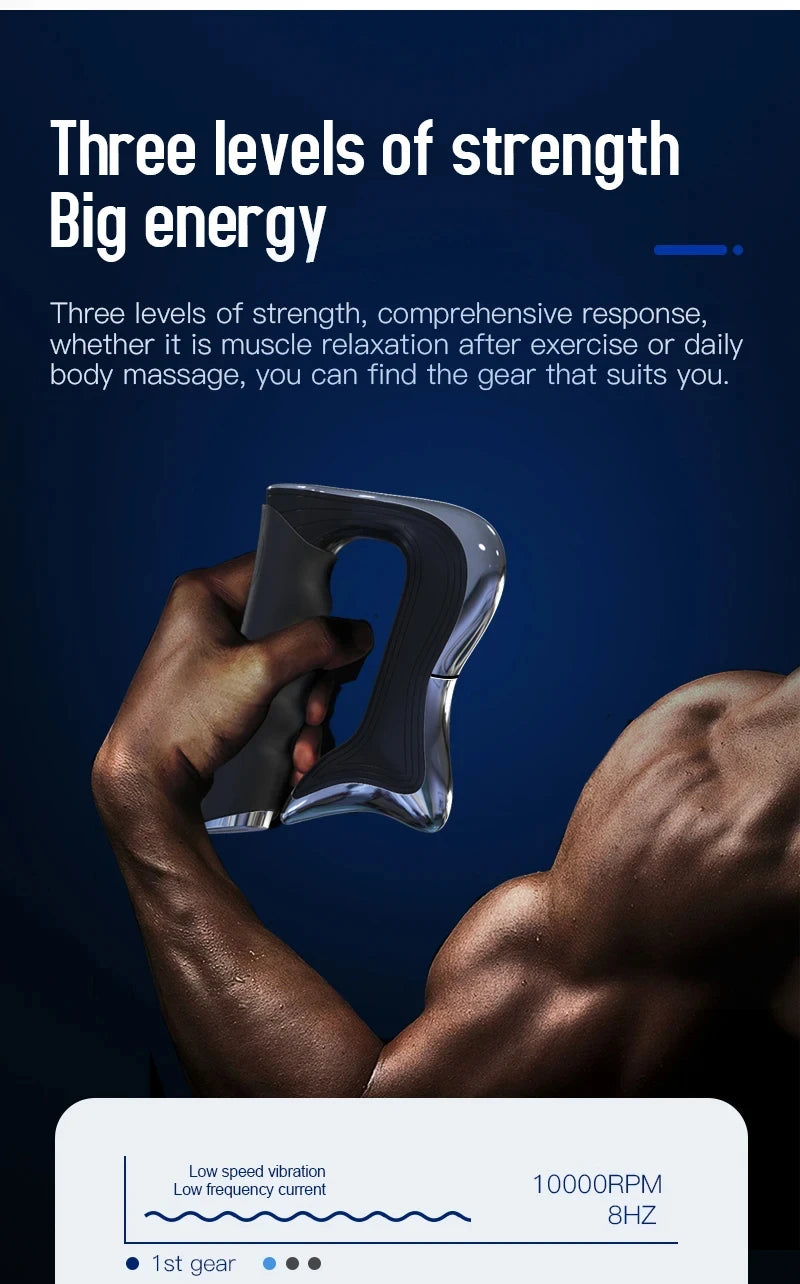
💡 Experience fascia release benefits with the KentDO fascia massage blade for deep recovery.
Top Fascia Release Benefits Explained
Fascia release isn’t just about relaxation—it’s about restoring balance to your body. Here are the key fascia massage benefits backed by research and real-world users:
- Improved Recovery Speed: Boosts blood and lymph flow, helping muscles heal faster post-workout.
- Reduced Pain & Stiffness: Releases knots that cause soreness, improving daily comfort.
- Better Range of Motion: Frees restricted fascia to enhance joint mobility and athletic performance.
- Enhanced Circulation: Encourages nutrient delivery to tissues for optimal muscle health.
Regular fascia massage supports longevity in both training and desk-bound routines, making it one of the simplest yet most effective wellness investments.
Best Tools and Techniques for Fascia Massage
The best fascia tools deliver targeted pressure with minimal effort. Here’s how they compare:
| Tool | Best For | Pros | Cons |
|---|---|---|---|
| Fascia Blaster Tool | Deep fascia adhesions | Effective for cellulite and tight fascia | Requires precision and gentle use |
| Myofascial Release Ball | Localized muscle knots | Portable, affordable, beginner-friendly | May not cover large areas efficiently |
| KentDO Fascia Massage Blade | Full-body, efficient recovery | Electric vibration for deeper penetration, ergonomic design | Requires charging |
How Fascia Massage Benefits Different Lifestyles
For Runners
Runners often struggle with tight calves and plantar fascia pain. Using a fascia massage blade post-run reduces lactic acid buildup and prevents overuse injuries. Pair it with a myofascial release ball under the feet for complete recovery.
For Lifters
Weightlifters benefit from fascia release before workouts to activate muscles and post-lift to reduce inflammation. A fascia blaster tool or electric massager can target hamstrings, traps, and glutes efficiently—helping maintain form and strength longevity.
For Desk Workers
Hours at a desk create fascial restrictions around the shoulders and neck. A quick fascia massage can improve circulation and posture while easing headaches and upper-back tension. The Lifestyle section also offers ergonomic recovery tools to enhance comfort during work hours.
How to Use the KentDO Fascia Massage Blade Effectively
The KentDO Electric Fascia Massage Blade combines precision vibration and ergonomic shaping for effortless fascia release. Here’s how to make the most of it:
- Apply light pressure with the blade along tight muscle lines.
- Use slow, fluid strokes for 2–3 minutes per area.
- Focus on calves, hamstrings, and back after exercise.
- Hydrate afterward to support fascia elasticity.
Consistent use delivers visible results in posture, flexibility, and overall muscle tone. Pair it with other health devices for a complete recovery system.
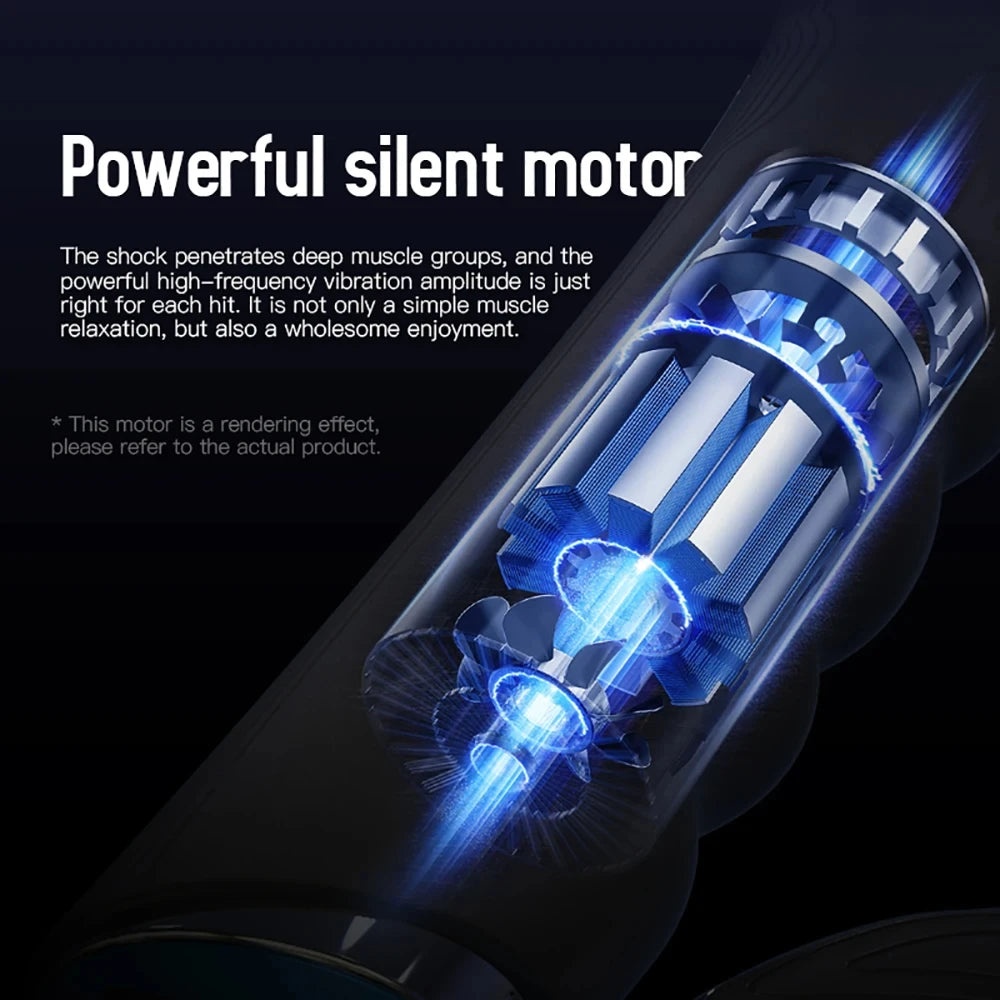
💡 Get yours now — the KentDO fascia massage blade for next-level recovery and mobility improvement.
Fascia Massage FAQ
How often should I do fascia massage?
Most users benefit from 3–4 sessions per week. Start gently and increase as your body adapts to avoid over-stimulation.
Can fascia massage reduce cellulite?
Yes, fascia massage may smooth the appearance of cellulite by improving circulation and breaking up fibrotic tissue beneath the skin.
Is fascia massage safe for everyone?
Generally yes, but if you have medical conditions like varicose veins or acute injuries, consult a professional before starting.
What’s the best time to use a fascia blaster tool?
For optimal results, use it after a warm shower or light warm-up when muscles are pliable.
Pillar Article: How Long Does Muscle Recovery Take? The Truth About Healing Speed and Tools
Other Related Articles:
Explore More:













