
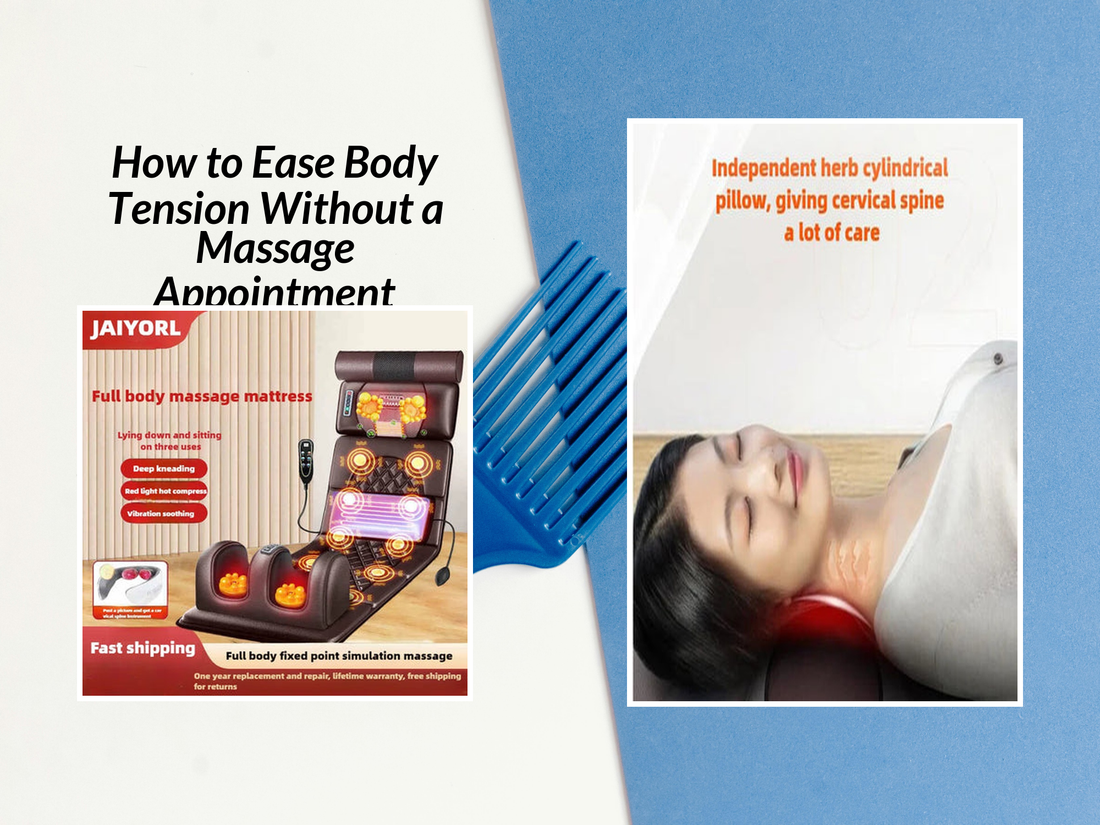
⏱ 7 min read
How to Ease Body Tension Without a Massage Appointment
Want to know how to ease body tension without spending hours at the spa? Discover practical, evidence-informed strategies that combine breathing exercises, stretching, heat therapy, and self-massage for effective back neck pain relief massage at home. Whether you're dealing with stress from long workdays, poor posture, or muscle fatigue, these techniques can help you relax naturally—no appointment required.
How to Ease Body Tension Fast at Home: A 5- to 10-Minute Routine
The fastest way to ease body tension is to combine diaphragmatic breathing, gentle mobility exercises, and light self-massage. This simple routine helps calm your nervous system, improve circulation, and reduce muscle stiffness in just a few minutes.
Step 1: Deep Diaphragmatic Breathing (2 Minutes)
Sit comfortably with relaxed shoulders. Inhale slowly through your nose for four seconds, allowing your abdomen to expand. Hold briefly, then exhale through your mouth for six seconds. Repeat for two minutes. This activates the parasympathetic nervous system, helping reduce stress-related muscle tension throughout the body.
Step 2: Gentle Full-Body Stretches (4 Minutes)
Move through slow, comfortable stretches instead of forcing flexibility. Hold each stretch for 20–30 seconds while breathing normally.
- Neck side stretch
- Shoulder rolls
- Chest opener
- Standing hamstring stretch
- Cat-cow spinal movement
- Hip flexor stretch
Step 3: Self-Massage for Tight Muscles (2–4 Minutes)
Use your hands, a massage ball, or a foam roller to apply gentle pressure to tight muscles. Focus on tender areas for 20–30 seconds before moving on. If desired, a heated massage mattress pad can complement your routine by providing consistent warmth alongside vibration massage.
- Apply gentle heat before stretching
- Perform slow neck and shoulder mobility exercises
- Massage only mildly tender muscles
- Finish with deep breathing and hydration
Learn practical techniques to ease body tension naturally at home.
Why Body Tension Happens
Muscle tension develops when muscles remain partially contracted for long periods. Daily stress, repetitive movements, prolonged sitting, poor posture, dehydration, and intense exercise can all contribute to tight, uncomfortable muscles.
Stress-Related Muscle Tension
When you're under stress, your body releases hormones such as cortisol and adrenaline. These prepare your muscles for action, but if stress becomes chronic, muscles may remain tight even while resting.
Poor Posture and Prolonged Sitting
Hours spent working at a desk or looking down at a phone can overload the neck, shoulders, and lower back. Limited movement also reduces circulation, making stiffness feel worse over time.
Exercise, Overuse, and Dehydration
Intense workouts, repetitive lifting, or insufficient hydration may leave muscles feeling tight and fatigued. Staying hydrated and allowing adequate recovery supports normal muscle function.
When Tension May Signal a Medical Condition
While everyday muscle tightness is common, persistent pain, significant weakness, numbness, fever, swelling, or pain following an injury should be evaluated by a healthcare professional.
Best Techniques to Relieve Body Tension Naturally
Breathing Exercises
Slow breathing lowers your body's stress response and helps muscles relax. Even five minutes can reduce the sensation of tightness after a demanding day.
Stretching by Body Region
Target the muscles that feel tight instead of stretching your entire body aggressively. Gentle stretching performed consistently often provides better long-term results than occasional intense sessions.
Heat vs. Cold Therapy
Heat is generally most effective for ongoing muscle stiffness and chronic tightness because it increases circulation and flexibility. Cold therapy may be more appropriate during the first 24–48 hours after an acute strain or injury to help reduce inflammation.
Hydration and Gentle Movement
Regular walking, changing positions throughout the day, and drinking enough water help support healthy circulation and muscle recovery.
Combining movement with gentle self-massage often provides greater relief than either approach alone.
How to Relieve Tension by Body Area
Neck and Shoulders
Perform shoulder rolls, chin tucks, and gentle neck side bends. Avoid sudden neck rotations or forceful stretching.
Upper and Lower Back
Try cat-cow movements, seated spinal twists, and walking breaks every hour. A foam roller may help reduce stiffness in larger back muscles.
Hips and Legs
Hip flexor stretches, glute stretches, and calf stretches are especially helpful for people who sit most of the day.
Jaw and Face
Relax your jaw by placing your tongue gently behind your upper front teeth and allowing your jaw muscles to soften. Gentle temple massage may also help reduce facial tension.
Self-Massage and Foam Rolling Techniques
Hands-Only Self-Massage
Use your fingertips or palms to apply moderate pressure to tight muscles using slow circular movements. Stop if you experience sharp or worsening pain.
Using a Massage Ball
A tennis ball or massage ball placed between your back and a wall can target trigger points without excessive pressure.
Foam Rolling Basics
Roll slowly over larger muscle groups for 30–60 seconds while avoiding joints and bones. Moderate pressure is usually more comfortable and equally effective than aggressive rolling.
When to Avoid Deep Pressure
Avoid deep tissue massage over bruises, acute injuries, swollen joints, varicose veins, or areas with unexplained pain unless advised by a healthcare provider.
How Heat Therapy Helps Tight Muscles
Heat therapy improves blood flow, increases tissue flexibility, and helps muscles relax before stretching or self-massage. For ongoing muscle stiffness, applying gentle heat for 15–20 minutes is often sufficient.
When to Use Heat
Choose heat for chronic stiffness, muscle tightness after work, or soreness that develops gradually.
Cold packs are generally preferred immediately after a new injury when swelling or inflammation is present.
Safety Precautions
- Never place heating devices directly against bare skin for prolonged periods.
- Check skin regularly during use.
- Avoid sleeping with active heating devices unless specifically designed for safe unattended operation.
- Consult your healthcare provider if you have reduced sensation or circulation disorders.
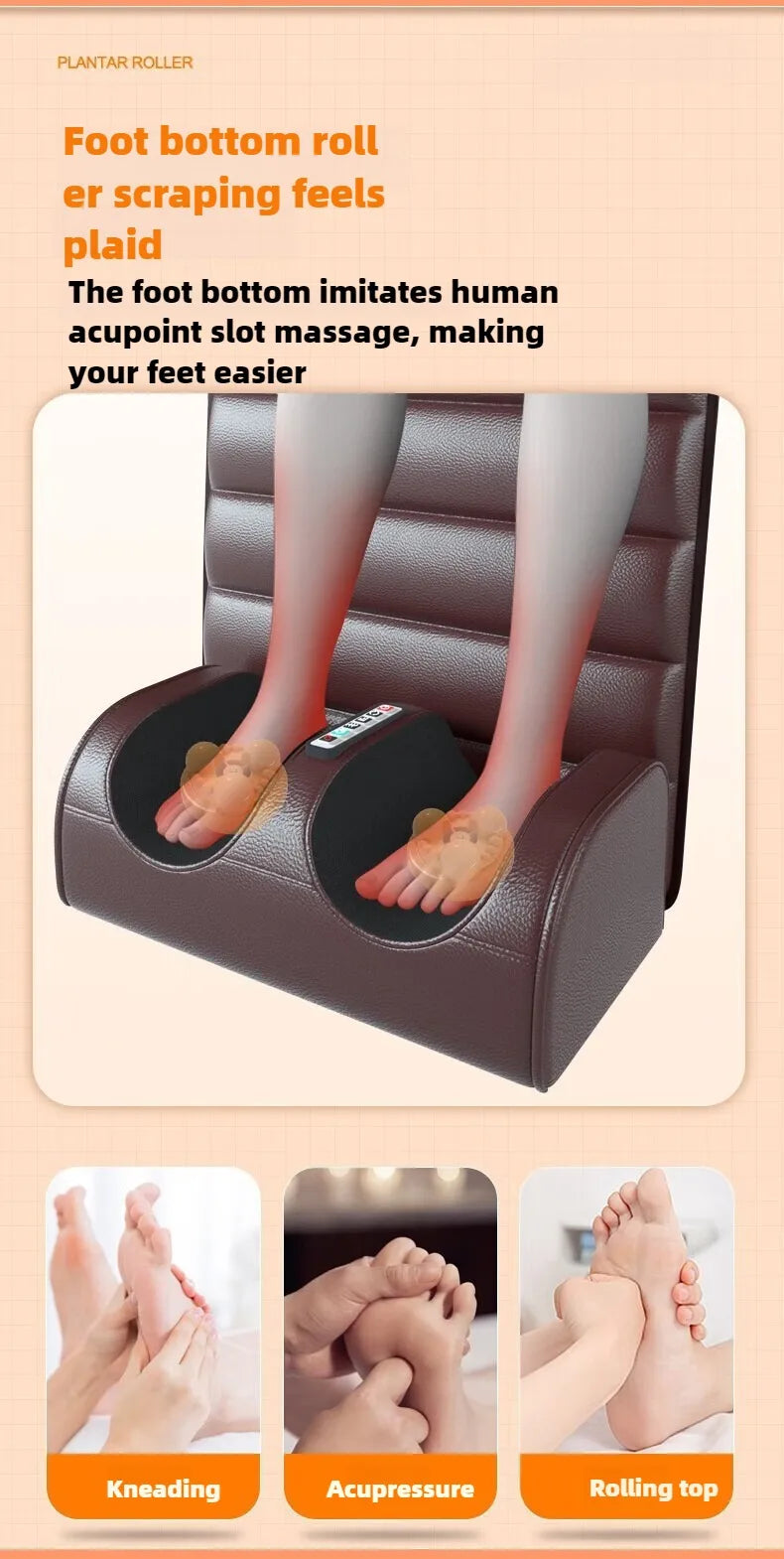
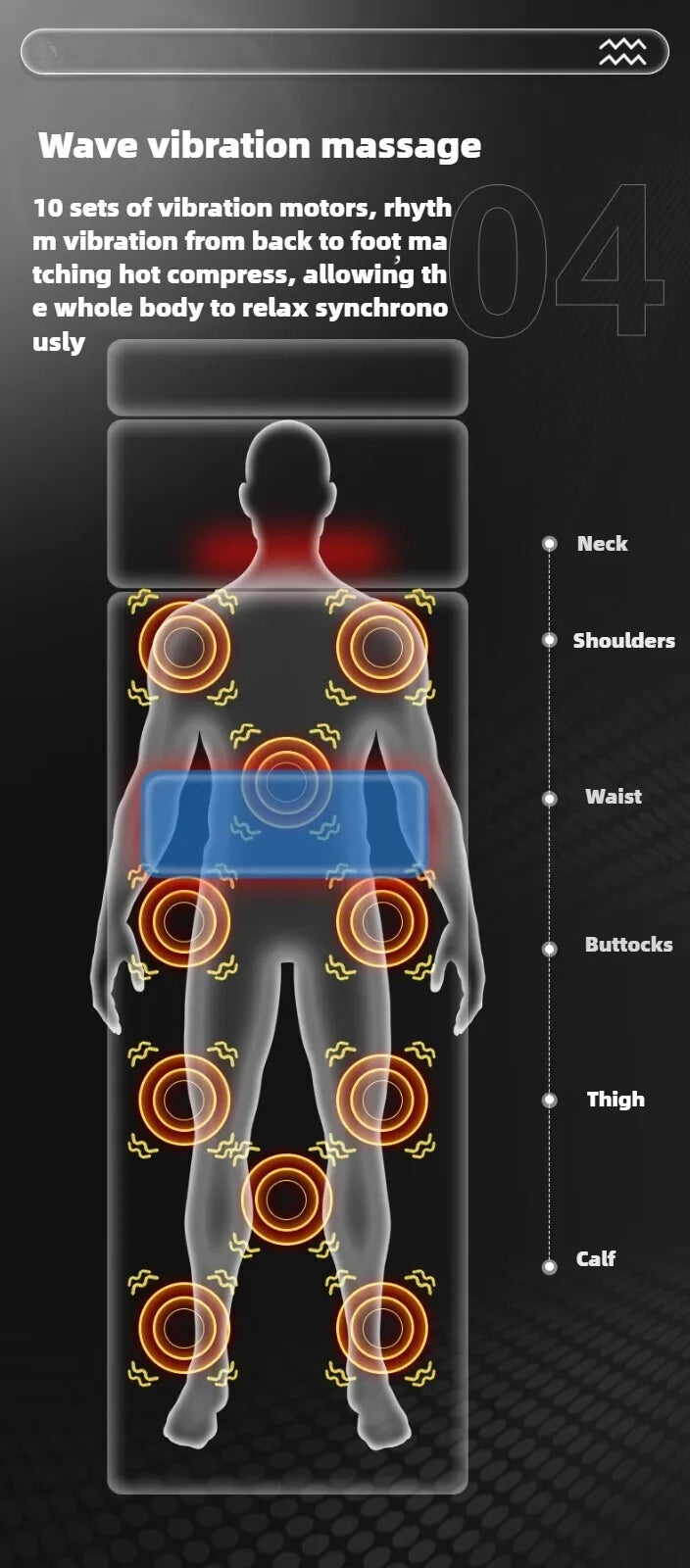
For individuals who enjoy heat-based relaxation, the KentDO Full Body Massage Mattress combines adjustable warmth with vibration massage to support a comfortable home recovery routine.
Massage Devices: When They Can Complement Self-Care
Massage devices can be useful additions to stretching and regular movement, particularly for people who spend long hours sitting or experience recurring muscle tightness. They work best as part of a broader self-care routine rather than as a replacement for exercise or healthy posture.
| Feature | Potential Benefit |
|---|---|
| 6 Heat Zones | Provides warmth to multiple muscle groups during relaxation sessions. |
| Custom Intensity Modes | Allows users to select a comfortable massage level. |
| Portable & Foldable Design | Convenient for storage and travel. |
| Auto Shut-Off | Adds an extra layer of safety during use. |
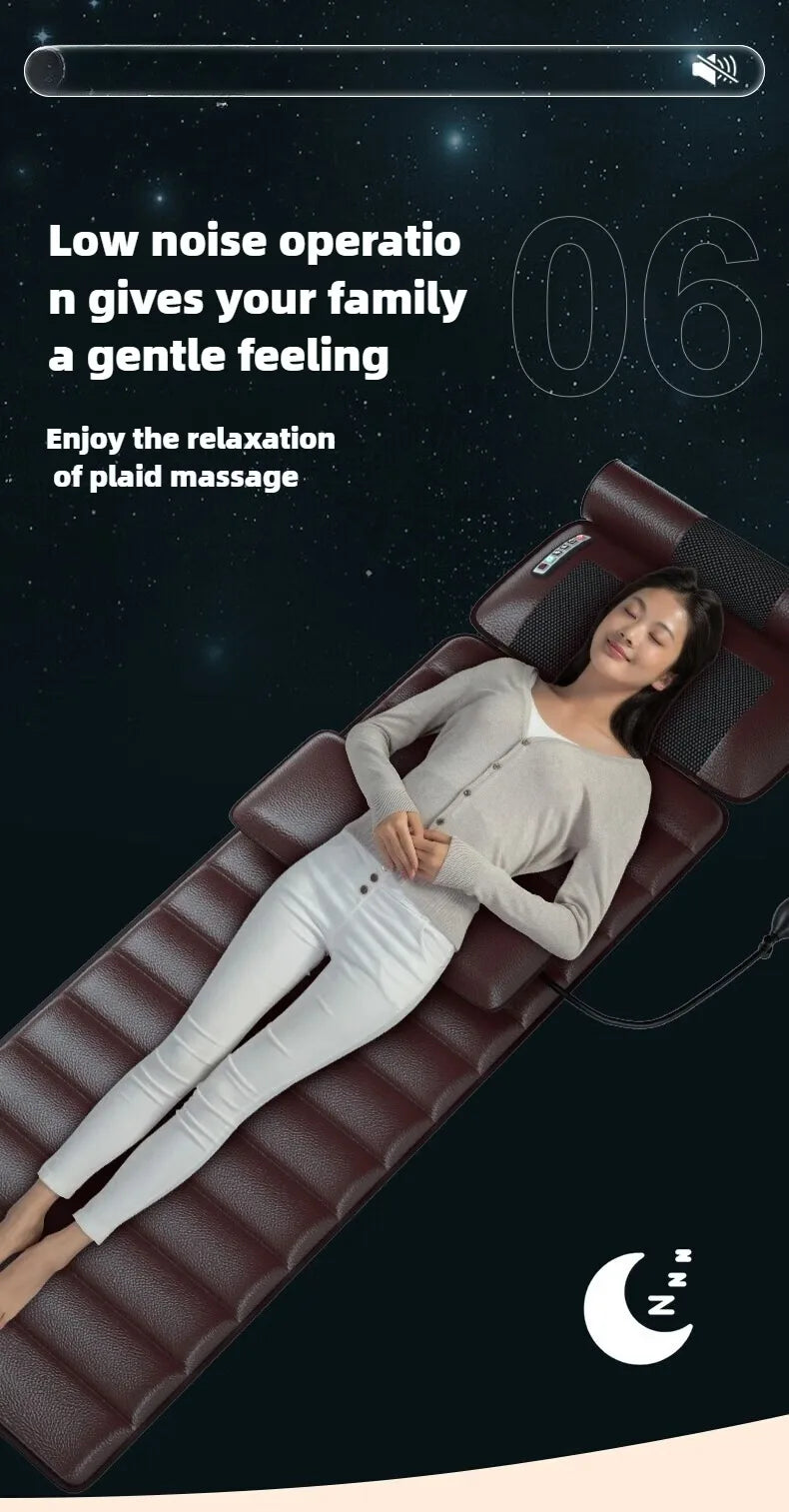
Massage devices may complement stretching, movement, and heat therapy for everyday muscle comfort.
Prevent Body Tension from Coming Back
Daily Movement Breaks
Stand, stretch, or walk for two to five minutes every hour to reduce prolonged muscle loading.
Posture Improvements
Adjust your workstation so your monitor is at eye level and your shoulders remain relaxed while typing.
Sleep and Recovery
Aim for consistent sleep and consider a supportive pillow and mattress that maintain comfortable spinal alignment.
Stress Management Habits
Mindfulness, regular exercise, breathing exercises, and maintaining social connections all help reduce stress-related muscle tension over time.
If screen time contributes to discomfort, you may also find relief with products from our Eye Care Devices collection.
When to See a Healthcare Professional
Seek medical advice if muscle tension lasts several weeks despite self-care, follows a significant injury, causes severe weakness, numbness, loss of bladder or bowel control, unexplained swelling, fever, or progressively worsening pain. These symptoms may indicate conditions requiring professional evaluation.
Frequently Asked Questions
-
What is the fastest way to ease body tension at home?
Combine slow diaphragmatic breathing, gentle stretching, light self-massage, and heat therapy for 5–10 minutes. -
Why does stress cause muscle tension?
Stress activates your body's fight-or-flight response, causing muscles to contract and remain tight until the nervous system relaxes. -
Should I use heat or ice for muscle tension?
Heat is generally best for chronic muscle tightness, while ice is more appropriate immediately after an acute injury with swelling. -
How often should I stretch for tight muscles?
Gentle daily stretching or at least three to five times per week helps maintain flexibility and reduce stiffness. -
Does self-massage really help body tension?
Yes. Gentle self-massage may improve circulation, reduce muscle tenderness, and complement stretching and movement. -
Can dehydration make muscles feel tight?
Yes. Inadequate hydration may contribute to muscle discomfort and reduced physical performance. -
When should muscle tension be evaluated by a doctor?
If symptoms are severe, persistent, accompanied by neurological symptoms, fever, or follow an injury, seek medical evaluation. -
What is the best bedtime routine for reducing body tension?
A warm shower, gentle stretching, deep breathing, limited screen time, and 10–15 minutes of relaxation before bed can help prepare your muscles for restful sleep.
Tags: how to ease body tension, body tension relief, how to relieve body tension, relaxation techniques for body tension, stress-related muscle tension, stretching for muscle tension, self massage for body tension, home remedies for muscle tension
Pillar Article: Reduce Stiffness and Fatigue Instantly with These Home Spa Tricks
Other Related Articles:
Explore More:













