
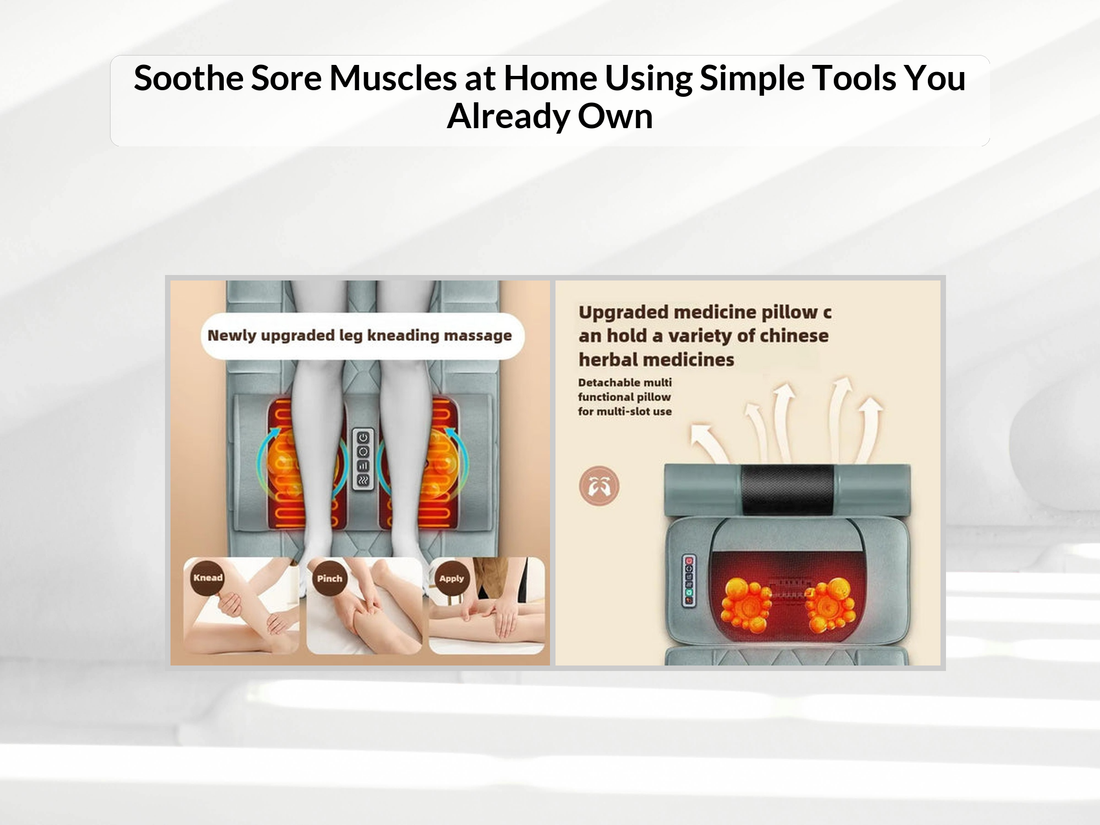
How can you soothe sore muscles at home effectively?
To soothe sore muscles at home , start with gentle recovery methods such as heat therapy, light stretching, hydration, proper nutrition, and self-massage tools like a massage mattress for bed . The best approach depends on whether you have normal post-workout soreness or a possible injury. Combining mobility, relaxation, and consistent recovery habits can help reduce stiffness and support muscle recovery.
- Use gentle movement and stretching to improve mobility.
- Apply heat for tight, stiff muscles and cold therapy for recent swelling.
- Stay hydrated and eat enough protein to support repair.
- Use home massage tools like foam rollers or a massage mat for targeted relief.
Soothe Sore Muscles at Home Using Simple Recovery Tools
⏱
6 min read
After a challenging workout, long hours standing, or an unusually active day, muscle soreness can make everyday movement uncomfortable. Many people search for ways to
soothe sore muscles at home
without expensive treatments or frequent appointments. Fortunately, effective recovery often starts with simple strategies you can do at home.
From stretching and hydration to heat therapy and self-massage, the right combination can help ease stiffness and support your body’s natural recovery process. Tools such as a massage mattress for bed can also provide convenient relaxation when incorporated into a consistent recovery routine.
Discover practical ways to soothe sore muscles at home with simple recovery techniques.
Why Your Muscles Feel Sore After Exercise
Muscle soreness after physical activity is commonly caused by Delayed Onset Muscle Soreness (DOMS) . DOMS usually appears several hours after unfamiliar or intense exercise and happens because muscles experience small amounts of stress during activity. The body responds by repairing and adapting, which can temporarily cause tenderness, stiffness, and reduced range of motion.
DOMS vs Muscle Injury
Not all muscle pain is normal soreness. DOMS typically feels like general aching, tightness, or sensitivity in the muscles you worked. A possible injury may feel sharper, more localized, or appear suddenly during activity.
- Typical soreness: Gradual discomfort that improves with light movement.
- Possible injury: Sudden pain, significant swelling, weakness, or difficulty using the affected area.
Normal Recovery Timeline
Most DOMS symptoms improve within 24–72 hours. The first day may bring increasing stiffness, followed by gradual improvement as your muscles repair. Gentle activity, adequate sleep, and proper nutrition can support at home muscle recovery .
Heat vs Ice: Which Should You Use?
Choosing between heat and ice depends on when soreness appears and what symptoms you experience. Both can be useful forms of muscle pain relief at home when used appropriately.
When to Use Cold Therapy
Cold therapy is generally more useful shortly after a new strain or when swelling is present. A cold pack can temporarily reduce discomfort and help calm irritated tissues.
- Use short sessions rather than prolonged exposure.
- Protect skin with a cloth barrier.
- Avoid using cold therapy as a substitute for medical care after serious injuries.
When Heat Works Best
Heat is often preferred for delayed soreness, muscle tightness, and stiffness. Warm showers, heating pads, or warm compresses may help muscles feel more relaxed before stretching or massage.
- Apply heat before mobility exercises to loosen tight areas.
- Avoid excessive heat that causes discomfort.
- Combine heat with gentle movement for better flexibility.
Best Home Recovery Methods Backed by Experts
The most effective recovery plan usually combines several habits instead of relying on one solution. These methods support circulation, mobility, and muscle repair.
Gentle Stretching and Mobility
Light stretching and controlled movement can help reduce stiffness after exercise. Avoid aggressive stretching when muscles are very sore, as forcing a tight muscle may increase discomfort.
Hydration and Nutrition
Water supports normal muscle function, while protein provides building blocks needed for muscle repair. Balanced meals containing protein, carbohydrates, and electrolytes can support recovery after demanding activity.
Sleep and Active Recovery
Rest is essential, but complete inactivity is not always helpful. Gentle walking, mobility exercises, and quality sleep can support circulation while allowing muscles to recover.
Everyday Tools That Double as Massage Devices
You do not need expensive equipment to practice how to relieve sore muscles at home . Several affordable tools can support self-massage and mobility work.
Foam Rollers
A foam roller can provide self-myofascial release by applying gentle pressure to areas that feel tight. It may help improve mobility and reduce the sensation of stiffness when used correctly.
- Roll slowly over large muscle groups.
- Avoid pressing directly on joints or painful areas.
- Use controlled pressure rather than forcing discomfort.
Tennis Balls and Towels
Tennis balls can help target smaller areas such as the upper back, glutes, and shoulders. Warm towels can provide soothing heat when muscles feel tense.
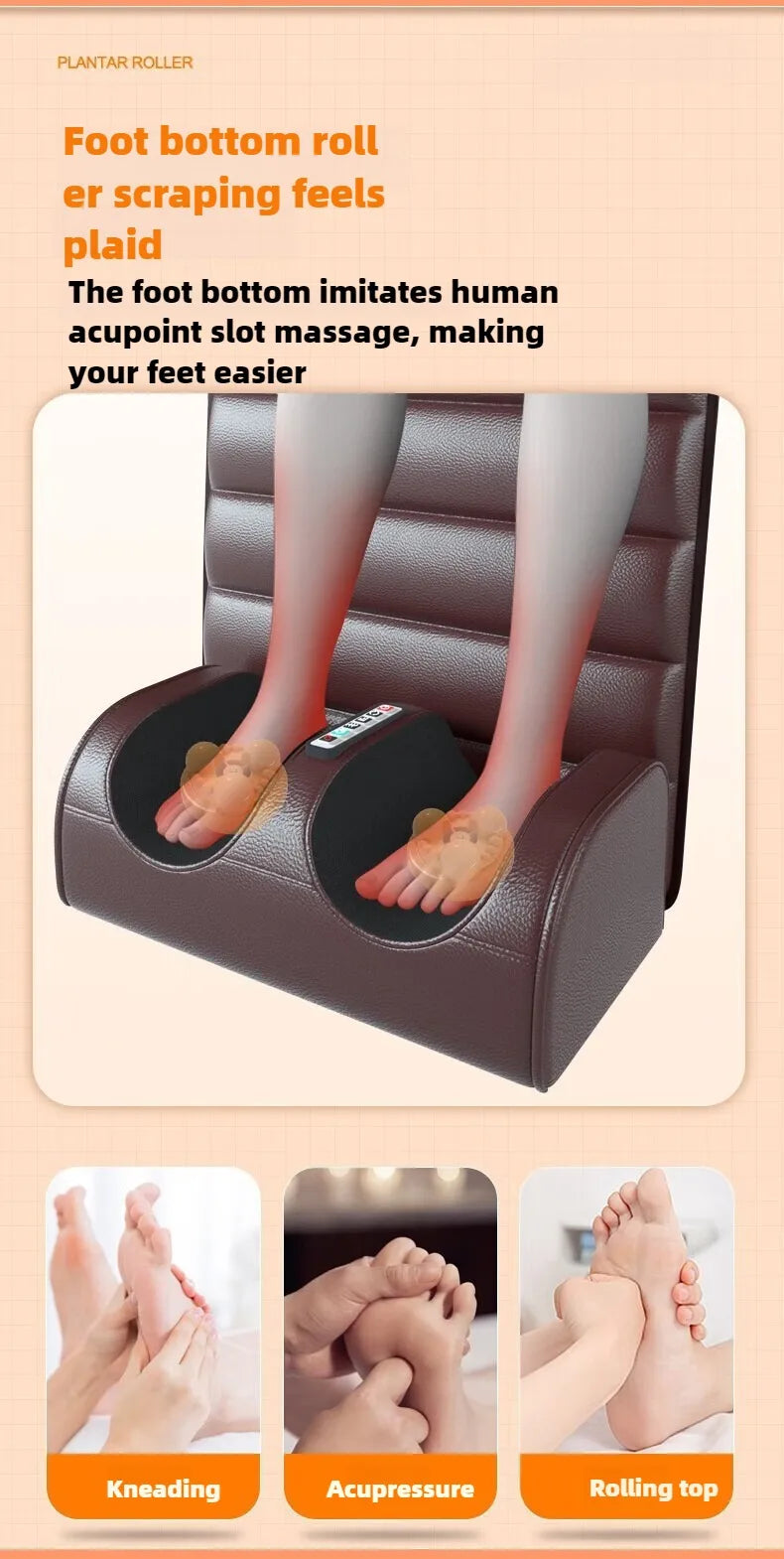
These home massage tools are useful for occasional relief, but they require active effort. For hands-free relaxation, a massage mattress for bed offers a convenient alternative.
Massage mattress for bed—an easy addition to your home recovery routine.
Why a Massage Mattress for Bed Outperforms Basic Fixes
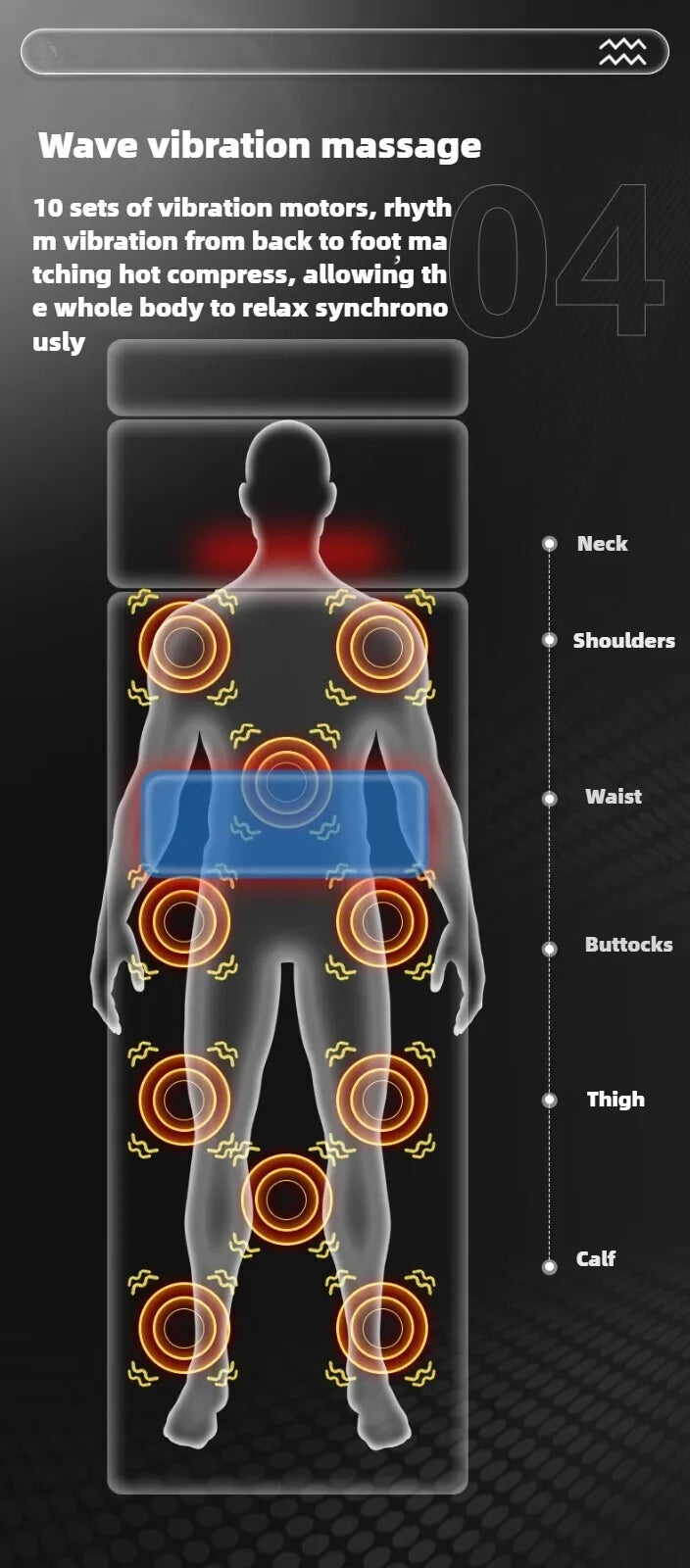
A KentDO Full Body Massage Mattress provides a convenient way to add massage-style relaxation to your daily routine. Unlike handheld tools that require constant movement, a full body massage mat allows you to relax while targeting multiple areas at once.
Benefits of a Full Body Massage Mat
- Convenient relaxation: Use it at home without scheduling appointments.
- Vibration support: Helps create a relaxing massage experience.
- Full-body coverage: Designed to target areas such as the back, shoulders, and legs.
- Consistent recovery routine: Makes regular relaxation easier to maintain.
Who Benefits Most
A massage mattress can be useful for people who experience occasional muscle tightness from workouts, long periods of sitting, standing jobs, or daily stress. However, it should be viewed as a supportive recovery tool rather than a replacement for medical treatment.
How to Use a Massage Mat Effectively at Home
Using a massage mat for home correctly can improve comfort and help you build a consistent recovery habit.
Session Length
- Place the massage mat on a stable, comfortable surface.
- Start with a lower intensity setting.
- Use for around 15–30 minutes depending on comfort.
- Combine with gentle stretching afterward if needed.
Safety Precautions
- Do not use a massage mat over areas with unexplained pain or injury.
- Stop if the massage causes discomfort.
- Follow the manufacturer’s instructions.
- Consult a healthcare professional if you have specific medical concerns.
Comparison: Best Massage Mat vs Traditional Massage
| Feature | Massage Mat | Traditional Massage |
|---|---|---|
| Cost | One-time purchase for repeated home use | Requires payment for each appointment |
| Convenience | Available whenever needed at home | Requires scheduling and travel |
| Consistency | Easy to include in a daily routine | Depends on appointment availability |
| Best use case | Relaxation and regular muscle care | Personalized hands-on treatment |
When Should You See a Healthcare Professional?
Home methods can help with normal soreness, but some symptoms require professional evaluation. Seek medical advice if you experience:
- Severe or worsening pain that does not improve.
- Sudden pain during exercise.
- Major swelling, weakness, or loss of movement.
- Symptoms that continue longer than expected.
Knowing the difference between normal soreness and possible injury helps you choose safer muscle pain relief at home strategies.
Build a Recovery Routine That Works Overnight
A simple evening routine can help prepare your body for recovery while improving relaxation.
Sample Evening Recovery Routine
- Take a warm shower to relax tight muscles.
- Perform five to ten minutes of gentle stretching.
- Use your massage mat for home for 15–30 minutes.
- Drink water and eat a balanced recovery meal if needed.
- Prioritize quality sleep for overnight repair.
This approach supports at home muscle recovery by combining movement, relaxation, and healthy habits instead of relying on a single solution.
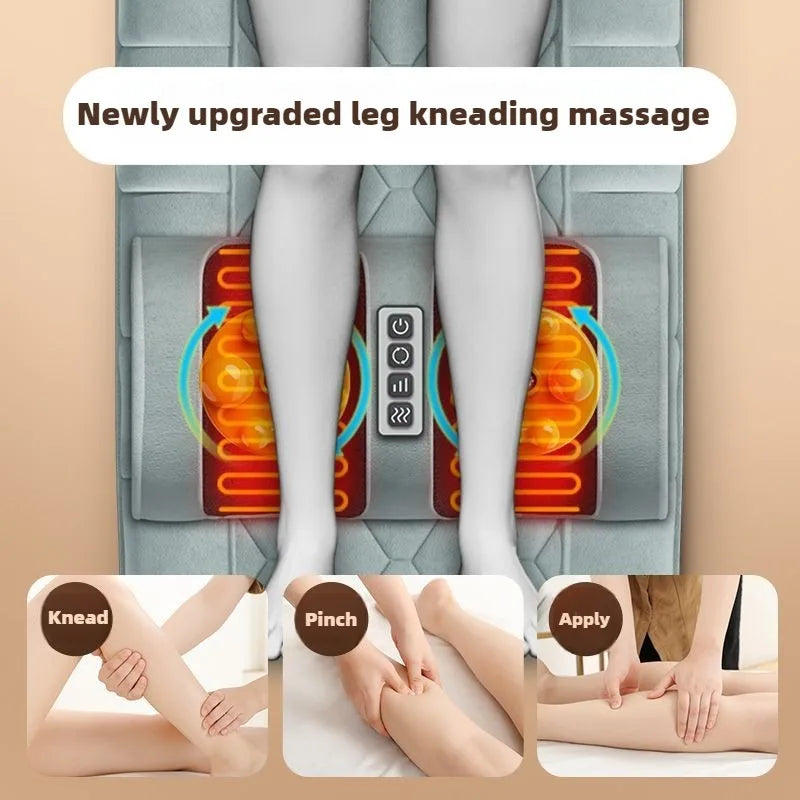
The best massage mat for comfortable at-home relaxation.
FAQ: Soothe Sore Muscles at Home
-
What is the fastest way to soothe sore muscles at home?
Answer: Gentle movement, hydration, adequate sleep, heat therapy for stiffness, and light self-massage are common ways to support faster recovery. -
How long does DOMS usually last?
Answer: DOMS usually improves within one to three days, although recovery time depends on exercise intensity and individual factors. -
Should I use heat or ice for sore muscles?
Answer: Ice is generally used for recent irritation or swelling, while heat is often more comfortable for delayed soreness and stiffness. -
Can I exercise while my muscles are sore?
Answer: Light activity is often acceptable, but avoid intense training that increases pain or prevents proper recovery. -
Are massage mats effective for muscle recovery?
Answer: Massage mats can support relaxation and comfort as part of a broader recovery routine, especially when combined with stretching, hydration, and rest. -
How often should I use a full body massage mat?
Answer: Many people use massage mats several times per week, depending on comfort and personal recovery needs. -
When is muscle soreness a sign of injury?
Answer: Sudden severe pain, swelling, weakness, or symptoms that do not improve may indicate a need for professional evaluation. -
What foods help muscle recovery faster?
Answer: Protein-rich foods, carbohydrates, fluids, and electrolyte-containing foods can support normal muscle recovery after activity.
✨ Want more recovery tips? Explore the Beauty & Self-Care Blog for expert wellness insights.
Pillar Article: Reduce Stiffness and Fatigue Instantly with These Home Spa Tricks
Other Related Articles:
Explore More:













