How can you loosen tight scalp muscles fast?
How to loosen tight scalp muscles starts with gentle, controlled massage and movement rather than firm pressure. A 2-minute scalp tension relief routine using your fingertips can increase circulation, relax overworked scalp muscles, and reduce the tight, "pulled" sensation caused by stress, prolonged screen use, jaw clenching, or poor posture. Most people notice a feeling of lightness and improved comfort immediately, while consistent daily practice provides longer-lasting relief.
Try a 2-minute scalp tension relief routine
- Take one slow, deep breath before you begin.
- Massage the temples with light circular motions for 30 seconds.
- Move to the crown and make small circles for 30 seconds.
- Release tension at the base of the skull for 30–45 seconds.
- Finish by sweeping your fingertips from the hairline toward the crown.
What to avoid when your scalp feels tight
- Avoid digging your fingernails into the scalp.
- Don't use painful pressure—discomfort causes muscles to tighten further.
- Skip aggressive rubbing if your scalp is irritated, sunburned, or inflamed.
- If massage increases pain, dizziness, numbness, or severe headache, stop and seek medical advice.
How to Loosen Tight Scalp Muscles in 5 Simple Moves
⏱ 5 min read — Ever notice your scalp feels tight, sore, or almost "pulled" by the end of the day? Stress, prolonged computer use, jaw tension, and poor posture can quietly increase tension throughout the scalp, neck, and shoulders. Fortunately, learning how to loosen tight scalp muscles only takes a few minutes each day. The simple routine below helps improve comfort, encourage healthy circulation, and promote relaxation—no equipment required, with an optional upgrade if you prefer a massage tool.
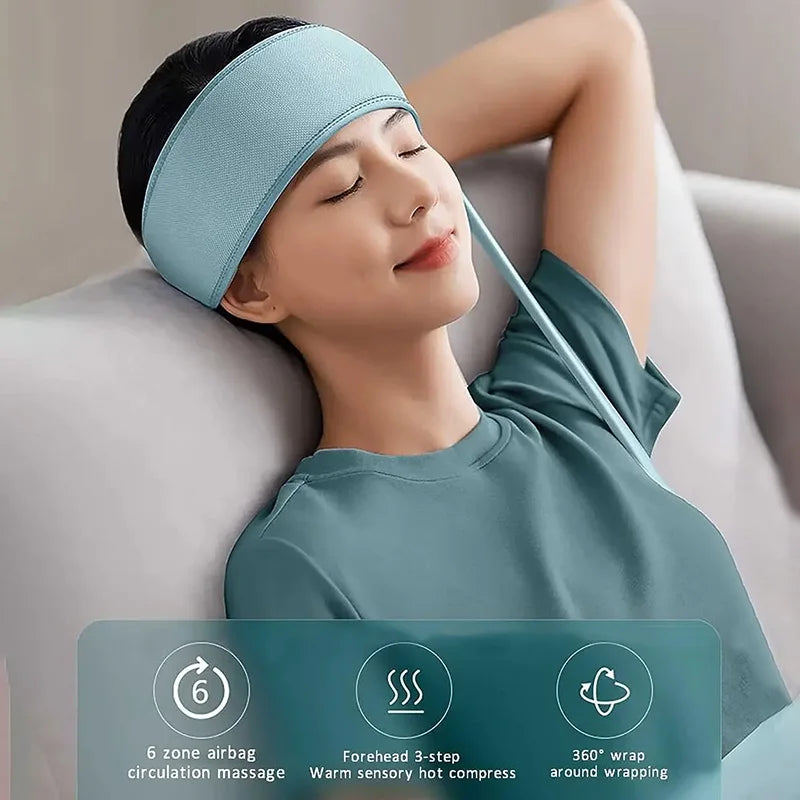
Tension in scalp muscles builds silently—relief can be simple. See it in action.
Why Does My Scalp Feel Tight? Common Causes Explained
Scalp muscles and connective tissue
The scalp is supported by muscles, connective tissue, and a broad tendon called the galea aponeurotica. When the frontalis, temporalis, occipitalis, and surrounding muscles remain contracted for long periods, they can create a sensation of tightness, tenderness, or reduced scalp mobility.
Stress, posture, and jaw clenching
The most common causes of tight scalp muscles include:
- Emotional stress and anxiety
- Extended computer or phone use
- Poor workstation ergonomics
- Jaw clenching or teeth grinding (TMJ-related tension)
- Tight hairstyles or helmets worn for long periods
Headaches, neck tension, and dehydration
Scalp muscles are connected to the neck and upper shoulders through shared muscle chains. Tension in one area often spreads to another, explaining why scalp tightness commonly occurs alongside:
- Tension headaches
- Neck stiffness
- Shoulder fatigue
- A heavy feeling around the temples
- Mild scalp tenderness
Dehydration, lack of sleep, and prolonged static posture may further increase muscle fatigue.
When tightness is not muscle-related
Not every tight scalp is caused by muscle tension. Skin conditions such as dermatitis, psoriasis, infections, or nerve-related disorders may also create discomfort. If your scalp becomes swollen, develops a rash, or pain continues despite self-care, consider a medical evaluation.
How to Loosen Tight Scalp Muscles Step by Step
This routine focuses on slow, controlled pressure instead of vigorous rubbing. Aim for light-to-moderate pressure—enough to move the scalp slightly without causing pain.
Move 1: Temple Press & Release (30 seconds)
- Place fingertips on both temples.
- Press gently and hold for 3 seconds.
- Release completely.
- Repeat 5–8 times while breathing slowly.
This technique helps relax the temporalis muscles, which often tighten from stress and jaw clenching.
Common mistake: Pressing too hard often increases muscle guarding instead of encouraging relaxation.
Move 2: Crown Circles (30 seconds)
- Place fingertips on the crown.
- Create small circles without dragging the hair.
- Gradually increase circle size.
- Keep movements smooth and even.
These gentle movements improve circulation while helping loosen scalp tension across the top of the head.
Move 3: Occipital Glide (45 seconds)
- Locate the base of the skull.
- Apply gentle upward pressure.
- Glide side to side.
- Pause briefly on tender areas.
This region commonly stores tension from prolonged sitting, forward head posture, and computer work.
Move 4: Ear-to-Ear Lift (30 seconds)
- Place both hands just above the ears.
- Lift the scalp upward slightly.
- Hold for two seconds.
- Release slowly.
The lifting motion mobilizes connective tissue and promotes relaxation without excessive pressure.
Move 5: Full Scalp Sweep (45 seconds)
- Spread your fingers across the scalp.
- Sweep from the hairline toward the crown.
- Maintain consistent, gentle pressure.
- Finish with several deep breaths.
This final movement combines the previous techniques and leaves the entire scalp feeling lighter and more relaxed.
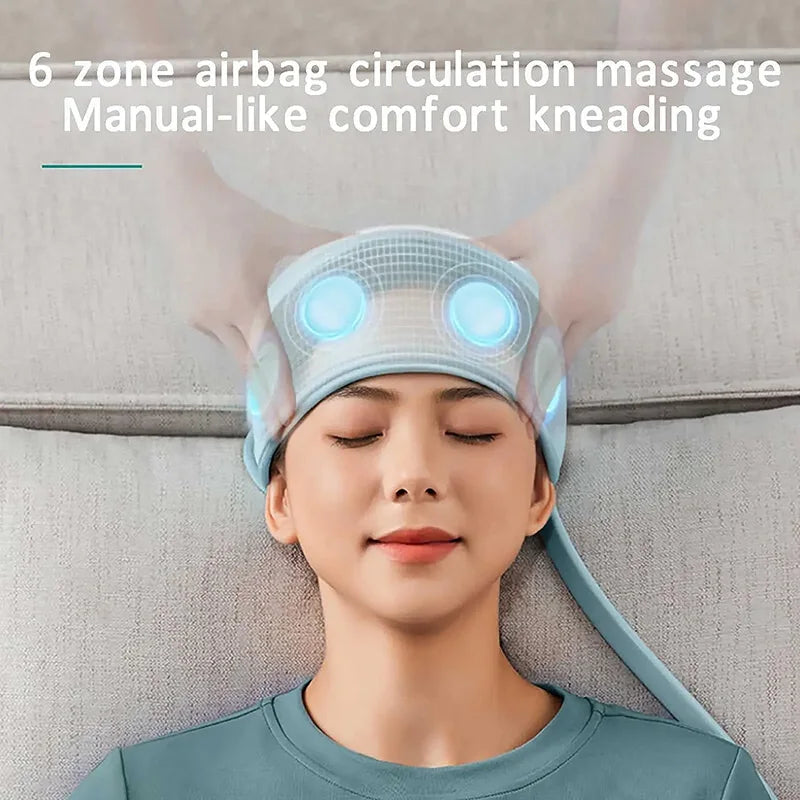
A minute scalp massage can change how your head feels all day. See it in action.
Neck and Jaw Stretches That Help Release Scalp Tension
Because the scalp, jaw, neck, and shoulders function as one connected muscle chain, combining massage with stretching often provides faster relief.
Upper trapezius stretch
Tilt one ear toward your shoulder while keeping the opposite shoulder relaxed. Hold for 20–30 seconds before switching sides.
Neck rotation stretch
Slowly turn your head to each side until you feel a gentle stretch. Avoid forcing the movement.
Jaw relaxation exercise
Allow your tongue to rest behind your upper front teeth while slightly separating your molars. This helps reduce unconscious jaw clenching that contributes to scalp tension.
Shoulder posture reset
Roll both shoulders backward several times and gently draw your chin inward to improve neck alignment. Better posture often reduces recurring scalp tightness throughout the day.
When a Tool Makes It Easier
While fingertips work well, massage tools provide more consistent pressure and may reduce hand fatigue during longer sessions.
Manual massage tools
- Scalp massage brushes: Silicone tips gently stimulate the scalp and improve comfort.
- Wire scalp massagers: Useful for light stimulation and relaxation.
Electric scalp massagers
- Provide rhythmic kneading.
- Offer even pressure with minimal effort.
- Suitable for longer relaxation sessions.
Who benefits most
People who spend long hours at a computer, frequently clench their jaw, or experience regular neck tension often benefit most from massage tools.
If finger fatigue sets in or you want consistent pressure, a head massager can help. Many readers explore options within the Hair Care and Styling Devices collection to maintain routine comfort.
For deeper relaxation sessions, some prefer an electric option that mimics rhythmic motions. Explore the electric head massager as a hands-free way to loosen tight scalp muscles after long days.
| Method | Best For | Time |
|---|---|---|
| Fingertips | Quick relief anywhere | 2–3 minutes |
| Manual massager | Even pressure | 3–5 minutes |
| Electric massager | Hands-free relaxation | 5–10 minutes |
Lifestyle Habits That Prevent Tight Scalp Muscles
Improve workstation posture
Keep your ears aligned over your shoulders instead of allowing your head to drift forward. Small ergonomic improvements reduce strain on the scalp and neck throughout the day.
Manage stress and breathing
Brief breathing exercises, mindfulness, or regular movement breaks help interrupt chronic muscle tension before it builds.
Stay hydrated and sleep well
Proper hydration and quality sleep support healthy muscle recovery and may reduce recurring tightness.
Reduce repetitive muscle tension
- Take movement breaks every hour.
- Avoid clenching your jaw.
- Alternate hairstyles if you regularly wear tight ponytails or buns.
- Perform a 2-minute scalp massage daily.
What Results Should You Expect?
Immediate relief
Many people notice improved warmth, reduced tightness, and a lighter feeling after a single massage session.
Results after one week
Daily massage combined with improved posture and stress management often leads to:
- Less scalp tightness
- Reduced tension headaches
- Greater neck mobility
- Improved relaxation before sleep
- Better overall scalp comfort
When symptoms persist
If symptoms continue for several weeks despite consistent self-care, worsen over time, or interfere with normal activities, another underlying condition may be contributing to your discomfort.
Real feedback: "After a week of nightly routines, my scalp finally feels relaxed instead of tight. The minute scalp massage made the biggest difference."
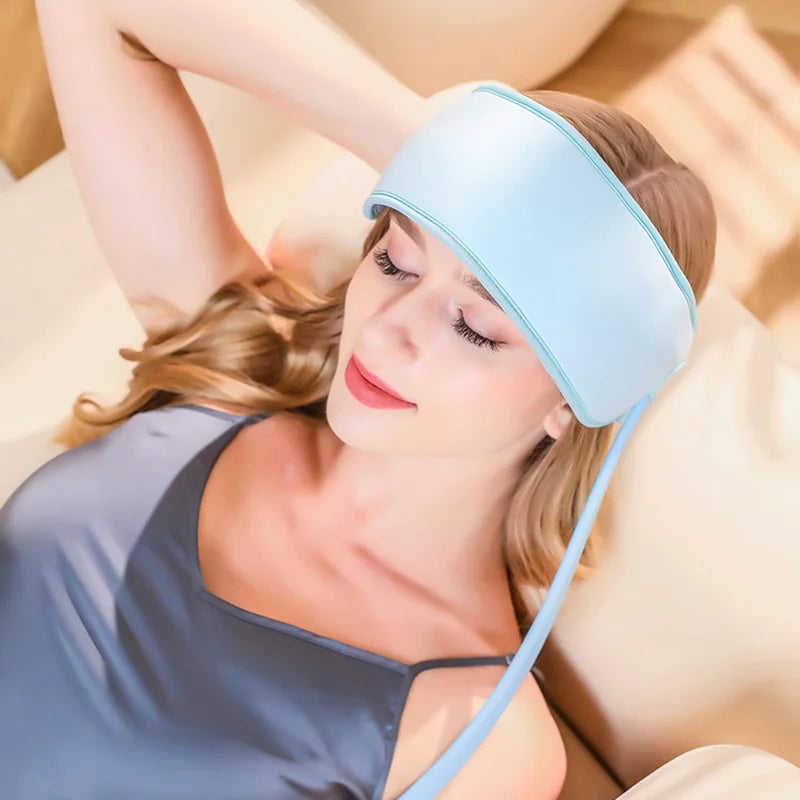
Consistency brings comfort—relax scalp muscles daily. See it in action.
When Should You See a Healthcare Professional?
Red flag symptoms
Seek prompt medical attention if scalp tightness is accompanied by severe headache, sudden weakness, vision changes, fever, confusion, or loss of sensation.
Persistent headaches or neurological symptoms
Frequent headaches, migraines, dizziness, numbness, or symptoms that do not improve with self-care should be evaluated by a healthcare professional.
Skin and scalp conditions
Scalp redness, scaling, swelling, sores, hair loss patches, or persistent tenderness may indicate dermatologic or inflammatory conditions rather than muscular tension.
Frequently Asked Questions
Why does my scalp feel tight even when I am relaxed?
Muscle tension can linger after stressful periods, especially if poor posture, jaw clenching, or prolonged sitting has become habitual.
Can tight scalp muscles cause headaches or migraines?
Tight scalp muscles commonly contribute to tension headaches. Migraines have multiple causes, but muscle tension can sometimes worsen symptoms.
How often should I massage my scalp for tension relief?
One to five minutes daily is ideal. Consistency is more important than long sessions.
Can poor posture make my scalp feel tight?
Yes. Forward head posture increases tension throughout the neck, shoulders, and scalp.
Does jaw clenching contribute to scalp tension?
Yes. Tight temporalis muscles caused by clenching or teeth grinding often create soreness around the temples and scalp.
How long does it take for tight scalp muscles to relax?
Many people notice relief within a few minutes, while chronic tension usually improves gradually over several days or weeks of regular practice.
When should I see a doctor for persistent scalp tightness?
If tightness lasts for several weeks, becomes progressively worse, is associated with neurological symptoms, or occurs alongside scalp skin changes, seek medical evaluation.
Related Guide: How to Reduce Tension Headaches Step by Step at Home