

How can you make heat without electricity?
How to make heat without electricity is possible by combining insulation, body heat retention, and carefully selected fuel-based heating tools. During a power outage, the safest approach is to reduce heat loss first, then add controlled heat from an appropriate off-grid heater while maintaining proper ventilation and fire safety.
How to Heat a Room Without Electricity: Safe & Practical Methods
Losing power in cold weather is more than uncomfortable—it can become dangerous if indoor temperatures continue to fall. If you are wondering how to heat a room without electricity during an outage, the good news is that preparation, insulation, and the right emergency heating equipment can help keep your family safe until power returns.
⏱ 7 min read
Discover practical solutions that work even when the lights go out.
Many people assume they need a powerful heater to stay warm. In reality, preserving existing heat is often the most effective first step before introducing any alternative heat source.
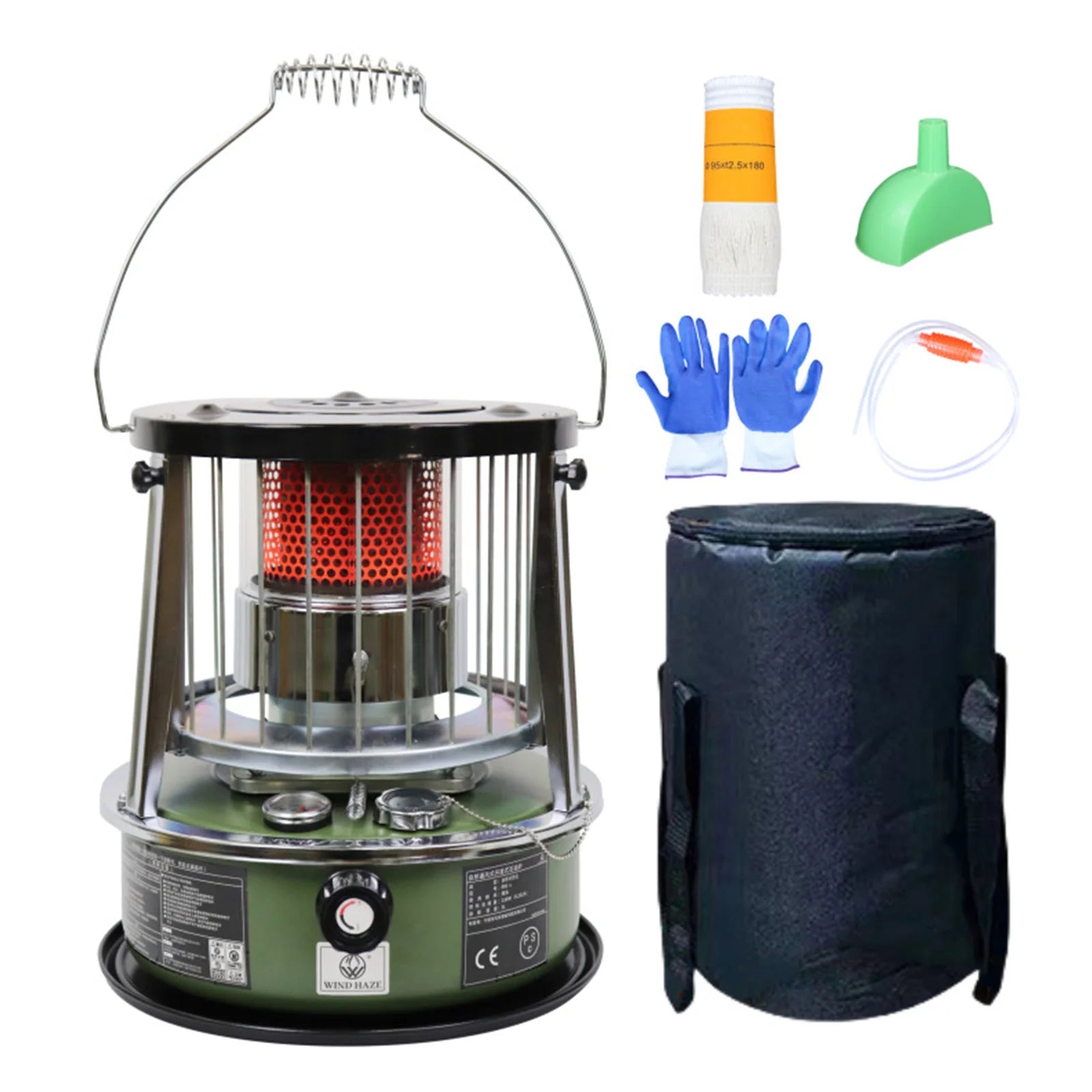
Simple tools can create powerful warmth — See it in action
How Can You Heat a Room Without Electricity?
The Safest Methods to Use First
Emergency heat without power starts with keeping existing warmth inside your home rather than generating new heat immediately. Every home loses heat differently, so the safest solution depends on the length of the outage, outdoor temperature, and the equipment available.
Think of emergency heating in two categories:
- Passive heating: Insulation, layered clothing, blankets, closing unused rooms, and reducing drafts.
- Active heating: Wood stoves, approved kerosene or propane heaters, fireplaces, and other off-grid heating methods designed for emergency use.
For short outages lasting only a few hours, passive heat retention is usually enough. During extended outages, combining insulation with a safe fuel-powered heater offers the best balance between comfort and safety.
Why Staying Warm Without Electricity Is Challenging
How Heat Loss Happens Indoors
Understanding how homes lose heat makes it easier to stay warm without electricity. Warm air escapes through windows, doors, ceilings, and poorly insulated walls. Large open floor plans also cool much faster than smaller enclosed rooms.
Several factors influence indoor temperature during a blackout:
- Outdoor temperature and wind
- Home insulation quality
- Window size and air leaks
- Room size and ceiling height
- Number of occupants generating body heat
Instead of trying to heat the entire house, concentrate your efforts on a single occupied room. A smaller "warm zone" requires much less energy to maintain.
Passive Ways to Keep Heat Inside Your Room
Seal Drafts and Insulate the Space
Before turning on any heater, reduce heat loss wherever possible. Close interior doors, cover windows with heavy curtains, and block noticeable drafts around doors using towels or draft stoppers.
- Close unused rooms
- Seal gaps around windows and doors
- Hang thick blankets over drafty windows
- Sleep away from cold exterior walls when possible
Use Body Heat, Blankets, and Layering
Body heat becomes a valuable source of warmth during emergencies. Multiple thin clothing layers trap warm air more effectively than one bulky garment. Wool blankets, insulated sleeping bags, and thermal socks help reduce heat loss throughout the night.
- Wear moisture-wicking base layers
- Add fleece or wool insulating layers
- Use hats and gloves indoors if temperatures continue falling
- Create a shared warm zone when appropriate
Many off-grid households report noticeably warmer indoor conditions simply by eliminating drafts and concentrating everyone in one insulated room.
Small changes make a big difference during outages.
Safe Off-Grid Heating Methods
Wood Stoves and Fireplaces
A properly maintained wood stove is among the most dependable no-electricity heating solutions for long winter outages. Traditional fireplaces provide supplemental warmth but generally heat smaller areas unless designed as high-efficiency inserts.
Propane and Kerosene Heaters
Portable propane and kerosene heaters provide reliable emergency heating when used according to the manufacturer's instructions. Always maintain ventilation, keep combustible materials at a safe distance, and install carbon monoxide detectors in the home.
One reliable option is a portable kerosene heater stove, which delivers steady heat during extended outages. You can explore this solution here: portable kerosene heater stove .
DIY Heater Options and Their Limits
Hot water bottles, warmed stones, and solar-heated water containers can provide localized warmth. Candle-powered flower pot heaters, however, produce very little usable heat and should never be considered a primary heating source. They may warm hands nearby but will not safely heat an entire room.
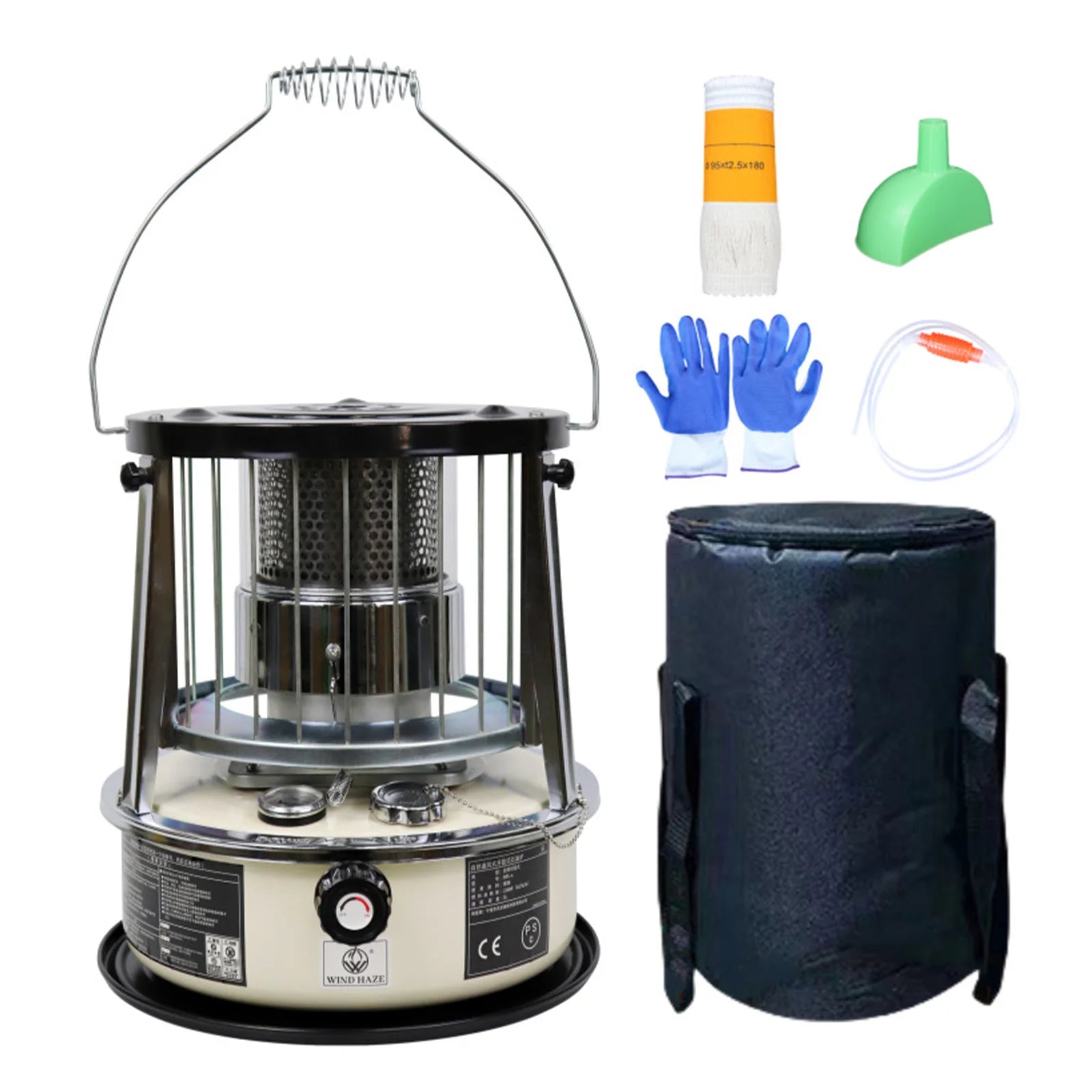
An off grid heater brings fast warmth — See it in action
Step-by-Step Emergency Heating Plan During a Power Outage
First Hour
- Close exterior doors and windows immediately.
- Choose one room as your heated living space.
- Seal drafts with towels or draft blockers.
- Dress in multiple warm layers.
- Prepare your approved emergency heat source.
Extended Outages
- Ventilate properly if using fuel-burning appliances.
- Keep carbon monoxide detectors active with fresh batteries.
- Monitor indoor temperatures regularly.
- Rotate fuel supplies safely.
- Never leave portable heaters unattended unless specifically designed for continuous operation.
A simple, organized routine reduces stress while helping maintain a safer indoor environment throughout prolonged winter outages.
Compare Heating Methods by Safety and Effectiveness
Best Option by Home Type
| Heating Method | Heat Output | Safety | Best For |
|---|---|---|---|
| Insulation & layering | Low | Very High | All homes |
| Wood stove | Very High | High (proper installation) | Houses & cabins |
| Portable propane heater | High | High (with ventilation) | Emergency room heating |
| Portable kerosene heater | High | High (with ventilation) | Extended outages |
| Candles | Very Low | Low | Lighting only |
What Never to Do When Heating Without Electricity
Unsafe Heating Methods to Avoid
- Never burn charcoal indoors.
- Never use outdoor grills inside a home or garage.
- Do not operate gasoline-powered generators indoors.
- Avoid sealing every window completely when using approved fuel heaters that require ventilation.
- Keep heaters away from curtains, furniture, bedding, and children.
- Never rely on candles as your primary heat source.
Most emergency heating injuries result from carbon monoxide exposure or accidental fires rather than cold itself. Safe heating practices are always more important than producing maximum heat.
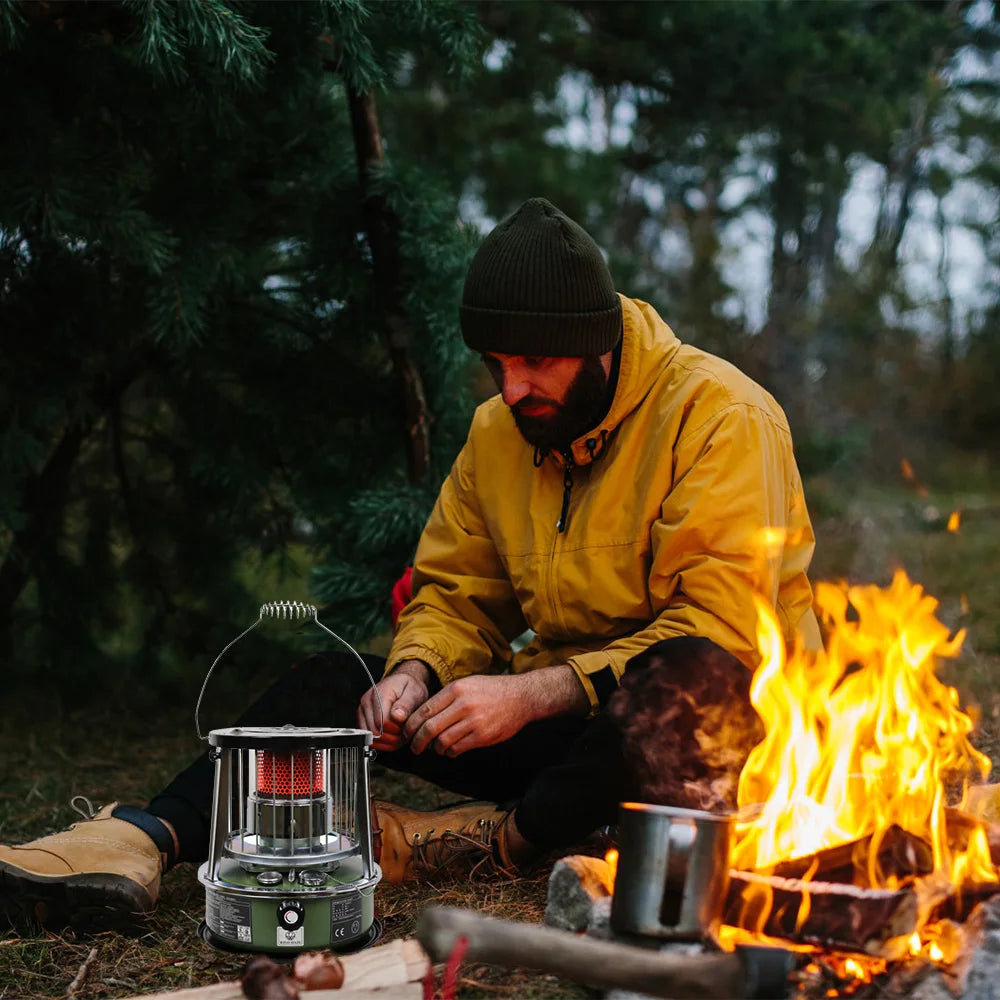
Prepared homes stay warmer longer — See it in action
Emergency Supplies to Prepare Before a Winter Outage
Essential Heating and Safety Checklist
- Carbon monoxide detectors with spare batteries
- Approved emergency fuel supply
- Heavy blankets and sleeping bags
- Flashlights and extra batteries
- Water and shelf-stable food
- Matches or long-reach lighters stored safely
- Warm clothing, hats, and gloves
- First-aid kit
Preparing these supplies before winter greatly improves your ability to stay safe during unexpected blackouts.
Frequently Asked Questions
Is it safe to heat indoors without electricity?
Yes. Passive insulation is the safest method, while approved propane, kerosene, and wood-burning heaters can also be used safely when installed or operated according to manufacturer instructions with proper ventilation.
What is the safest emergency heat source?
Improving insulation and reducing heat loss should always come first. For active heating, professionally installed wood stoves and approved indoor-rated fuel heaters are among the safest options.
Can you use propane or kerosene indoors?
Only use indoor-rated models according to their instructions. Maintain ventilation, keep combustible materials away, and ensure carbon monoxide detectors are functioning.
How long can a room stay warm without power?
The answer depends on insulation quality, outdoor temperature, and room size. Well-insulated homes generally retain heat much longer than older or draftier buildings.
Explore more everyday preparedness tools in the Lifestyle collection.
Related Guide: Kerosene Heater Safety Guide for Confident Indoor Heating
Choose the Best Heating Solution for Your Situation
Apartment
Focus on insulating one room, wearing layered clothing, and using an approved portable heater only if your building allows it and ventilation requirements can be met safely.
House
Homes with fireplaces or wood stoves often have the greatest flexibility during prolonged outages. Portable kerosene or propane heaters can supplement heat in occupied rooms.
Cabin or Off-Grid Home
Wood stoves combined with backup kerosene or propane heating provide dependable long-term off-grid heating methods. Maintain fuel reserves, inspect equipment before winter, and practice safe operation throughout the heating season.
Portable kerosene heater stove













