

How can you prevent earwax build up safely at home?
How to prevent earwax build up begins with supporting your ears' natural self-cleaning process rather than trying to remove every trace of wax. Avoid inserting cotton swabs or other objects into the ear canal, dry your ears after swimming or showering, clean only the outer ear, and use gentle ear care methods only when necessary. Home prevention is appropriate for most healthy adults with mild wax buildup, but persistent pain, drainage, significant hearing loss, or dizziness should be evaluated by a healthcare professional.
How to Prevent Earwax Buildup Safely (Complete Guide + Routine)
Earwax is an important part of your body's natural defense system, but excessive buildup can lead to muffled hearing, a feeling of fullness, itching, or discomfort. Fortunately, most cases of earwax buildup prevention come down to simple daily habits that work with your ears instead of against them. In this guide, you'll learn why earwax forms, who is most likely to experience recurring buildup, and how to maintain healthy ears safely at home.
⏱ 6 min read
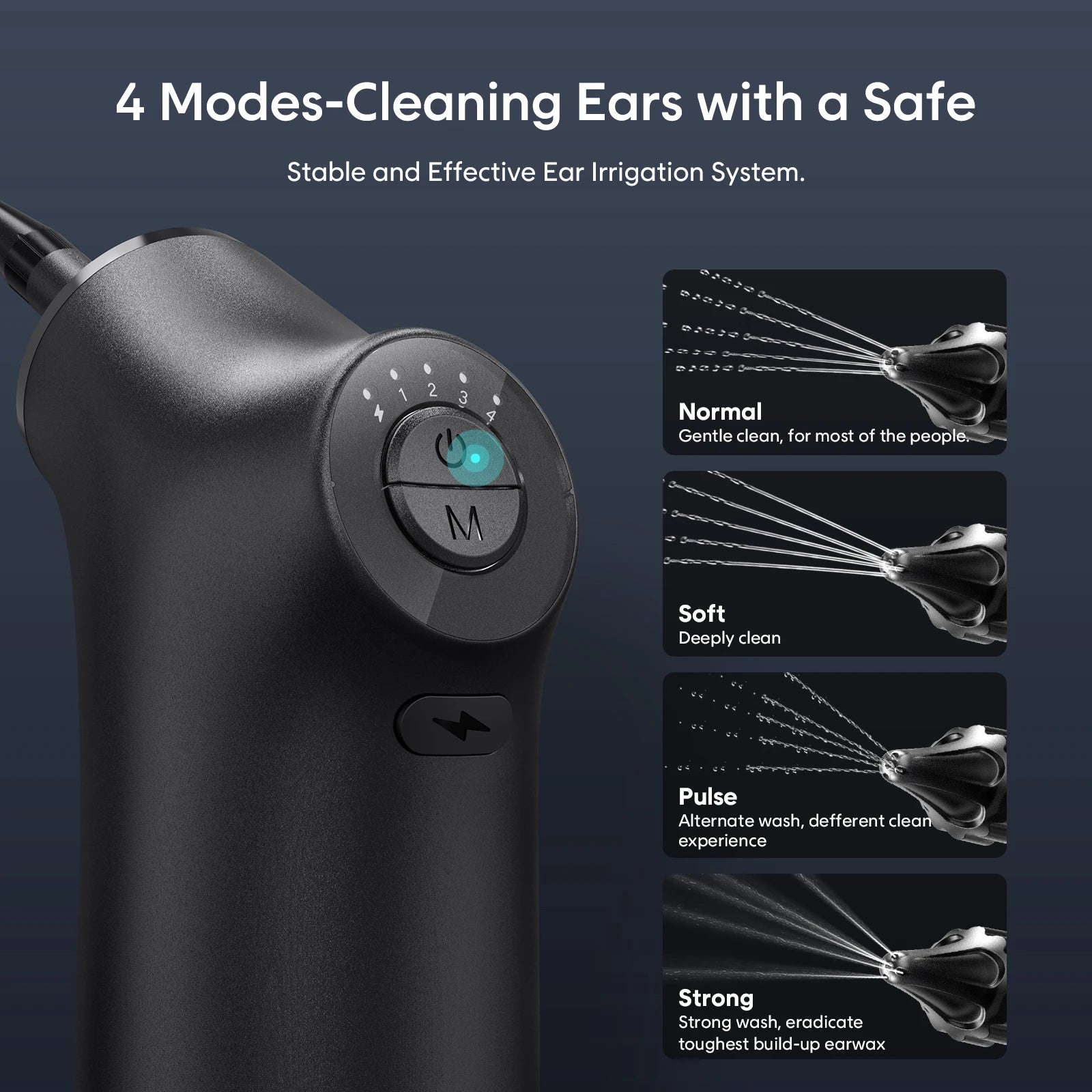
A gentle start to a better ear cleaning routine — See it in action
Why Earwax Is Important and How Ears Clean Themselves
Earwax, also called cerumen, is a natural substance produced by glands in the outer ear canal. Rather than being something that should always be removed, earwax protects the ear by trapping dust, dirt, bacteria, and other tiny particles before they reach the eardrum. Understanding this natural process is the first step toward effective earwax buildup prevention.
The protective role of earwax
Healthy earwax moisturizes the ear canal, reduces irritation, and helps defend against infection. In most people, a small amount of wax is beneficial and does not require removal.
How the ear's self-cleaning mechanism works
Your ears clean themselves naturally. Everyday jaw movements such as chewing, talking, and yawning slowly move older earwax toward the outer ear, where it dries and falls away on its own. When this natural migration isn't interrupted, the ears typically maintain a healthy balance without frequent cleaning.
Why removing all earwax is unnecessary
Completely removing earwax is neither necessary nor recommended. Problems usually develop only when wax becomes impacted or builds up faster than the ear can clear it naturally. Supporting this self-cleaning system is the best way to prevent earwax buildup safely.
Who Is Most at Risk for Earwax Buildup
Anyone can develop excess earwax, but certain anatomical features, daily habits, and medical devices increase the likelihood of recurrent buildup. Recognizing these risk factors makes earwax buildup prevention easier and helps you establish an effective ear hygiene routine.
Lifestyle and anatomy factors
- Narrow, curved, or unusually hairy ear canals that slow natural wax migration.
- Naturally producing larger amounts of earwax.
- Previous episodes of impacted earwax or recurring blockages.
Hearing aids, earbuds, and earplugs
Devices worn inside the ear canal can reduce normal wax movement and gently push earwax deeper over time. This includes:
- Wireless earbuds and in-ear headphones used for extended periods.
- Hearing aids that partially block the ear canal.
- Reusable or disposable earplugs worn for sleep, work, or noise protection.
- Frequent swimming when ears remain damp for prolonged periods.
Older adults and recurrent buildup
As people age, earwax often becomes drier and harder, making it less likely to migrate naturally. Older adults and individuals with a history of repeated earwax impaction may benefit from following a gentle, consistent ear hygiene routine instead of attempting frequent deep cleaning.
How to Prevent Earwax Buildup Safely at Home
The most effective way to prevent earwax buildup is to support your ears' natural cleaning process instead of trying to remove wax frequently. A simple ear hygiene routine, combined with good device hygiene and gentle care, helps reduce the risk of impacted earwax while protecting the delicate ear canal.
Daily prevention habits
- Avoid inserting cotton swabs, fingers, or other objects into the ear canal.
- Clean only the outer ear using a soft, damp washcloth.
- Allow your ears to clear wax naturally unless symptoms develop.
- Avoid excessive cleaning, which can irritate the ear canal and stimulate additional wax production.
- Use wax-softening drops only when appropriate and according to product directions or your healthcare provider's advice.
Managing earbuds and hearing aids
Earbuds, hearing aids, and reusable earplugs can slow the natural movement of earwax. To reduce buildup:
- Clean earbuds and hearing aids regularly according to the manufacturer's instructions.
- Remove in-ear devices periodically during extended use to allow ventilation.
- Replace worn ear tips that collect dirt or wax.
- If you wear hearing aids daily and experience recurring buildup, schedule regular ear examinations with your hearing care professional.
Keeping ears dry without overcleaning
Moisture left in the ear canal can contribute to irritation and increase the likelihood of ear problems. After showering or swimming:
- Gently dry the outer ear with a clean towel.
- Tilt your head to allow trapped water to drain naturally.
- Avoid inserting tissues or cotton swabs to dry the ear canal.
- If you're prone to swimmer's ear, follow your healthcare provider's recommendations for keeping ears dry.
Following these habits consistently is one of the best ways to prevent earwax buildup without disrupting your ears' natural protective functions.
The Biggest Mistake: Why Cotton Swabs Make It Worse
One of the most common misconceptions about ear care is that cotton swabs remove earwax effectively. In reality, they often push wax farther into the ear canal, increasing the risk of impaction while potentially irritating or injuring sensitive skin.
- Push earwax deeper into the ear canal.
- Increase the risk of impacted earwax.
- Cause irritation, scratches, or minor bleeding.
- Contribute to temporary hearing changes when wax becomes compacted.
| ❌ Cotton Swabs | ✅ Safer Alternatives |
|---|---|
| Push wax deeper into the canal | Support natural outward wax movement |
| May irritate delicate ear tissue | Designed for gentle ear hygiene |
| Increase impaction risk | Reduce unnecessary manipulation of the ear |
| Disposable single-use waste | Reusable or low-waste options when appropriate |
Safe Ear Cleaning Methods (Doctor-Approved)
How to clean ears safely without cotton swabs
For most people, routine cleaning should focus only on the outer ear. If wax becomes bothersome, healthcare professionals commonly recommend conservative home care before considering more invasive removal methods.
- Clean the outer ear with a soft, damp cloth.
- Use mineral oil, saline, or other wax-softening drops when appropriate.
- Allow warm shower water to rinse the outer ear gently without directing high-pressure water into the canal.
- Follow product instructions carefully and stop if pain develops.
Natural earwax removal tips
- Allow softened wax to migrate outward naturally.
- Be patient, as wax often clears over several days.
- Avoid over-cleaning, which may trigger irritation.
- Use gentle, purpose-built ear care tools only as directed.
Methods to avoid
Some popular home remedies can do more harm than good. Avoid:
- Cotton swabs or sharp objects inserted into the ear canal.
- Ear candling, which has not been shown to remove earwax safely and may cause burns or injury.
- Forceful irrigation if you have ear pain, ear drainage, a perforated eardrum, ear tubes, or recent ear surgery.
- Repeated flushing if symptoms worsen instead of improving.
If wax remains impacted despite home care, or if you develop pain, hearing loss, drainage, or dizziness, professional evaluation is the safest option. In some cases, a clinician may recommend ear irrigation or manual removal using specialized instruments.
Step-by-Step Ear Cleaning Routine at Home
A simple ear cleaning routine at home helps maintain healthy ears without disrupting the natural movement of earwax. Most people do not need frequent internal cleaning—consistency and gentle care are far more effective than aggressive cleaning.
Daily ear hygiene routine
- Clean only the outer ear using a soft, damp washcloth.
- Dry your ears thoroughly after showering, bathing, or swimming.
- Avoid inserting cotton swabs, fingers, or other objects into the ear canal.
- Check hearing aids or earbuds for visible wax and clean them according to the manufacturer's instructions.
Weekly maintenance routine
- If you're prone to recurrent buildup, apply a few drops of mineral oil or saline solution as directed.
- Allow the solution to soften wax for several minutes.
- Let softened wax drain naturally or rinse gently if appropriate.
- Stop home treatment and seek medical advice if pain, drainage, or worsening hearing develops.
Following a gentle ear hygiene routine consistently is usually more effective than trying to remove earwax frequently. For additional guidance, see how to unclog ears safely .
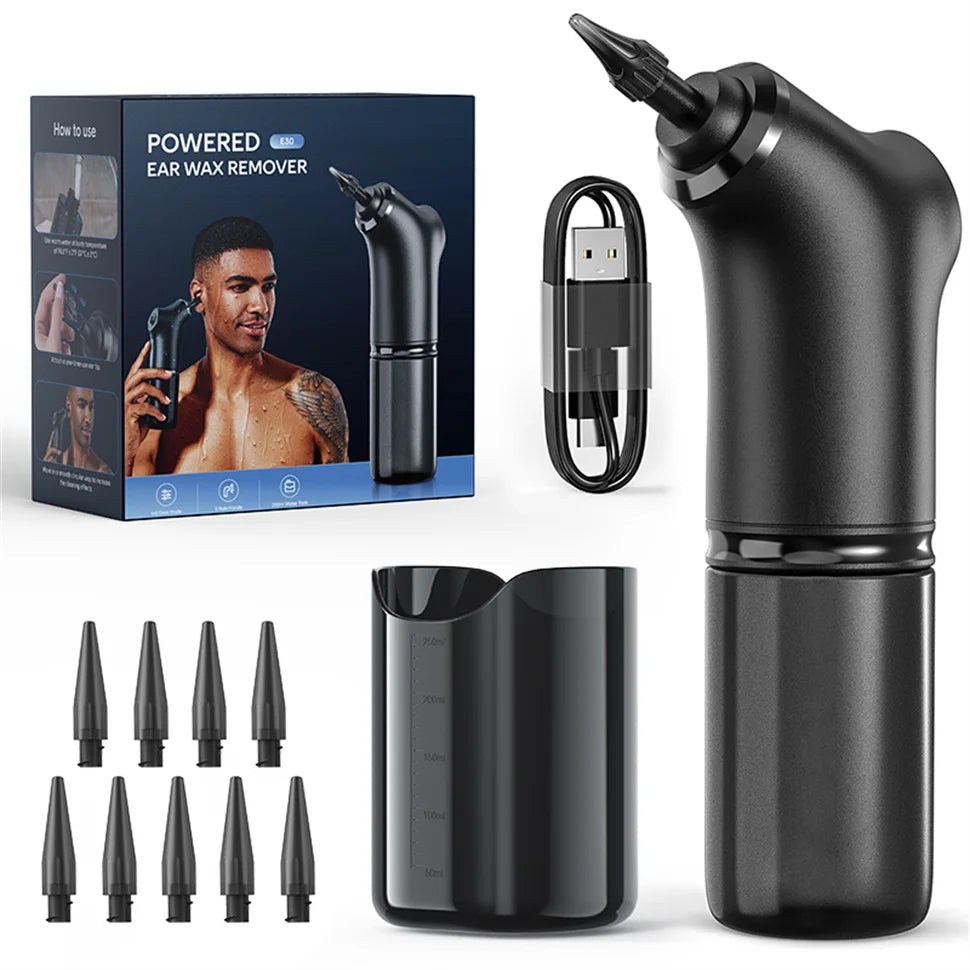
Modern tools simplify safe ear cleaning methods — Explore how it works
Best Way to Prevent Earwax Long-Term
The best way to prevent earwax over the long term is to adopt simple habits that support your ears' natural self-cleaning process. Small lifestyle adjustments can reduce recurrent buildup without increasing irritation.
Habits that reduce recurrent buildup
- Limit prolonged use of in-ear earbuds whenever practical.
- Keep hearing aids, earbuds, and earplugs clean to minimize wax accumulation.
- Clean your ears only when necessary instead of following an aggressive schedule.
- Avoid inserting objects deeply into the ear canal.
- Protect your ears from excessive moisture while avoiding unnecessary drying or overcleaning.
- Seek professional evaluation if you experience repeated earwax impaction.
How often should you clean your ears?
For most people, daily cleaning of the outer ear is sufficient, while the inside of the ear rarely requires routine cleaning. Individuals who naturally produce more earwax or wear hearing aids may benefit from occasional wax-softening drops or periodic professional ear cleaning, but frequent self-cleaning inside the ear canal is generally unnecessary.
These safe hygiene habits help support long-term ear health while reducing the likelihood of future earwax buildup.
Reusable Ear Cleaners: Benefits, Limitations, and Safety
Reusable ear cleaners provide an alternative to disposable cotton swabs when used correctly. They are intended to support safe ear care—not to replace the ear's natural cleaning process or encourage frequent deep cleaning.
- Help reduce disposable waste.
- Often feature safety-focused designs that improve control during use.
- Can make routine ear care more convenient when used according to instructions.
- Should never be inserted deeply or used if you have ear pain, drainage, or a suspected eardrum injury.
Devices like the KentDO Electric Ear Cleaner are designed to gently flush or loosen earwax while reducing the likelihood of pushing wax deeper into the canal. Always read the manufacturer's instructions, avoid excessive force, and discontinue use if you experience discomfort.
When to See a Doctor for Earwax Buildup
Most earwax buildup can be managed safely at home, but some symptoms should never be ignored. If home care does not improve your symptoms or you experience severe discomfort, seek medical evaluation rather than attempting repeated self-treatment.
- Persistent or worsening hearing loss.
- Moderate to severe ear pain or ongoing discomfort.
- Ringing in the ears (tinnitus) that does not improve.
- Dizziness, balance problems, or vertigo.
- Ear drainage, bleeding, or signs of infection.
- Symptoms that continue despite appropriate home care.
These symptoms may be caused by impacted earwax, but they can also indicate other conditions such as ear infection symptoms or deeper ear pain causes . A healthcare professional can examine your ear, confirm the underlying cause, and safely remove impacted wax using specialized equipment when necessary.
Do’s and Don’ts of Ear Hygiene
- Do: Clean only the outer ear with a soft, damp cloth.
- Do: Keep your ears dry after swimming or bathing.
- Do: Follow a gentle, consistent ear hygiene routine.
- Do: Use wax-softening drops only when appropriate and as directed.
- Don't: Insert cotton swabs or other objects into the ear canal.
- Don't: Over-clean or attempt to remove all earwax.
- Don't: Use sharp or homemade tools inside your ears.
- Don't: Continue home treatment if you develop pain, bleeding, or persistent hearing changes.

Consistency is key to preventing earwax build up — Get yours now
Frequently Asked Questions About Earwax Buildup
How often should you clean your ears?
For most people, cleaning the outer ear during your normal bathing routine is enough. The ear canal is self-cleaning, so routine internal cleaning is usually unnecessary unless recommended by a healthcare professional.
Is earwax removal always necessary?
No. Earwax serves an important protective purpose by trapping dust, debris, and microorganisms. Removal is generally recommended only when excess wax causes symptoms such as hearing loss, discomfort, or blockage, or when your healthcare provider needs a clear view of the eardrum.
What's the safest way to clean ears?
The safest approach is to clean only the outer ear with a soft, damp cloth while allowing the ear canal to clean itself naturally. If wax softening is needed, use products intended for ear care and avoid inserting cotton swabs or sharp objects into the ear canal.
Are reusable ear cleaners safe?
Reusable ear cleaners can be safe when used according to the manufacturer's instructions. Choose products designed with safety features, avoid deep insertion, and stop using them if you experience pain, bleeding, or persistent discomfort.
Can wearing earbuds cause earwax buildup?
Yes. Wearing earbuds for long periods may reduce the natural movement of earwax out of the ear canal, allowing wax to accumulate more easily. Cleaning earbuds regularly and taking breaks during extended use may help reduce buildup.
Can hearing aids increase earwax production?
Hearing aids do not necessarily increase earwax production, but they can interfere with the normal migration of earwax and contribute to buildup. Regular hearing aid maintenance and periodic ear examinations can help prevent blockages.
Should you clean your ears every day?
You can gently clean the outer ear every day if needed, but routine cleaning inside the ear canal is not recommended. Over-cleaning may irritate the ear canal or interfere with its natural protective functions.
Can olive oil prevent earwax buildup?
Olive oil may help soften existing earwax in some individuals, but evidence that it prevents future buildup is limited. If you experience frequent earwax impaction, ask your healthcare provider which wax-softening products are most appropriate for your situation.
How do you know if earwax is impacted?
Common signs of impacted earwax include reduced hearing, a feeling of fullness in the ear, ringing in the ears, itching, discomfort, or difficulty hearing clearly. Because these symptoms can also have other causes, persistent symptoms should be evaluated by a healthcare professional.
When should earwax be removed by a doctor?
Professional earwax removal is recommended if home treatment does not relieve symptoms, if you have severe pain, drainage, bleeding, significant hearing loss, dizziness, or if you have a history of ear surgery, a perforated eardrum, or ear tubes.
Related Guide: How to Remove Earwax Safely at Home Step by Step













