

Does reducing facial puffiness really work?
Yes. In many cases, facial puffiness can be reduced quickly when you address its underlying cause. Temporary swelling caused by fluid retention, poor sleep, sodium intake, allergies, or lymphatic congestion often responds within minutes to hours using targeted interventions.
What happens when facial swelling decreases
Facial puffiness occurs when excess fluid accumulates within soft tissues. Reducing swelling involves improving lymphatic drainage, decreasing inflammation, restoring circulation, and reducing water retention. Different causes respond to different treatments.
- Fluid retention responds to hydration and movement
- Lymphatic congestion responds to massage and drainage techniques
- Inflammatory swelling responds to cold therapy and trigger reduction
- Sleep-related puffiness improves with circulation and elevation
How quickly can facial puffiness improve?
- Cold therapy: 5 to 15 minutes
- Facial massage: 10 to 30 minutes
- Hydration correction: several hours
- Sodium reduction: 24 to 48 hours
- Lifestyle improvements: several days to weeks
⏱ 5 min read
How to Reduce Puffiness in Face: Causes, Fast Remedies, and Long-Term Solutions
Facial puffiness can develop for many reasons, including fluid retention, poor sleep, allergies, inflammation, and slowed lymphatic drainage. Understanding what causes facial swelling is the first step toward reducing it effectively. This guide explains evidence-based ways to reduce facial puffiness quickly, create a reliable morning de-puffing routine, and support long-term improvements through lifestyle changes and facial lymphatic drainage techniques.
✨ Ready to refresh your skin naturally?
Discover tools that elevate your routine in the Skin and Beauty Care Devices collection
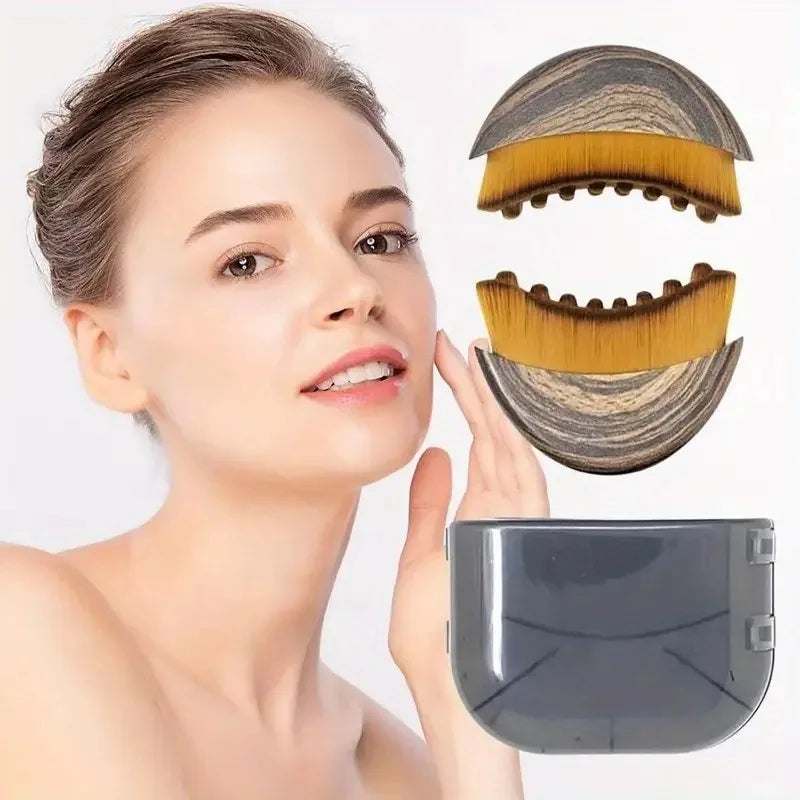
Facial puffiness reduction techniques and lymphatic drainage methods in action
Struggling with puffiness, swelling, or a tired appearance? Understanding the cause of facial puffiness can help you choose the fastest and most effective solution.
Why is my face puffy when I wake up?
Waking up with a swollen or puffy face is extremely common. During sleep, body position, fluid shifts, inflammation, and lifestyle factors can all contribute to facial swelling.
Fluid retention and lymphatic congestion
When the body remains horizontal for several hours, fluid can accumulate in facial tissues. Reduced movement during sleep may also slow lymphatic drainage, leading to temporary swelling around the eyes, cheeks, and jawline.
Sleep position and poor sleep quality
Sleeping face down or experiencing poor-quality sleep can increase fluid buildup and inflammation, making facial puffiness more noticeable after waking.
Sodium, alcohol, and dehydration
High sodium meals, alcohol consumption, and dehydration can trigger temporary water retention that often becomes most visible in the face the next morning.
Allergies, hormones, and inflammation
Seasonal allergies, hormonal fluctuations, sinus congestion, and inflammatory responses can all contribute to recurrent morning facial puffiness.
How facial puffiness develops: understanding fluid retention and swelling
Facial swelling occurs when excess fluid, inflammation, or impaired drainage affects the soft tissues of the face.
The role of the lymphatic system
The lymphatic system helps remove excess fluid, proteins, and waste products from tissues. When lymphatic flow slows due to inactivity, inflammation, or congestion, fluid accumulation can create visible facial puffiness.
Inflammation versus water retention
Inflammatory swelling results from immune responses, while water retention occurs because of fluid balance changes. Although both may look similar, they often require different approaches for improvement.
Temporary versus chronic facial swelling
Temporary facial puffiness usually resolves within hours or days. Persistent or recurring swelling may require medical evaluation to identify underlying causes.
How to reduce face puffiness fast: immediate remedies that work
Cold therapy and temperature contrast
Cold temperatures constrict blood vessels and can temporarily reduce facial swelling.
- Cold compresses
- Ice rollers
- Chilled facial tools
- Cold water splashing
Facial lymphatic drainage massage
Gentle facial massage techniques may help encourage fluid movement away from swollen areas while supporting circulation.
Hydration and circulation support
Drinking water and engaging in light physical activity can improve circulation and reduce fluid retention throughout the body.
Compression and elevation techniques
Keeping the head elevated and avoiding prolonged horizontal positioning may reduce swelling more quickly.
Morning puffy face routine: a step-by-step de-puffing protocol
First five minutes after waking
- Drink a full glass of water
- Wash your face with cool water
- Perform light stretching or walking
Facial massage sequence
- Begin at the collarbone area
- Move gently up the sides of the neck
- Massage along the jawline toward the ears
- Sweep outward across the cheeks
- Finish around the eyes and temples
Recovery timeline and expected results
Most mild morning facial puffiness improves within 10 to 30 minutes when this routine is performed consistently.
Want better results with less effort?
Learn step-by-step techniques with tools designed for precision: Explore the facial lymphatic brush
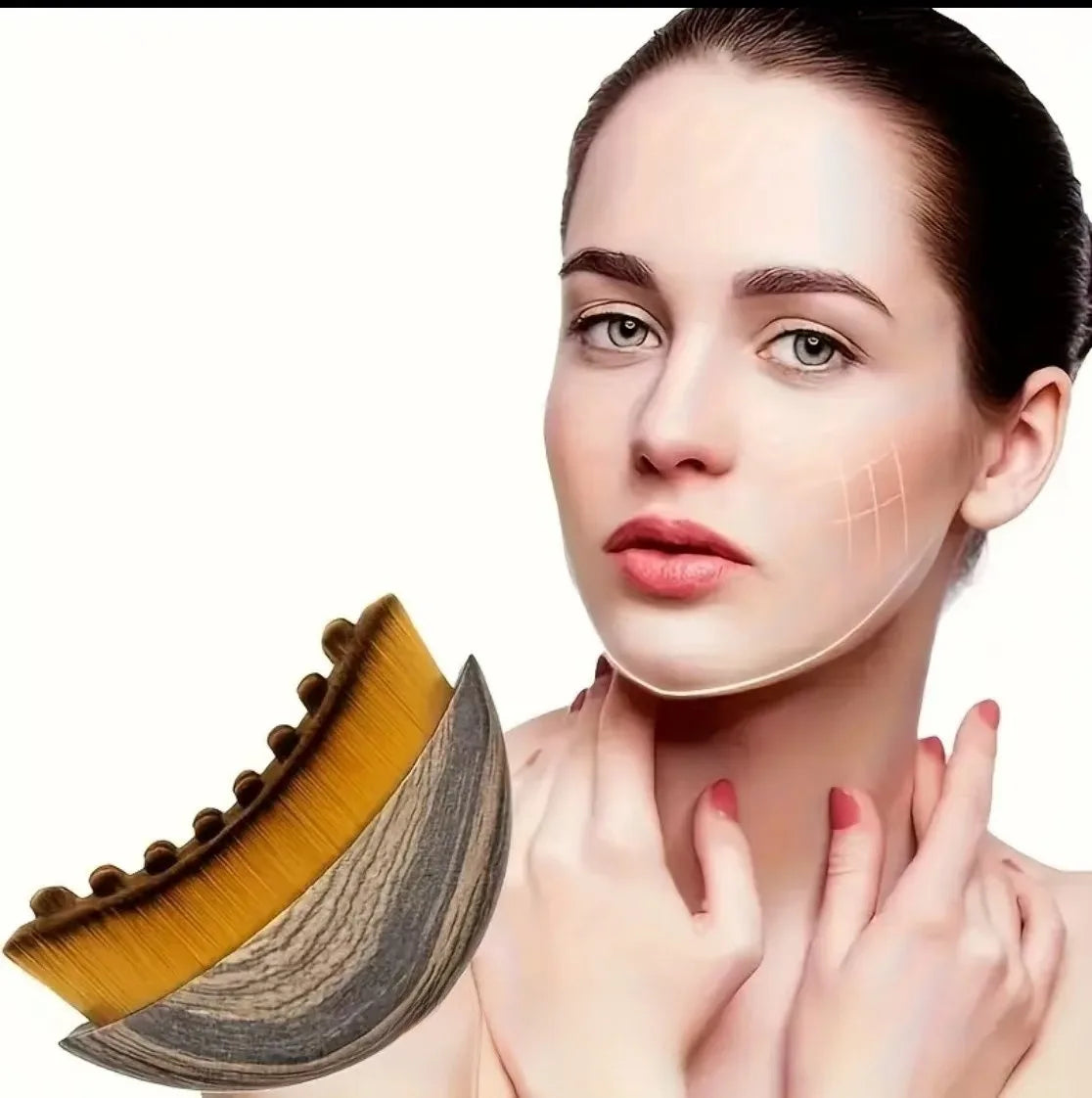
Facial lymphatic drainage techniques for reducing morning puffiness
Facial lymphatic drainage massage technique for reducing swelling
How lymphatic drainage reduces facial puffiness
Lymphatic massage uses gentle pressure and directional movements to encourage fluid movement through superficial lymphatic vessels, potentially reducing temporary swelling.
Step-by-step massage directions
- Begin at the collarbone area
- Massage gently along the sides of the neck
- Sweep upward along the jawline
- Move outward across the cheeks
- Finish around the eyes and forehead
Common massage mistakes
- Using excessive pressure
- Massaging in the wrong direction
- Skipping the neck area
- Performing massage inconsistently
Best tools for facial puffiness reduction
Ice rollers and cold therapy tools
Cold therapy tools provide rapid temporary reduction of facial swelling through vasoconstriction and improved comfort.
Facial massage tools and gua sha
Manual massage tools may support lymphatic drainage, improve circulation, and help maintain consistent technique.
Microcurrent and heated devices
Some beauty devices temporarily improve muscle stimulation, circulation, and relaxation.
Which tool works fastest?
- Cold compress: 5 to 10 minutes
- Ice roller: 5 to 15 minutes
- Gua sha: 10 to 20 minutes
- Lymphatic massage tools: 10 to 30 minutes
The effectiveness of any tool depends largely on consistency and proper technique. Dedicated facial lymphatic drainage tools may help simplify daily routines.
Explore more options in the Body Care and Health Devices collection to complement your routine.
Lifestyle factors that cause facial swelling in the morning
Diet and sodium intake
Excess sodium intake encourages fluid retention throughout the body, including facial tissues.
Alcohol consumption
Alcohol can contribute to dehydration and rebound fluid retention, increasing facial swelling.
Stress and cortisol
Chronic stress hormones may influence inflammation, sleep quality, and fluid balance.
Sleep habits and posture
Sleeping position and inadequate sleep quality can significantly contribute to recurring morning facial puffiness.
How to reduce facial swelling naturally over time
Nutrition strategies
- Reduce excessive sodium intake
- Maintain adequate hydration
- Increase potassium-rich foods
Exercise and circulation
Regular physical activity supports circulation, fluid movement, and lymphatic function.
Long-term lymphatic support
Consistent sleep habits, stress management, hydration, and facial massage routines may help reduce recurrent facial puffiness over time.
When facial swelling requires medical attention
Signs of allergic reactions
Sudden facial swelling accompanied by difficulty breathing, throat swelling, or hives requires immediate medical attention.
Persistent or one-sided swelling
Facial swelling lasting more than several days or affecting only one side of the face should be evaluated by a healthcare professional.
Medical conditions associated with facial puffiness
- Allergic reactions
- Sinus infections
- Hormonal disorders
- Kidney disease
- Thyroid disorders
Real results: what to expect when reducing facial puffiness
Results within minutes
Cold therapy and lymphatic massage can produce visible reductions in swelling within 5 to 30 minutes.
Results within days
Dietary changes, improved hydration, and better sleep habits often show noticeable effects within several days.
Results after several weeks
Long-term lifestyle changes and consistent facial massage routines may significantly reduce recurrent facial puffiness over time.
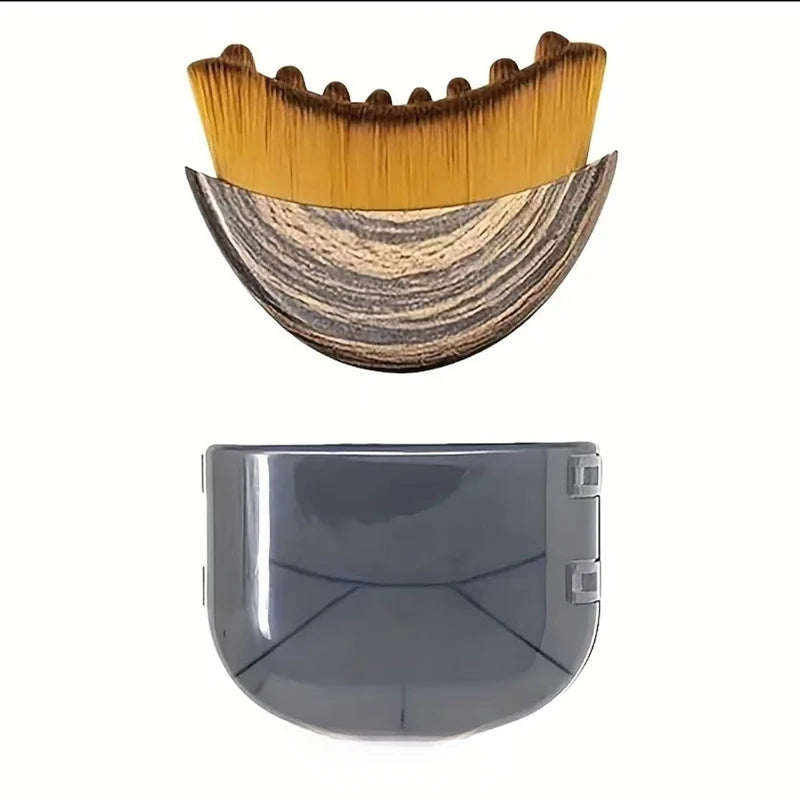
Reducing facial puffiness naturally through consistent daily habits
Ready to see the difference in your mirror?
Get yours now — limited stock! Shop the facial lymphatic brush
Frequently asked questions
Why is my face puffy when I wake up?
Morning facial puffiness commonly results from fluid retention, sleep position, sodium intake, allergies, or reduced lymphatic drainage.
How do I get rid of a puffy face in the morning?
Cold therapy, hydration, facial massage, and light movement often reduce swelling quickly.
How long does facial puffiness last?
Temporary facial puffiness usually resolves within minutes to hours, depending on the cause.
Does facial massage actually reduce swelling?
Gentle lymphatic drainage massage may help move accumulated fluid and temporarily reduce puffiness.
Can dehydration cause facial puffiness?
Yes. Dehydration can trigger compensatory fluid retention that contributes to facial swelling.
When should I see a doctor about facial swelling?
Seek medical evaluation for severe, persistent, painful, or one-sided facial swelling.
Pillar Article: Lymphatic facial drainage massage: step-by-step guide for results
Other Related Articles:
- Morning facial swelling: quick de-puffing routine guide
- At home facial massage: simple steps for glow skin
- Jade facial roller how to use for de-puffing fast
Explore More:













