

Does morning facial swelling go away fast?
Morning facial swelling often improves within 30 to 90 minutes after waking as gravity helps redistribute fluid and normal circulation resumes. Mild facial puffiness in the morning is usually temporary, especially after sleeping flat, eating a high-sodium dinner, drinking alcohol, experiencing poor sleep, or retaining extra fluid overnight.
How long should normal morning puffiness last?
Most healthy people notice gradual improvement after getting out of bed, drinking water, moving around, and washing their face. Puffiness that completely resolves within a few hours is generally considered a normal response to overnight fluid shifts.
Temporary puffiness vs persistent facial swelling
If swelling becomes progressively worse, affects only one side of the face, is accompanied by pain, fever, rash, difficulty breathing, or persists throughout the day for several days, medical evaluation is recommended because an underlying condition may be responsible.
Morning facial swelling: causes, quick de-puffing routine, and prevention guide
Waking up with a puffy face can feel frustrating—especially when you want to look refreshed and confident. The good news is that morning facial swelling is often temporary and highly responsive to simple lifestyle measures. Understanding why facial puffiness develops overnight and using evidence-based strategies such as hydration, cold therapy, movement, and gentle facial drainage techniques can help reduce visible swelling and restore a refreshed appearance.
⏱ 5 min read
Explore options in Skin and Beauty Care Devices to support faster de-puffing and smoother skin.
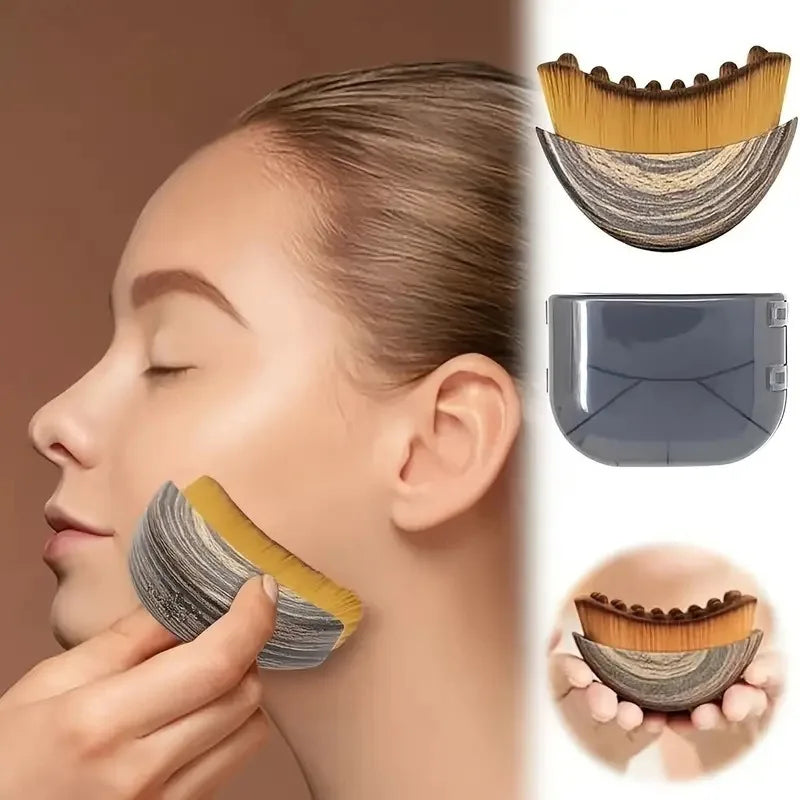
Reduce facial puffiness morning swelling quickly — See it in action
Why does morning facial swelling happen overnight?
Face swelling in the morning commonly occurs because fluid naturally redistributes while you lie flat for several hours. During sleep, gravity no longer pulls excess fluid toward the legs, allowing small amounts of fluid to collect in the loose tissues around the eyes, cheeks, and jawline.
Overnight fluid redistribution explained
This temporary fluid retention face swelling becomes more noticeable if lymphatic drainage slows during sleep or if your body retains extra water due to sodium intake, alcohol consumption, hormonal changes, stress, or dehydration.
Why the face looks puffier after lying flat
The eyelids and surrounding facial tissues contain delicate connective tissue that stretches easily, making even small increases in fluid highly visible after waking.
Facial puffiness vs generalized body swelling
Localized morning puffiness usually improves after getting up and moving. Swelling affecting multiple body parts or occurring alongside shortness of breath, rapid weight gain, or leg swelling may indicate a broader medical issue requiring evaluation.
Common causes of morning facial swelling
Facial puffiness causes range from harmless overnight fluid shifts to allergies and certain medical conditions. Identifying the pattern can help determine whether simple lifestyle adjustments are likely to help.
Lifestyle factors
- High sodium intake
- Alcohol consumption
- Sleeping face down
- Poor sleep quality
- Dehydration
Allergies and sinus congestion
Seasonal allergies, chronic sinus inflammation, and nasal congestion may contribute to facial swelling after waking by increasing inflammation around the eyes and cheeks.
Hormonal changes and medications
Hormonal fluctuations during menstruation, pregnancy, menopause, and some prescription medications can increase water retention, making morning puffiness more noticeable.
Stress and cortisol-related fluid retention
A puffy face from stress may develop because chronic stress influences cortisol levels, sleep quality, and hydration habits, all of which can contribute to temporary facial fluid retention.
Medical conditions
Persistent swelling may occasionally be associated with thyroid disorders, kidney disease, dental infections, salivary gland disorders, or other medical conditions. These require professional assessment rather than cosmetic treatment alone.
Browse expert tools in Body Care and Health Devices
How to reduce morning facial swelling fast
If you want to know how to depuff your face in the morning, focus on improving circulation, encouraging lymphatic drainage, and reducing temporary fluid retention.
First 5 minutes after waking
- Drink a glass of water.
- Sit or stand upright.
- Perform gentle neck and shoulder movements.
- Wash your face with cool water.
Cold therapy and hydration
A cool compress or chilled skincare tool may temporarily constrict superficial blood vessels, helping reduce visible puffiness while hydration supports normal fluid balance.
Gentle movement and circulation
Walking, stretching, or light exercise encourages circulation and lymphatic flow, allowing excess fluid to redistribute more efficiently.
When facial massage helps
Gentle facial lymphatic drainage massage can temporarily encourage movement of superficial lymphatic fluid, especially around the eyes, cheeks, and jawline.
At home facial drainage massage steps for instant results
Before you begin
Clean your hands and face, apply a light facial oil or serum for glide, and use gentle pressure. Lymphatic massage should never feel painful.
Step-by-step facial lymphatic drainage massage
- Begin at the collarbone.
- Massage upward along the sides of the neck.
- Sweep from the center of the chin toward the ears.
- Move across the cheeks toward the temples.
- Gently glide beneath the eyes toward the temples.
- Finish by sweeping downward along the neck.
Using a dedicated tool like the facial lymphatic brush may help maintain consistent pressure and technique during your routine.
Common mistakes to avoid
- Using excessive pressure.
- Dragging the skin.
- Massaging inflamed or infected skin.
- Skipping the neck drainage pathway.
| Method | Effectiveness | Time Needed |
|---|---|---|
| Hands only | Moderate | 10–15 min |
| Facial brush | High | 5–7 min |
How this facial lymphatic brush reduces puffiness in minutes
A facial lymphatic brush is designed to provide consistent, gentle strokes that may support superficial lymphatic drainage when used correctly alongside healthy lifestyle habits.
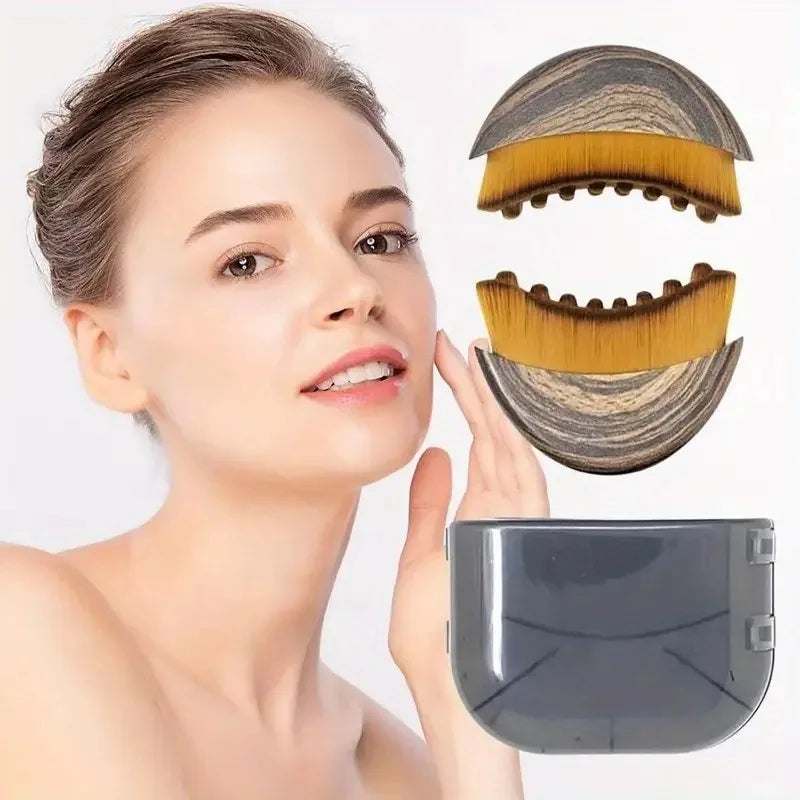
At home facial drainage massage steps made easier — See it in action
- ✅ Supports gentle facial massage routines
- ✅ Encourages consistent technique
- ✅ Easy to incorporate into daily self-care
- ✅ May improve product application and massage comfort
Why tools outperform manual techniques
Many users find brushes easier to use consistently because they help maintain even pressure and smooth movement across larger facial areas.
Who benefits most
People experiencing mild morning puffiness related to sleep position, fluid retention, or occasional stress may notice temporary cosmetic improvements.
When tools should be avoided
Avoid facial massage tools over infected skin, open wounds, active rashes, or unexplained painful swelling until evaluated by a healthcare professional.
How to prevent recurring morning facial swelling
Evening habits
- Reduce salty evening meals.
- Limit alcohol before bed.
- Stay adequately hydrated throughout the day.
Sleep posture
Sleeping with the head slightly elevated may reduce overnight fluid accumulation in the face.
Sodium and alcohol management
Both sodium and alcohol can increase temporary water retention, making facial puffiness more noticeable the following morning.
Allergy management
If allergies contribute to recurring swelling, reducing exposure to known triggers and following appropriate treatment recommendations may help.
Daily hydration
Consistent hydration supports normal fluid balance and may reduce compensatory water retention.
When facial swelling may require medical attention
Symptoms requiring urgent care
- Difficulty breathing.
- Difficulty swallowing.
- Rapidly increasing swelling.
- Swelling after an allergic reaction.
- Severe facial trauma.
Signs that warrant a doctor's appointment
- Persistent swelling lasting several days.
- Pain, redness, or warmth.
- Recurring unexplained swelling.
- Associated fever.
- Swelling affecting only one side of the face.
How long should swelling persist before evaluation?
If facial swelling does not improve within a day or two, becomes progressively worse, or repeatedly returns without an obvious cause, schedule an evaluation with a healthcare provider.
Common mistakes that make puffiness worse
- ❌ Skipping hydration in the morning
- ❌ Using heavy pressure during massage
- ❌ Ignoring neck drainage pathways
- ❌ Sleeping flat without elevation
Correcting these habits may help reduce recurring morning facial swelling over time.
Real results: what users notice after 7 days
People who consistently improve hydration, reduce sodium intake, optimize sleep position, and perform gentle facial drainage techniques often notice that morning puffiness becomes less pronounced over time. Results vary depending on the underlying cause.
Expected timeline
Temporary fluid-related puffiness may improve immediately after each morning routine, while lifestyle-related improvements typically become more noticeable over one to several weeks.
Individual variation
If swelling is caused by allergies, medications, or an underlying medical condition, lifestyle measures alone may provide limited improvement until the underlying issue is addressed.
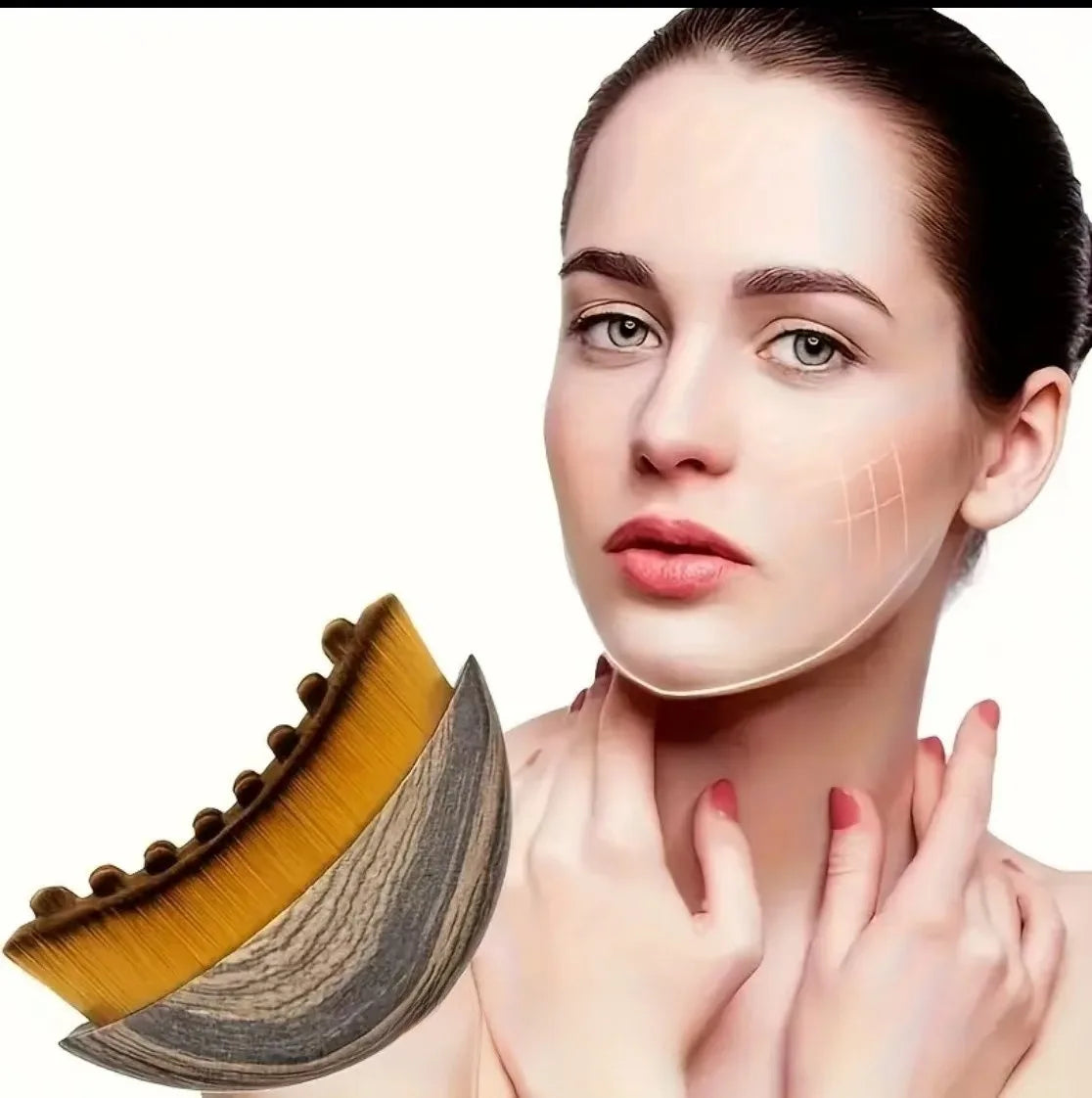
Eliminate fluid retention face swelling fast — See it in action
Upgrade your routine with the facial lymphatic brush for a consistent facial drainage routine.
FAQ
How long does morning facial swelling last?
Morning facial swelling typically lasts 30 to 90 minutes and often improves with hydration, movement, and resuming an upright position.
What causes facial puffiness in the morning?
Common causes include overnight fluid redistribution, high sodium intake, alcohol consumption, allergies, poor sleep quality, dehydration, and sleeping position.
What is the fastest way to reduce stress-related facial puffiness?
Hydration, cool compresses, light activity, and gentle facial drainage massage may help reduce temporary stress-related facial puffiness.
Why is my face puffy only in the morning?
Overnight fluid redistribution, sleeping position, sodium intake, allergies, alcohol, and temporary fluid retention are among the most common causes.
Does drinking water reduce facial swelling?
Staying well hydrated supports normal fluid balance and may reduce temporary water retention, although it is not an instant cure.
Can sleeping position cause facial swelling?
Yes. Sleeping face down or completely flat may increase fluid accumulation in facial tissues overnight.
Can allergies cause morning facial swelling?
Yes. Allergic inflammation commonly causes puffiness around the eyes and cheeks after waking.
When should I worry about facial swelling?
Seek immediate medical care if swelling is accompanied by breathing difficulty, swallowing problems, severe pain, or rapidly progresses. Persistent or recurrent swelling should also be medically evaluated.
Pillar Article: Lymphatic facial drainage massage: step-by-step guide for results
Other Related Articles:
- How to reduce puffiness in face: morning fix routine
- At home facial massage: simple steps for glow skin
- Jade facial roller how to use for de-puffing fast
Explore More:













