

How can you stay warm without central heating?
You can stay warm without central heating by combining three strategies: warm your body directly, prevent heat from escaping, and heat only the space or items you actually use. The most effective low-cost approach is to start with no-cost steps, then add targeted warming tools if needed.
- Warm your body first: Wear breathable layers, insulate your feet and head, use blankets, and move regularly.
- Stop heat loss: Close doors, block drafts, use curtains or window coverings, and add rugs to cold floors.
- Use targeted warmth: Hot water bottles, heat packs, and heated blankets can warm you directly without heating an entire home.
- Choose the right strategy: Renters, people with cold bedrooms, and anyone dealing with a power outage may need different solutions.
For the fastest results, combine a body-first approach with draft reduction. If you need additional warmth, targeted heating is often more efficient than trying to heat every room.
How to Stay Warm Without Central Heating: Practical, Low-Cost Solutions That Actually Work
⏱ 5 min read · Cold rooms, rising energy costs, and uneven warmth can make winter uncomfortable—especially if you’re renting, dealing with inefficient heating, or trying to avoid heating the entire home. This expert guide explains how to stay warm without central heating using practical, low-cost strategies that reduce heat loss, improve comfort, and help you use supplemental heat more efficiently.
Ever notice how one room feels freezing while another stays tolerable? Or how running a heater still leaves your hands and feet cold? The solution is not always adding more heat. In many homes, the biggest improvement comes from stopping heat loss and warming people directly instead of trying to heat every cubic foot of air.
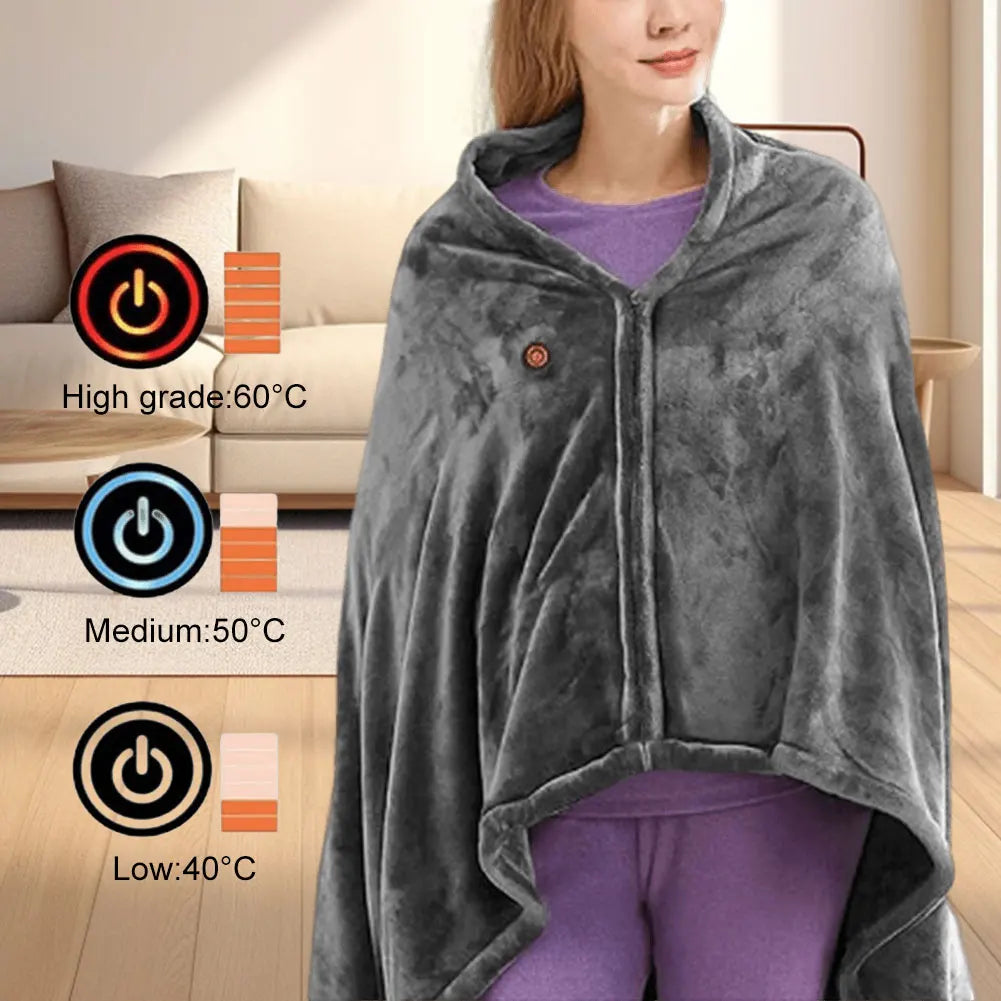
Low energy heating solutions that keep warm indoors winter See it in action
Why homes feel cold without central heating (and how heat is lost)
Homes feel cold quickly without central heating because heat naturally moves from warmer areas toward colder ones. It can escape through windows, doors, walls, floors, ceilings, and small gaps around the building envelope. Understanding the difference between body heat and room heat helps you choose a solution that works faster and costs less.
Body heat vs room heat
Heating an entire room takes time and energy, while warming your body can make you feel comfortable much faster. A blanket, warm clothing, or a targeted warming device can help you retain the heat your body is already producing. This is why direct warmth can be useful when you are sitting, working, reading, or sleeping in one area.
Room heating still has an important role when indoor temperatures become dangerously low, but you do not always need to heat the entire home to improve personal comfort.
The biggest sources of heat loss
- Drafts: Cold air enters through gaps around doors, windows, vents, and other openings.
- Windows: Glass surfaces can feel significantly colder than insulated walls, especially at night.
- Floors: Hard floors can make rooms feel colder by drawing warmth away from your feet.
- Poor insulation: Heat can escape continuously through walls, ceilings, and floors.
- Unused space: Large, open areas generally take more energy to keep comfortable than a smaller occupied room.
The key to learning how to keep your house warm without a heater is not simply creating more heat. It is keeping existing warmth where you need it and reducing unnecessary heat loss .
Immediate ways to stay warm without heating (do this first)
If you feel cold right now, start with the actions that require little or no money. These winter warming tips without central heating work best when you combine personal insulation with quick changes to the space around you.
Body-first warming techniques (fastest results)
- Add breathable layers: Use several comfortable layers so warm air is trapped between them without restricting movement.
- Warm your feet and hands: Thermal socks, slippers, gloves, or other insulating layers can make a noticeable difference in comfort.
- Protect your neck and head: Keeping exposed areas covered can help you feel warmer overall.
- Drink a warm beverage: Warm drinks can provide temporary comfort, although they should not replace proper clothing or safe heating in a dangerously cold environment.
- Move regularly: Walking around or doing gentle movement generates body heat and prevents you from becoming chilled while sitting still.
- Use a blanket while stationary: A blanket is especially useful when working, watching television, or reading in one place.
Quick room fixes that trap heat instantly
- Close doors to unused rooms so warmth is concentrated in occupied areas.
- Close curtains or blinds after daylight fades to create another barrier against cold windows.
- Block obvious drafts around doors and windows with removable draft stoppers or temporary measures.
- Move seating away from cold windows and direct drafts.
- Use rugs or floor coverings on cold hard floors.
- Choose a smaller occupied area when possible instead of trying to stay comfortable in a large, open space.
For most people, the best order is simple: insulate your body, stop obvious drafts, then add targeted warmth if you still need it .
Best blankets for cold rooms (and why they can work better than heating air)
The best blankets for cold rooms depend on whether you want passive insulation, portability, or adjustable warmth. A blanket does not raise the temperature of an entire room, but it can help your body retain heat while you are using a much smaller amount of energy—or no electricity at all.
Best blankets for cold rooms
- Fleece blankets: Lightweight and easy to layer for everyday warmth.
- Wool blankets: Useful for natural insulation and layering in colder conditions.
- Weighted blankets: Can add a cozy, secure feel, although they should be used according to the manufacturer's guidance and may not be suitable for everyone.
- Electric or heated blankets: Provide adjustable, direct warmth when you want more than passive insulation.
Heated blanket vs heater cost comparison
The exact running cost depends on the wattage, settings, usage time, and local electricity rate. However, the basic efficiency advantage is straightforward: a heated blanket warms the person using it, while a space heater generally uses energy to warm the surrounding air.
- Heated blankets: Target warmth directly at your body or bedding.
- Space heaters: Warm the air in an occupied area and may need to run longer as heat escapes.
- Regular blankets: Use no electricity and work by helping your body retain heat.
| Option | Warmth Speed | Electricity Use | Best For |
|---|---|---|---|
| Space Heater | Moderate | Typically higher than targeted warming devices | Warming an occupied room |
| Regular Blanket | Immediate insulation | None | Low-cost personal warmth |
| USB Heated Blanket | Fast targeted warmth | Typically low | Personal warmth while sitting or relaxing |
Smart heated blanket benefits
- Adjustable warmth: Choose a setting that suits your comfort rather than heating an entire room.
- Targeted heat: Warm your lap, torso, or bedding while you remain in one place.
- Portability: A compact heated blanket can be used in different areas of the home, depending on the product's power requirements.
- Potentially lower energy use: Targeted warmth can require less energy than continuously heating a whole room, although actual costs vary by product and usage.
How to warm bed without electric blanket
If you want to warm your bed without an electric blanket, use passive insulation and pre-warming methods:
- Add breathable layers of bedding rather than relying on one thin layer.
- Use a hot water bottle according to its safety instructions and check it for damage or leaks.
- Wear comfortable, breathable sleepwear and warm socks if appropriate for you.
- Use a mattress topper or additional bedding layer to reduce the feeling of cold from below.
- Keep drafts away from the bed with properly fitted curtains and door draft protection.
Pairing a heated blanket with items from the Lifestyle collection can elevate comfort rituals like reading, working, or relaxing at night.
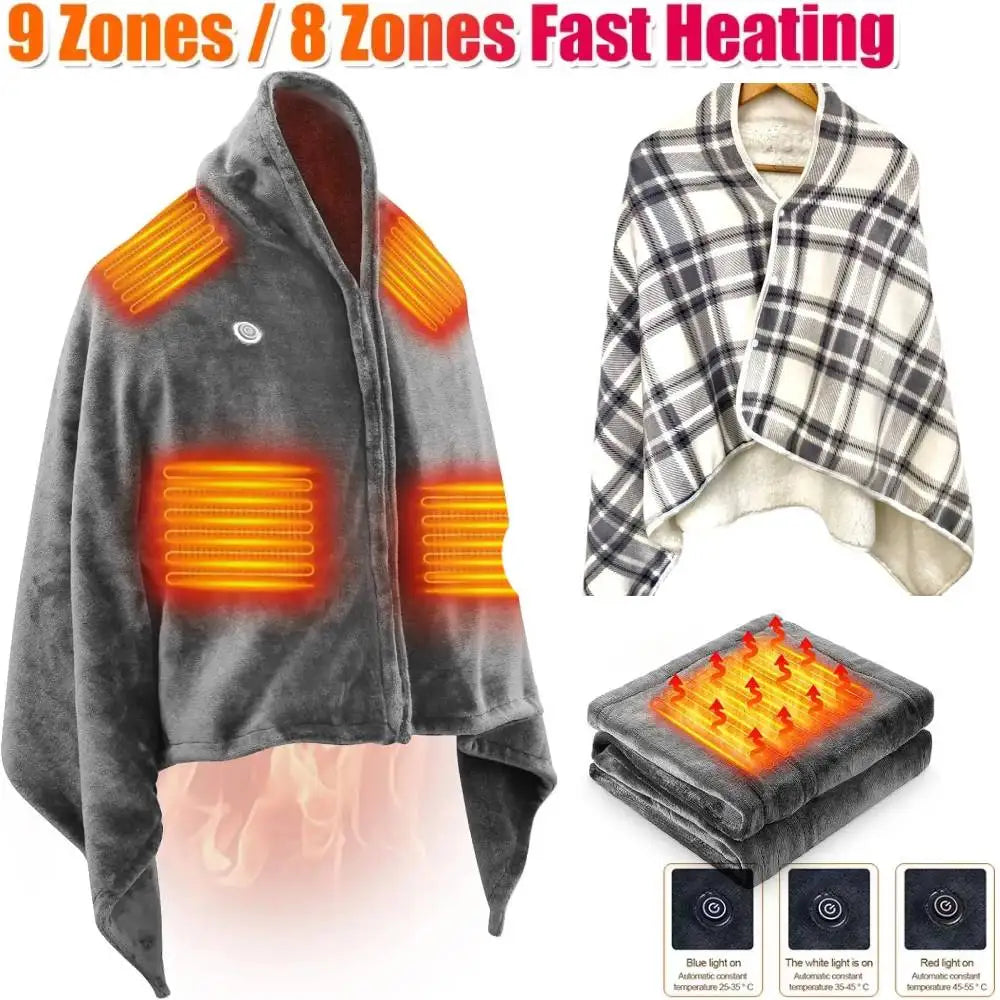
Energy saving heating tips with smart layering See it in action
How to keep your house warm without a heater (room-by-room guide)
Room-by-room changes can help you retain existing warmth instead of trying to make every area of your home equally warm. Focus first on the rooms you actually use.
Bedroom (sleep warm without heating)
- Layer blankets or bedding so you can adjust warmth during the night.
- Pre-warm the bed with a suitable hot water bottle, following safety instructions and removing it if the product guidance requires.
- Use rugs or carpets to reduce the cold feeling from hard floors.
- Keep curtains closed at night to reduce the effect of cold windows.
- Block drafts around the bedroom door and windows where practical.
Living room (daytime heat retention)
- Let sunlight in during the day when it naturally warms the room, then close curtains as temperatures drop.
- Use blankets or targeted warming devices while sitting in one place.
- Rearrange seating away from windows, exterior doors, and noticeable drafts.
- Close doors to unused areas so warmth is concentrated where people are present.
Kitchen & bathroom
- Keep doors closed when you want to retain warmth in the room you are using.
- After a shower, avoid allowing excessive moisture to spread through the home; use appropriate ventilation to manage condensation.
- Cooking can temporarily add warmth to a kitchen, but never use an oven or stove as a substitute for a room heater.
- Use extractor fans and ventilation appropriately to control moisture and reduce damp-related problems.
Hallways, windows and doors
- Use removable draft excluders around doors where appropriate.
- Close internal doors to reduce unnecessary air movement between rooms.
- Use curtains, blinds, or thermal liners to reduce the cold effect of windows.
- Check for obvious gaps around frames and other openings that may allow cold air inside.
Complement warmth routines with relaxation tools from Body Care and Health Devices for added comfort during long winter evenings.
Energy-efficient ways to stay warm indoors (low-cost long-term fixes)
The most energy efficient ways to stay warm indoors focus on reducing heat loss first. These improvements can be useful for both renters and homeowners, although permanent changes may require permission if you rent.
Insulation hacks for renters
- Use removable window film where permitted and appropriate for the window type.
- Add removable door draft excluders.
- Hang thicker curtains or use thermal curtain liners.
- Use rugs to make cold floors more comfortable.
- Keep internal doors closed between heated and unheated spaces.
Budget home upgrades
- Improve draft sealing around doors and windows using suitable products.
- Upgrade worn or thin curtains where they contribute to noticeable heat loss.
- Consider professionally recommended insulation improvements if you own the property.
- Use programmable or thermostatic heating controls where available to avoid heating empty spaces unnecessarily.
Condensation and damp prevention
Keeping a home warm is not the same as trapping moisture indoors. Excess condensation can contribute to damp and mold problems, so balance warmth with appropriate ventilation.
- Ventilate kitchens and bathrooms when generating steam.
- Use extractor fans where available.
- Do not block required ventilation openings.
- Address persistent condensation or damp rather than simply covering the symptoms.
Safe ways to sleep warm without heating
To sleep comfortably without heating all night, focus on bedding, personal insulation, and safe temperature management. The goal is to stay warm without overheating or creating unnecessary hazards.
How to keep warm in bed without heating
- Use several breathable bedding layers that can be added or removed easily.
- Pre-warm the bed with a suitable hot water bottle or other product used according to its instructions.
- Wear comfortable sleepwear that provides insulation without causing overheating.
- Reduce drafts around windows and doors.
- Use a mattress layer or rug to reduce the sensation of cold from the floor or bed base.
Electric blanket safety tips
- Follow the manufacturer's instructions for use, washing, storage, and overnight operation.
- Do not use an electric blanket with damaged wiring, controls, plugs, or heating elements.
- Avoid folding, bunching, or covering the blanket in ways prohibited by the manufacturer.
- Use automatic shut-off and temperature controls as intended.
- Keep electrical connections dry and inspect the product regularly for signs of wear.
- People with reduced sensitivity to heat or other health concerns should seek appropriate professional guidance before using heated products.
Layering for overnight heat retention
Layering works because it creates pockets of air that help slow heat loss. Use breathable bedding and avoid piling on so many layers that you become uncomfortably hot or cannot easily remove them.
Alternative heating solutions at home (when you need extra help)
When clothing, bedding, and draft reduction are not enough, alternative heating solutions at home can provide supplemental warmth. Choose the option based on whether you need to warm your body, your bed, or an occupied room.
Portable electric options
Portable heaters can warm an occupied room, while heated blankets and pads provide more targeted warmth. Always follow the manufacturer's safety instructions and use electrical devices on appropriate outlets and surfaces.
Hot water bottles and heat packs
- Hot water bottles: Provide localized warmth for bedding or the body when used correctly.
- Microwavable heat packs: Offer temporary targeted warmth when heated according to their instructions.
- USB-powered heated blankets or pads: Provide personal warmth where compatible with the product's power requirements.
When supplemental heating makes sense
- Use a portable heater when you need to warm an occupied room and the device is suitable for that space.
- Use targeted warming products when you are stationary and do not need to heat the entire room.
- Never leave portable heating devices operating unattended unless the manufacturer specifically designs and permits that use.
- Keep heaters away from flammable materials and maintain required clearance.
How to choose the best warming strategy for your situation
The best way to stay warm without central heating depends on your budget, the room you are trying to warm, and whether you have access to electricity. Use this decision framework to start with the simplest effective solution and escalate only when necessary.
Lowest budget
Start with warm clothing, blankets, curtains, draft reduction, rugs, and closing doors to unused rooms. These steps can improve comfort without requiring a major purchase.
Cold bedrooms
Focus on bedding layers, draft control around windows and doors, floor insulation, and safe bed-warming options. If you use an electric blanket, follow its specific safety instructions.
Renters
Prioritize reversible changes such as curtains, removable draft excluders, rugs, window treatments, and portable personal warming devices. Ask the landlord or property manager before making permanent alterations.
Power outages
Prioritize safe layers, blankets, dry clothing, and staying together in an appropriate area rather than attempting improvised indoor heating. Avoid using equipment indoors that is not specifically designed for indoor use.
If the home becomes dangerously cold, especially for vulnerable people, warming strategies should not replace appropriate emergency assistance or safe, reliable heating.
Cold-weather safety and myths
Who is most at risk
Infants, older adults, people with certain health conditions, and anyone with limited mobility or reduced ability to sense cold may be more vulnerable to cold-related illness. Pay attention to unusual confusion, extreme drowsiness, weakness, or other concerning symptoms and seek appropriate medical help when needed.
Why candles won't heat a room
Candles are not a safe substitute for a heater. They produce limited heat compared with the energy required to warm a room and create a fire risk. Never rely on candles as a primary indoor heating method.
Carbon monoxide and ventilation
Never use outdoor fuel-burning equipment indoors unless it is specifically designed and approved for indoor use. Carbon monoxide is an invisible, odorless danger. Do not block required ventilation, and make sure carbon monoxide alarms are installed and maintained where appropriate.
Do not use an oven or stovetop to heat a room. If you lose heating during severe cold, follow local emergency guidance and seek a safer warm location if your home cannot be kept at a safe temperature.
Try the USB Heated Blanket today
Frequently Asked Questions
Can you really stay warm without central heating?
Yes. You can stay warm without central heating by combining insulation, layered clothing, draft reduction, blankets, and targeted heat sources. The most effective approach depends on the indoor temperature, your home, and whether you need to warm your body or an entire room.
What is the cheapest way to stay warm without central heating?
The cheapest approach is usually to combine no-cost and low-cost methods: wear insulating layers, use blankets, close doors to unused rooms, block drafts, close curtains at night, and add rugs to cold floors. If you still need more warmth, targeted warming can be more efficient than heating unused space.
How can I keep my bedroom warm without heating all night?
Use layered bedding, reduce drafts around windows and doors, close curtains at night, insulate cold floors, and consider a suitable bed-warming method. If you use an electric blanket, follow the manufacturer's instructions for safe operation and overnight use.
How do I warm my bed without an electric blanket?
You can warm your bed with layered bedding, a suitable hot water bottle, additional insulation beneath or over the bedding, and warm sleepwear. Make sure any hot water bottle or heat pack is used according to its instructions and is in good condition.
Do heated blankets cost less to run than space heaters?
They often use less electricity because they provide targeted warmth instead of trying to heat an entire room, but the exact cost depends on the wattage, usage time, temperature setting, and local electricity rate. Compare the actual power ratings of the products you are considering for the most accurate estimate.
How can renters keep a house warm without making permanent changes?
Renters can use removable draft excluders, thicker curtains, thermal liners, rugs, blankets, and portable personal warming devices. Closing doors to unused rooms and concentrating warmth in occupied areas can also improve comfort without permanent modifications.
Can candles safely warm a room?
No. Candles are not a safe or effective substitute for a room heater. They provide limited heat and introduce a fire hazard. Never use candles as a primary method of heating a room.
How do I stay warm during a winter power outage?
Wear multiple dry layers, use blankets, stay in a smaller suitable area, and keep doors and windows closed as appropriate. Do not use outdoor generators, grills, or other fuel-burning equipment indoors. If your home becomes dangerously cold, seek a safer warm location and follow local emergency guidance.
What indoor temperature is considered too cold?
There is no single temperature that is equally safe for every person or home. Risk depends on age, health, clothing, humidity, exposure time, and other factors. If indoor conditions are becoming dangerously cold or someone develops concerning symptoms, prioritize safe warming and seek appropriate medical or emergency assistance.
Related Guide: How to Use a USB Blanket Heated for Maximum Warmth













