

Does stopping door drafts really work?
Yes. Learning how to stop door drafts begins by sealing the small gaps that allow cold outdoor air to enter and warm indoor air to escape. In most homes, simple DIY solutions such as weatherstripping, door sweeps, insulated door covers, or a door draft stopper magnetic can noticeably reduce drafts, improve comfort, and lower heating costs. However, if the door or frame is severely warped or damaged, repairs or replacement may be necessary for a lasting seal.
How to Stop Draft From Door: 10 Proven Ways to Seal a Drafty Door
A drafty door can make your home feel colder than the thermostat suggests. Even small air leaks around the frame, threshold, or bottom of the door allow heated air to escape while pulling cold outdoor air inside. The result is chilly rooms, uneven temperatures, and higher winter energy bills.
The good news is that most door drafts are easy to identify and inexpensive to fix. Whether you need a quick seasonal solution for a rental or a long-lasting repair for an exterior entry door, this guide explains how to stop door drafts using practical methods that match the location and severity of the air leak.
⏱ 7 min read
Explore the most effective ways to block cold air at door gaps and enjoy a warmer, quieter, and more energy-efficient home throughout winter.
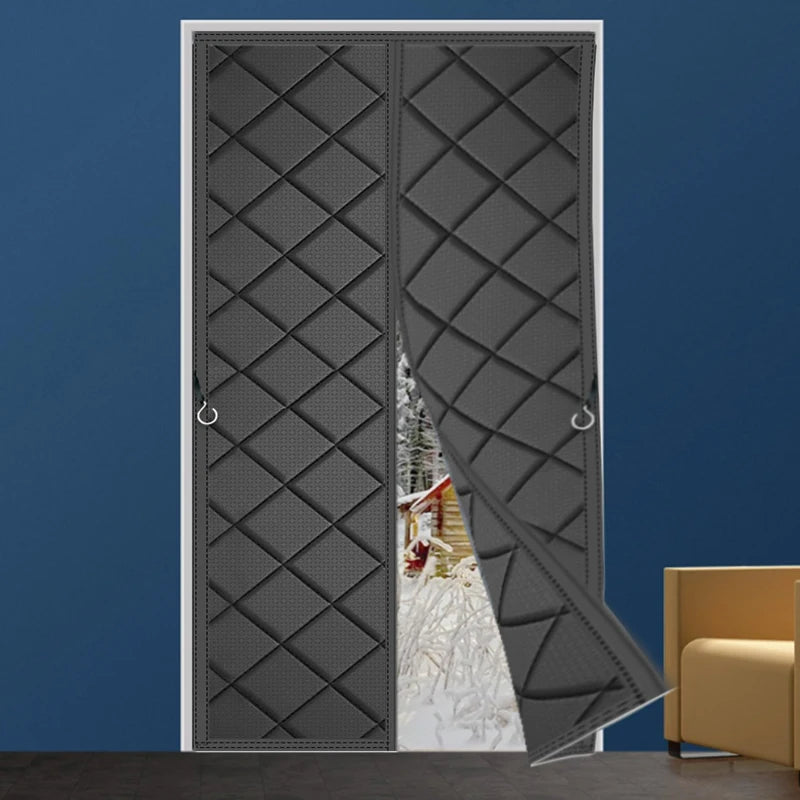
Block cold air at door gaps fast — see how a winter door cover works
Why Door Drafts Happen in Winter (and Why They Matter)
Door drafts occur when outside air passes through gaps around the door frame, threshold, weatherstripping, or the space beneath the door. While these openings may appear minor, even a gap of about 1/8 inch can let a surprising amount of cold air into your home during winter.
As outdoor temperatures drop, warm indoor air naturally escapes through these openings while denser cold air moves inside. This constant exchange forces your heating system to cycle more frequently, making nearby rooms feel colder and reducing overall comfort.
Common Causes of Drafts Around Doors
- Worn, cracked, or compressed weatherstripping
- Small gaps between the door and its frame
- Poorly sealed or damaged door thresholds
- Excessive clearance beneath the door
- Warped, settled, or misaligned exterior doors
How Drafty Doors Increase Heating Costs
Air leaks reduce the efficiency of your home's heating system because conditioned air continually escapes while cold outdoor air replaces it. The furnace or heat pump must run longer to maintain the desired temperature, increasing energy consumption and utility bills.
Preventing door drafts is often one of the quickest and most cost-effective home weatherization projects. Proper sealing improves comfort immediately while reducing unnecessary heat loss throughout the winter season.
For more home efficiency ideas, you may also find helpful guides like How to Seal Drafty Windows or DIY Home Insulation Guide .
How to Identify Where the Draft Is Coming From
Before choosing the best way to stop door drafts, identify exactly where the air is leaking. A quick inspection helps you avoid unnecessary repairs and ensures you install the right solution for the problem area.
Most drafts originate from one of three locations: beneath the door, along the sides of the frame, or around the threshold and weatherstripping.
Check for Drafts Under the Door
Stand near the bottom of a closed door on a cold or windy day and feel for moving air around your feet. For a more accurate test, hold a strip of tissue paper near the gap. If it moves, air is passing underneath. This is one of the most common sources of heat loss in older homes and frequently used exterior doors.
Check the Door Frame and Side Gaps
Slowly move your hand around both sides and the top of the door frame. If you notice cool airflow or uneven temperatures, inspect the weatherstripping for cracks, compression, or sections that have pulled away from the frame. A flashlight shined from the opposite side of the door can also reveal visible gaps.
Check the Door Threshold and Weatherstripping
Examine the threshold and sealing materials for signs of wear such as flattening, brittleness, tears, or missing sections. If available, an incense stick or smoke pen can help pinpoint subtle air leaks, while an infrared thermometer can identify colder areas around the doorway that indicate poor insulation.
How to Stop Door Drafts Effectively
The best way to stop a draft from a door depends on where the leak is located. Matching the repair to the source of the airflow produces better results than applying the same solution everywhere. In most cases, sealing the bottom gap, replacing worn weatherstripping, or repairing gaps around the frame will eliminate the majority of cold air entering your home.
How to Stop Draft From Under Door
The gap beneath an exterior door is often the largest source of winter air leakage. Choose a solution that matches the size of the gap and how frequently the door is used.
- Door sweeps: Attach directly to the bottom of the door and create a durable seal while allowing normal operation.
- Fabric draft stoppers: Rest against the floor and provide a quick, removable option for seasonal use.
- Adjustable thresholds: Raise the sealing surface to reduce larger gaps caused by settling or wear.
DIY difficulty:
Easy to moderate.
Best for:
Exterior entry doors with noticeable airflow beneath the threshold.
How to Stop Draft From Side of Door
Drafts along the sides or top of a door almost always indicate that the existing weatherstripping has worn out or no longer compresses tightly against the closed door. Replacing the seal restores an effective air barrier without replacing the entire door.
- Foam tape weatherstripping for small, consistent gaps
- Rubber compression seals for frequently used exterior doors
- V-strip weather seals for uneven gaps along wood or metal frames
After installation, close the door and confirm the seal compresses evenly without making the door difficult to latch.
How to Stop Drafts Around Door Frames
If air is entering around the trim or between the frame and the surrounding wall, weatherstripping alone will not solve the problem. Remove loose caulk, clean the surface thoroughly, and reseal visible cracks with exterior-grade caulk. Larger hidden gaps may require low-expansion spray foam designed for doors and windows.
Inspect both the interior and exterior sides of the frame to ensure every visible opening has been sealed. Addressing these overlooked leaks often improves comfort as much as replacing worn weatherstripping.
For step-by-step weatherproofing tips, you may also explore Best Weatherstripping for Doors and How to Insulate a Garage Door .
Temporary Fixes vs Permanent Solutions for Door Drafts
Some draft problems only require a seasonal barrier, while others benefit from a permanent repair. Your choice depends on your budget, whether you own or rent the property, and the condition of the existing door.
Quick Temporary Draft Fixes
Temporary options are ideal for renters, occasional cold spells, or situations where permanent modifications are not practical.
- Fabric draft stoppers positioned along the bottom of the door
- Door draft blocker cushions for removable seasonal insulation
- Insulated door curtains that create an additional thermal barrier
- Temporary foam tape for short-term sealing around the frame
Long-Term Draft Sealing Solutions
If drafts occur every winter, investing in durable repairs usually provides better comfort and lower maintenance over time.
- Replace worn weatherstripping around the frame
- Install a quality door sweep matched to the floor surface
- Upgrade or adjust the door threshold to eliminate bottom gaps
- Seal gaps around the frame with exterior-grade caulk or low-expansion spray foam
Best Ways to Block Cold Air From a Door (Comparison)
No single solution works for every doorway. The most effective approach depends on where the draft originates, the type of door, and whether you need a temporary seasonal fix or a long-term repair.
Weatherstripping Materials Compared
Weatherstripping is the preferred choice for sealing the sides and top of exterior doors. Foam products are inexpensive and easy to install, while rubber compression seals generally last longer and provide a tighter seal for frequently used doors.
Door Sweeps and Threshold Seals
Door sweeps are highly effective for eliminating airflow beneath the door. If the floor gap remains uneven after installing a sweep, adjusting or replacing the threshold often provides the best long-term result.
Draft Stoppers and Insulated Door Covers
Draft stoppers and insulated door covers work well when permanent modifications are undesirable. They are especially useful for apartments, rental properties, garages, workshops, and older homes where seasonal insulation is the primary goal. Magnetic insulated covers can provide excellent coverage on compatible metal door systems while remaining removable when warmer weather returns.
| Solution | Blocks Cold Air | Ease of Install | Typical Cost | Durability | Best For |
|---|---|---|---|---|---|
| Weatherstripping | Moderate | Easy | $5–$20 | 1–3 years | Side and top door gaps |
| Door Sweep | High | Easy | $10–$30 | 3–5 years | Gaps beneath exterior doors |
| Draft Stopper | Moderate | Very Easy | $10–$25 | 1–2 years | Temporary seasonal use |
| Magnetic Door Cover | Very High | Very Easy | $20–$50 | Reusable seasonal | Metal doors needing removable insulation |
| Threshold Replacement | High | Medium | $25–$80 | 5+ years | Large or uneven bottom gaps |
Discover how a removable insulated cover can transform a drafty doorway in minutes.
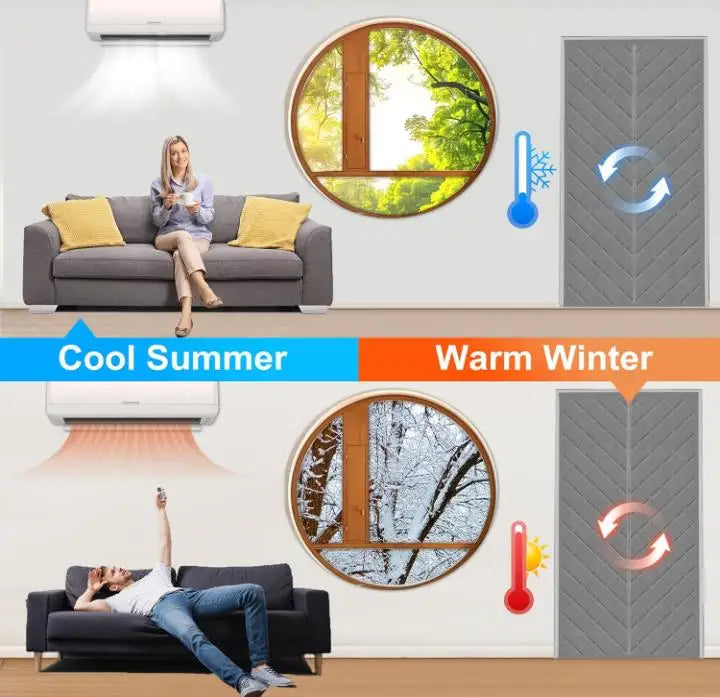
Door insulation for winter made simple — feel the difference instantly
For homeowners looking for a removable insulation solution, the winter magnetic insulated door curtain provides seasonal coverage without requiring permanent hardware. It is particularly useful for metal entry doors, garages, apartments, and rental properties where drilling or replacing door components is not practical. As with any draft-control method, the best results come from selecting a product that matches your door type and correctly covers all major air leaks.
Installation & Everyday Use Tips
Even the best draft-proofing products perform poorly if they are installed incorrectly. Taking accurate measurements, preparing the surface, and checking door movement after installation helps create a complete seal without interfering with everyday use.
Measuring Door Gaps Correctly
Measure the width of the door, the clearance beneath it, and any visible gaps around the frame before purchasing materials. Record the largest gap rather than estimating, as seals that are too small will continue to leak air while oversized products may prevent the door from closing properly.
- Measure the bottom gap with the door fully closed.
- Check side and top gaps at several points because they may not be perfectly even.
- Compare your measurements with the manufacturer's recommended gap range.
Avoiding Common Installation Mistakes
- Applying weatherstripping to dusty or damp surfaces that reduce adhesion.
- Selecting seals that are too thin or too thick for the measured gap.
- Ignoring worn thresholds that continue to leak beneath a new door sweep.
- Installing hardware that prevents the door from latching or opening smoothly.
How to Maintain Door Seals Over Time
Inspect weatherstripping and door sweeps before each heating season. Replace cracked rubber, compressed foam, or damaged sweeps as needed, and tighten any loose fasteners. Cleaning dirt from thresholds and seals also helps maintain consistent contact and extends the life of draft-proofing materials.
When You Should Replace the Door Instead of Sealing It
Sealing products work well when the door itself is in good condition. However, if structural damage prevents the door from closing evenly, replacing worn seals alone is unlikely to eliminate persistent drafts.
Signs Your Door Is Too Warped to Seal
- Large or uneven gaps that remain after replacing weatherstripping.
- Visible daylight around multiple sides of the closed door.
- A door that sticks, drags, or will not latch securely.
- Older wooden doors that have warped because of age or moisture exposure.
- Damaged or shifting door frames that prevent proper alignment.
Repair Cost vs Door Replacement
If the problem is limited to worn seals, thresholds, or minor frame gaps, repairs are usually the most cost-effective solution. However, when the door slab or frame is significantly damaged, investing in a modern insulated exterior door often delivers better long-term energy efficiency, improved weather resistance, and lower maintenance costs.
For more ways to improve household efficiency, visit the Lifestyle collection focused on practical comfort upgrades.
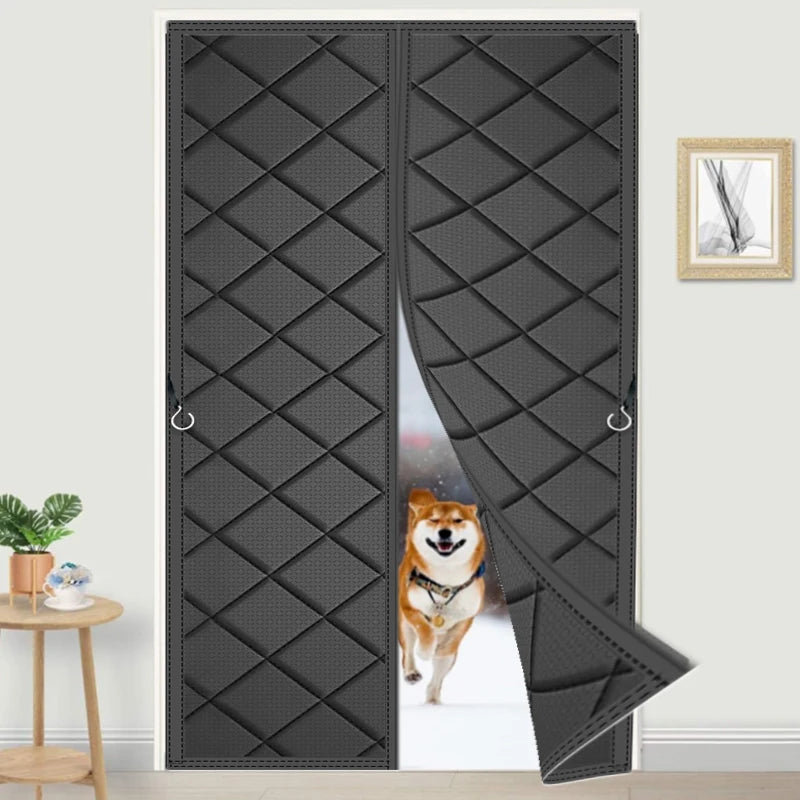
Keep house warm all season — upgrade your doorway comfort today
Choose a winter-ready door solution that helps reduce drafts, improve comfort, and simplify seasonal weatherproofing.
Which Solution Fits Your Home Best?
The most effective way to stop door drafts depends on your door type, the size of the air leak, and whether you need a temporary or permanent solution.
- Front doors: Combine quality weatherstripping with a door sweep or threshold seal for long-lasting protection against outdoor air.
- Apartments & rentals: Removable insulated door covers or other non-permanent draft blockers help improve comfort without modifying the door.
- Older homes: Seal frame gaps, replace worn weatherstripping, and consider an insulated door cover if drafts remain.
- Garage entry doors: Use durable weatherstripping together with an insulated barrier if the adjoining garage is unheated.
- Sliding doors: Install replacement weatherstripping, inspect the track seals, and use insulated curtains if additional thermal protection is needed.
Quick FAQs
What Is the Fastest Way to Stop a Draft Under a Door?
A door sweep or fabric draft stopper is usually the fastest solution. A draft stopper can be positioned in seconds, while a door sweep provides a longer-lasting seal with only a simple installation.
How Do I Stop Cold Air Coming Through the Side of a Door?
Inspect the weatherstripping around the sides and top of the frame. If it is cracked, compressed, or missing, replace it with new weatherstripping that matches the size of the gap for a tighter seal.
Can Weatherstripping Stop All Door Drafts?
No. Weatherstripping seals gaps around the frame, but drafts beneath the door or through damaged thresholds and warped frames may require additional repairs such as a door sweep, threshold adjustment, or frame sealing.
How Often Should Door Seals Be Replaced?
Inspect weatherstripping and door sweeps before each heating season. Most quality seals last between three and five years, but they should be replaced sooner if they become brittle, flattened, torn, or no longer seal tightly.
What Is the Best Way to Seal a Drafty Exterior Door?
The best approach combines several methods: replace worn weatherstripping, install a properly fitted door sweep, repair any threshold gaps, and seal openings around the door frame with appropriate caulk where necessary.
When Should I Replace a Drafty Door Instead of Repairing It?
If the door is warped, no longer closes squarely, has extensive frame damage, or continues leaking air after replacing seals and thresholds, replacing the entire door is often the most effective long-term solution.
Related Guide: Best Insulated Door Curtain Winter Compared for Real Homes













