

How Does a Foot Acupressure Mat Work?
A foot acupressure mat works by applying controlled pressure to specific points on the soles of your feet. These areas contain dense nerve endings and connective tissues that respond to stimulation by promoting local circulation, relaxing tight muscles, and creating a calming sensory response throughout the body.
What pressure points are stimulated?
The mat targets common plantar pressure zones such as the heel, arch, and forefoot. These areas are often associated with tension from standing, walking, or prolonged sitting. By distributing pressure across these points, the mat helps release built-up tightness and improve foot comfort.
How foot acupressure differs from reflexology
While reflexology maps foot zones to internal organs, foot acupressure mats focus more on physical stimulation and circulation. You don’t need precise knowledge of pressure maps—consistent, even stimulation across the foot surface is enough to deliver benefits.
What sensations are normal during use
It’s normal to feel tingling, warmth, or mild discomfort during early sessions. This sensation usually fades as your feet adapt. Sharp pain or lingering soreness, however, is a sign to reduce intensity or session time.
How to Use an Acupressure Foot Mat Correctly – Step-by-Step Guide
⏱ 6 min read
Sore feet after long days, stiff mornings, or constant fatigue—these are common signs your feet need better recovery. A foot acupressure mat can help, but only if used correctly. This guide shows exactly how to use it safely and effectively for real results.
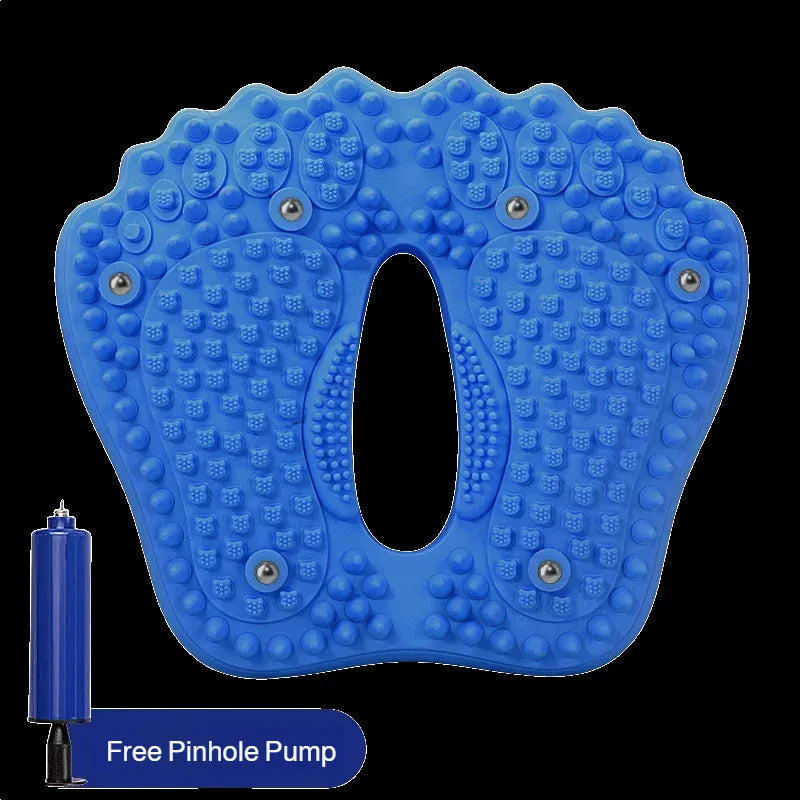
Foot acupressure exercise tool for targeted daily relief
Foot Acupressure Benefits: What to Expect
Short-term effects
- Improved blood flow and warmth in the feet
- Temporary relief from soreness and stiffness
- Relaxation after standing or walking
Long-term consistency
- Reduced foot fatigue over time
- Better tolerance to pressure and movement
- Improved daily comfort when used regularly
What research suggests
Studies on pressure stimulation and foot massage indicate benefits for circulation and relaxation, though results vary by individual. Consistency and proper technique are more important than intensity.
How to Use an Acupressure Foot Mat Step by Step
Preparing your mat and space
- Place the mat on a flat, stable surface
- Keep a chair or wall nearby for balance
- Start in a calm environment to focus on sensations
Standing vs sitting
Sitting reduces pressure and is ideal for beginners. Standing increases intensity and engages leg muscles. Start seated, then progress to standing as comfort improves.
Beginner progression
- Week 1: 1–2 minutes seated
- Week 2–3: 3–5 minutes seated or light standing
- Week 4+: 5–10 minutes standing
How long should you stand on an acupressure foot mat?
Most users benefit from 5–10 minutes per session. Beginners should start shorter and increase gradually to avoid soreness.
Session frequency
Use the mat 1–2 times daily. Short, consistent sessions are more effective than occasional long ones.
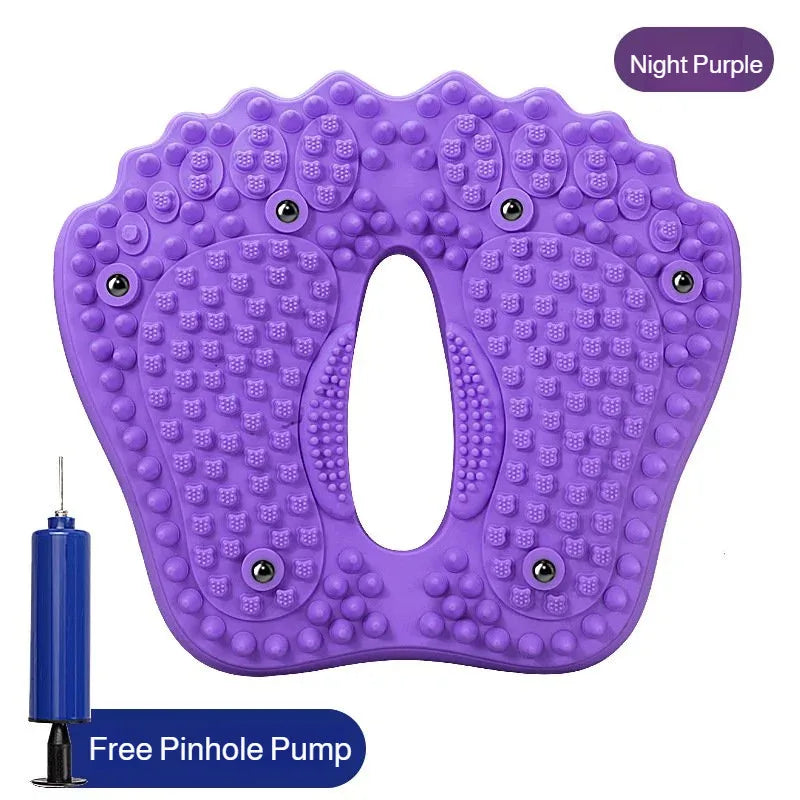
Using a foot pressure point mat at home for balance and comfort
Barefoot or Socks: Which Is Better?
Using the mat barefoot provides maximum stimulation and faster adaptation. However, beginners or those with sensitive feet may prefer wearing thin socks to reduce intensity.
- Barefoot: stronger pressure, faster results
- Socks: gentler, more comfortable start
Start with socks if needed, then transition to barefoot sessions over time.
Acupressure Foot Massage Technique for Better Results
Weight shifting
Gently shift your weight from heel to toe to distribute pressure evenly and avoid discomfort.
Breathing
Slow, steady breathing helps your body relax and reduces sensitivity to pressure.
Simple movement patterns
- Rock side to side
- Lift one heel at a time
- Roll feet slightly for varied stimulation
Common Mistakes to Avoid
| ❌ Mistake | ✅ Better Approach |
|---|---|
| Starting too long | Begin with short sessions and increase gradually |
| Poor posture | Stay relaxed with balanced weight |
| Ignoring pain | Reduce pressure if discomfort is sharp |
| Inconsistent use | Build a simple daily habit |
Who Should and Should Not Use a Foot Acupressure Mat?
Who may benefit
- People who stand or walk for long hours
- Office workers with sedentary routines
- Anyone seeking simple at-home relaxation
Who should consult a healthcare professional
- Individuals with diabetes or neuropathy
- People with circulation disorders
- Those with foot injuries or infections
- Pregnant individuals
Build a Simple Daily Foot Acupressure Routine
Morning routine
Use for 2–3 minutes to wake up your feet and improve circulation.
After-work recovery
Spend 5 minutes to release built-up tension from the day.
Post-workout option
Use lightly to relax muscles and improve recovery after exercise.
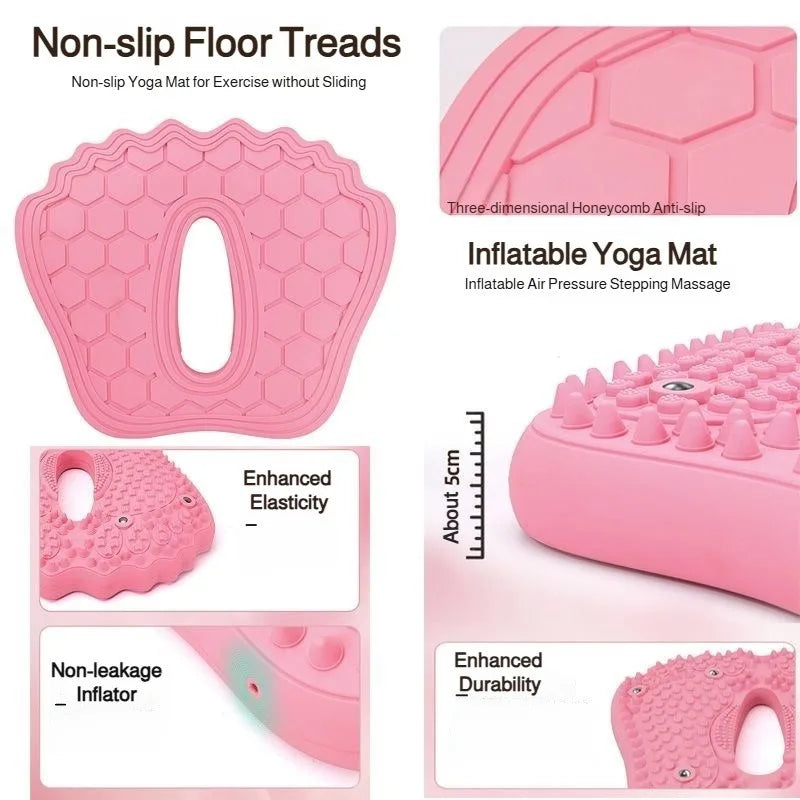
Foot acupressure exercise tool for nightly relaxation
Cleaning, Storage, and Maintenance
- Wipe the surface with a damp cloth after use
- Allow it to air dry completely before storing
- Store in a cool, dry place
- Avoid heavy objects on top to maintain shape
The foot acupressure exercise tool is especially easy to maintain due to its lightweight, inflatable design.
Frequently Asked Questions
How long should you stand on an acupressure foot mat?
5–10 minutes per session is ideal. Beginners should start with shorter durations.
Is a foot acupressure mat safe for daily use?
Yes, as long as pressure is moderate and does not cause pain.
Should beginners wear socks?
Yes, socks can reduce intensity and improve comfort during early use.
Can you sit instead of stand?
Yes, sitting is recommended for beginners or sensitive feet.
How often should you use it?
1–2 times daily for best results.
What should it feel like?
Mild discomfort, tingling, or warmth is normal. Sharp pain is not.
Can it help with plantar fasciitis?
It may help relieve tension, but should be used gently and consistently.
How do you clean it?
Wipe with a damp cloth and air dry completely before storage.
Related Guide: Daily Foot Massage Routine for Fast At-Home Relief













