

How do you use a foot file without damaging your skin?
Using a foot file safely starts with proper preparation, gentle pressure, and the right technique. Whether you choose a manual or electric foot file, use slow, controlled strokes and stop once rough skin feels smoother—not completely removed. File only once or twice a week, moisturize immediately afterward, and never file over cracked, bleeding, or infected skin. Following these steps helps improve rough heels while protecting your natural skin barrier.
Quick safety rule: Let the foot file do the work. Pressing harder does not produce better results and increases the risk of irritation.
Expected results: Most people notice smoother heels after one session, with healthier-looking skin after several weeks of consistent maintenance.
⏱ 6 min read
How to Use a Foot File Without Damaging Skin — Step-by-Step Guide
Rough heels, cracked skin, or stubborn calluses can make even the most polished routine feel incomplete. Many people try harder—scrubbing longer or pressing harder—only to end up with redness or soreness. The issue usually isn't the foot file itself but how it's used. This guide explains how to use a foot file safely, when to file, which type works best, and how to maintain smooth, healthy feet without damaging your skin.
Discover a gentler approach to foot care that fits your routine.
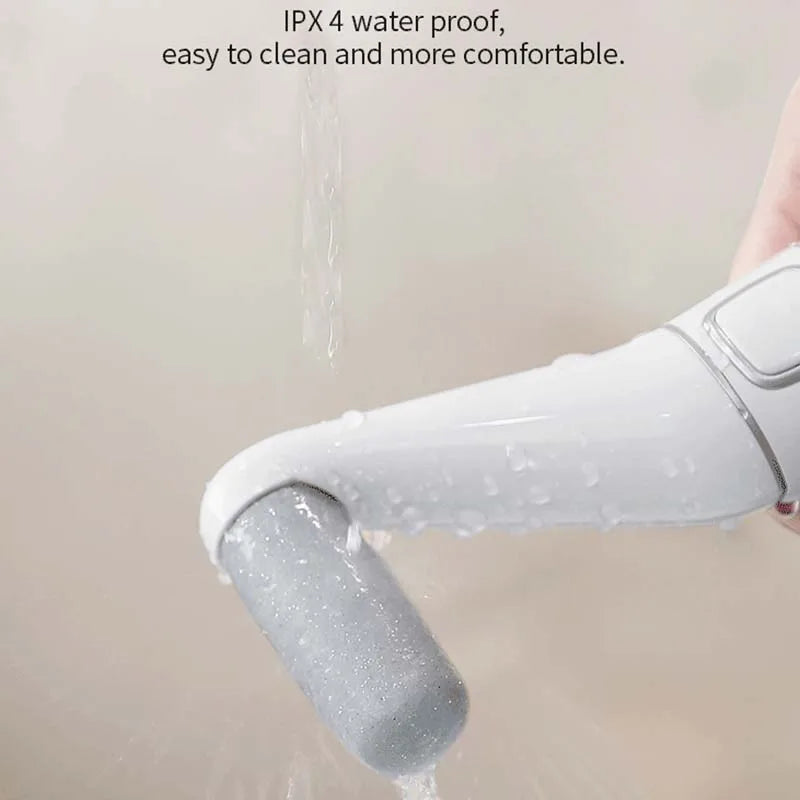
Safe dry foot exfoliation starts with the right technique. See it in action.
Tools You'll Need Before You Start
Having the right supplies makes using a foot file safer, more comfortable, and more effective.
- Manual or electric foot file: Choose based on the thickness of your calluses and your experience level.
- Clean towel: For drying feet and maintaining a firm grip.
- Warm water basin: Useful when soaking feet before filing.
- Rich moisturizer or foot cream: Restores hydration immediately after exfoliation.
- Rubbing alcohol or disinfectant: Clean the file before and after use.
Why Foot Files Can Damage Skin
A foot file removes dead skin, but healthy skin can also be damaged if too much pressure or excessive friction is applied. The goal is to reduce thick calluses—not remove every layer of hardened skin.
- Pressing too hard or filing too frequently
- Removing healthy skin instead of dead skin
- Using excessive force on wet, softened skin
- Neglecting aftercare, leading to dryness and cracking
- Filing over cuts, infections, blisters, or bleeding cracks
Signs to stop immediately: burning, sharp pain, bleeding, persistent redness, or skin that feels raw.
Prepping Your Feet for Safe Filing
Who Should Avoid Foot Filing Without Medical Advice
People with diabetes, poor circulation, peripheral neuropathy, severe eczema, or active foot infections should consult a healthcare professional before attempting home foot filing.
Wash and Inspect Your Feet
Preparation reduces friction and helps you identify areas that should not be filed.
- Soak your feet: Use warm water for 10–15 minutes. Epsom salt is optional but may help soften thick skin.
- Dry lightly: Pat feet until they're dry or only slightly damp, depending on your preferred filing method.
- Inspect carefully: Avoid filing open wounds, deep cracks, inflamed skin, or areas showing signs of infection.
Choose the Right Foot File
Fine-grit manual files work well for maintenance and sensitive skin. Metal foot files remove thicker calluses but require lighter pressure. Electric foot files offer consistent abrasion and are ideal for people with larger areas of hardened skin.
How to Use a Foot File the Right Way
Foot File Wet or Dry — Which Is Best?
The answer depends on both your skin and the type of foot file.
- Wet filing: Best after soaking if you have moderate calluses or sensitive skin.
- Dry filing: Works well for light maintenance or many electric foot files designed for dry use.
Always follow the manufacturer's instructions because some electric foot files are specifically designed for dry skin only.
Step-by-Step Foot Filing Process
- Wash and inspect your feet.
- Choose dry or slightly damp skin based on your foot file.
- Hold the file at a slight angle.
- Use long, gentle strokes over thickened areas only.
- Lift the file between passes instead of scrubbing repeatedly.
- Check progress every few strokes.
- Stop once the skin feels smoother, even if some callus remains.
- Rinse away loose skin, dry thoroughly, and moisturize immediately.
Using a Callus File Safely
A callus file or metal foot file is more abrasive than a standard foot file. Use only light pressure and avoid repeatedly working the same area. One or two passes are often enough before checking your progress.
- Work in one direction whenever possible instead of rapid back-and-forth scrubbing.
- Follow the natural curve of the heel.
- Focus only on rough, thickened skin.
- Avoid soft skin around the toes and arch.
- Limit each session to about 2–3 minutes per foot.
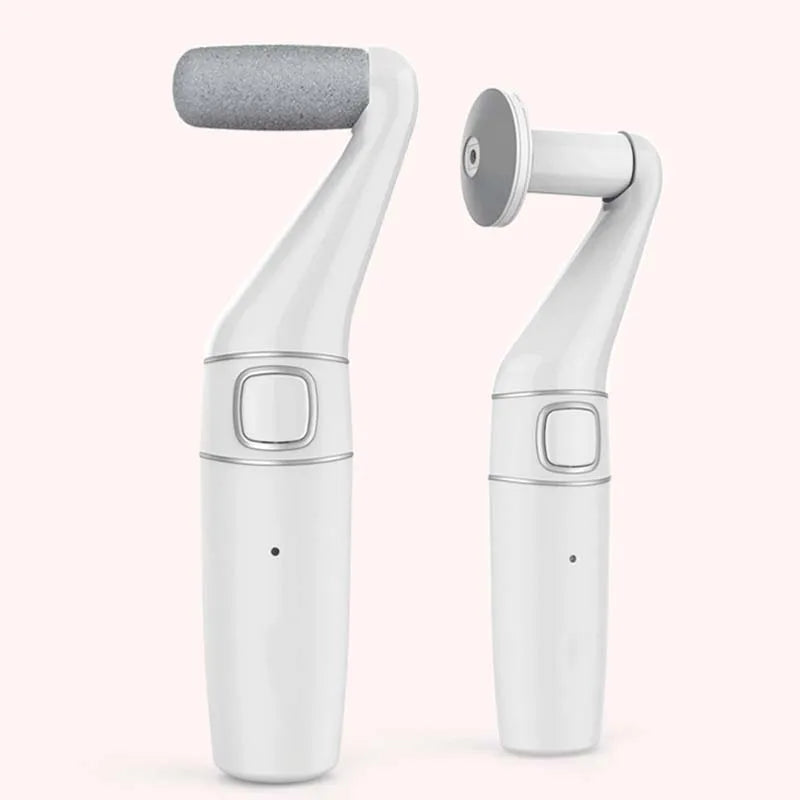
Electric foot file control makes a visible difference. See it in action.
Electric vs Manual Foot Files: Pros and Cons
Both manual and electric foot files can safely remove rough skin when used correctly.
Which Is Better for Beginners?
Beginners often find an electric model easier because the rotating roller provides consistent exfoliation with less effort. Manual files offer excellent control but depend more on user technique.
| Feature | Electric Foot File | Manual Foot File |
|---|---|---|
| Best For | Thick calluses and quick maintenance | Light calluses and sensitive skin |
| Pressure Control | Consistent | User-controlled |
| Learning Curve | Easy | Moderate |
| Maintenance | Replace rollers and clean regularly | Wash, disinfect, and replace when worn |
An electric foot file is ideal for beginners or anyone short on time. Models like the KentDO Electric Foot Callus Remover offer controlled exfoliation that reduces guesswork and strain.
For a complete routine, many users pair foot care with tools from Body Care and Health Devices or finish with grooming essentials from Nail Care Devices .
Common Mistakes That Cause Redness or Pain
- Applying excessive pressure.
- Filing every day instead of weekly maintenance.
- Using worn or dirty foot files.
- Scrubbing aggressively in random directions.
- Ignoring pain, bleeding, or persistent redness.
- Filing thick cracks or infected skin.
Aftercare That Keeps Feet Soft Longer
Moisturizing Routine
Hydration helps maintain your results and reduces the chance of new calluses developing quickly.
- Apply a rich foot cream immediately after filing.
- Wear cotton socks overnight to improve moisture retention.
- Use a hydrating foot mask weekly if your heels become extremely dry.
Maintenance Schedule
Most people only need to file once or twice per week. Moisturize daily and address small rough areas before they become thick calluses.
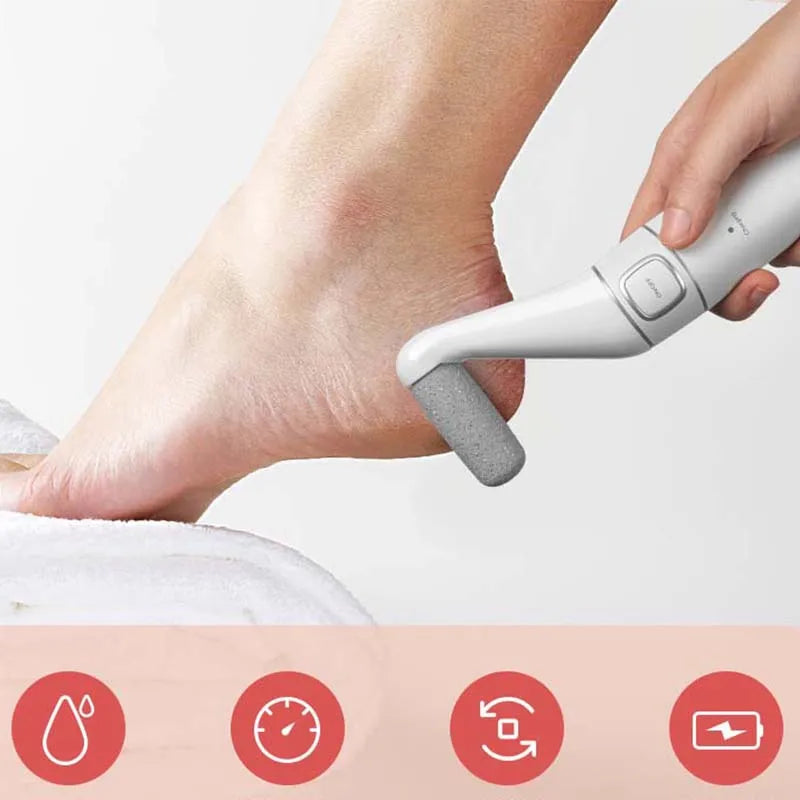
Finish strong for spa-like results. See it in action.
How to Clean and Store a Foot File
Cleaning your foot file helps prevent bacteria buildup and keeps the abrasive surface working effectively.
- Rinse away skin debris immediately after use.
- Wash with warm water and mild soap if appropriate for the tool.
- Disinfect using rubbing alcohol or the manufacturer's recommended cleaner.
- Allow the file to dry completely before storing.
- Replace manual files or electric rollers when the abrasive surface becomes smooth or visibly worn.
Get yours now — limited stock!
When to See a Podiatrist Instead of Filing at Home
Home foot filing is appropriate for routine dry skin and mild calluses, but professional care is safer if you have:
- Diabetes or reduced sensation in your feet
- Poor circulation or peripheral neuropathy
- Deep heel fissures that bleed
- Persistent pain, swelling, or redness
- Signs of fungal or bacterial infection
- Calluses that repeatedly return despite proper home care
Frequently Asked Questions
How often should I use a foot file?
For most people, once or twice a week is enough. Filing more often may irritate the skin and encourage thicker callus formation.
File Feet Wet or Dry — What Experts Recommend
People with sensitive skin generally benefit from filing after soaking, while many electric foot files are designed for dry use. Follow the instructions provided with your specific device.
Can beginners use an electric foot file?
Yes. A quality electric foot file provides consistent exfoliation and often requires less physical effort than a manual file.
How to File Feet with Sensitive Skin
Choose a fine-grit manual file, use very light pressure, and stop as soon as roughness is reduced. Moisturize immediately after every session.
Foot File Uses Beyond Calluses
Foot files can smooth rough heels, reduce dry patches on the soles, and prepare feet for pedicures. They should never be used on open wounds or infected skin.
Should you soak your feet before using a foot file?
Soaking is recommended for manual foot files because it softens thick skin. For electric models, always follow the manufacturer's guidance.
Can you use a foot file on cracked heels?
Only on mild, dry surface cracks. If cracks are deep, painful, or bleeding, avoid filing until they have healed or seek professional care.
How do you use a metal foot file safely?
Use gentle pressure, file only thickened skin, and make slow, controlled passes. Metal files remove skin quickly, so avoid repeated strokes in one area.
Can you over-file your feet?
Yes. Over-filing removes protective skin, causing tenderness, dryness, and sometimes thicker calluses as the skin responds to repeated friction.
How do you know when it's time to replace a foot file?
Replace the file or roller when the abrasive surface becomes smooth, damaged, difficult to clean, or no longer removes dead skin effectively.
Is a foot file better than a pumice stone?
Foot files generally remove thick calluses faster, while pumice stones are better suited for regular maintenance and lighter exfoliation.
Explore more self-care routines in the Beauty & Self-Care Blog or browse complementary tools from Skin and Beauty Care Devices to elevate your at-home pedicure experience.
Related Guide: How to Remove Foot Calluses Safely at Home













