How do you use a foot file without damaging your skin?
Using a foot file safely starts with proper preparation, gentle pressure, and the right technique. Whether you choose a manual or electric foot file, controlled movements help remove roughness while protecting the skin barrier. This approach gives smoother heels without irritation or thinning.
⏱ 6 min read
How to Use a Foot File Without Damaging Skin — Step-by-Step Guide
Rough heels, cracked skin, or stubborn calluses can make even the most polished routine feel incomplete. Many people try harder—scrubbing longer or pressing harder—only to end up with redness or soreness. The issue often lies in how the foot file is used. Here’s a safer, smarter approach to achieve smooth, healthy feet without damage.
👉 Discover a gentler approach to foot care that fits your routine.
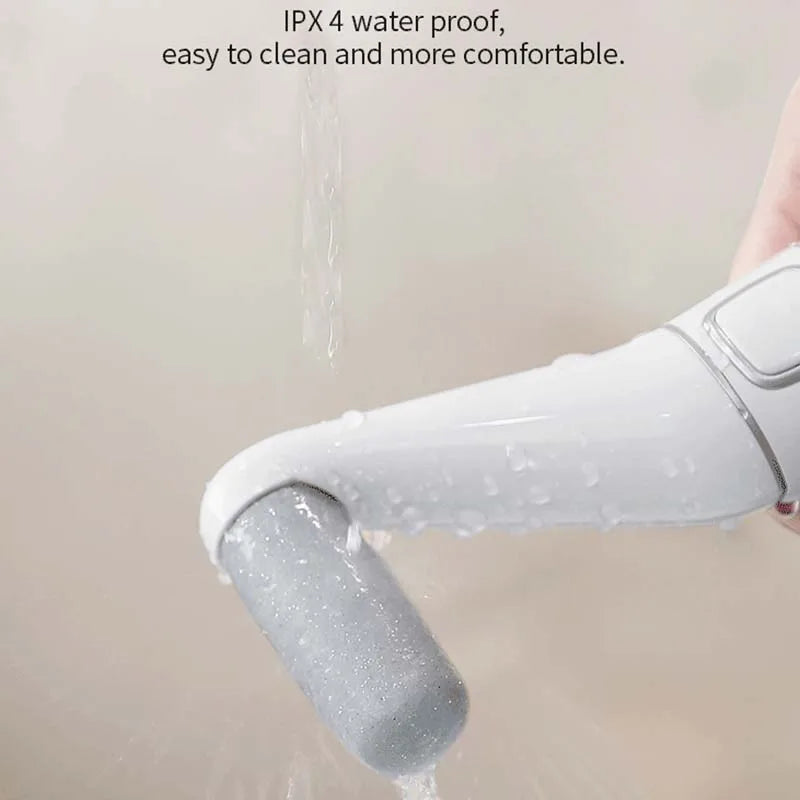
Safe dry foot exfoliation starts with the right technique 💡 See it in action
Why Foot Files Can Damage Skin
- Pressing too hard or filing too frequently
- Exfoliating wet skin aggressively
- Neglecting aftercare, leading to dryness or cracks
- Filing areas with open wounds or infections
Prepping Your Feet for Safe Filing
Before using a foot file, it’s essential to prepare your feet properly. Prepping softens calluses and reduces the risk of irritation or injury.
- Soak your feet: Use warm water for 10–15 minutes. Add Epsom salt for extra softness.
- Dry lightly: Pat feet gently; feet should be damp but not dripping for optimal filing.
- Inspect your skin: Check for cracks, infections, or open wounds. Avoid filing these areas.
How to Use a Foot File the Right Way
Proper foot filing requires patience, light pressure, and awareness. Follow these steps for effective results without irritation.
- Start with clean, dry or lightly damp feet. Dry skin allows better control; damp skin is ideal if you soaked your feet.
- Use light, even pressure. Let the file do the work—avoid forcing it against the skin.
- File in short passes. Lift the tool between strokes instead of grinding one spot.
- Limit sessions. 2–3 minutes per foot is enough for most people.
- Stop at smooth, not raw. Slight texture is normal and protective.
Foot File Wet or Dry — Which Is Best?
Whether to use your foot file wet or dry depends on your foot condition and the type of file:
- Wet filing: Ideal after soaking. Softens skin for smoother, gentle exfoliation.
- Dry filing: Suitable for quick touch-ups on slightly rough areas. Use lighter pressure to avoid irritation.
Tip: Electric foot files generally work better on dry feet, while manual callus files are safer when feet are damp.
Using a Callus File Safely
A callus file is more abrasive and should be used with care:
- Start with a clean, pre-soaked foot.
- Gently glide the file over thickened areas, using light, even strokes.
- Avoid repeated pressure on the same spot to prevent redness or cracks.
- Rinse feet afterward and apply moisturizer to maintain softness.
Correct Filing Technique for Heels and Soles
- Hold the foot file at a slight angle against the skin.
- Use long, smooth strokes rather than short scrubbing motions.
- Focus on callused areas only, avoiding soft skin around toes.
- Check frequently to gauge progress and avoid over-filing.
- Rinse and pat feet dry after finishing each foot.
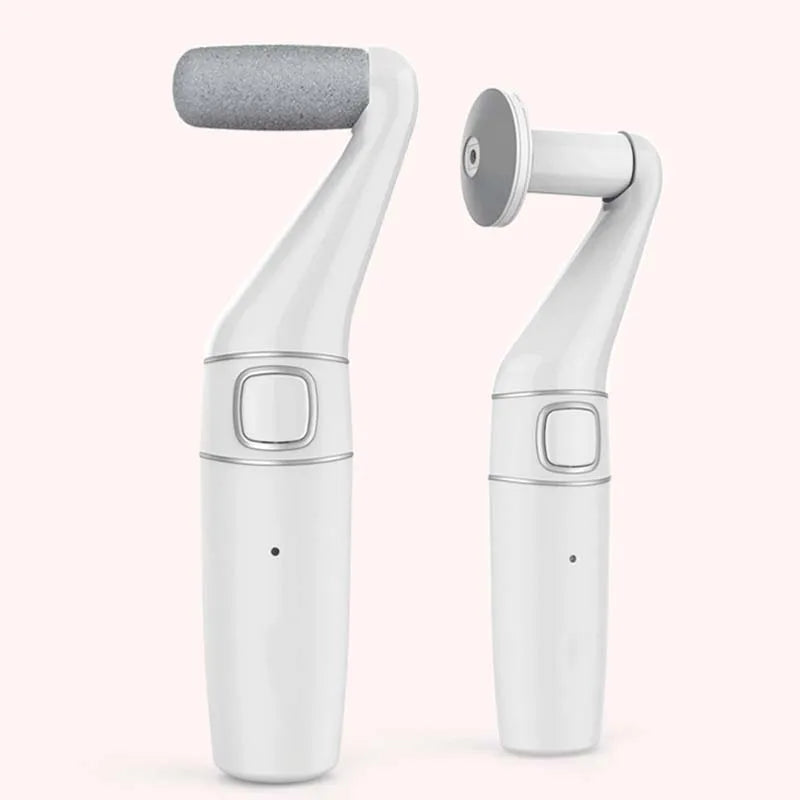
Electric foot file control makes a visible difference 💡 See it in action
Electric vs Manual Foot Files: Pros and Cons
Choosing the right foot file depends on your comfort, foot condition, and desired results.
- Manual foot files: Provide control, ideal for sensitive skin, allow precise pressure adjustment.
- Electric foot files: Faster, efficient for thick calluses, but can over-exfoliate if misused.
Expert tip: Beginners should start with a manual file to master technique, then consider electric for occasional heavy-duty use.
| Feature | Electric Foot File | Manual File |
|---|---|---|
| Pressure Control | Consistent, even | User-dependent |
| Speed | Faster results | Slower, more effort |
| Risk of Over-Filing | Lower with proper use | Higher if pressing hard |
An electric foot file is ideal for beginners or anyone short on time. Models like the KentDO Electric Foot Callus Remover offer controlled exfoliation that reduces guesswork and strain.
For a complete routine, many users pair foot care with tools from Body Care and Health Devices or finish with grooming essentials from Nail Care Devices.
Common Mistakes That Cause Redness or Pain
- Applying too much pressure or filing too frequently
- Using a dry file on thick, hardened skin without soaking
- Neglecting aftercare — not moisturizing afterward
- Filing cracked or infected areas
- Scrubbing in random directions instead of following the natural contour of the foot
Aftercare That Keeps Feet Soft Longer
Exfoliation is only part of the routine. Proper aftercare locks in results and prevents dryness:
- Apply a rich foot cream immediately after filing to restore the skin barrier.
- Wear cotton socks overnight to boost absorption.
- Repeat moisturizing daily to maintain softness.
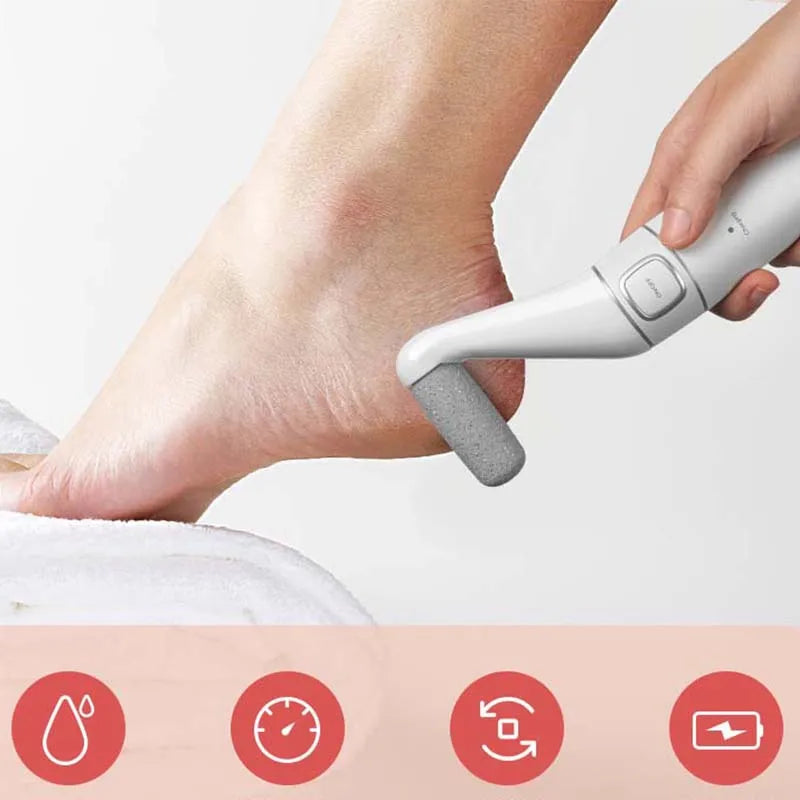
Finish strong for spa-like results 💡 See it in action
👉 Get yours now — limited stock!
Frequently Asked Questions
How often should I use a foot file?
Most people see the best results using a foot file once or twice a week. Overuse can lead to sensitivity and thicker calluses.
File Feet Wet or Dry — What Experts Recommend
For beginners, filing feet slightly damp after soaking is safest. Dry filing is effective for quick touch-ups, but always use light pressure.
Can beginners use an electric foot file?
Yes. An electric foot file with controlled speed is often easier for beginners and helps prevent uneven pressure.
How to File Feet with Sensitive Skin
Use a gentle manual file and always file after soaking. Limit to 1–2 strokes per area and moisturize immediately after.
Foot File Uses Beyond Calluses
Foot files can also smooth rough heels, soften dry skin on soles, and prepare feet for pedicures. Avoid using on open wounds.
Explore more self-care routines in the Beauty & Self-Care Blog or browse complementary tools from Skin and Beauty Care Devices to elevate your at-home pedicure experience.
Related Guide: How to Remove Foot Calluses Safely at Home