

How Do You Wear an Ear Warmer Headband So It Stays Secure?
How to wear ear warmer headband correctly starts with proper placement rather than extra tightness. Position the band low enough to fully cover your ears, keep the front edge just above your eyebrows, and rest the back below the crown of your head. A fleece-lined winter ear warmer provides better grip, blocks cold wind, helps reduce outer ear discomfort, and stays secure during walking, running, or commuting.
⏱ 6 min read
How to Wear an Ear Warmer Headband Comfortably and Securely
Cold wind hitting your ears can feel brutal—especially if your ears are sensitive to low temperatures or you've experienced outer ear pain before. Many people assume a slipping ear warmer means they need a tighter band, but correct positioning, material, and fit matter much more. Once you learn how to wear an ear warmer headband properly, it stays comfortable while keeping icy wind away from your ears.
Which fit mistake is causing your ear warmer to slip? Read on—you might be surprised.
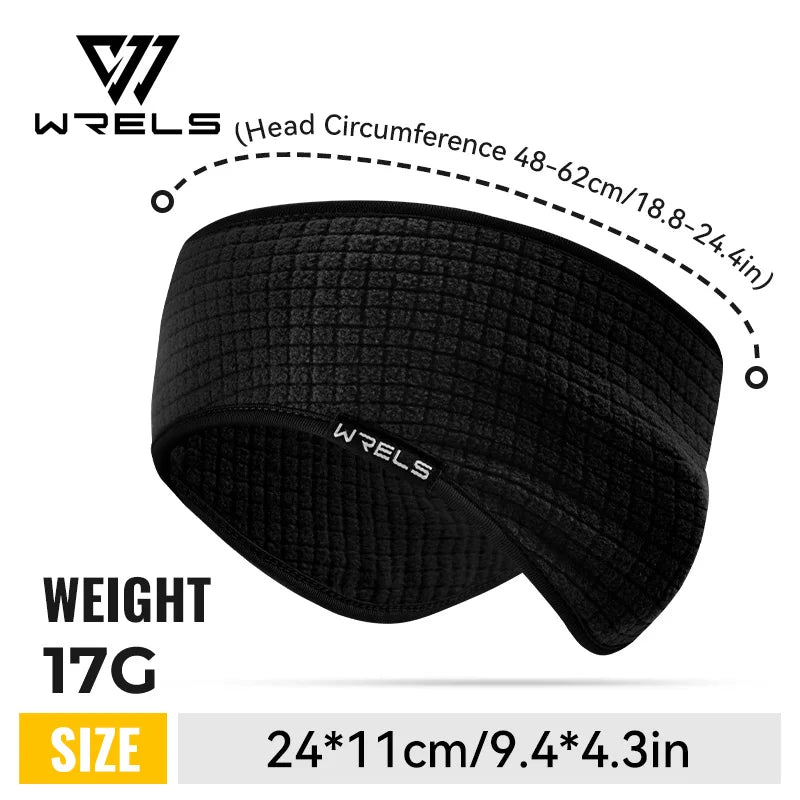
How to wear ear warmer headband for cold weather ear protection — See it in action
Why Ear Warmer Headbands Slip and How to Prevent It
Common Fit Problems
Most slipping problems come from incorrect positioning rather than head size. Wearing the band too high exposes the ears to wind, while placing it directly over smooth hair or bulky hats reduces friction. Bands that have lost elasticity over time also tend to ride upward during movement.
Hair texture, moisture, and fabric choice all affect grip. Fleece and brushed fabrics naturally create more friction than smooth synthetic materials, making them a better option for everyday winter wear.
Ways to Improve Grip During Movement
- Position the band below the crown instead of on top of the head.
- Cover the entire ear rather than only the upper edge.
- Adjust the band before replacing it with a tighter size.
- Choose textured fleece instead of slippery fabrics.
- Reposition after intense exercise if sweat reduces grip.
How Do You Wear an Ear Warmer Headband So It Stays Secure?
Learning how to wear a headband ear warmer correctly improves both warmth and stability. The goal is gentle, even pressure that seals out cold air without squeezing your head.
Step-by-Step Positioning Guide
- Start with dry hair whenever possible.
- Place the band over both ears first.
- Lower the front edge to sit just above your eyebrows.
- Position the rear edge below the crown of your head.
- Smooth the fabric evenly so there are no folds or pressure points.
- Check that both ears remain fully covered while turning your head.
How to Adjust the Fit for Comfort and Warmth
If the band feels loose, lower it slightly before tightening it. If it feels uncomfortable, move it a little higher behind the head while keeping your ears covered. Small adjustments usually provide better warmth than increasing pressure.
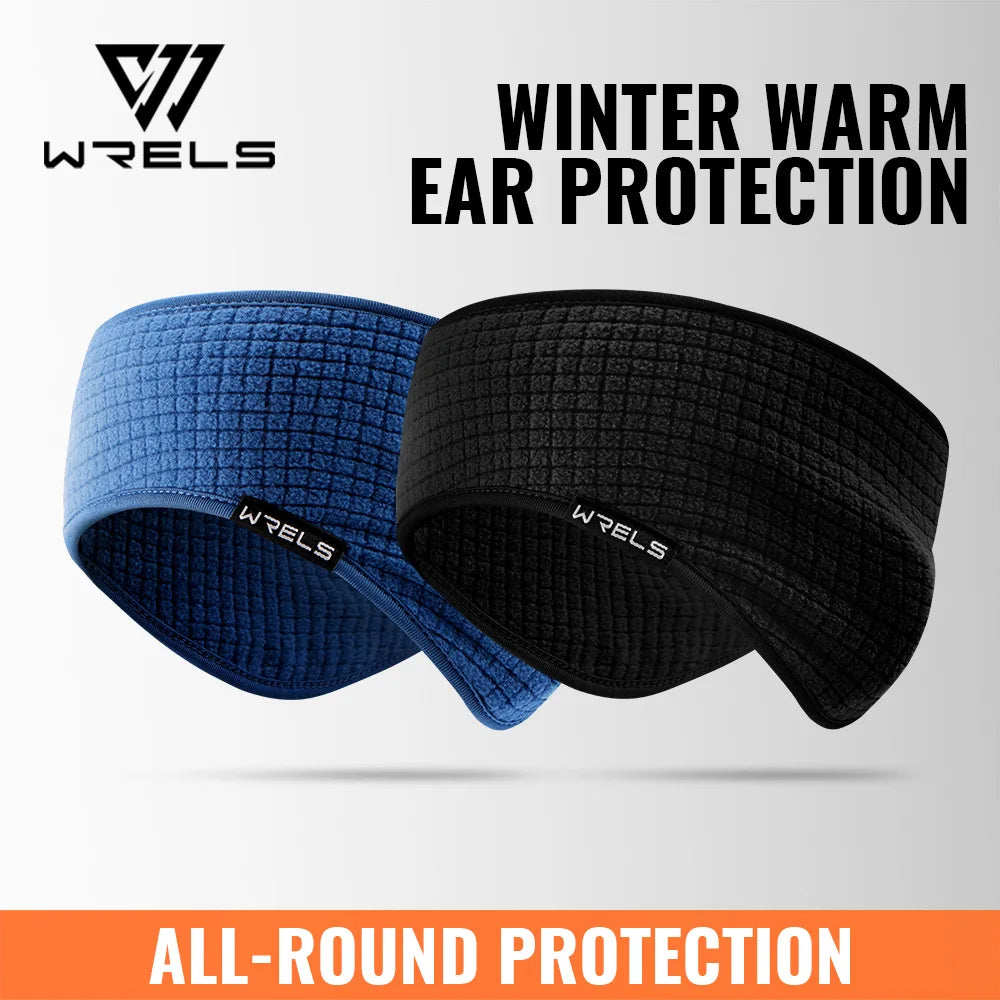
Ear warmer winter headband placement that prevents slipping — See it in action
How to Wear an Ear Warmer With Different Hairstyles
Ponytail and High Bun
Wear the band below a low ponytail or over a high ponytail tie, depending on which feels more secure. Avoid stretching the fabric tightly across bulky hairstyles, as this can cause it to ride upward.
Braids and Long Hair
Long hair can improve grip by creating additional friction beneath the band. Keep braids behind your shoulders or tucked beneath your jacket to reduce pulling during movement.
Short Hair and Loose Styles
Short hairstyles benefit from fleece-lined bands because textured interiors grip better against the scalp. If you're wondering how to keep your ears warm without messing up your hair, position the band naturally rather than pulling it excessively tight.
How to Wear an Ear Warmer for Outdoor Activities
Running and Walking
During moderate exercise, wear the band directly against dry skin and reposition it after heavy sweating. Moisture can reduce grip over time, especially during long runs.
Hiking and Cold Weather Adventures
For hiking, cover the ears completely while leaving the top of the head uncovered when temperatures allow. This helps balance warmth with breathability during changing activity levels.
Cycling, Skiing, and Helmet Use
Choose a low-profile ear warmer that fits comfortably beneath helmets. Position it first, then adjust your helmet to avoid pressure around the ears. Thin fleece bands work particularly well for cycling and skiing.
How to Wear an Ear Warmer With Glasses, Earbuds, Hats, and Hoods
Avoiding Pressure Around Glasses
Slide the glasses temples underneath the band instead of trapping them between your ears and the fabric. This reduces pressure during extended wear.
Using Earbuds Comfortably
Wireless earbuds usually fit comfortably beneath fleece ear warmers. Adjust the band so it supports the earbuds without pressing them deeper into the ear canal.
Layering With Hats and Hoods
Wear the ear warmer first, then add a hood or lightweight hat if additional insulation is needed. Layering this way helps prevent shifting while improving wind protection.
Choosing the Right Ear Warmer for Stability and Comfort
Material Comparison: Fleece, Wool, Knit, and Synthetic Fabrics
| Material | Warmth | Breathability | Grip | Best For |
|---|---|---|---|---|
| Fleece | Excellent | High | Excellent | Daily wear, walking, running |
| Wool | Excellent | Moderate | Good | Very cold weather |
| Knit Acrylic | Good | Moderate | Moderate | Casual winter use |
| Synthetic Performance | Good | Very High | Good | Sports and active wear |
Selecting the Right Fit and Thickness
Look for soft fleece lining, good stretch recovery, flat seams, and enough width to fully cover your ears. Thicker bands provide additional insulation in freezing temperatures, while thinner performance styles suit higher-intensity activities.
If you're building a cold-weather comfort routine, pairing ear protection with wellness tools from Body Care and Health Devices can support overall comfort during winter.
Comfort vs. Tightness: Finding the Right Fit
Signs Your Ear Warmer Is Too Tight
- Headaches after 20–30 minutes.
- Pain around the ears.
- Visible pressure marks.
- Reduced comfort while wearing glasses.
How to Wear It Comfortably All Day
A properly fitted ear warmer should stay in place without creating pressure. It should block wind, maintain circulation, move naturally with your head, and remain breathable throughout the day.
A well-designed winter ear warmers headband adapts to daily movement, making it suitable for commuting, walking, exercising, or spending extended time outdoors.
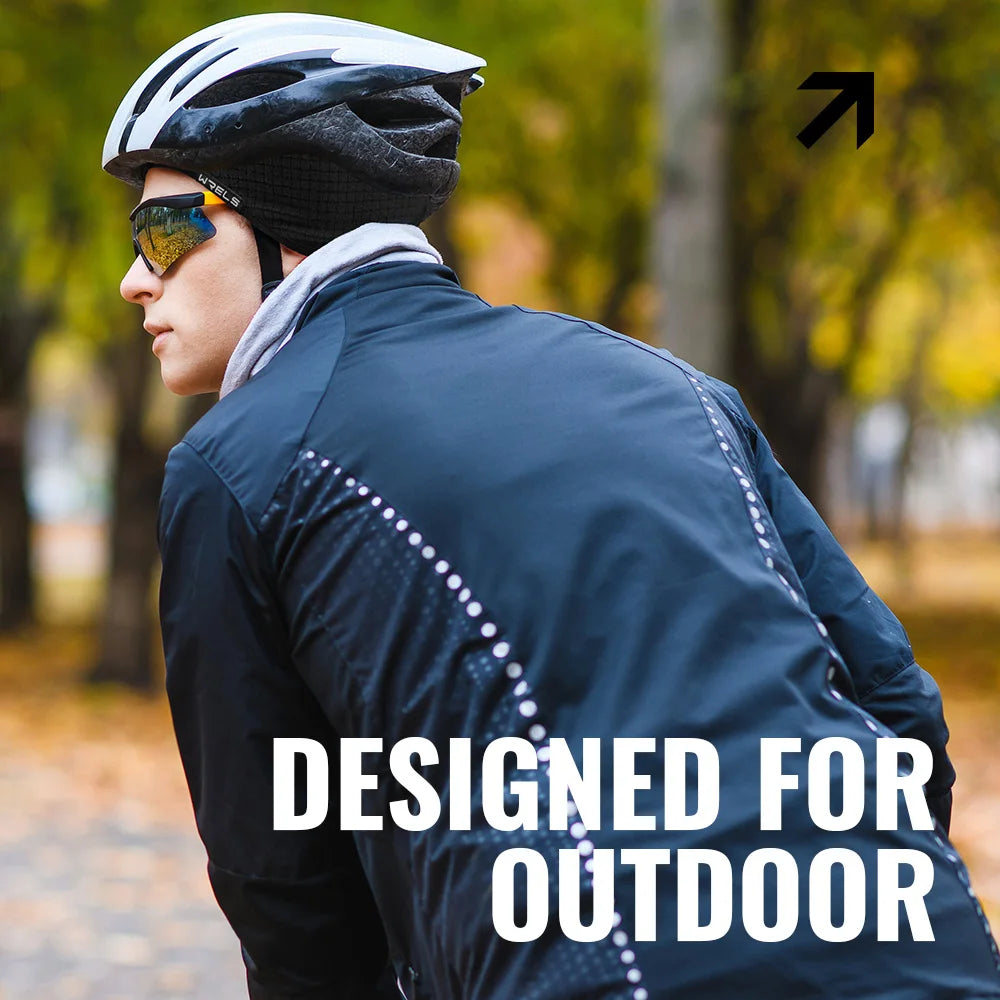
Cold weather ear protection that stays secure — See it in action
Common Ear Warmer Wearing Mistakes to Avoid
Placing the Band Too Low or Too High
Positioning the band above the ears leaves them exposed to cold wind, while wearing it too low can obstruct vision and reduce comfort.
Ignoring Hair and Accessory Interference
Bulky hairstyles, hats, and poorly positioned glasses can gradually push the band upward during daily activities. Small placement adjustments usually solve the problem.
Choosing the Wrong Size or Material
Bands that are either too loose or made from slippery fabrics often require constant readjustment. Fleece-lined designs generally provide the best combination of warmth, stretch, and stability.
Refreshing your winter accessories from the Lifestyle collection can make daily cold exposure more comfortable and predictable.
Seasonal Tips: How to Wear Ear Warmers in Different Weather
Mild Cold Weather
Wear the band slightly higher while keeping your ears covered to improve airflow and avoid overheating.
Freezing Temperatures and Wind
Cover the entire ear and layer with a hood or insulated jacket collar for maximum wind protection during severe weather.
Active vs. Casual Winter Wear
Choose thinner, moisture-wicking fabrics for running and hiking, while thicker fleece models provide greater comfort during commuting or leisurely walks.
How to Care for an Ear Warmer Headband
Washing and Drying Tips
- Follow the manufacturer's care instructions.
- Wash fleece and synthetic fabrics using cold water.
- Avoid high heat when drying.
- Allow the band to air dry whenever possible.
Maintaining Stretch and Shape
Store the ear warmer flat instead of tightly folded. Avoid overstretching it when putting it on or removing it, as this helps preserve elasticity and improves long-term fit.
Mini FAQ
How do you wear an ear warmer headband correctly?
Position it low enough to fully cover your ears, with the front edge just above your eyebrows and the back resting below the crown of your head.
How do you keep an ear warmer from slipping?
Choose the correct size, wear it over dry hair, and use fleece or textured materials that provide better grip.
Can you wear an ear warmer with a ponytail?
Yes. Position the band above or below the ponytail depending on which provides the most comfortable and stable fit.
How do you wear an ear warmer without messing up your hair?
Avoid overtightening the band and adjust it gradually. Fleece-lined styles help stay in place without flattening hair excessively.
Are ear warmers good for running and hiking?
Yes. Lightweight, breathable ear warmers provide warmth while allowing heat to escape more effectively than bulky winter hats.
Can you wear an ear warmer under a helmet?
Low-profile fleece ear warmers fit comfortably beneath most cycling, skiing, and climbing helmets.
Do ear warmers keep ears warm in windy weather?
Yes. When properly positioned, they block cold wind effectively and help reduce discomfort caused by exposed ears.
Related Guide: :contentReference[oaicite:0]{index=0}













