

Ice Roller vs Cryotherapy at Home: Which Cold Therapy Works Better for Muscle Recovery?
Is an Ice Roller as Effective as Cryotherapy at Home?
Quick Answer
An ice roller is highly effective for targeted cold therapy, helping reduce localized inflammation, ease post-workout soreness, and support daily muscle recovery. At-home cryotherapy tools generally deliver colder temperatures across larger treatment areas, making them a better choice for recovering from intense training or treating multiple muscle groups. If your priority is affordability, portability, and convenience, an ice roller is often enough. If you need more intensive recovery after demanding workouts, home cryotherapy systems may provide greater overall cooling.
Key Differences at a Glance
- Ice roller: Best for targeted muscle relief, gentle cooling, facial puffiness, and everyday recovery.
- Cryotherapy tools: Better suited for cooling larger treatment areas and supporting recovery after high-intensity exercise.
- Cost: Ice rollers are budget-friendly, while home cryotherapy equipment typically costs significantly more.
- Convenience: Ice rollers require virtually no setup and are easy to carry, whereas some cryotherapy systems require preparation and additional equipment.
Who This Comparison Is For
This comparison is designed for gym-goers, runners, recreational athletes, and anyone looking for an effective home recovery method. Whether you're deciding between an affordable ice roller or investing in a home cryotherapy device, the sections below explain how each option works, where each performs best, and which one offers the greatest value for your recovery goals.
⏱ 6 min read
Cold therapy remains one of the most widely used recovery techniques for reducing muscle soreness and temporary inflammation after physical activity. However, choosing between an ice roller and at-home cryotherapy isn't always straightforward. While both rely on controlled cold exposure, they differ in cooling intensity, treatment area, convenience, and overall cost. This guide compares their benefits, limitations, and ideal use cases so you can choose the approach that best matches your recovery routine.
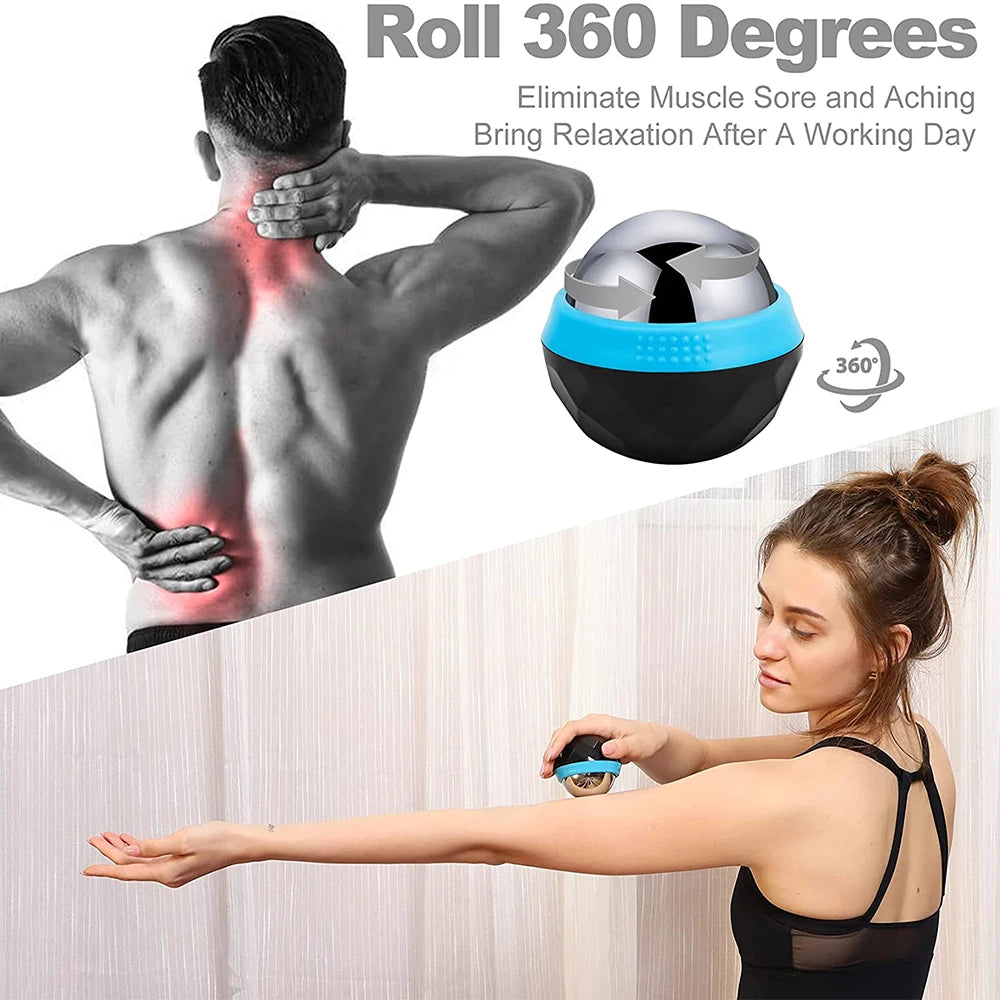
Target muscle recovery with precision — See it in action
How Ice Rollers and At-Home Cryotherapy Work
How Ice Massage Rollers Cool Tissue
An ice massage roller is a handheld cold therapy tool that applies chilled pressure directly to sore muscles, joints, or soft tissue. Rolling the device over a targeted area combines gentle massage with controlled cooling, helping temporarily reduce inflammation, ease discomfort, and support recovery after exercise. Because the cold is localized, users can focus treatment exactly where it's needed without affecting surrounding tissue.
Ice Roller Benefits for Muscles and Inflammation
- Targets localized muscle soreness with controlled cooling.
- Helps temporarily reduce swelling and post-workout inflammation.
- Provides gentle massage that may relieve tightness and minor aches.
- Encourages healthy circulation as tissue gradually rewarms.
- Portable, reusable, and practical for consistent daily recovery.
Many users choose the Ice Massage Roller Ball because it delivers precise cold therapy without electricity, complicated setup, or ongoing maintenance, making it an easy addition to home or travel recovery routines.
What Is At-Home Cryotherapy and How Does It Work?
How Cryotherapy Tools for Home Use Work
At-home cryotherapy uses controlled cold exposure to cool muscles, joints, and soft tissue after physical activity. Unlike a handheld ice roller, these systems are designed to treat larger areas at once and typically include reusable cold packs, ice baths, compression cold therapy wraps, or circulating cold water therapy devices. The goal is to lower tissue temperature efficiently while maintaining consistent cooling throughout the treatment session.
Localized Cooling vs Broader Cold Exposure
Because home cryotherapy devices cover more surface area, they are often preferred for recovering from strenuous training sessions involving large muscle groups such as the legs, back, or shoulders. Ice rollers remain the better choice when precision matters, while broader cold therapy systems are more practical for widespread soreness following intense exercise.
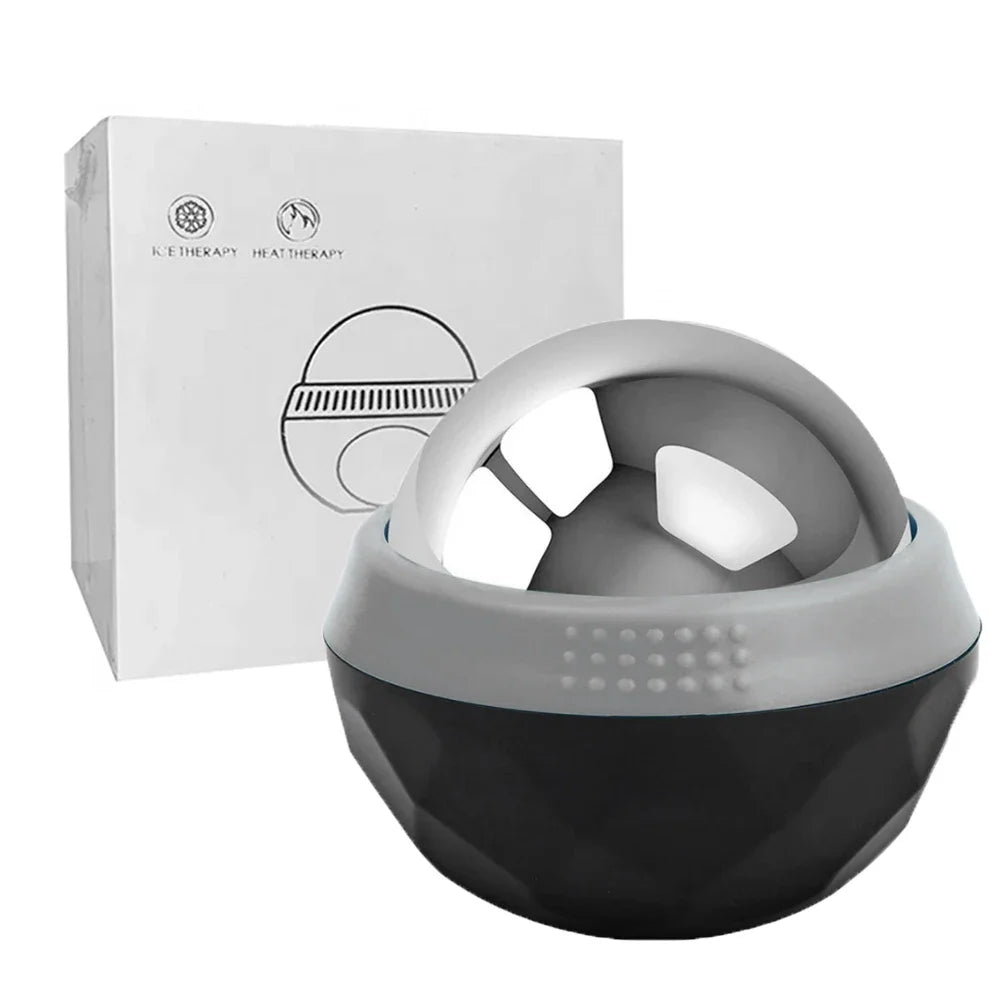
Cold therapy in everyday recovery routines — See it in action
Ice Roller vs Cryotherapy at Home: Side-by-Side Comparison
Effectiveness for Muscle Recovery
When comparing cryotherapy vs ice roller effectiveness, both methods can help reduce post-exercise discomfort, but they serve different purposes. Ice rollers excel at treating specific sore spots, trigger points, or smaller muscle groups. Home cryotherapy systems generally provide more consistent cooling across larger treatment areas, making them well suited for recovery after demanding workouts or sports.
An ice roller for inflammation relief works well when swelling is concentrated around a particular joint, tendon, or muscle. Larger cold therapy systems can be more effective when inflammation affects an entire limb or multiple muscle groups because they deliver uniform cooling over a broader area.
Comfort and Convenience
- Ice roller: Lightweight, portable, reusable, and ready to use after chilling with virtually no setup.
- Cryotherapy tools: May require ice, water circulation, compression components, or additional preparation before each session, but they provide hands-free treatment for larger areas.
Scientific Evidence Summary
Current research on muscle recovery cold therapy suggests that cooling can temporarily reduce pain, swelling, and exercise-related soreness when used appropriately after activity. Evidence does not consistently show that colder or more intensive treatment always produces better long-term recovery. Instead, choosing the appropriate tool depends on treatment area, recovery goals, comfort, and how consistently the method can be incorporated into a recovery routine.
Which Cold Therapy Is Best for Your Needs?
Post-Workout Muscle Recovery
If your workouts regularly leave multiple muscle groups sore, at-home cryotherapy tools generally provide more comprehensive cooling and are better suited for larger treatment areas. For occasional soreness or recovery after moderate exercise, an ice roller offers effective targeted relief with less preparation.
Facial Puffiness and Skincare
Ice rollers are the clear choice for daily facial cooling, helping temporarily reduce puffiness while providing gentle massage around the jawline, cheeks, and forehead. Most home cryotherapy systems are designed for body recovery rather than facial treatments.
Migraine, Pain, and Swelling
For localized discomfort, minor swelling, or trigger-point relief, an ice roller allows precise application exactly where cooling is needed. Broader cryotherapy tools are more appropriate when soreness or inflammation affects larger muscle groups following strenuous activity.
Athletes, Travelers, and Daily Users
- Athletes: Home cryotherapy systems are often the better option for recovering after high-volume training or competition.
- Travelers: Compact ice rollers are lightweight, portable, and easy to pack.
- Daily users: Ice rollers offer an affordable, low-maintenance solution for regular recovery and wellness routines.
Pros and Cons of Ice Rollers vs Cryotherapy Tools
Ice Roller Advantages
- Affordable with minimal ongoing costs.
- Portable and convenient for home, work, or travel.
- Excellent for targeted muscle soreness and localized inflammation.
- Simple to use without electricity or specialized equipment.
- Suitable for frequent use when following recommended treatment times.
Cryotherapy Tool Advantages
- Provides consistent cooling across larger treatment areas.
- Better suited for recovering after intense exercise involving multiple muscle groups.
- Many systems combine cooling with compression for added comfort.
- Hands-free designs can improve convenience during longer recovery sessions.
Key Trade-Offs
The biggest difference comes down to treatment area and convenience. Ice rollers provide excellent value for people who want an inexpensive, portable solution for targeted relief. Cryotherapy tools for home offer broader cooling and may benefit athletes or frequent exercisers, but they typically require a higher upfront investment, more storage space, and additional preparation before each use.
Cold Therapy Safety, Risks, and Contraindications
Safe Treatment Time and Frequency
For most healthy adults, cold therapy sessions should last approximately 10–20 minutes, depending on the treatment area and the manufacturer's instructions. Allow your skin to return to its normal temperature before repeating treatment. Longer sessions do not necessarily improve recovery and may increase the risk of cold-related skin injury.
Frostbite and Cold Injury Prevention
- Never apply frozen devices directly to bare skin for prolonged periods.
- Stop treatment if you experience numbness, severe discomfort, or skin discoloration.
- Follow the recommended usage instructions for your specific recovery device.
- Avoid falling asleep during cold therapy sessions.
Who Should Avoid Cold Therapy
- People with circulation disorders or poor blood flow.
- Individuals with reduced sensation or certain nerve conditions.
- Anyone with cold hypersensitivity or cold intolerance disorders.
- People with open wounds or skin infections should consult a healthcare professional before using cold therapy.
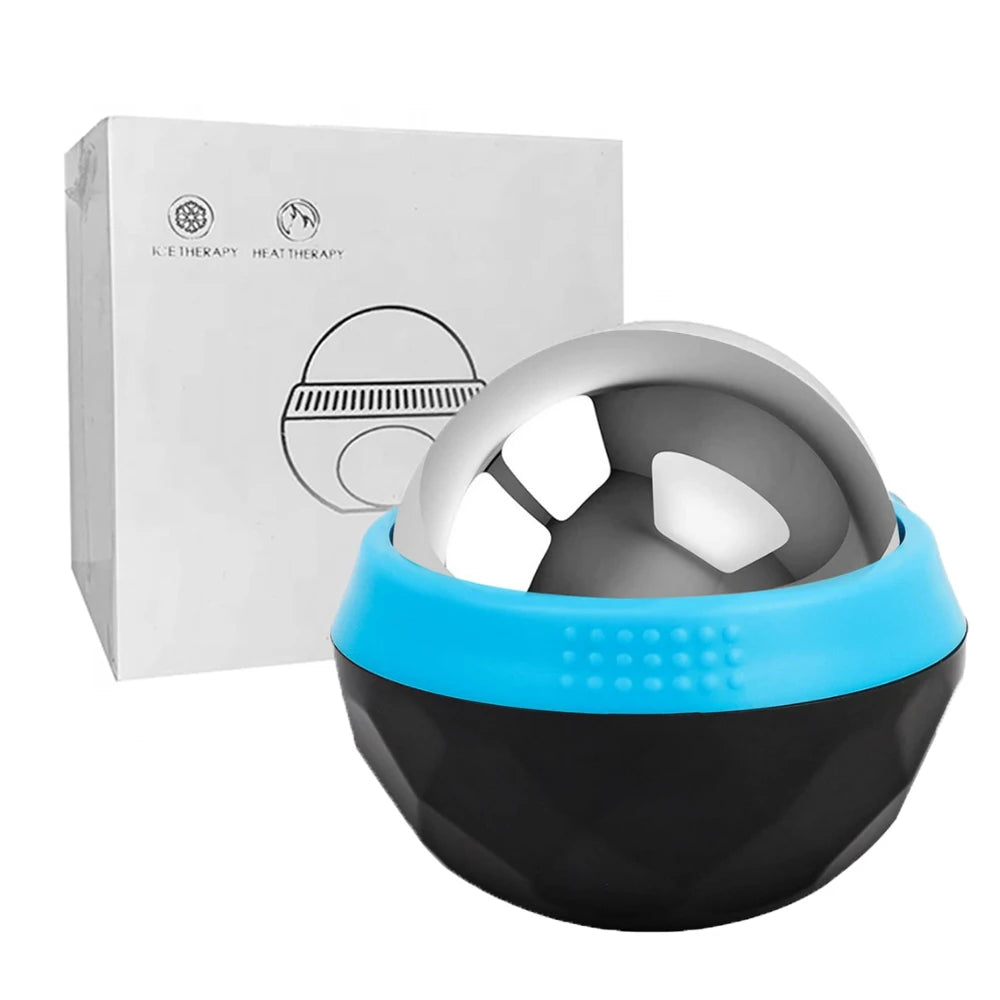
Simple tools for everyday recovery — See it in action
For a broader range of recovery options, explore the Body Care and Health Devices collection to complement your routine.
Final Verdict: Ice Roller or At-Home Cryotherapy?
Choosing between an ice roller vs cryotherapy at home depends on how you plan to use cold therapy. An ice roller is the better fit for targeted muscle soreness, localized inflammation, facial cooling, and anyone looking for an affordable, portable recovery tool that is easy to use every day.
At-home cryotherapy systems are better suited for cooling larger muscle groups after demanding workouts or athletic training, especially when broader coverage is more important than portability. While they require a greater investment and more setup, they can be worthwhile for frequent exercisers with higher recovery demands.
For most people, beginning with an ice roller provides the best balance of effectiveness, convenience, and value. If your training intensity or recovery needs increase over time, you can always upgrade to a more comprehensive home cryotherapy system.
Frequently Asked Questions
Is ice roller as effective as cryotherapy?
An ice roller is highly effective for targeted cold therapy, helping reduce localized soreness, mild inflammation, and muscle tightness. At-home cryotherapy systems generally provide broader cooling for larger muscle groups, making them a better option for more intensive recovery after demanding workouts.
How often should you use cold therapy for muscle recovery?
Most people can use cold therapy once or twice daily when needed, with each session lasting about 10–20 minutes. Allow the treated area to return to its normal temperature before repeating treatment, and always follow the manufacturer's recommendations.
What is the best cold therapy method for muscle soreness?
The best option depends on the size and severity of the sore area. Ice rollers work well for localized muscle discomfort and trigger points, while home cryotherapy devices are more suitable when multiple muscle groups require recovery.
Are cryotherapy tools safe at home?
Yes. Most home cryotherapy devices are safe when used according to their instructions. Avoid exceeding recommended treatment times, monitor your skin during use, and discontinue treatment if you experience excessive numbness, pain, or skin discoloration.
Can an ice roller replace professional cryotherapy?
For many people, yes. An ice roller can provide sufficient relief for everyday muscle soreness, minor inflammation, and routine recovery. However, it does not replicate the intensity or full-body cooling available through professional cryotherapy services.
Which option is better for inflammation relief?
If inflammation is limited to one joint or muscle, an ice roller offers precise, controlled cooling exactly where it is needed. For more widespread soreness affecting larger areas, home cryotherapy systems generally provide more consistent cooling coverage.
Related Guide: Cold Versus Heat Therapy Compared for Faster Muscle Relief













