

Does a non electric massage therapy tool really help improve blood circulation in legs?
A non electric massage therapy tool can help improve blood circulation in legs by encouraging healthy blood flow within muscles, reducing muscle tension, and easing feelings of heaviness after prolonged sitting, standing, or exercise. While massage tools for blood circulation may temporarily improve circulation and support recovery, they do not treat underlying vascular diseases such as peripheral artery disease or deep vein thrombosis. Used for 5–10 minutes daily alongside regular movement, hydration, and exercise, they can be a practical addition to a healthy circulation routine.
What Massage Can and Cannot Do
Massage helps relax tight muscles, stimulate soft tissues, and temporarily increase local blood flow. It may reduce soreness, stiffness, and post-exercise fatigue while supporting flexibility. However, massage should not be considered a replacement for medical treatment when circulation problems are caused by narrowed arteries, blood clots, or chronic vein disorders.
When Massage Is Most Helpful
A non electric massage therapy tool is often most beneficial for people who experience tired or heavy legs after long workdays, frequent travel, workouts, or prolonged inactivity. Combining massage with walking, stretching, and regular movement typically provides better results than relying on massage alone.
Who Should Avoid Massage Until Evaluated
Avoid using massage tools over areas with unexplained swelling, severe pain, suspected blood clots, open wounds, or active infections until evaluated by a healthcare professional. If symptoms develop suddenly or worsen rapidly, seek medical attention rather than self-treating.
What Causes Poor Blood Circulation in Legs?
Poor blood circulation in legs can result from everyday habits that temporarily slow blood flow or from medical conditions affecting arteries and veins. Understanding the cause helps determine whether lifestyle changes are appropriate or whether professional medical evaluation is needed.
Lifestyle Factors
Many healthy people experience temporary circulation slowdowns because of prolonged sitting, standing, dehydration, inactivity, or muscle tightness. These situations reduce the natural pumping action of the calf muscles that helps return blood toward the heart.
- Extended desk work or long-distance travel
- Standing for many hours without movement
- Insufficient hydration
- Limited physical activity
- Tight calf, hamstring, or hip muscles
Peripheral Artery Disease
Peripheral artery disease (PAD) occurs when arteries narrow due to plaque buildup, reducing blood flow to the legs. Symptoms may include leg pain during walking that improves with rest, slow-healing wounds, or consistently cold feet. PAD requires medical diagnosis and treatment.
Chronic Venous Insufficiency
When vein valves weaken, blood can pool in the lower legs instead of returning efficiently to the heart. Chronic venous insufficiency commonly causes swelling, heaviness, aching, and visible varicose veins, especially after standing for long periods.
Deep Vein Thrombosis
Deep vein thrombosis (DVT) is a serious condition caused by a blood clot in a deep vein. Sudden swelling, warmth, redness, or significant pain in one leg should never be treated with massage and requires immediate medical assessment.
Other Medical Conditions
Diabetes, obesity, smoking, heart disease, and certain neurological or vascular disorders can also contribute to poor circulation. Persistent symptoms should always be discussed with a healthcare provider to identify the underlying cause.
Signs of Poor Blood Circulation in Legs
Recognizing the difference between temporary discomfort and symptoms of a medical condition can help you decide when simple lifestyle changes may be enough and when professional care is appropriate.
Early Symptoms
- Cold feet or lower legs
- Tingling or mild numbness
- Muscle fatigue after routine activity
- Swelling around the ankles or calves
- Heavy or tired legs after prolonged sitting or standing
- Muscle cramps or stiffness that improve with movement
Symptoms Requiring Urgent Care
- Persistent or rapidly worsening swelling, especially in one leg
- Skin discoloration or significant temperature changes
- Pain while walking that repeatedly returns with activity
- Slow-healing sores or wounds on the legs or feet
- Sudden severe pain, redness, or warmth in one leg
Who Is at Higher Risk
Older adults, people with diabetes, smokers, individuals with obesity, pregnant women, frequent travelers, and people whose jobs require prolonged sitting or standing have a greater likelihood of developing circulation problems. These groups benefit from regular movement, healthy lifestyle habits, and prompt medical evaluation if symptoms persist.
⏱ 7 min read
Improve Blood Circulation in Legs: Causes, Symptoms, and Best Ways for Daily Relief
Healthy circulation keeps oxygen and nutrients moving to your muscles while helping remove metabolic waste. Yet modern lifestyles often involve hours of sitting, standing, commuting, or intense exercise that leave your legs feeling heavy, stiff, or fatigued. This guide explains how to improve blood circulation in legs naturally, when massage tools for blood circulation may help, and which symptoms require medical attention so you can choose the right approach with confidence.
Which leg relief solution fits your lifestyle—desk days, gym days, or travel days? Read on to find out.
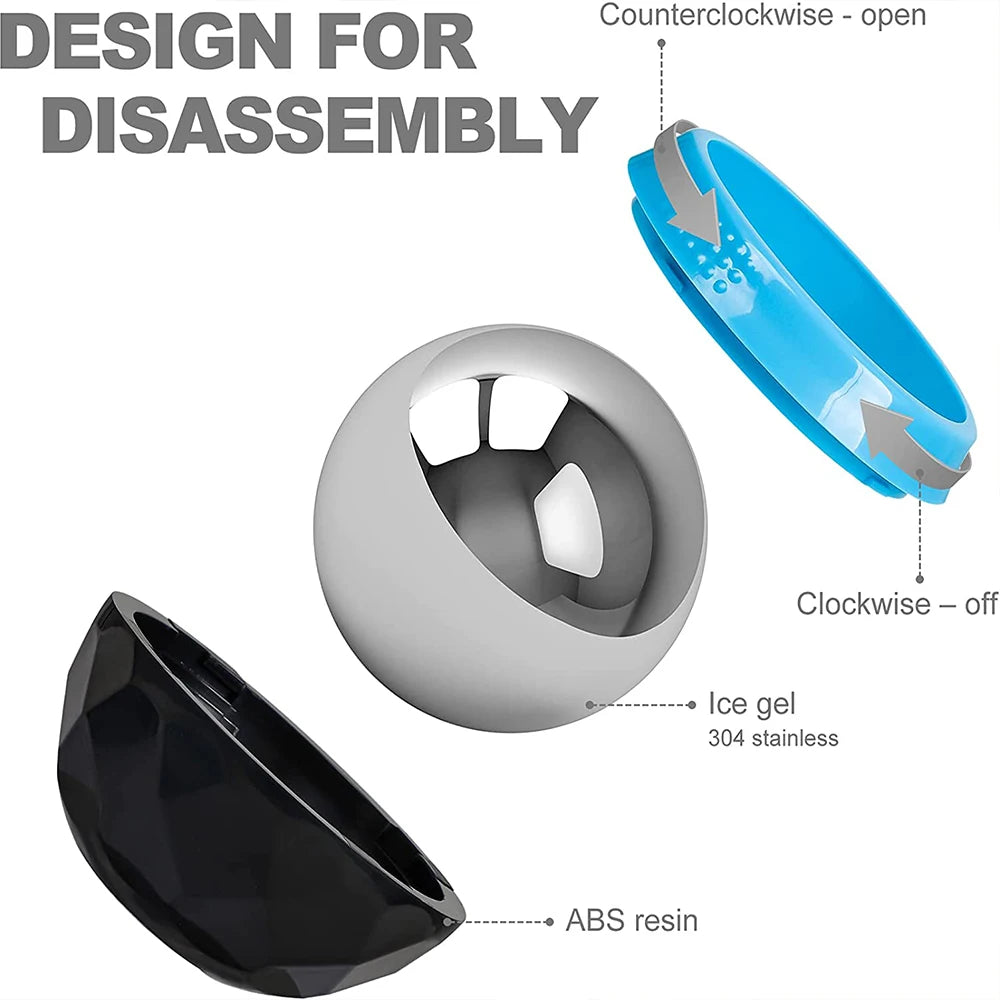
Improve blood circulation in legs with a deep tissue muscle recovery tool — See it in action.
How to Improve Blood Circulation in Legs Naturally
If you're wondering how to improve blood circulation in legs, the most effective approach combines regular movement, healthy lifestyle habits, and supportive recovery techniques. Consistency matters more than intensity, and even small daily changes can help improve leg circulation at home.
Walking Progression
Walking is one of the simplest ways to increase blood circulation in legs naturally because each step activates the calf muscles, which help move blood back toward the heart.
- Begin with 10–15 minutes of walking daily.
- Gradually increase to 30 minutes on most days of the week.
- If you sit for long periods, take a 2–5 minute walk every hour.
Calf Activation Exercises
Strengthening and activating the calf muscles supports healthy circulation throughout the lower legs.
- Perform calf raises for 10–15 repetitions.
- Practice ankle pumps during travel or desk work.
- Try heel-to-toe rocking to encourage continuous muscle pumping.
Stretching and Mobility
Gentle stretching helps reduce muscle tightness that can contribute to feelings of stiffness or heaviness. Focus on the calves, hamstrings, hip flexors, and ankles, especially after exercise or prolonged sitting.
Leg Elevation and Movement Breaks
Elevating your legs above heart level for 10–15 minutes may help reduce temporary swelling after standing or walking for long periods. Pair this with regular movement breaks every 30–60 minutes to avoid prolonged inactivity.
Hydration, Nutrition, and Smoking Cessation
Proper hydration supports normal blood volume, while a balanced diet rich in fruits, vegetables, whole grains, and healthy fats supports cardiovascular health. If you smoke, quitting is one of the most important long-term steps for protecting blood vessels and circulation.
Compression Garments
Compression socks may reduce leg fatigue and swelling for people who stand, travel, or sit for extended periods. They are particularly useful when recommended by a healthcare professional for vein-related conditions.
Massage and Recovery
Massage tools for blood circulation can complement an active lifestyle by helping relax tight muscles and temporarily increasing local circulation. They work best alongside regular exercise, stretching, and movement rather than as a standalone solution.
Best Tools for Improving Leg Circulation at Home
The best tools for leg circulation are those that encourage regular use, match your activity level, and support muscle recovery without replacing healthy movement habits or medical care when needed.
Massage Balls and Rollers
Handheld massage balls and rollers help release muscle tightness in the calves, hamstrings, quadriceps, and feet. They allow you to control pressure while targeting areas that commonly feel sore after work, exercise, or travel.
Compression Products
Compression socks and sleeves provide gentle external pressure that can help reduce temporary swelling and support venous return during long periods of standing, sitting, or flying.
Recovery Tools
Ice Massage Roller Ball combines cooling therapy with smooth rolling massage, making it a convenient recovery tool for easing muscle soreness and supporting post-activity recovery.
- Provides cooling relief after exercise
- Helps reduce muscle soreness and tension
- Encourages gentle soft tissue massage
- Portable for use at home, work, or while traveling
Choosing the Right Tool
When selecting tools for improving leg circulation, consider your primary goal. Massage rollers are useful for muscle tightness, compression products help manage temporary swelling, and cooling recovery tools may be beneficial after intense physical activity. Choose products that are easy to use consistently and always follow manufacturer instructions.
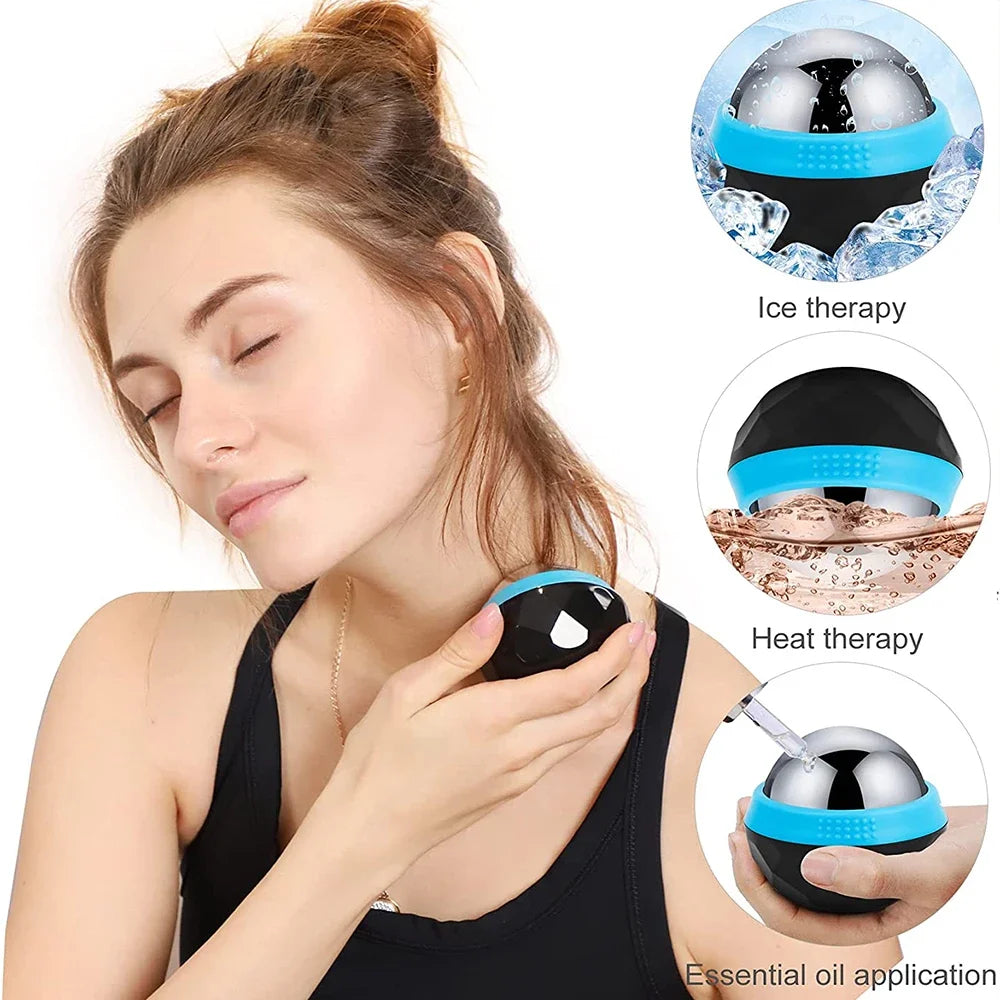
Deep tissue muscle recovery tool for daily leg relief — See it in action.
How a Deep Tissue Muscle Recovery Tool Supports Muscle Recovery
A deep tissue muscle recovery tool complements exercise and mobility work by helping reduce muscle tightness, easing post-workout discomfort, and temporarily increasing circulation within treated muscles. While it does not heal injuries or treat vascular conditions, regular use may improve comfort and range of motion as part of a balanced recovery routine.
Recovery After Exercise
Rolling sore muscles after training may help reduce feelings of stiffness and support recovery between workouts. Focus on large muscle groups using slow, controlled pressure rather than aggressive force.
- Calves and Achilles region after walking or running
- Hamstrings and quadriceps following strength training
- IT band and surrounding muscles after cycling or hiking
- Foot arches after prolonged standing or athletic activity
Improving Mobility
Combining self-massage with stretching can improve flexibility and prepare muscles for movement. Using a recovery tool before activity may help loosen tight tissues, while post-exercise use can promote relaxation.
Safe Application
Apply light to moderate pressure for 30–60 seconds per muscle group. Avoid rolling directly over joints, bones, bruises, open wounds, or areas of unexplained swelling. Stop if pain increases instead of improving.
| Feature | Benefit |
|---|---|
| Stainless steel cooling ball | Provides cooling comfort after exercise and supports muscle recovery |
| Ergonomic grip | Allows controlled self-massage with less hand fatigue |
| 360° rotation | Creates smooth rolling across larger muscle groups |
| Portable size | Convenient for home, work, travel, or the gym |
5-Minute Daily Routine to Boost Circulation in Legs Fast
If you're looking for how to boost circulation in legs fast, a short routine performed consistently throughout the week is often more effective than occasional longer sessions.
Morning Routine
- Warm up for 1 minute by marching in place or walking around the room.
- Perform 20 ankle pumps on each foot to activate the calf muscle pump.
- Complete 10–15 calf raises while holding a stable surface if needed.
Desk-Break Routine
- Stand and walk for 2–3 minutes every 30–60 minutes during prolonged sitting.
- Roll calves or foot arches with a recovery tool for 30–60 seconds per side if muscles feel tight.
Evening Recovery
- Stretch the calves, hamstrings, and hip flexors for several slow breaths.
- Elevate your legs for 10–15 minutes if you notice temporary swelling or heaviness after the day.
Best Exercises to Improve Blood Circulation in Legs
These beginner-friendly exercises activate the calf muscles, improve joint mobility, and are among the most effective ways to increase blood circulation in legs naturally.
Ankle Pumps
Point your toes away from your body and then pull them back toward your shins. Repeat 15–20 times on each foot while sitting or lying down. This exercise is particularly useful during travel or desk work.
Calf Raises
Stand with your feet hip-width apart and slowly rise onto your toes before lowering your heels. Perform 10–15 repetitions for two or three sets to strengthen the muscles that support venous return.
Walking Intervals
Alternate two to three minutes of brisk walking with one minute of comfortable walking for 15–30 minutes. This progression supports cardiovascular fitness while encouraging healthy leg circulation.
Heel-to-Toe Rocking
Shift your weight from your heels to your toes in a slow, controlled motion. This simple movement activates the lower leg muscles and is easy to perform while standing at work.
Seated Mobility
While seated, extend one leg at a time, hold briefly, then lower slowly. Combine leg extensions with gentle ankle circles to encourage movement during prolonged sitting.
For full-body recovery routines, explore complementary wellness tools in Body Care and Health Devices and relaxing lifestyle essentials from Lifestyle .
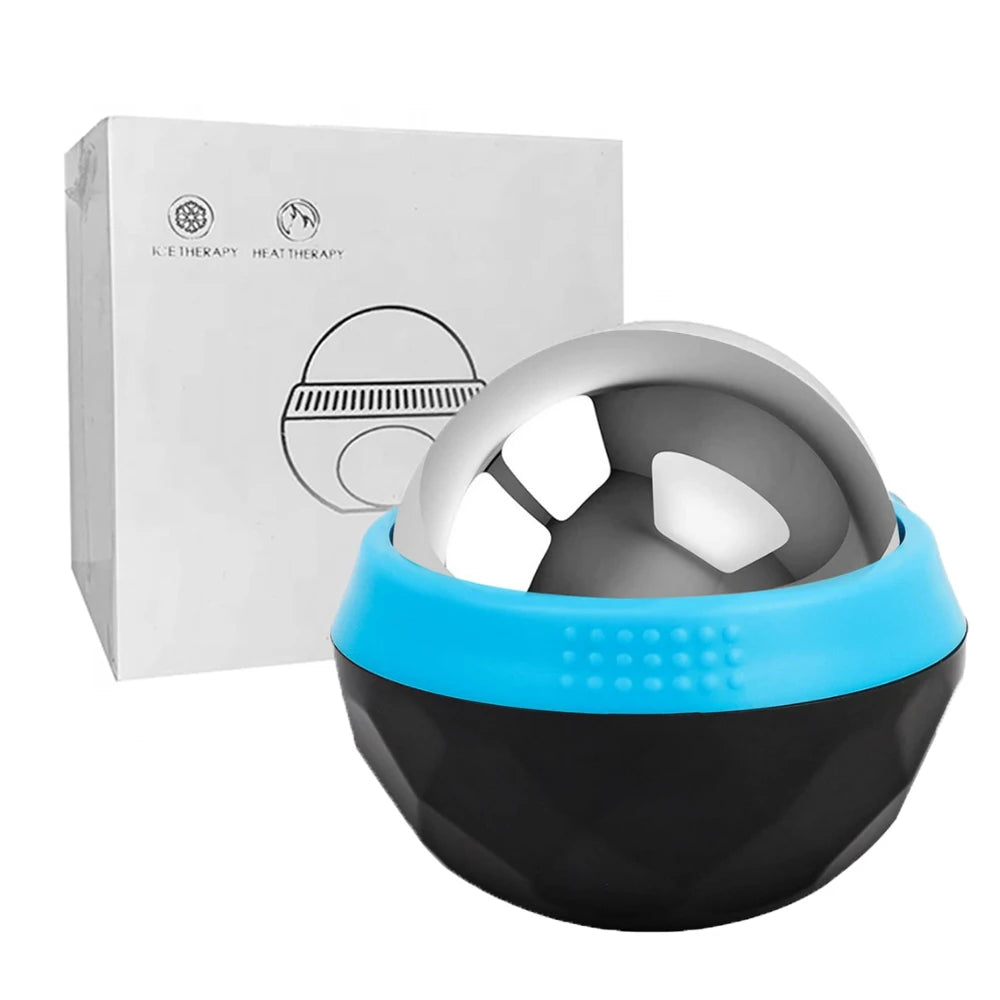
Non electric massage therapy tool for daily leg circulation — See it in action.
Who Is Most Likely to Experience Poor Leg Circulation?
Anyone can experience tired or heavy legs after prolonged inactivity, but some groups have a greater likelihood of developing circulation problems or vein-related conditions. Recognizing these risk factors allows you to take preventive steps and know when medical evaluation is appropriate.
Older Adults
As people age, blood vessels naturally become less flexible and physical activity often decreases. Maintaining regular walking, strength exercises, and mobility work can help support healthy circulation and preserve independence.
People with Diabetes
Diabetes can affect both blood vessels and nerves, increasing the risk of circulation problems in the feet and legs. Routine foot care, blood sugar management, and regular medical checkups are essential for reducing complications.
Sedentary Workers
Office employees, drivers, and anyone who spends long hours sitting may experience temporary swelling, stiffness, and leg fatigue. Standing, stretching, or walking for a few minutes every 30–60 minutes helps keep the calf muscles active.
Pregnancy and Obesity
Pregnancy and excess body weight place additional pressure on the veins of the lower body, making swelling and heaviness more common. Regular movement, appropriate exercise, and following healthcare guidance can help support circulation during these periods.
Ice Massage Roller Ball — Shop Now
When to See a Doctor for Poor Leg Circulation
While occasional tired legs often improve with movement and healthy habits, persistent or severe symptoms should be evaluated to rule out underlying vascular or medical conditions.
Emergency Symptoms
- Sudden swelling in one leg
- Severe leg pain, warmth, or redness
- Cold, pale, or bluish skin accompanied by significant pain
- Chest pain or shortness of breath occurring with leg symptoms
These symptoms require immediate medical attention because they may indicate a serious circulation problem.
Persistent Symptoms
- Swelling that does not improve with rest
- Recurring pain while walking
- Ongoing numbness or weakness
- Skin discoloration or slow-healing wounds
- Symptoms that continue despite lifestyle changes
Diagnostic Tests
Depending on your symptoms, a healthcare provider may recommend tests such as an ankle-brachial index (ABI), Doppler ultrasound, blood tests, or vascular imaging to identify the cause of reduced circulation and determine the most appropriate treatment plan.
Prevention Tips to Maintain Healthy Leg Circulation
Building consistent daily habits is one of the most effective ways to increase blood circulation in legs naturally. Small lifestyle changes performed regularly can help reduce stiffness, support muscle recovery, and promote long-term vascular health.
Daily Movement Goals
- Walk or perform light activity for at least 30 minutes most days.
- Stand up and move every 30–60 minutes if you have a desk job.
- Include ankle pumps or calf raises during long periods of sitting or travel.
- Stretch your calves and hamstrings after exercise.
Healthy Weight
Maintaining a healthy body weight reduces stress on the veins and arteries of the lower limbs. Pair regular physical activity with a balanced diet rich in vegetables, fruit, whole grains, lean protein, and healthy fats to support cardiovascular health.
Foot Care
Healthy feet contribute to healthy movement. Wear supportive footwear, inspect your feet regularly if you have diabetes, and address blisters, cuts, or persistent swelling promptly to reduce the risk of complications.
Long-Term Habits
- Stay well hydrated throughout the day.
- Avoid smoking to protect blood vessel health.
- Use massage and recovery tools as part of an overall exercise routine rather than a replacement for movement.
- Elevate your legs after long periods of standing when needed.
- Keep regular medical appointments if you have diabetes, vascular disease, or other circulation-related conditions.
Frequently Asked Questions
How long does it take to improve blood circulation in the legs?
Many people notice less stiffness and heaviness within a few days or weeks of consistently walking, stretching, and taking regular movement breaks. Improvements related to underlying medical conditions depend on the cause and appropriate treatment.
Can walking reverse poor leg circulation?
Walking improves calf muscle function and supports healthy blood flow. It can reduce symptoms caused by inactivity but cannot reverse medical conditions such as peripheral artery disease without appropriate medical care.
What is the fastest way to improve circulation in the legs at home?
A short walk, ankle pumps, calf raises, gentle stretching, and elevating your legs may help relieve temporary heaviness. These methods work best when practiced consistently.
Can massage improve blood circulation in the legs?
Massage can temporarily increase local blood flow, reduce muscle tension, and support recovery. It should be viewed as a complementary therapy rather than a treatment for vascular disease.
Do compression socks improve circulation or just reduce swelling?
Compression socks primarily support venous return and help reduce swelling and leg fatigue. They may improve comfort for many people but should be selected according to individual needs and medical advice when appropriate.
When is poor circulation a medical emergency?
Seek immediate medical care if you experience sudden swelling in one leg, severe pain, redness, warmth, a cold or blue foot, or chest pain and shortness of breath accompanying leg symptoms.
Can diabetes cause poor circulation in the legs?
Yes. Diabetes can damage blood vessels and nerves, increasing the risk of circulation problems. Good blood sugar control, regular exercise, and routine foot care help reduce complications.
Which exercises activate the calf muscle pump best?
Ankle pumps, calf raises, heel-to-toe rocking, brisk walking, and regular movement breaks are among the most effective exercises for activating the calf muscle pump and supporting healthy circulation.
Explore more recovery and wellness inspiration from Body & Face Blog and Beauty & Self-Care Blog .
Related Guide: Muscle Soreness After Exercise Which Recovery Tool Fits You













