

Does a Posture Exercise Routine Really Work for Desk Workers?
Yes. A consistent posture exercise routine can help desk workers improve mobility, strengthen postural muscles, and reduce the stiffness associated with prolonged sitting. The most effective approach combines daily posture exercises with regular movement breaks and an ergonomic workstation. A practical routine of 5–10 minutes per day can improve posture at your desk over time, although results vary depending on consistency, strength, mobility, and the underlying cause of discomfort.
Posture Exercises for Desk Workers: A 10-Minute Daily Routine That Actually Works
Long hours at a desk can gradually make slouching feel normal. Your head may drift forward, shoulders may round inward, the upper back can become stiff, and the hips may feel tight after sitting for hours. If you have tried stretching once or twice without lasting change, the problem may be that posture improvement requires more than one exercise. A better strategy combines mobility, muscle activation, strengthening, and regular movement throughout the workday.
This guide explains how posture exercises for desk workers work, how to assess your current posture, and how to follow a simple 10-minute daily routine that fits around a desk job.
⏱ 7 min read
Improve posture exercise at your desk can reset alignment daily — See it in action
Quick Posture Assessment Checklist Before You Start
Before beginning posture exercises for desk workers, take a quick baseline assessment. You do not need to force yourself into a rigid “perfect” position. Instead, observe how your body naturally sits and stands so you can identify the areas that need attention.
- Head and neck: Does your head sit noticeably in front of your shoulders when viewed from the side?
- Shoulders: Do your shoulders round forward or feel uneven?
- Upper back: Does your upper back feel stiff when you try to sit or stand taller?
- Hips: Do your hips feel tight after sitting for long periods?
- Spine: Do you tend to collapse into a slouched position or overarch your lower back when trying to sit upright?
- Movement: Can you comfortably turn your neck, rotate your upper back, and stand up after sitting?
Use this checklist as a starting point rather than a diagnosis. The goal is to notice patterns and track whether your mobility, strength, comfort, and posture awareness improve with consistent practice.
Why Desk Workers Develop Poor Posture (And How to Reverse It)
Prolonged sitting does not automatically create one specific “bad posture.” However, staying in the same position for long periods can reduce movement variety, increase stiffness, and make certain muscles work less than they would during regular activity. Over time, these habits can make slouching, forward-head positioning, and rounded shoulders feel easier than maintaining a more balanced position.
How Sitting Affects the Neck and Shoulders
Desk work often involves looking at a screen and reaching toward a keyboard or mouse. When this position is maintained for hours, the neck and shoulder muscles may become fatigued or stiff. Forward-head positioning can also increase the demand placed on the muscles that support the head.
Posture correction exercises for office workers should therefore include gentle neck mobility, upper-back movement, and exercises that improve awareness of the head and shoulder position.
Why the Upper Back and Hips Become Tight
The upper back can become less mobile when it remains in a rounded sitting position for much of the day. At the same time, the hips stay flexed while sitting, which can make standing, walking, or fully extending the hips feel stiff after long work sessions.
This is why a complete approach to how to improve posture sitting all day should not focus only on the shoulders. The neck, upper back, hips, core, and lower body all contribute to how comfortably you maintain different positions.
Mobility vs Strength for Lasting Posture Correction
Mobility and strength serve different purposes. Mobility exercises can help you move through a more comfortable range of motion, while strengthening exercises help your muscles support that movement. Stretching alone may provide temporary relief, but strengthening alone may be difficult if stiff areas limit comfortable movement.
The most practical strategy is to combine mobility work for areas that feel restricted, strengthening for muscles that need more support, and frequent movement habits that prevent prolonged static positions.
Warm Up Before Your Posture Routine
A short warm-up can prepare your body for desk posture exercises by increasing movement gradually and helping you avoid forcing stiff joints or muscles. You do not need an intense cardio session before a 10-minute posture routine.
Spend about two minutes on gentle movements such as:
- Easy marching in place
- Gentle shoulder rolls
- Slow arm swings
- Comfortable neck turns
- Light standing trunk rotations
Keep the movements controlled and comfortable. A warm-up should prepare you for exercise, not create pain or fatigue before the main routine begins.
The 3-Step Formula to Improve Posture at Your Desk
The most effective desk posture exercises follow a simple sequence: first restore comfortable movement, then activate and strengthen the muscles that support posture, and finally reinforce those improvements through daily habits.
1. Reset (Mobility & Stretching)
Begin by moving areas that become stiff during prolonged sitting, such as the neck, upper back, chest, and hips. Gentle mobility work can make it easier to move into a more comfortable position without forcing your body into a rigid posture.
2. Activate (Strength & Stability)
Next, activate muscles that help support upright movement, including the upper back, shoulder stabilizers, and core. Controlled exercises are generally more useful than simply trying to hold yourself rigidly upright all day.
3. Reinforce (Daily Habits & Ergonomics)
Finally, reinforce the benefits by changing the conditions that contribute to prolonged slouching. Adjust your screen and keyboard position, vary your posture, and take regular movement breaks.
This sequence helps balance stretching and strengthening while making posture improvement more sustainable. The goal is not to maintain one perfect position for eight hours. The goal is to build the strength, mobility, and movement habits that allow you to change positions comfortably throughout the day.
Your 10-Minute Daily Posture Routine for Desk Workers
This daily posture routine for a desk job moves from gentle preparation to mobility, strengthening, and posture reinforcement. Perform the movements slowly and stay within a comfortable range. Stop or modify an exercise if it causes sharp, worsening, or unusual pain.
Minute 0–2: Warm-Up
- March in place: Move gently for 30–45 seconds.
- Shoulder rolls: Roll your shoulders slowly backward for 10 repetitions.
- Gentle neck turns: Turn your head comfortably from side to side for 5 repetitions per side.
The goal is to increase movement gradually rather than stretch aggressively.
Minute 2–5: Mobility Exercises
- Chin tucks: Gently draw your head backward without looking up. Perform 8–10 repetitions.
- Upper-back extensions: Sit or stand tall and gently extend through the upper back for 8–10 repetitions.
- Chest opener: Move your arms gently backward or open them to a comfortable position and hold for 15–20 seconds.
- Standing hip-flexor stretch: Use a comfortable split stance and gently shift your weight forward while keeping the movement controlled. Hold briefly on each side.
Minute 5–8: Strengthening Exercises
- Shoulder blade squeezes: Gently draw the shoulder blades toward each other without shrugging. Perform 10–12 repetitions.
- Wall angels: Stand against a wall if comfortable and move your arms slowly through a controlled range. Perform 6–10 repetitions.
- Seated core bracing: Gently engage your abdominal muscles while breathing normally. Hold for 5–10 seconds and repeat 5 times.
Minute 8–10: Posture Reinforcement
- Standing posture reset: Stand with your feet comfortably positioned and allow your head, shoulders, ribcage, and pelvis to settle into a relaxed, balanced position.
- Controlled walk: Walk slowly for 30–60 seconds while allowing your arms to move naturally.
- Posture awareness check: Notice whether you are holding your breath, shrugging your shoulders, or forcing your lower back into an exaggerated arch.
For visual learning, each movement can be demonstrated with a clear exercise image or short instructional video showing the starting position, movement path, and common form errors. Visual guidance is particularly useful for exercises such as chin tucks, wall angels, and hip-flexor stretches.
Ways to improve posture at work with quick daily movement — See it in action
Desk Stretches vs Strengthening Exercises: Which Do You Need?
Desk workers often ask whether stretching or strengthening is better for posture. In most cases, the answer is not either-or. Both can be useful, but they address different needs.
Choose gentle stretching or mobility work when:
- A muscle or joint feels stiff after prolonged sitting
- You have limited comfortable movement
- You need to prepare for strengthening exercises
- You want to break up a long period of sitting
Prioritize strengthening when:
- You can move comfortably but struggle to maintain an upright position
- Your upper back and shoulder muscles fatigue quickly
- You need more control and stability during daily movement
The best combination for desk workers is usually mobility work for stiff areas followed by controlled strengthening exercises. This approach is more complete than stretching alone or trying to “hold good posture” through willpower.
5 Quick Desk Posture Exercises You Can Do Every Hour
Short movement breaks can help reduce the effects of staying in one position for too long. You do not need to complete the full 10-minute routine every time you stand up.
2-Minute Reset
- Seated chin tucks: 8–10 gentle repetitions.
- Shoulder rolls: 10 backward repetitions.
- Stand and reset: Stand comfortably for 30–60 seconds.
5-Minute Micro-Break
- Chest opener: Hold for 15–20 seconds.
- Upper-back movement: Perform 8–10 controlled repetitions.
- Seated or standing torso rotation: Move gently on each side.
- Short walk: Walk around your workspace for 1–2 minutes.
10-Minute Recovery Break
When you have more time, complete the full daily routine above or take a short walk followed by mobility and strengthening exercises. The best exercises to fix posture at work are the ones you can perform consistently without disrupting your workday.
Rather than waiting until your body feels extremely stiff, use a reminder to change positions and move regularly. Frequent short breaks can be easier to maintain than relying on one long exercise session at the end of the day.
How to Improve Posture Sitting All Day (Ergonomic Desk Setup + Habits)
Exercise is only one part of posture improvement. If your workstation encourages you to reach forward, look down, or remain in one position for hours, it can make your daily routine harder to maintain.
Workstation Setup Checklist
- Monitor: Position the screen so you can view it comfortably without constantly bending your neck downward.
- Chair: Use a chair that allows you to sit comfortably with your feet supported.
- Feet: Keep your feet supported on the floor or another stable surface.
- Keyboard and mouse: Keep them close enough to avoid repeatedly reaching forward.
- Elbows: Aim for a relaxed position rather than holding your shoulders elevated.
- Laptop use: Consider a separate keyboard or laptop stand if prolonged laptop use forces you to look downward.
Movement Break Schedule
There is no single perfect schedule for every worker, but a practical approach is to change position or move briefly every 30–60 minutes. A movement break can be as simple as standing, walking to get water, or performing a few gentle desk posture exercises.
- Every 30–60 minutes: Change position or stand briefly.
- Several times during the workday: Take a short walking or mobility break.
- At the end of the workday: Complete the 10-minute routine if you have accumulated stiffness.
These habits support the exercises by reducing the amount of uninterrupted time spent in one position. Good posture is easier to maintain when you regularly move rather than trying to hold a single position all day.
Common Posture Mistakes Desk Workers Make
- Trying to sit perfectly straight all day: A rigid position can become uncomfortable. Aim for relaxed alignment and regular movement instead.
- Ignoring movement breaks: Even a good workstation cannot replace changing positions throughout the day.
- Overarching the lower back: Pulling the shoulders back aggressively may create unnecessary tension elsewhere.
- Only stretching: Mobility work can help stiffness, but strengthening supports control and endurance.
- Only strengthening: Strength exercises may be harder to perform comfortably when mobility is limited.
- Relying entirely on equipment: A chair, desk, or posture device can support comfort, but active movement habits still matter.
If you are learning how to fix slouching at a desk, focus on changing positions, moving regularly, and building strength and mobility rather than forcing your body into a stiff posture.
What Results to Expect After 1 Week, 1 Month, and 3 Months
Posture improvement is usually gradual. The timeline depends on how consistently you exercise, how much time you spend sitting, your current mobility and strength, your workstation setup, and whether pain or another underlying issue affects your movement.
After 1 week: You may notice greater awareness of your sitting habits and less stiffness after movement breaks.
After 1 month: Consistent practice may make posture resets feel more natural and improve your comfort during common desk activities.
After 3 months: Regular mobility and strengthening work can support better movement habits, improved muscular endurance, and more consistent posture control.
These are general expectations rather than guaranteed results. The most important factor is consistency. A short routine performed regularly is usually more sustainable than an intense routine performed only occasionally.
Improve posture exercise results feel empowering — See it in action
Build Your Daily Posture Routine (Simple Weekly Plan)
Use a progression that matches your current experience and allows enough recovery. You do not need to perform the most challenging version of every exercise to improve your desk posture.
Beginner
- Daily: Complete 5–10 minutes of gentle mobility and posture awareness exercises.
- Workday: Take short movement breaks every 30–60 minutes when possible.
- Recovery: Keep movements comfortable and focus on learning proper control.
Intermediate
- 3–5 days per week: Complete the full 10-minute routine.
- Daily: Add brief desk posture resets throughout the workday.
- Progression: Gradually increase control, repetitions, or hold time when exercises feel comfortable.
Advanced
- 3–5 days per week: Combine mobility with more challenging upper-back, core, and whole-body strengthening.
- Workday: Continue frequent movement breaks rather than relying only on formal exercise.
- Recovery days: Use lighter mobility and walking sessions when your muscles feel fatigued.
Build the routine around your actual schedule. A sustainable daily posture routine for a desk job should be easy enough to repeat consistently while still providing gradual progression.
Tools That Can Support Better Posture (Optional)
Supportive tools can make a workstation more comfortable, but they should complement—not replace—regular movement and posture exercises.
- Ergonomic chair: Can provide comfortable support while you work.
- Laptop stand: Can help raise the screen when laptop positioning causes excessive neck flexion.
- Standing desk: Can make it easier to vary your working position.
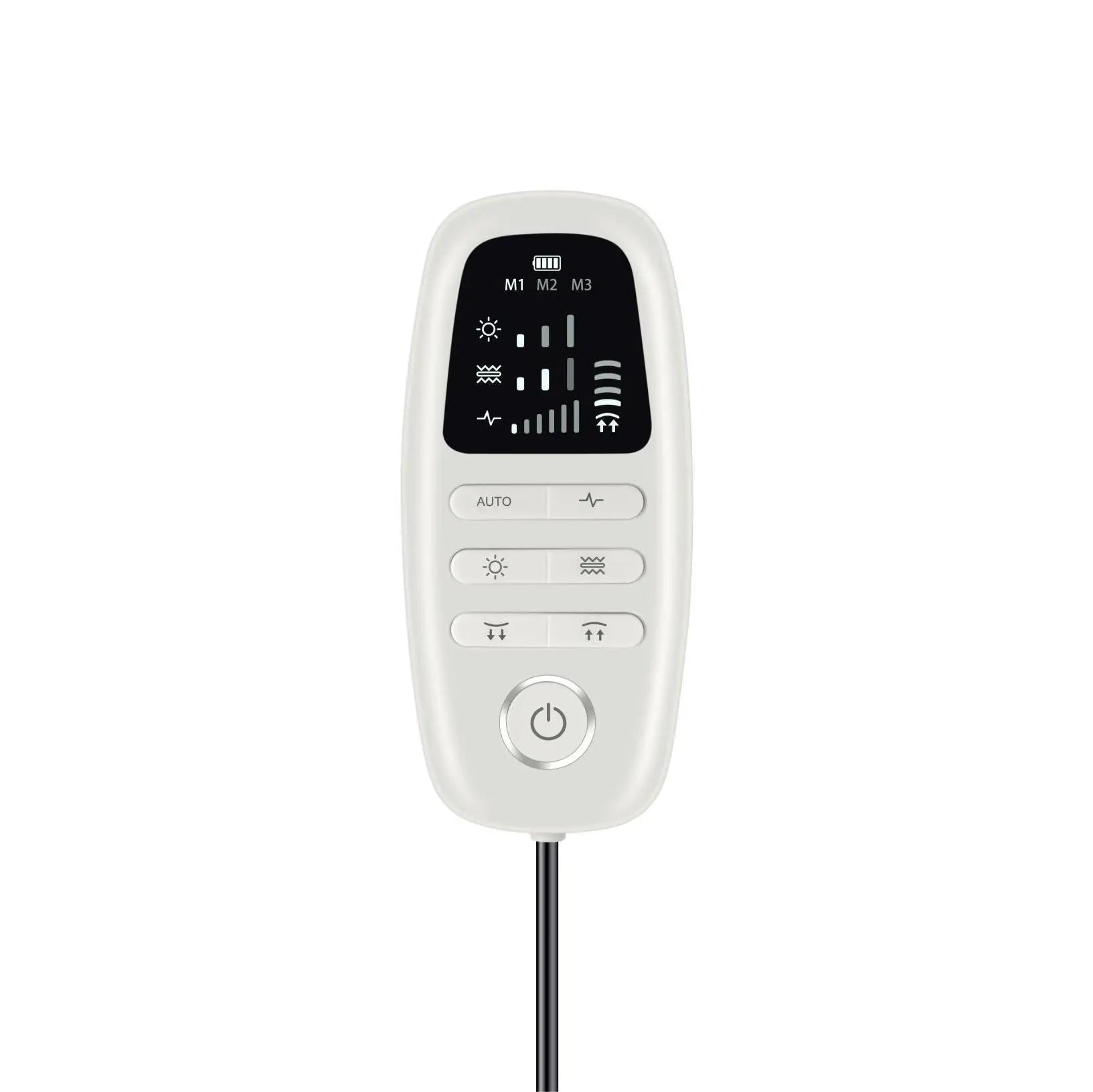
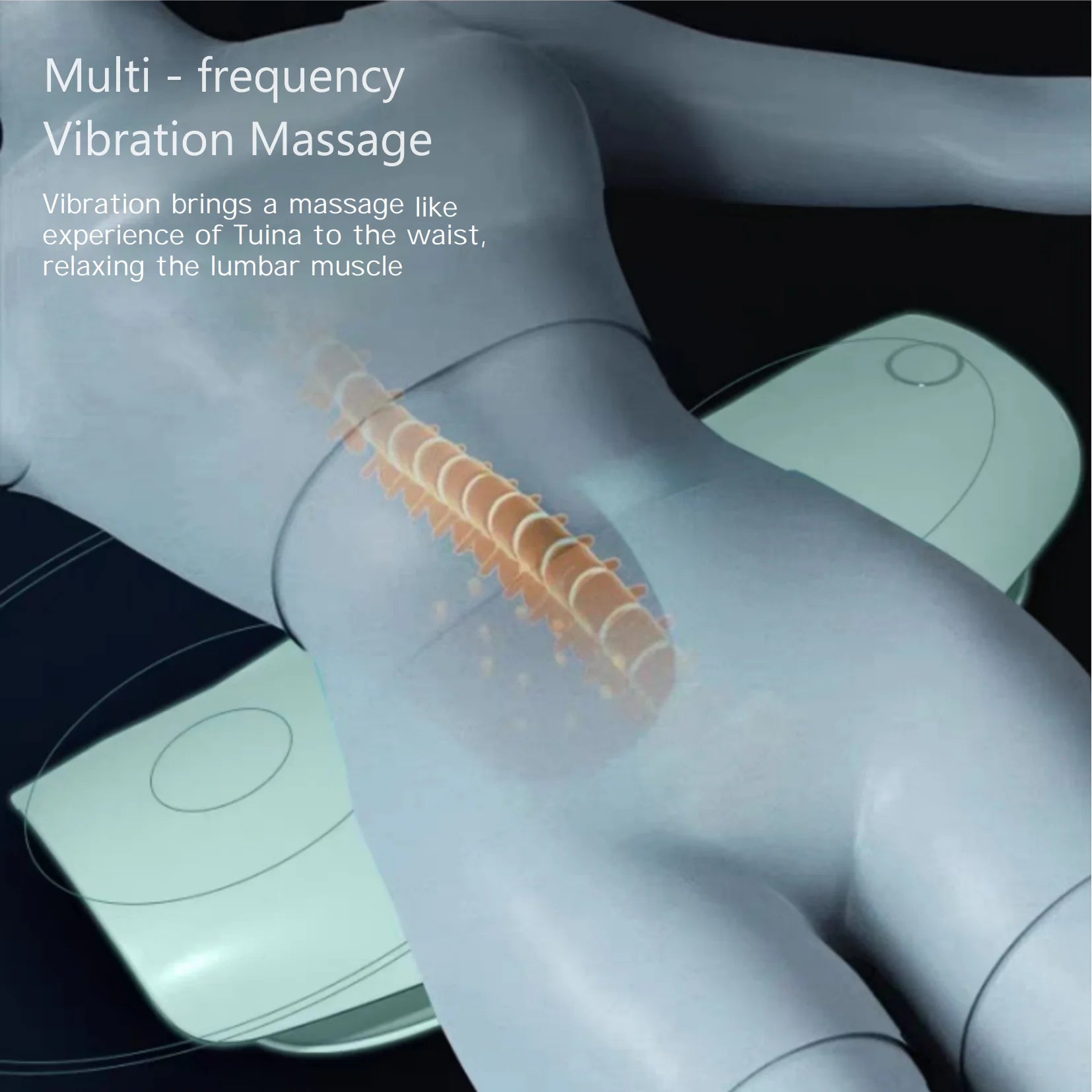
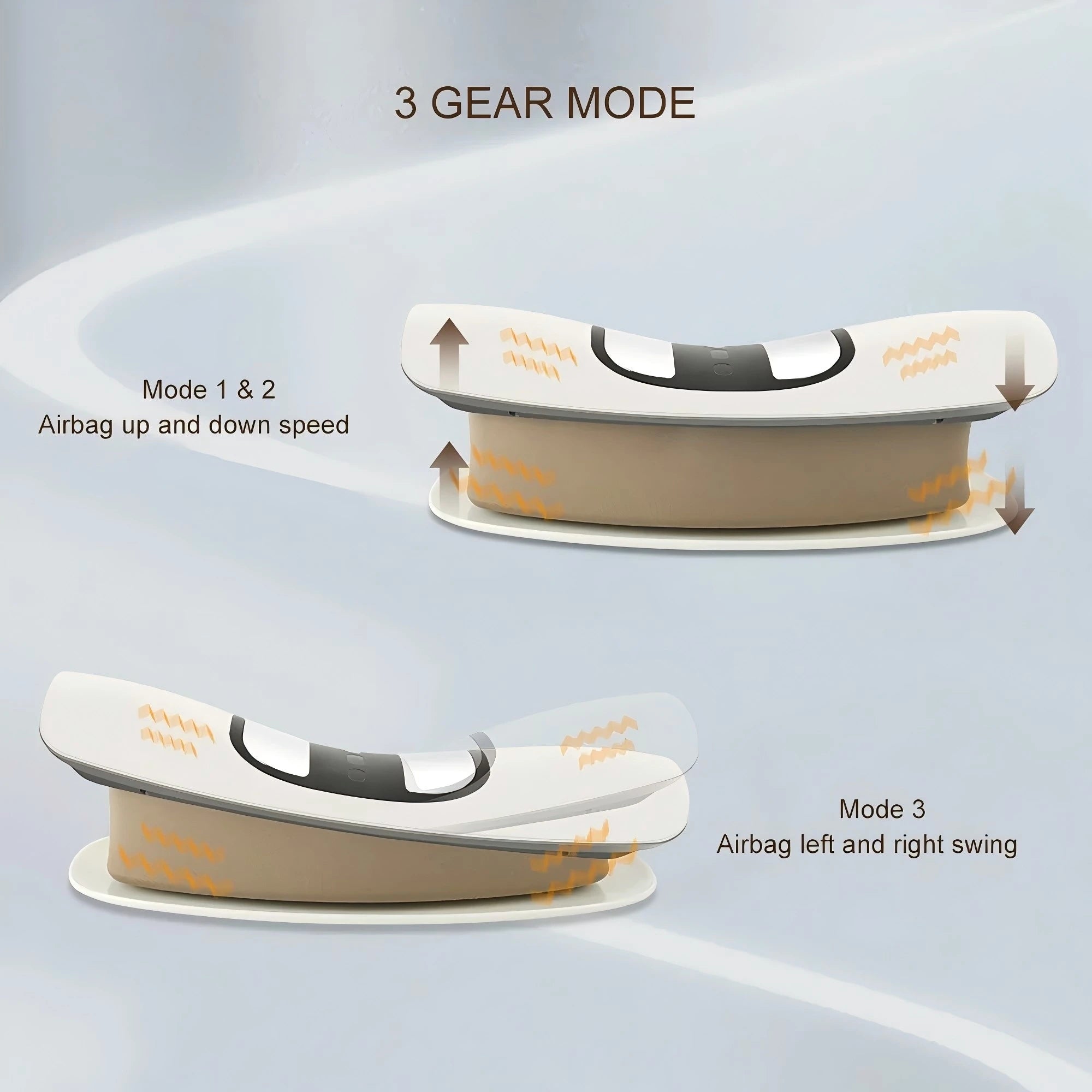
After a long workday, some people also explore a Body Care and Health Devices solution like a lumbar traction device for additional support and comfort. A device should be used according to its instructions and should not replace appropriate medical care or an active movement routine.
When to See a Healthcare Professional
Posture exercises can support general mobility and strength, but persistent or significant symptoms should not automatically be attributed to poor posture. Consider speaking with a qualified healthcare professional if you have persistent pain, worsening symptoms, significant weakness, numbness or tingling, unexplained changes in movement, or symptoms that interfere with normal daily activities.
Stop an exercise that causes sharp, severe, or worsening pain and seek appropriate professional guidance. A healthcare professional can help determine whether a specific exercise routine is suitable for your symptoms and goals.
FAQ: Posture Exercises for Desk Workers
How often should I do posture exercises at work?
Aim for a short posture routine most days of the week and add brief movement breaks throughout the workday. Even a 2-minute reset can help break up long periods of sitting.
How long does it take to improve desk posture?
Some people notice improved posture awareness and less stiffness within a week or two, while meaningful changes in strength, mobility, and habits generally take longer. Consistency over several weeks or months is more important than expecting an immediate transformation.
Should I stretch or strengthen first?
For many desk workers, a practical sequence is gentle mobility or stretching first, followed by strengthening and posture-control exercises. This can help you move comfortably before asking muscles to provide more support.
Can posture exercises reduce neck and shoulder pain?
They may help when discomfort is related to prolonged static positions, stiffness, or muscular fatigue. However, neck and shoulder pain can have many causes, so persistent, severe, or worsening symptoms should be evaluated by a healthcare professional.
How many times per day should desk workers move?
Try to avoid remaining in one position for long uninterrupted periods. A practical goal is to change position or move briefly every 30–60 minutes when possible, with longer walking or exercise breaks added throughout the day.
What are the best exercises for poor posture?
Useful options include chin tucks, upper-back mobility exercises, chest-opening movements, shoulder blade strengthening, wall angels, and controlled core activation. The best combination depends on your mobility, strength, comfort, and ability to perform each movement correctly.
How do I stop slouching at my desk immediately?
Start by changing position rather than forcing yourself rigidly upright. Place your feet comfortably, allow your shoulders to relax, gently bring your head back over your torso, and take a short movement break. Then adjust your workstation if it repeatedly encourages you to slouch.
Are ergonomic chairs enough without exercise?
No. A supportive chair can improve comfort and workstation support, but regular movement, mobility, and strengthening are still important for maintaining physical capacity and avoiding prolonged static positions.
What if posture exercises make my pain worse?
Stop or modify the exercise that aggravates your symptoms rather than pushing through worsening pain. If discomfort persists, is severe, or affects daily activities, seek guidance from a qualified healthcare professional.
Related Guide: How to Decompress Lower Back Safely at Home Step by Step













