

Does improving foot circulation really work at home?
Yes—most people can improve foot circulation at home by combining regular movement, targeted exercises, massage, and healthy daily habits. While home strategies cannot treat blocked arteries or other serious medical conditions, they can increase blood flow, reduce stiffness, ease foot fatigue, and help keep muscles and soft tissues healthy when practiced consistently.
How blood circulation in the feet works
Your heart pumps oxygen-rich blood through arteries to the feet, while the calf muscles act as a "second pump" that helps return blood back toward the heart. Long periods of sitting, standing, or inactivity reduce this natural pumping action, which may leave your feet feeling cold, heavy, or tired. Learning how to improve circulation in feet starts with restoring regular movement throughout the day.
Temporary cold feet vs poor circulation
Cold feet do not always mean poor circulation. Exposure to cool temperatures, stress, or naturally lower body temperature can temporarily narrow blood vessels, making your feet feel cold even when circulation is normal. However, persistent cold feet accompanied by numbness, tingling, slow-healing wounds, pain while walking, or skin color changes may indicate an underlying circulation problem that deserves medical evaluation.
For many healthy adults, simple lifestyle-based strategies—including walking, stretching, foot massage, and avoiding prolonged sitting—are effective ways to improve foot circulation and support long-term foot comfort.
What Causes Poor Circulation in Feet? (And Why It Matters)
Poor circulation in the feet occurs when blood flow is reduced, preventing muscles, skin, and nerves from receiving enough oxygen and nutrients. Identifying the underlying cause is important because the most effective poor circulation in feet remedy depends on whether lifestyle habits, aging, or a medical condition is responsible.
Common causes of poor circulation in feet
- Prolonged sitting or standing with little movement
- Lack of regular physical activity
- Tight shoes or restrictive socks that limit comfort and movement
- Cold temperatures that temporarily constrict blood vessels
- Smoking, which damages blood vessels over time
- Dehydration and poor overall cardiovascular fitness
Risk factors
- Office workers with sedentary routines
- People who spend most of the day standing, such as retail and healthcare workers
- Older adults with reduced mobility
- People living with obesity, diabetes, high blood pressure, or high cholesterol
- Individuals with a family history of cardiovascular disease
Peripheral artery disease and other medical conditions
Some cases of poor circulation result from medical conditions rather than inactivity alone. Peripheral artery disease (PAD), diabetes, nerve disorders, and certain heart or vascular conditions can reduce blood flow to the feet. If symptoms of poor circulation in feet are severe, develop suddenly, or include persistent pain, ulcers, or discoloration, seek medical evaluation instead of relying only on home remedies.
How to Improve Foot Circulation at Home (Step-by-Step Guide)
Improving foot circulation at home is possible with practical, evidence-based habits that encourage healthy blood flow and reduce everyday discomfort. Whether you spend hours at a desk, stand throughout your shift, or simply want healthier feet, combining movement, stretching, massage, and supportive lifestyle choices can help improve circulation safely over time.
⏱ 6 min read
Cold toes, tired arches, or heavy feet at the end of the day can all be signs that your feet need more movement—not necessarily more rest. The good news is that most people can improve foot circulation with a simple daily routine that takes only a few minutes and requires little or no equipment.
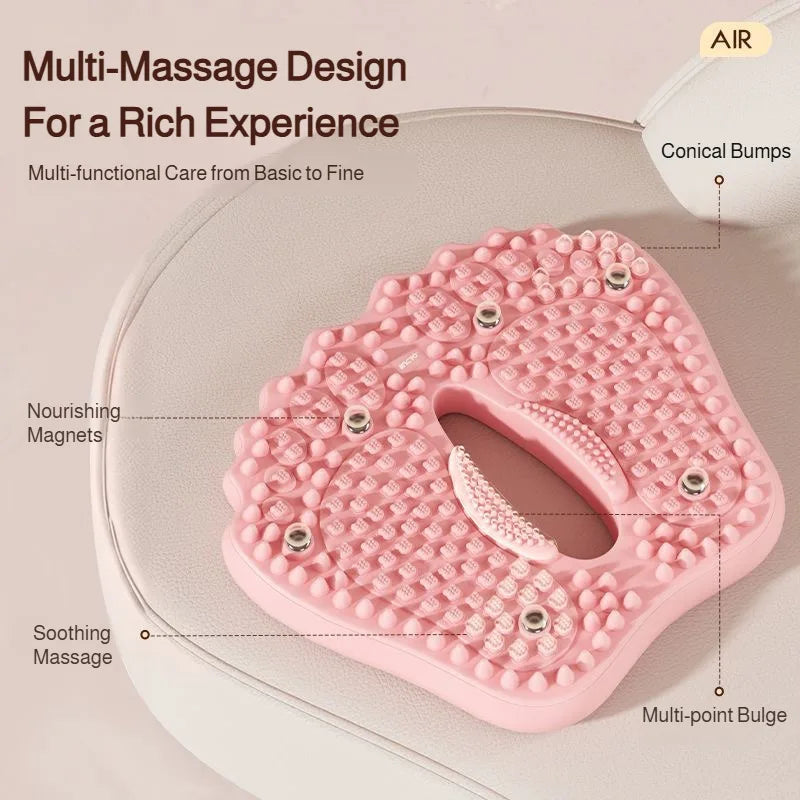
Daily comfort starts here—improving foot circulation at home. See it in action.
Symptoms of Poor Circulation in Feet You Shouldn’t Ignore
Recognizing the symptoms of poor circulation in feet early can help you address lifestyle factors promptly and identify situations where medical care is appropriate.
Early warning signs
- Cold feet that persist even in warm environments
- Mild tingling or occasional numbness
- Swelling after sitting or standing for extended periods
- Foot fatigue, heaviness, or slower recovery after activity
- Skin that appears unusually pale or feels cool to the touch
When symptoms become serious
- Persistent numbness or loss of sensation
- Burning pain or severe cramping while walking
- Slow-healing cuts, sores, or ulcers
- Blue, purple, or unusually pale skin discoloration
- Pain that continues even while resting
If these symptoms worsen, develop suddenly, or occur alongside diabetes or known cardiovascular disease, consult a healthcare professional promptly to determine the underlying cause.
The Best Ways to Improve Circulation in Feet at Home
The best ways to improve circulation in feet combine regular movement, muscle activation, massage, and healthy daily habits. These strategies encourage blood flow naturally and are most effective when practiced consistently rather than occasionally.
Walk every day
Walking is one of the simplest ways to increase blood flow to your feet. Each step activates your calf muscles, helping pump blood back toward the heart. Aim for 20–30 minutes of walking most days, or take short 5-minute walking breaks every hour if you spend long periods sitting.
Foot circulation exercises
Targeted foot circulation exercises improve joint mobility, activate the calf muscles, and reduce stiffness. Even a few minutes of ankle movements, toe exercises, and heel raises can help improve foot circulation, especially after prolonged inactivity.
Foot massage for circulation
Gentle massage helps relax tight muscles, improve comfort, and temporarily increase local blood flow. It can be especially beneficial after standing for long hours or following your exercise routine.
Compression socks and elevation
Graduated compression socks may help reduce swelling and support healthy blood flow for people who stand or sit for extended periods. Elevating your feet above heart level for 15–20 minutes after a long day can also encourage venous return and relieve mild swelling. If you have peripheral artery disease or significant circulation problems, consult your healthcare provider before using compression garments.
Build a daily routine
Consistency is the key to lasting results. Combining walking, foot circulation exercises, massage, and regular movement breaks provides greater long-term benefits than relying on a single technique. Most people notice gradual improvements over several weeks of daily practice.
Foot Circulation Exercises You Can Do Anywhere
These foot circulation exercises require no equipment and can be performed at home, in the office, or while traveling. Perform each movement slowly and avoid pushing into pain.
Ankle pumps
Sit comfortably with your legs extended. Point your toes away from your body, then pull them back toward your shins. Repeat 15–20 times per foot. This exercise helps activate the calf muscle pump and encourages healthy circulation after prolonged sitting.
- Stand with your feet hip-width apart while holding a stable surface for balance.
- Slowly lift your heels until you are standing on your toes.
- Pause for one to two seconds before lowering your heels with control.
- Complete 10–15 repetitions for 2–3 sets.
Toe curls and foot circles
- Flex and spread your toes 10–15 times to activate the small muscles of the feet.
- Rotate each foot clockwise and counterclockwise 10 times to improve ankle mobility.
- Finish with gentle heel-to-toe rocking while standing to promote natural movement.
Recommended frequency
For the best results, perform these exercises at least once daily. If your job requires sitting or standing for long periods, repeat a brief routine every 1–2 hours to keep blood moving and reduce foot fatigue. Increase repetitions gradually as your strength and mobility improve.
Foot Massage for Circulation
Foot massage for circulation can help relax tight muscles, reduce foot fatigue, and temporarily increase local blood flow. While massage does not treat blocked arteries or vascular disease, it can be a valuable addition to a daily routine that includes regular movement and exercise.
Self-massage technique
- Begin with clean, dry feet or apply a small amount of massage lotion or oil if preferred.
- Use your thumbs to apply gentle pressure along the sole, starting at the heel and moving toward the toes.
- Massage the arch using slow circular motions for 30–60 seconds.
- Gently squeeze and stretch each toe to improve flexibility.
- Finish by rotating the ankle and lightly stretching the foot for 20–30 seconds.
Spend approximately 3–5 minutes on each foot. Pressure should feel comfortable rather than painful.
Massage tools
Manual massage, textured massage balls, and foot rollers can all help relieve muscle tension. For hands-free sessions, the KentDO Inflatable Foot Massage Pad provides gentle, even pressure across the soles, making it easier to include foot massage for circulation as part of a consistent wellness routine.
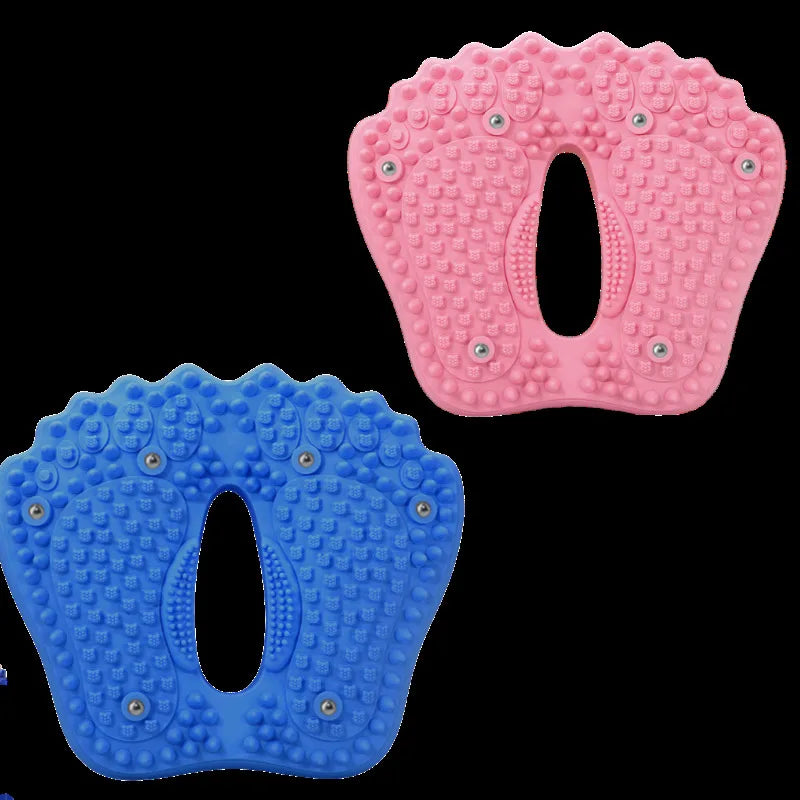
Targeted pressure supports relaxing foot massage sessions as part of a healthy daily circulation routine. See it in action.
For additional recovery tools, explore the Body Care and Health Devices collection.
Who should avoid massage
Avoid vigorous foot massage if you have an open wound, active skin infection, a suspected fracture, severe swelling of unknown cause, or a blood clot. People with diabetes, significant nerve damage, or diagnosed peripheral artery disease should consult their healthcare provider before beginning a new massage routine.
Natural Ways to Improve Blood Flow in Feet
Healthy lifestyle habits provide long-term support for circulation and complement regular exercise and massage. These evidence-based strategies promote cardiovascular health while helping keep your feet comfortable.
Hydration
- Drink enough water throughout the day to support healthy blood volume.
- Increase fluid intake during hot weather or after exercise.
- Limit excessive alcohol intake, which can contribute to dehydration.
Heart-healthy nutrition
- Choose fruits, vegetables, whole grains, legumes, and lean proteins.
- Include foods rich in omega-3 fatty acids, such as salmon, sardines, walnuts, and flaxseed.
- Reduce foods high in sodium, added sugars, and saturated fats to support overall cardiovascular health.
Quit smoking
- Smoking damages blood vessels and reduces circulation throughout the body.
- Quitting smoking is one of the most effective long-term steps for improving vascular health.
- If needed, seek support through smoking cessation programs or your healthcare provider.
Manage blood sugar and weight
- Maintain a healthy body weight through regular physical activity.
- If you have diabetes, keep blood sugar within the target range recommended by your healthcare provider.
- Schedule routine foot checks if you have diabetes or other conditions that affect circulation.
A 10-Minute Daily Routine to Improve Foot Circulation Fast
This 10-minute routine combines movement, muscle activation, massage, and recovery to help improve foot circulation. It is easy to perform at home and works best when practiced every day.
- 2 minutes: Perform toe curls, ankle pumps, and gentle ankle rotations to wake up the muscles and joints.
- 3 minutes: Complete heel raises, calf raises, and foot pumps to activate the calf muscle pump and encourage healthy blood flow.
- 3 minutes: Massage the arches, heels, and balls of your feet using gentle circular pressure.
- 2 minutes: Elevate your feet above heart level while relaxing and taking slow, deep breaths.
For the best results, repeat this routine once or twice daily. If you work at a desk or spend long hours standing, adding a few short movement breaks throughout the day can further support healthy circulation.
Poor Circulation in Feet Remedy: What Works Best
No single remedy works for everyone. The most effective approach depends on the underlying cause of your symptoms, your daily routine, and any existing medical conditions.
Comparison table
| Method | Best For | Benefits | Limitations |
|---|---|---|---|
| Walking | Daily circulation support | Activates calf muscles, improves overall cardiovascular health | May need to be limited during acute injuries |
| Foot circulation exercises | People who sit or stand for long periods | Improves mobility, flexibility, and blood flow | Requires consistent practice |
| Foot massage | Temporary relief from foot fatigue | Relaxes muscles and temporarily increases local blood flow | Not suitable for certain injuries or infections |
| Compression socks | Mild swelling and prolonged standing | Supports venous return and may reduce swelling | Not appropriate for everyone, including some people with peripheral artery disease |
| Lifestyle changes | Long-term circulation support | Addresses underlying risk factors through exercise, nutrition, hydration, and smoking cessation | Benefits develop gradually with consistent habits |
Combining regular walking, targeted exercises, massage, and healthy lifestyle habits generally provides the most sustainable poor circulation in feet remedy for people without an underlying vascular condition.
:::writingWhen to See a Doctor About Circulation Issues
Many people can improve mild circulation concerns with regular exercise, foot massage, and healthy lifestyle habits. However, persistent or worsening symptoms of poor circulation in feet should be evaluated by a healthcare professional to identify potential vascular, neurological, or metabolic conditions.
Symptoms requiring prompt evaluation
- Pain in the feet or legs that does not improve with rest
- Persistent numbness, tingling, or loss of sensation
- Open sores, ulcers, or wounds that heal slowly
- Blue, purple, or unusually pale skin discoloration
- Severe swelling, especially if it develops suddenly
- Cold feet accompanied by pain while walking or at rest
These symptoms may indicate peripheral artery disease (PAD), nerve disorders, or other medical conditions that require treatment beyond home care.
Who should seek medical advice sooner
Schedule an earlier medical evaluation if you have diabetes, high blood pressure, high cholesterol, a history of smoking, cardiovascular disease, or previous circulation problems. People with diabetes should inspect their feet daily and seek prompt care for cuts, blisters, or skin changes because reduced circulation can delay healing.
Quick Answers: Foot Circulation FAQs
How often should I do foot circulation exercises?
For most people, 5–10 minutes of foot circulation exercises every day is enough to support healthy blood flow. If you spend long hours sitting or standing, adding short movement breaks every 1–2 hours can provide additional benefits.
Do compression socks improve circulation?
Graduated compression socks can help improve venous blood flow and reduce mild swelling in some individuals, particularly during prolonged sitting or standing. They are not appropriate for everyone, so people with peripheral artery disease or other vascular conditions should seek medical advice before using them.
Can diabetes cause poor circulation in the feet?
Yes. Diabetes can affect both blood vessels and nerves, increasing the risk of poor circulation, numbness, and slow-healing wounds. Good blood sugar management, routine foot care, and regular medical checkups are important for reducing complications.
Can massage devices improve foot circulation?
Massage devices can temporarily increase local blood flow, reduce muscle tension, and improve comfort when used as part of a healthy routine. They work best alongside regular walking, stretching, and foot circulation exercises rather than as a replacement for physical activity.
Can poor circulation in the feet be reversed?
If poor circulation is primarily related to inactivity or lifestyle factors, many people experience noticeable improvement by exercising regularly, maintaining a healthy weight, and following consistent foot care habits. When circulation problems are caused by an underlying medical condition, treatment should address the root cause.
What is the fastest way to improve circulation in your feet?
A brief walk followed by ankle pumps, calf raises, and gentle foot massage is often the quickest way to encourage healthy blood flow. Elevating your feet afterward may also help reduce mild swelling.
Do foot circulation exercises really work?
Yes. Regular foot circulation exercises activate the calf muscles, improve ankle mobility, and support healthy blood flow, particularly for people who spend long periods sitting.
Are compression socks good for poor circulation?
Compression socks may benefit people with mild swelling or venous circulation concerns, but they are not suitable for every circulation disorder. Ask your healthcare provider if you have diagnosed arterial disease or significant leg pain.
Does foot massage increase blood flow?
Foot massage can temporarily increase local circulation while reducing muscle tension and stiffness. It is most effective when combined with regular movement and exercise.
Is it safe to use heat for poor circulation?
Warm foot soaks or gentle heat may improve comfort for some people, but avoid high temperatures if you have reduced sensation, diabetes-related nerve damage, or open wounds, as burns can occur without being noticed.
When should cold feet be evaluated by a doctor?
Seek medical advice if cold feet are persistent, occur together with pain, numbness, skin discoloration, slow-healing wounds, or interfere with daily activities despite consistent home care.
Related Guide: Daily Foot Massage Routine for Fast At-Home Relief













