

What Is an In-Mold Ski Helmet and How Does It Work?
An in-mold ski helmet is a lightweight snow sports helmet created by bonding a polycarbonate (PC) outer shell directly to an expanded polystyrene (EPS) foam liner during manufacturing. Unlike helmets made from separate layers, this construction forms a unified protective structure that improves weight efficiency while allowing the helmet to manage impact energy effectively.
The goal of in-mold technology is to combine reliable impact protection with a comfortable, low-profile design. By integrating the shell and liner together, manufacturers can reduce unnecessary material while maintaining the structural performance needed for skiing and snowboarding.
How In-Mold Construction Differs from Traditional Methods
Traditional hardshell helmets typically use a thicker outer shell attached to an internal foam liner after each component is manufactured separately. In contrast, in-mold helmets are formed by placing the EPS liner and PC shell together during the molding process, creating a closer connection between the protective layers.
This integrated approach helps reduce extra weight, improves helmet shaping, and allows designers to create better ventilation channels. The result is a helmet that feels less bulky while still providing essential protection for mountain activities.
PC + EPS Helmet Construction Explained
- Polycarbonate (PC) shell: A lightweight outer layer that protects the helmet structure from surface impacts and helps spread force across a wider area.
- EPS liner: A shock-absorbing foam layer that compresses during an impact to help reduce energy transferred toward the head.
- In-mold bonding: The manufacturing process that fuses these materials into a single, streamlined helmet design.
This PC EPS helmet construction is widely used in modern snow sports equipment because it provides a practical balance between protection, comfort, and weight reduction.
How the Bonding Process Improves Impact Performance
The in-mold manufacturing process creates a stronger connection between the outer shell and the EPS liner. Because the components work together as one structure, the helmet can distribute impact forces more efficiently while maintaining a comfortable fit.
The EPS liner ski helmet design remains central to impact protection. During a collision, the foam is designed to absorb energy by compressing rather than allowing all force to transfer directly to the rider’s head.
Why In-Mold Technology Reduces Weight
One of the biggest advantages of an in-mold ski helmet is its lightweight construction. By combining protective layers during manufacturing, designers can remove excess materials and reduce bulk without eliminating essential safety components.
A lighter helmet can improve all-day comfort, especially for riders spending several hours on the slopes. Reduced weight may also help minimize neck fatigue and pressure points, making it easier to wear protective gear consistently throughout the day.
In-Mold Ski Helmet Comparison: Durability vs Weight Explained
Choosing the right ski helmet means finding the right balance between protection, comfort, and long-term performance. Many riders wonder whether a lighter helmet can provide the same confidence as a heavier design. In-mold ski helmets are engineered to address this concern by combining efficient materials with modern construction methods.
⏱ 6 min read
Understanding how construction affects performance makes it easier to choose a helmet that matches your skiing style, comfort preferences, and safety expectations.
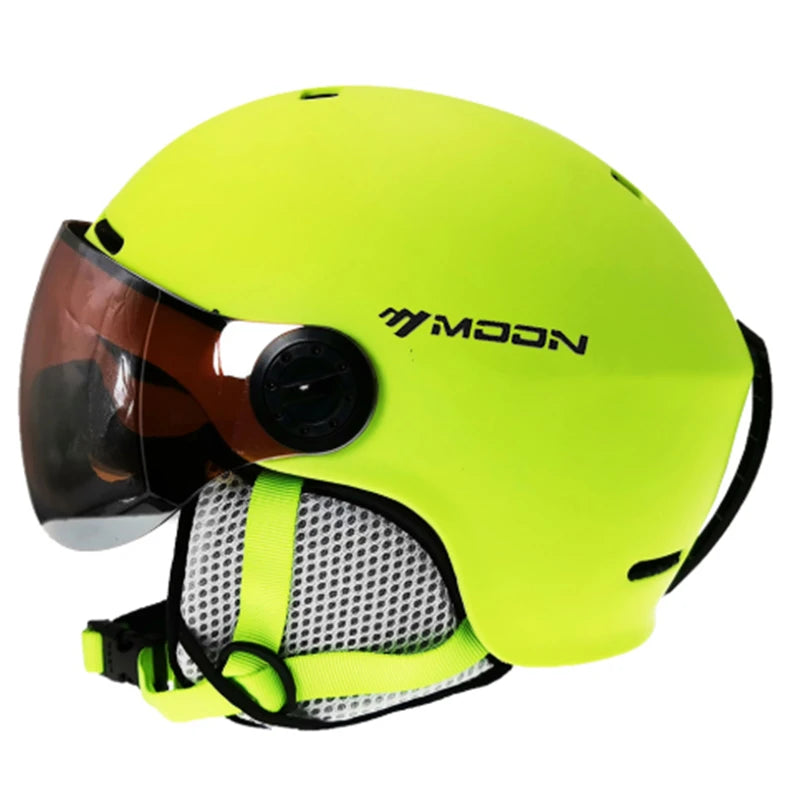
Lightweight protection meets smart engineering — See it in action
In-Mold vs Hardshell Ski Helmets: Which Is Better?
Comparison Table: In-Mold vs ABS Hardshell vs Hybrid
| Helmet Type | Construction | Main Advantages | Best For |
|---|---|---|---|
| In-Mold | PC outer shell fused directly with EPS liner | Lightweight design, improved ventilation, comfortable fit | Resort skiers, all-mountain riders, long sessions |
| ABS Hardshell | Separate hard plastic shell attached to foam liner | High surface durability and resistance to exterior wear | Terrain parks, aggressive riders, frequent use |
| Hybrid | Combination of in-mold and hardshell construction | Balance of lightweight comfort and reinforced protection | Riders wanting versatility across conditions |
Weight, Durability, and Impact Performance
The main difference between in mold vs hardshell ski helmets comes down to how each design balances weight and durability. In-mold helmets use integrated lightweight ski helmet construction to reduce bulk while maintaining impact protection through an EPS liner.
Hardshell helmets typically use a tougher outer shell that handles scratches, bumps, and repeated surface contact well. This can make them appealing for riders who spend time in demanding environments where the helmet may experience more external wear.
Neither design is automatically safer than the other when both meet recognized safety standards. The better choice depends on proper fit, riding conditions, and whether you prioritize low weight, durability, or versatility.
Ventilation, Cost, and Comfort
In-mold helmets often allow manufacturers to create more advanced ventilation channels because the shell and liner are designed together. This can improve airflow management during warmer days or high-intensity riding.
Hardshell models may feel slightly heavier but often provide a more rugged exterior. Pricing varies by features, materials, and added technologies such as adjustable ventilation systems or rotational impact protection.
Best Use Cases by Skiing Style
- In-mold helmets: Best for riders who want lightweight comfort, efficient ventilation, and all-day wear during resort skiing or recreational snowboarding.
- ABS hardshell helmets: Better suited for riders who prioritize exterior durability, park riding, or demanding terrain.
- Hybrid helmets: A strong option for skiers who want a balance between lightweight performance and reinforced protection.
Are In-Mold Ski Helmets Safe?
ASTM F2040 and CE EN1077 Certifications
Many certified ski helmets are tested against recognized standards such as ASTM F2040 in the United States and CE EN1077 in Europe. These standards evaluate important safety factors, including impact absorption, retention system performance, and resistance to penetration.
When choosing an in-mold ski helmet, certification should be one of the first factors to check. A properly certified helmet provides a tested level of protection when combined with correct sizing and secure adjustment.
How EPS Absorbs Impact Energy
The EPS liner ski helmet design remains one of the most important elements of modern snow sports helmet technology . During an impact, EPS foam is designed to compress and absorb energy, helping reduce the amount of force transferred to the head.
This energy-management process is why EPS foam is widely used in ski and snowboard helmets. However, the foam is designed for impact absorption rather than repeated high-force collisions.
MIPS and Rotational Impact Protection
Some in-mold ski helmets include MIPS technology, a low-friction layer designed to help manage certain rotational forces during angled impacts. MIPS is an additional safety feature and does not replace proper helmet fit, certification, or responsible riding practices.
Not every in-mold helmet includes MIPS, so riders who want this feature should check the product specifications before purchasing.
Safety Limitations and Replacement After Crashes
- EPS foam may become compromised after a significant impact, even if external damage is difficult to see.
- A helmet involved in a serious crash should be replaced rather than reused.
- Visible cracks, damaged shells, loose components, or deteriorated padding are signs that replacement may be needed.
Regular inspection helps maintain protection over time. Proper storage, avoiding extreme heat exposure, and following manufacturer replacement recommendations can also extend helmet performance.
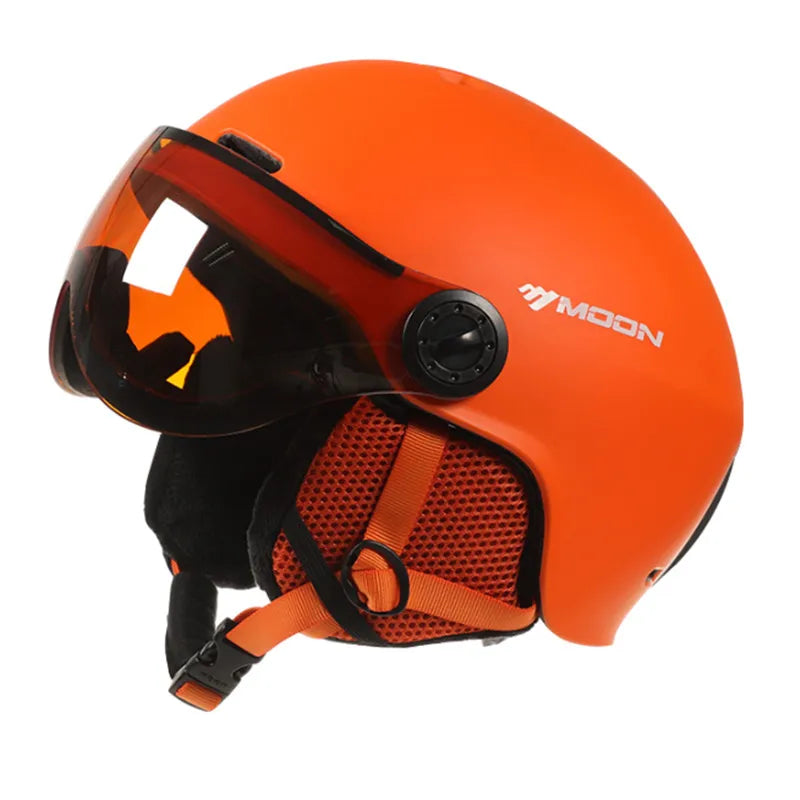
Designed for balance, comfort, and confidence — See it in action
Durability of In-Mold Helmets: What to Expect
Lifespan and Wear Factors
An in-mold ski helmet can provide reliable performance for multiple seasons when used and maintained correctly. However, durability depends on several factors, including how often the helmet is worn, exposure to sunlight, temperature changes, storage conditions, and whether it experiences impacts.
The lightweight construction of an in-mold helmet does not mean it is fragile. The integrated PC shell and EPS liner are designed to handle normal skiing and snowboarding conditions while keeping weight low. Proper care helps protect the materials and extend the helmet’s usable life.
Common Damage Patterns
- Surface scratches: Minor marks on the outer shell can occur through regular transport and storage.
- EPS liner compression: The foam may become compromised after absorbing a significant impact.
- Padding and liner wear: Interior comfort materials may flatten or deteriorate with frequent use.
- Shell damage: Cracks, deep dents, or structural changes require immediate inspection.
Storage and Maintenance Tips
- Store the helmet in a cool, dry location away from direct sunlight.
- Avoid leaving it inside hot vehicles, where excessive heat may affect materials.
- Clean the exterior and removable padding according to manufacturer instructions.
- Do not place heavy objects on top of the helmet during storage or travel.
When to Replace Your Helmet
A helmet should be replaced after a serious crash, even if visible damage is not obvious. The EPS liner may have absorbed impact energy internally and may no longer provide the same level of protection.
Replacement is also recommended when you notice cracks, damaged components, loose fit adjustments, or significant deterioration of the shell and interior padding.
Best In-Mold Ski Helmets by Skier Type
Best for Beginners
For new skiers and snowboarders, the best in-mold ski helmet should prioritize secure fit, easy adjustment, comfort, and certified protection. Beginners typically benefit from lightweight designs that feel comfortable enough to wear throughout an entire day on the mountain.
Best for Resort Skiing
Resort riders often spend long periods wearing their helmets, making ventilation, comfort padding, and low weight important features. An in-mold design with adjustable airflow and a comfortable liner can help manage changing temperatures from the lift to the slopes.
Best for Backcountry Touring
Backcountry riders usually need equipment that balances protection with efficiency. Lightweight in-mold helmets can be useful for touring because reduced weight helps during longer climbs, while additional features such as MIPS or enhanced ventilation may improve overall performance.
Best for Kids and Travelers
Families and frequent travelers often prefer in-mold helmets because they are easier to carry and generally less bulky than heavier alternatives. Adjustable fit systems, removable liners, and lightweight construction make them practical for growing riders and packed ski gear bags.
Quick Comparison Table
| Category | Key Features to Look For | Best For |
|---|---|---|
| Beginners | Comfortable fit, easy adjustment, certified safety | New skiers and casual riders |
| Resort Skiing | Ventilation, lightweight design, comfortable padding | Full-day mountain sessions |
| Backcountry Touring | Low weight, airflow control, advanced safety features | Experienced riders exploring varied terrain |
| Kids and Travelers | Compact design, adjustable fit, easy transport | Families and frequent travelers |
Who Should Choose an In-Mold Ski Helmet?
Ideal User Profiles
- All-mountain skiers and snowboarders who want balanced protection and comfort
- Riders who spend long days on the slopes and prefer lightweight equipment
- Users upgrading from older, heavier helmet designs
- Anyone looking for a practical combination of ventilation, fit, and performance
An in-mold ski helmet is especially suitable for riders who value comfort without giving up certified protection. The streamlined construction makes it a popular choice for recreational skiers, frequent resort riders, and those who prefer gear that feels less noticeable during activity.
When Hybrid or Hardshell Is a Better Choice
While in-mold helmets work well for many riders, some situations may favor hybrid or hardshell construction. Skiers who regularly ride terrain parks, encounter rough environments, or need increased resistance against exterior wear may prefer a more reinforced design.
Quick Decision Checklist
- Choose in-mold if: You want a lightweight helmet with comfortable ventilation for all-day skiing.
- Choose hardshell if: You prioritize rugged durability and frequent exposure to abrasive conditions.
- Choose hybrid if: You want a middle ground between low weight and reinforced protection.
Pairing an in-mold ski helmet with modern accessories, like integrated goggles, can further enhance your experience. A well-matched option can be found at this ski helmet with goggles , designed to streamline fit and visibility.
For lifestyle-focused gear inspiration beyond the slopes, explore the Lifestyle collection.
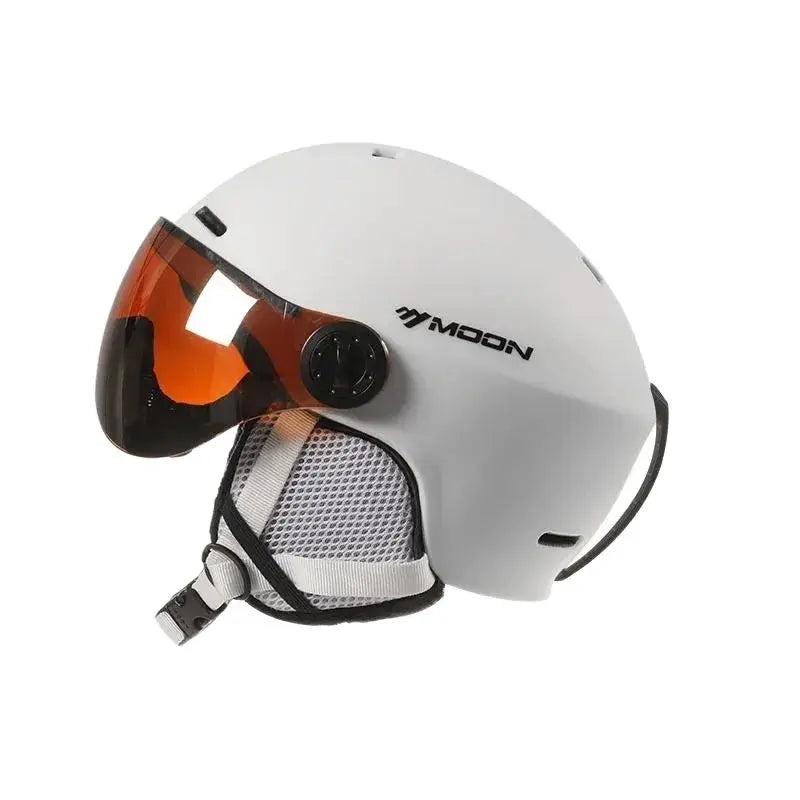
Protection that feels effortless — See it in action
Ski Helmet Weight vs Safety: What Really Matters
Misconceptions About Lightweight Helmets
Many skiers assume a heavier helmet automatically provides better protection, but weight alone does not determine safety. Modern in-mold ski helmets use advanced PC + EPS helmet construction to create a lightweight design while maintaining effective impact absorption.
The protective performance of a ski helmet depends on factors such as certified construction, proper fit, impact management technology, and overall condition—not simply how much the helmet weighs.
Balancing Protection, Comfort, and Fit
The best ski helmet is one that combines reliable protection with a secure, comfortable fit. A lightweight in-mold ski helmet can reduce neck strain and improve all-day comfort while still meeting recognized safety requirements when properly designed and certified.
Before choosing a helmet, consider fit adjustment, ventilation, certification ratings, and whether additional technology such as rotational impact protection is included.
In-Mold Ski Helmet FAQ
Are in-mold ski helmets as safe as hardshell helmets?
Yes. A properly fitted in-mold ski helmet that meets safety standards can provide reliable protection comparable to other certified helmet types. The main difference is construction style: in-mold helmets prioritize lightweight integration, while hardshell designs often focus on increased shell durability and abrasion resistance.
What is the difference between in-mold and ABS ski helmets?
In-mold helmets bond the polycarbonate outer shell directly to the EPS liner, creating a lighter and more integrated structure. ABS or hardshell helmets typically use a separate hard plastic shell attached to the foam liner, which can provide greater resistance to external wear but usually adds more weight.
How long does an in-mold ski helmet last?
An in-mold ski helmet can typically last several seasons with proper care. However, lifespan depends on factors such as usage frequency, storage conditions, UV exposure, and whether the helmet has experienced impacts.
Can an in-mold ski helmet be used after a crash?
No. A helmet should be replaced after a significant crash, even if there are no visible cracks or external damage. The EPS liner may have compressed internally and may no longer provide the same level of impact protection.
Are lightweight ski helmets less protective?
No. Lightweight ski helmets are not automatically less protective. Their reduced weight comes from efficient materials, streamlined construction, and improved engineering rather than removing essential safety components.
Do all in-mold ski helmets include MIPS?
No. Not all in-mold ski helmets include MIPS or other rotational impact protection systems. Riders who want additional protection against angled impacts should check the helmet specifications before purchasing.
Related Guide: Best Integrated Goggle Ski Helmet Compared for Clarity and Comfort













