

Does increasing energy return running really work?
Yes. Increasing energy return in running can improve running economy by helping your body recycle more of the energy generated with each foot strike. Rather than allowing more impact forces to dissipate as heat, responsive footwear systems—including advanced midsoles and performance insoles—can return a portion of that stored energy to assist forward movement.
Running is often described as a spring-mass system. During every stride, your muscles, tendons, ligaments, and footwear briefly store kinetic energy as your foot contacts the ground before releasing it during push-off. The more efficiently this energy transfer occurs, the less metabolic effort is required to maintain the same pace.
Research in sports biomechanics suggests that improving energy return and overall running economy may help:
- Reduce oxygen consumption at a given running speed
- Delay leg fatigue during running
- Improve running economy by approximately 2–4% under optimized conditions
It's important to set realistic expectations. Higher energy return does not automatically make every runner faster, but it can improve efficiency so that maintaining pace requires less effort. For runners who often think i run out of energy quickly , improving running economy may be just as valuable as increasing fitness.
Increase Energy Return Running With Smarter Insole Use
⏱ 7 min read — Feeling sluggish halfway through a run even though your training is on track? While conditioning plays a major role, the efficiency of every stride also matters. Learning how to increase energy return running can help reduce wasted motion, improve running economy, and make every landing contribute more effectively to your next step.
The Science of Energy Return in Running (Biomechanics Explained)
What Is Kinetic Energy Running?
Kinetic energy running describes the movement energy generated as your body travels forward. During the stance phase of the gait cycle, this energy is temporarily absorbed by muscles, tendons, shoe foam, and insoles before being released during toe-off. Efficient runners minimize unnecessary energy loss and maximize the amount redirected into forward propulsion.
Where Energy Is Lost During the Gait Cycle
Every running stride consists of landing, mid-stance, and push-off. Although your body naturally recycles part of the stored energy, some is inevitably lost throughout the gait cycle due to:
- Heat generated as muscles, tendons, and shoe materials deform under load
- Excessive vertical oscillation instead of forward movement
- Poor foot alignment or inefficient foot strike patterns that reduce force transfer
- Compression of low-rebound cushioning materials that absorb more energy than they return
Reducing these losses is one of the most effective running energy efficiency tips for improving endurance without necessarily increasing training volume.
How Muscles, Tendons, and Elastic Materials Store and Return Energy
The Achilles tendon, plantar fascia, calf muscles, and other connective tissues naturally function like elastic springs. As they stretch during landing, they store mechanical energy before releasing it during push-off. Modern running shoes and responsive insoles are designed to complement this natural process by returning a portion of the energy that would otherwise be lost.
High-rebound foams and supportive insole structures do not create new energy. Instead, they improve how efficiently existing energy is transferred through the stride, helping runners maintain smoother movement and potentially reducing fatigue over longer distances.
What Research Says About Running Economy
Sports science consistently shows that running economy—the amount of energy required to maintain a given pace—is a key predictor of endurance performance. Improvements in footwear design, including resilient foam compounds and carefully engineered stiffness, can contribute to better running economy when combined with efficient running mechanics and appropriate training.
For most recreational runners, the greatest benefits come from combining responsive footwear, sound biomechanics, and progressive conditioning rather than relying on any single piece of equipment.
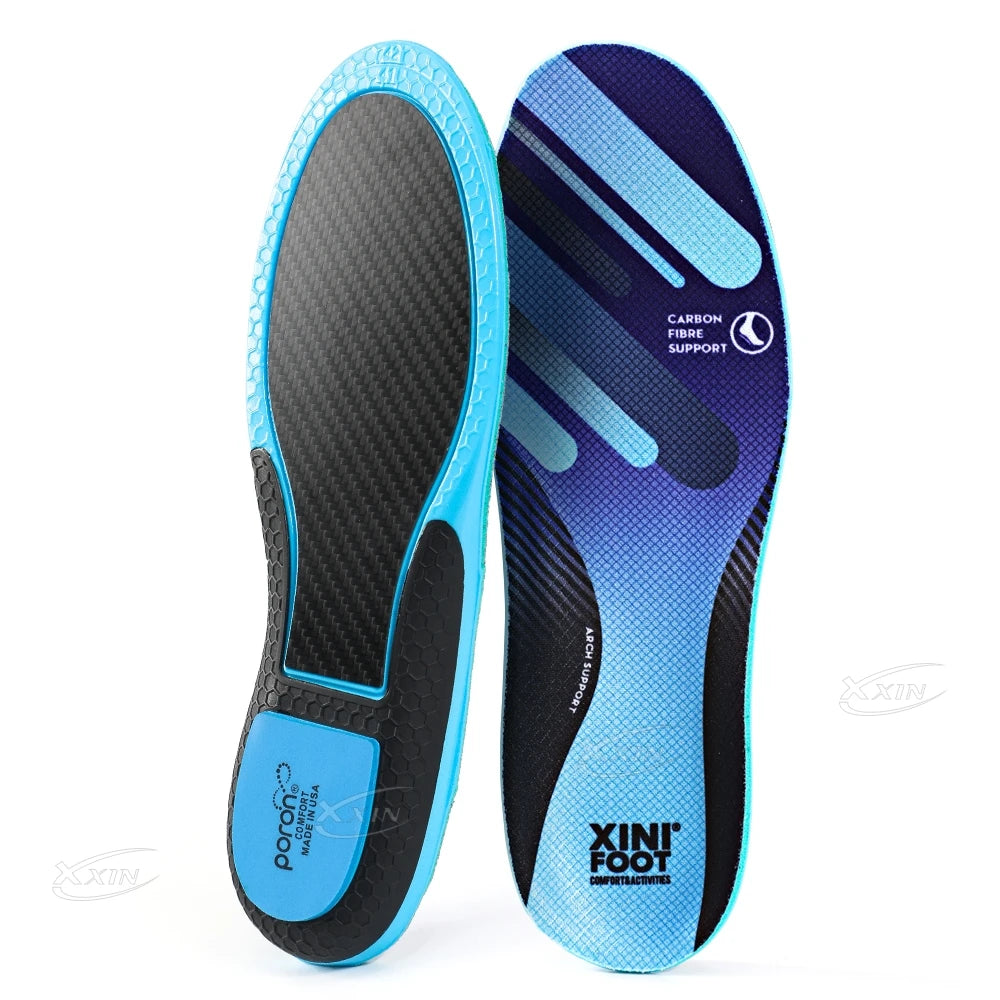
Optimizing kinetic energy running starts from the ground up—see it in action.
Why Energy Is Lost When Running
Even well-trained runners lose a meaningful amount of energy during every stride. Improving running economy starts with identifying where these energy losses occur and minimizing them through better mechanics, appropriate footwear, and effective fatigue management.
- Impact absorption: Muscles, soft tissues, and low-rebound cushioning dissipate part of the landing force as heat instead of returning it to help propel the next stride.
- Poor running mechanics: Overstriding, excessive vertical bounce, and inconsistent foot placement reduce forward momentum and increase the energy cost of running.
- Foot instability: Insufficient arch support or excessive foot motion can interrupt efficient force transfer from landing through push-off.
- Fatigue accumulation: As muscles tire, their ability to store and release elastic energy declines, making each stride less efficient and increasing perceived effort.
These factors help explain why many runners notice a drop in pace or feel they lose power midway through longer runs, even when cardiovascular fitness is not the limiting factor.
How Smarter Insoles Improve Energy Return
What Makes Energy-Return Insoles Different?
Running insoles designed for energy return focus on improving force transfer rather than simply adding cushioning. Instead of allowing impact forces to dissipate, they use resilient materials and supportive structures to complement the body's natural spring-like movement.
- High-rebound foam that returns more energy during toe-off
- Structured arch support that promotes stable and efficient force transfer
- Lightweight, responsive construction that minimizes unnecessary energy loss
Foam vs Carbon Plate vs Gel: Energy Return Compared
Different insole materials influence comfort, stability, and responsiveness in different ways.
- Foam: Modern high-rebound foams provide an excellent balance of cushioning, responsiveness, and everyday running comfort.
- Carbon plate: A rigid plate increases longitudinal stiffness, helping create a more efficient lever during push-off while improving propulsion for many runners.
- Gel: Gel materials excel at shock absorption and comfort but generally return less mechanical energy than responsive foam or carbon-supported designs.
Do Insoles Reduce Leg Fatigue During Running?
They can. When an insole improves force transfer and foot stability, muscles may expend less energy compensating for unnecessary movement. Over long runs, this improved efficiency can contribute to reduced leg fatigue and help runners maintain a more consistent pace.
Performance-focused products such as carbon fiber insoles differ from traditional cushioned inserts by incorporating a rigid carbon structure that functions as a spring-like platform beneath the foot. Rather than simply softening impact, they help direct more stored energy into the push-off phase while providing additional underfoot stability.
Step-by-Step: Use Insoles for Better Running Efficiency
- Select the right insole: Choose running insoles for energy return that match your foot shape, training volume, and performance goals rather than selecting the softest option available.
- Achieve a proper fit: Trim the insoles if necessary and ensure they sit flat inside your shoes without shifting or creating pressure points.
- Pair them with compatible footwear: Responsive insoles perform best when used in running shoes that provide adequate stability and complement their energy-return characteristics.
- Adapt gradually: Wear the insoles during shorter training sessions first, allowing your feet, calves, and running mechanics time to adjust.
- Evaluate your results: Monitor perceived effort, leg fatigue, comfort, and pace over several runs to determine whether the insoles are improving your running efficiency.
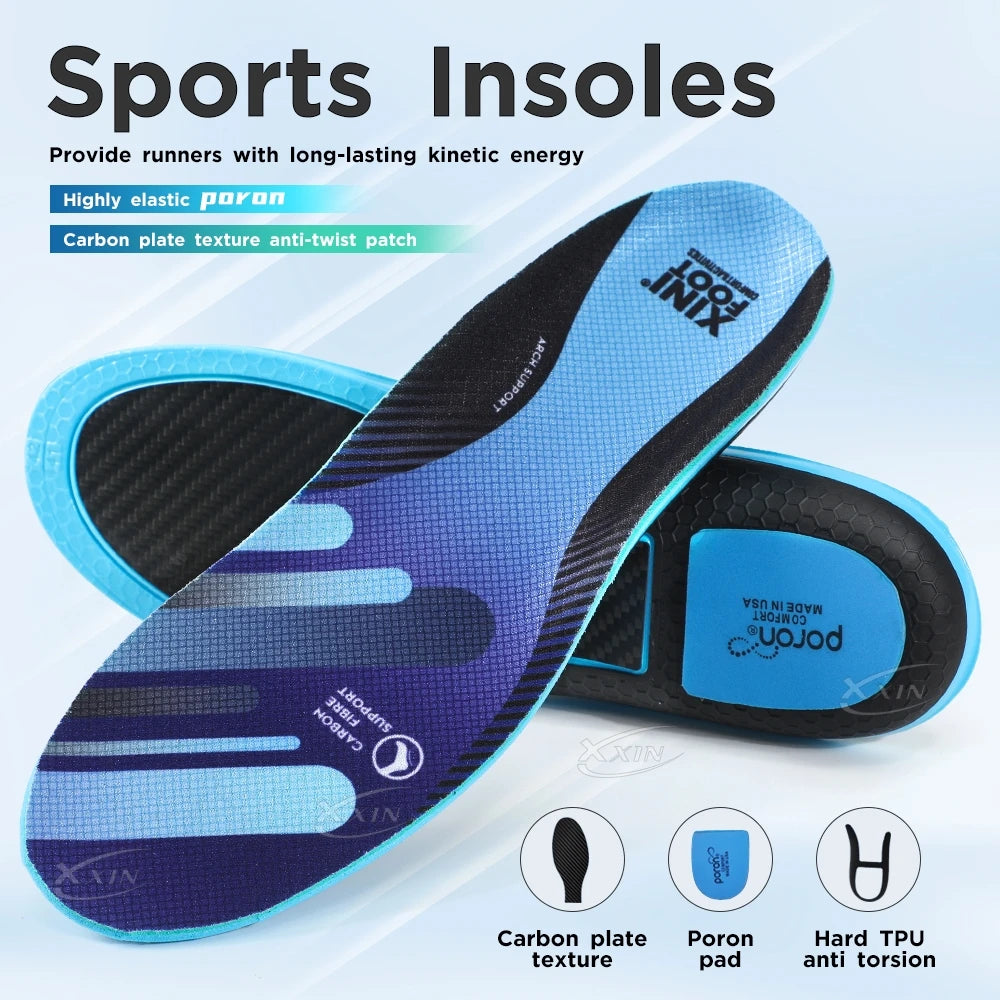
Feel the difference when kinetic energy running is redirected forward—try it yourself.
How to Choose the Best Insoles for Running Performance
Based on Foot Type
Selecting the best insoles for running performance begins with understanding your foot structure. Runners with flat feet often benefit from additional stability, neutral arches typically perform well with balanced support, and high arches generally require cushioning that distributes pressure more evenly while maintaining responsiveness.
Based on Running Goals
Your training objective should influence your choice of running insoles for energy return. Distance runners often prioritize reduced fatigue and consistent efficiency over many miles, while faster workouts and races may benefit from firmer, more responsive designs that promote an efficient toe-off. If your goal is to improve running endurance with insoles, look for lightweight materials that provide energy return without adding unnecessary bulk.
Based on Shoe Compatibility
Even high-quality insoles perform best when paired with compatible shoes. Consider the available shoe volume, heel-to-toe drop, arch profile, and overall midsole firmness before changing insoles. A properly matched combination helps maintain natural foot mechanics, improves comfort, and supports efficient energy transfer throughout the gait cycle.
:::writingRunning Energy Efficiency Tips Beyond Insoles
Improve Running Form
Small improvements in technique can have a measurable impact on running economy. Maintain a slight forward lean from the ankles, keep your arms relaxed, and avoid overstriding so your foot lands closer to your center of mass. These adjustments help direct more force forward instead of upward, reducing wasted energy.
Cadence & Stride Optimization
Many runners improve efficiency by slightly increasing cadence while shortening their stride. Although the ideal cadence varies by height, speed, and experience, many recreational runners naturally become more economical between 170 and 180 steps per minute. Focus on smooth, consistent turnover rather than chasing a specific number.
Shoe + Insole Synergy
Performance footwear works best as a complete system. Pairing responsive running shoes with well-matched energy-return insoles can improve stability, enhance force transfer, and help maintain consistent running mechanics throughout longer training sessions.
Common Mistakes That Drain Running Energy
Even quality equipment cannot compensate for habits that reduce running efficiency. Avoid these common mistakes if your goal is to maximize energy return and reduce unnecessary fatigue.
- Choosing overly soft cushioning: Excessively compliant footwear may prioritize comfort while returning less energy during push-off.
- Using worn-out insoles: As insole materials compress over time, their responsiveness and support gradually decline.
- Ignoring running mechanics: Overstriding, inconsistent foot placement, and excessive vertical movement increase the energy cost of every stride.
- Prioritizing comfort alone: The best performance setup balances cushioning, stability, fit, and responsiveness rather than focusing on softness alone.
| ❌ Energy Drainers | ✅ Smarter Alternatives |
|---|---|
| Overly soft insoles that absorb more energy | Responsive, structured insoles with higher rebound |
| Poor foot alignment during stance | Supportive arch designs that promote stable force transfer |
| Continuing to use worn footwear | Replace insoles and shoes before responsiveness declines significantly |
| Uneven or inconsistent push-off mechanics | Efficient stride mechanics with a stable energy-return platform |
Who Benefits Most From Energy Return Insoles?
Energy-return insoles offer the greatest advantages to runners focused on improving efficiency and reducing unnecessary fatigue rather than relying solely on speed gains. While results vary based on biomechanics, footwear, and training, they may be especially beneficial if you:
- Feel heavy or sluggish during the second half of your runs
- Notice your legs fatigue before your cardiovascular fitness becomes the limiting factor
- Have reached a training plateau despite consistent mileage
- Want a smoother, more stable stride with improved force transfer
Many runners also combine performance-focused footwear with recovery tools from the Body Care and Health Devices collection to help manage training load and maintain consistency between sessions.
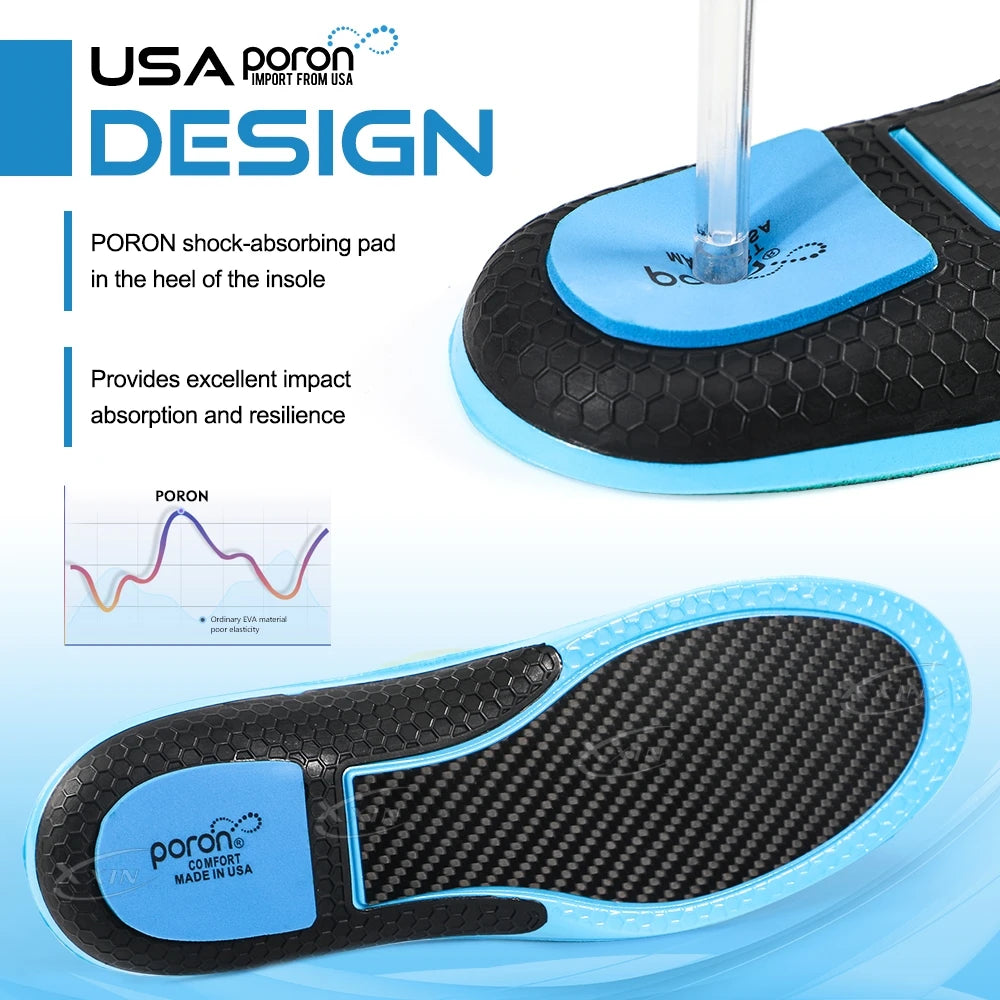
Designed to support efficient movement and help reduce leg fatigue during running.
FAQs About Energy Return Running
Can insoles really help if I run out of energy quickly?
They can help if inefficient force transfer or foot mechanics contribute to early fatigue. Running insoles for energy return are designed to improve running economy by returning more energy during push-off, allowing many runners to maintain the same pace with less perceived effort. They are most effective when paired with appropriate training and well-fitting shoes.
Do energy-return insoles replace good running shoes?
No. Insoles complement your footwear rather than replace it. A responsive running shoe provides the foundation, while a compatible energy-return insole can enhance comfort, stability, and energy transfer throughout the gait cycle.
How fast will I feel results?
Some runners notice improved comfort or reduced leg fatigue within the first few runs. Others may require one to two weeks of regular use as their feet and lower-leg muscles adapt to the different support and responsiveness.
Do carbon plate systems really improve energy return?
Yes, carbon plate systems can improve running economy by increasing longitudinal stiffness and promoting a more efficient toe-off. However, the magnitude of the benefit depends on factors such as running speed, biomechanics, footwear design, and individual adaptation rather than the carbon plate alone.
Related Guide: How to Improve Foot Stability With Insoles Step by Step













