Are Indoor Kerosene Heaters Safe to Use at Home?
Yes— indoor-rated kerosene heaters can be safe when they are used correctly, supplied with the proper fuel, and operated in a well-ventilated space. They generate efficient radiant heat but also produce carbon monoxide (CO), water vapor, and combustion gases. According to the U.S. Consumer Product Safety Commission , many kerosene heater incidents result from poor ventilation, improper fuel, or incorrect operation.
- Use only indoor-rated kerosene heaters .
- Provide continuous fresh-air ventilation .
- Install and test carbon monoxide detectors .
- Never leave a burning heater unattended.
Following these basic precautions significantly reduces the risks associated with indoor kerosene heater use.
⏱ 6 min read
Indoor Kerosene Heaters: How to Use Them Safely at Home
Cold weather, unexpected power outages, and rising heating costs lead many homeowners to ask whether indoor kerosene heaters are a safe backup heat source. The answer depends less on the heater itself and more on how it is selected, fueled, ventilated, and maintained. This guide explains when you can safely use a kerosene heater indoors, the risks to understand, and the practical habits that help protect your household.
Discover how modern indoor kerosene heaters protect your home and comfort.
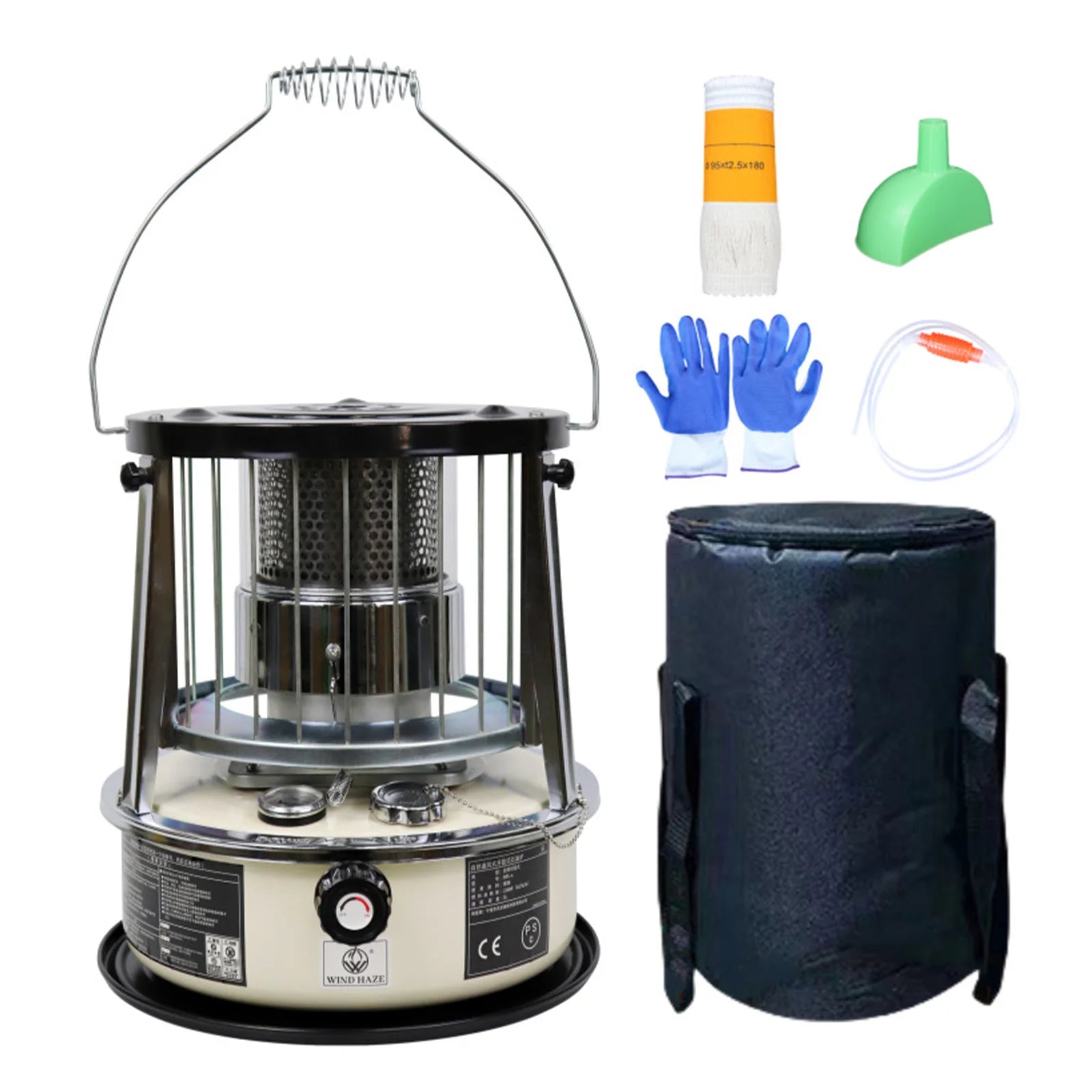
Indoor kerosene heaters for reliable warmth at home — See it in action
Can You Use a Kerosene Heater Indoors?
Is it safe to use a kerosene heater indoors?
Many people ask, " Can you use a kerosene heater indoors? " The answer is yes—but only if the heater is specifically designed for indoor residential use and is operated according to the manufacturer's instructions. Indoor-rated models include safety features and are intended to burn clean, refined kerosene while maintaining stable combustion.
When indoor use is appropriate
Using a kerosene heater indoors may be appropriate during temporary power outages, in garages or workshops with adequate ventilation, or as supplemental heat for occupied rooms where fresh air is available. It should never replace permanent home heating for continuous everyday use.
When you should never use one indoors
- Never use an outdoor-only kerosene heater inside a home.
- Do not operate one in sealed rooms without ventilation.
- Never burn gasoline, diesel, or mixed fuels.
- Avoid using one where flammable vapors or materials are present.
Understanding the Risks of Indoor Kerosene Heaters
Carbon monoxide and combustion gases
Every combustion appliance produces gases. If ventilation is inadequate, carbon monoxide can accumulate and become dangerous because it is colorless and odorless. Early symptoms of CO exposure include headache, dizziness, fatigue, nausea, and confusion.
Oxygen depletion
As a kerosene heater burns fuel, it consumes oxygen from the room. Fresh air is necessary to replace that oxygen and support clean combustion. Without sufficient airflow, combustion becomes less efficient and emissions increase.
Fire and burn hazards
Like any portable heating appliance, kerosene heaters become extremely hot during operation. Curtains, bedding, furniture, clothing, and children should be kept well outside the manufacturer's recommended clearance distances to reduce fire and burn risks.
How Kerosene Heaters Work
How combustion produces heat
Heating with a kerosene heater relies on controlled combustion. A wick or burner draws refined kerosene upward where it vaporizes and burns, producing radiant and convective heat for the surrounding space.
Why ventilation matters
Because combustion occurs inside the room, fresh air is essential. Proper ventilation helps remove moisture, combustion gases, and trace pollutants while maintaining adequate oxygen for cleaner burning.
Indoor-rated vs outdoor-rated models
Indoor-rated heaters are engineered for enclosed environments and generally include enhanced safety features and cleaner-burning designs. Outdoor construction heaters generate much higher emissions and should never be used inside occupied buildings.
Choosing the Safest Kerosene Heater for Indoor Use
When selecting an indoor kerosene heater, prioritize certified safety features rather than maximum heat output. Look for automatic shutoff protection, a stable base, quality wick construction, and clear operating instructions.
| Safety Feature | Why It Matters |
|---|---|
| Tip-over shutoff | Automatically extinguishes the flame if the heater falls. |
| Stable base | Reduces accidental tipping. |
| Fuel gauge | Helps prevent overfilling. |
| High-quality wick | Promotes cleaner combustion and fewer odors. |
One reliable option many homeowners consider is the portable kerosene heater stove , which combines portability with practical safety-focused features.
How to Use a Kerosene Heater Indoors Safely
Choose the right location
- Place the heater on a level, non-combustible surface.
- Keep clear of curtains, furniture, rugs, and paper products.
- Maintain the manufacturer's recommended clearance.
Light and operate correctly
- Inspect the heater for damage or fuel leaks.
- Fill only with approved 1-K kerosene.
- Follow the manufacturer's lighting procedure.
- Open a window slightly to provide fresh air.
Monitor during use
Watch for unstable flames, excessive smoke, or unusual odors. If any of these occur, turn the heater off, ventilate the room, and inspect the appliance before using it again.
Turn off safely
Allow the heater to cool completely before moving, storing, or refilling it.
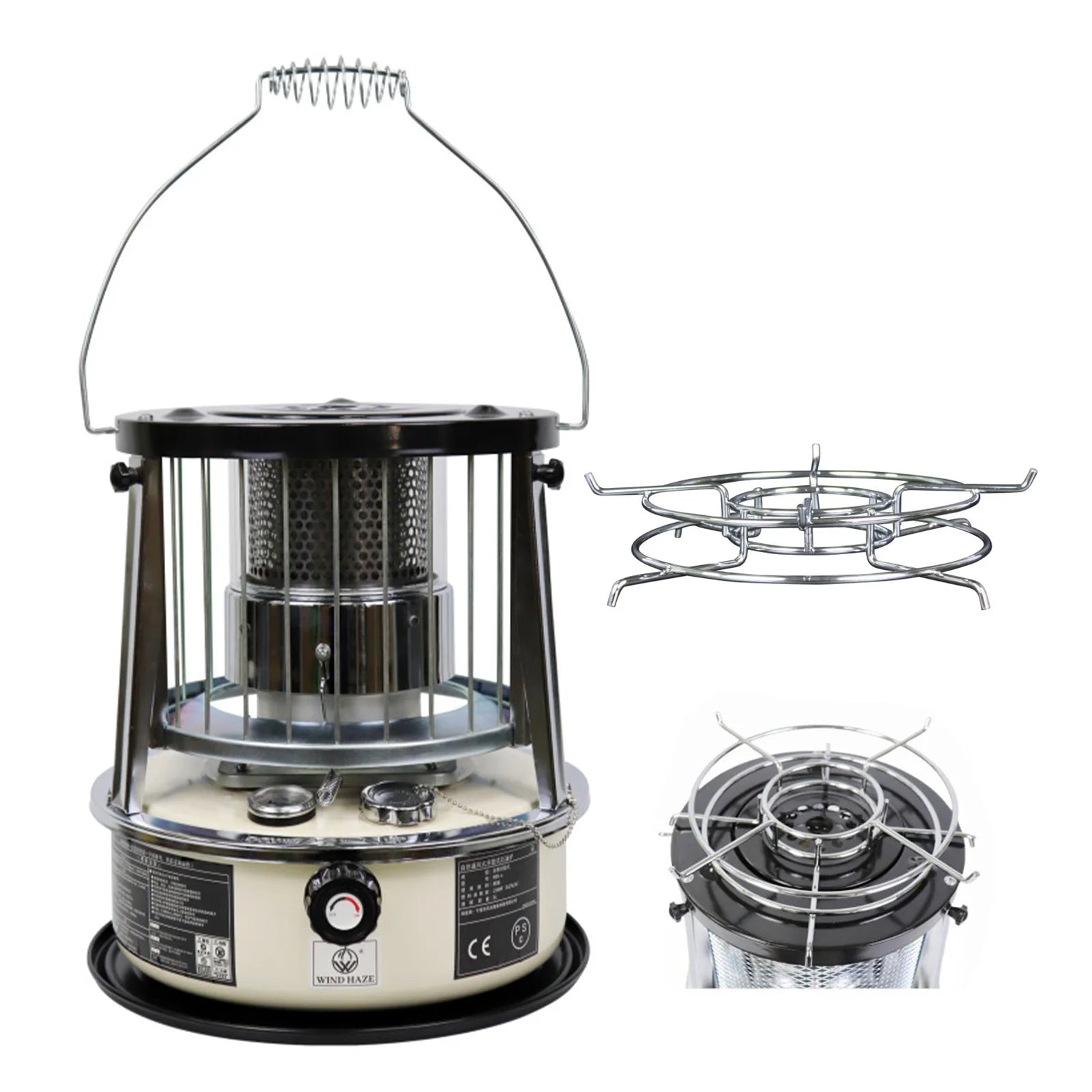
Correct setup makes a kerosene heater for indoor use safer — See it in action
Ventilation Requirements for Safe Indoor Use
How much ventilation is needed
Keep at least one window slightly open whenever a kerosene heater is operating. Even a small amount of continuous fresh air can significantly improve indoor air quality.
Signs of poor ventilation
- Persistent fuel odors
- Condensation forming on windows
- Yellow or unstable flames
- Headaches or dizziness among occupants
Using carbon monoxide detectors
Install working CO detectors in rooms where kerosene heaters are used and near sleeping areas. Test alarms regularly and replace batteries according to the manufacturer's schedule.
Fuel Quality, Storage, and Refilling Safety
Use the correct kerosene
Always use clean, high-quality 1-K kerosene. Lower-quality or contaminated fuel increases soot, odor, and incomplete combustion.
Safe storage
- Store fuel in approved containers.
- Clearly label containers.
- Keep fuel outside living areas in a cool, dry location.
Refill only when cool
Never refill a hot heater. Allow it to cool completely, refill outdoors if possible, wipe away spills immediately, and securely tighten the fuel cap before relighting.
Common Mistakes That Make Kerosene Heaters Unsafe Indoors
Poor placement
Operating too close to furniture, curtains, or traffic paths increases fire risk.
Using the wrong fuel
Never substitute gasoline, diesel, or other fuels for kerosene.
Ignoring maintenance
Replace worn wicks as recommended and inspect the heater before each heating season.
Operating without ventilation
Running a kerosene heater in a tightly sealed room is one of the most common causes of indoor safety incidents.
| ❌ Avoid | ✅ Do Instead |
|---|---|
| Wrong fuel | Use clean 1-K kerosene only |
| No ventilation | Provide continuous fresh air |
| Skipping maintenance | Inspect and maintain regularly |
| Unsafe placement | Maintain safe clearances |
Can You Sleep with a Kerosene Heater On?
Overnight operation
For maximum safety, avoid sleeping with a kerosene heater running. Although some indoor-rated models are designed with multiple safety features, they should not be relied upon as unattended overnight heating.
Emergency heating situations
During severe weather or extended power outages, use the heater only while occupants are awake and able to monitor it. Ensure ventilation remains open throughout operation.
Power outage guidance
- Keep extra approved fuel available.
- Maintain working CO detectors.
- Keep a fire extinguisher nearby.
- Switch the heater off before going to sleep.
“During last winter's outage, our indoor kerosene heater kept the living room warm for hours. It gave us real peace of mind.” — Verified Homeowner
Get yours now — limited stock!
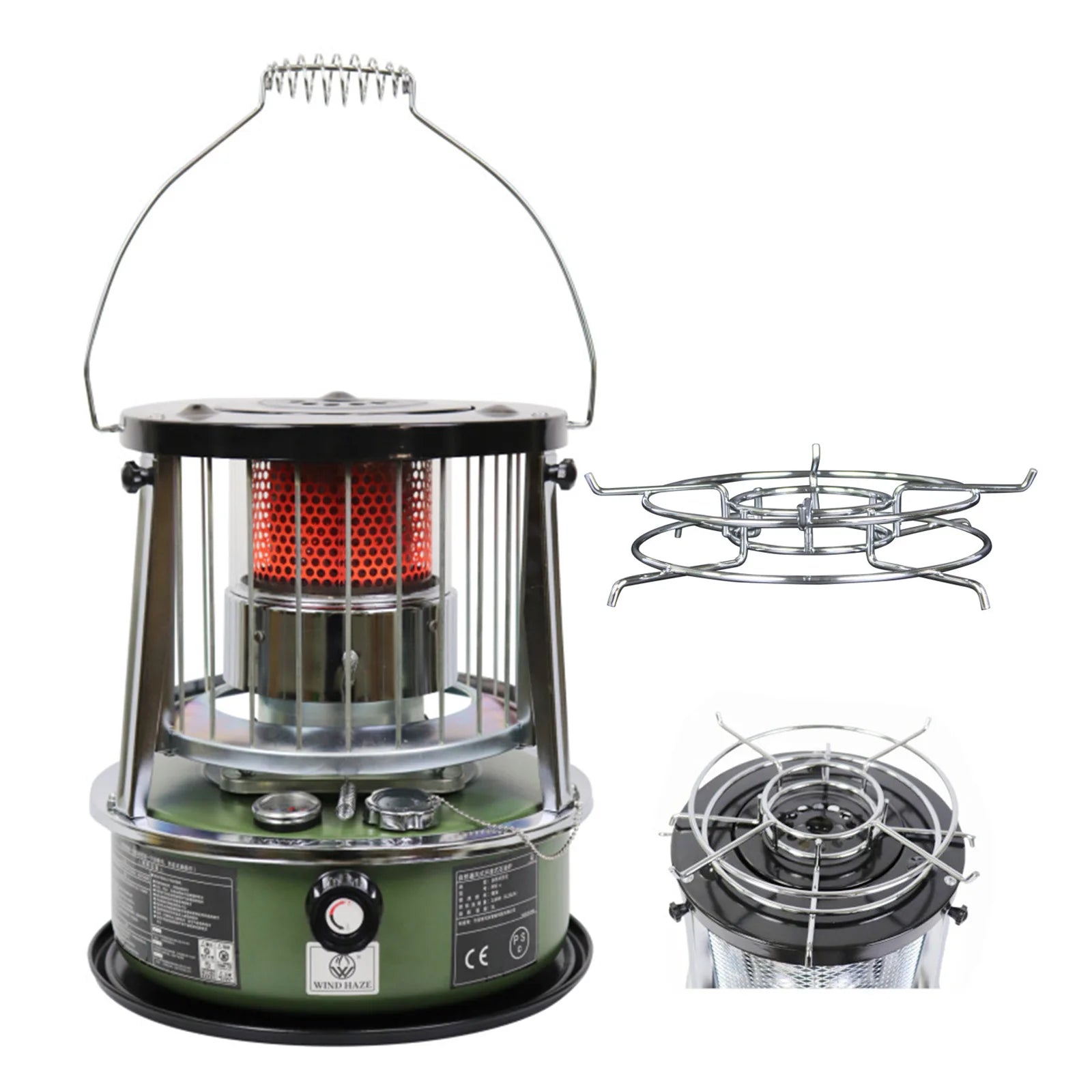
The safest kerosene heater for indoor use starts with smart habits — See it in action
Kerosene Heater Safety Checklist
- ✓ Inspect the heater before every use.
- ✓ Burn only approved 1-K kerosene.
- ✓ Keep a window slightly open.
- ✓ Test carbon monoxide detectors monthly.
- ✓ Keep combustible materials away.
- ✓ Never leave the heater unattended.
- ✓ Allow the heater to cool before refueling.
- ✓ Keep a fire extinguisher accessible.
Safer Alternatives for Indoor Heating
Electric space heaters
Electric heaters eliminate combustion gases but require electricity and should also be used according to fire safety guidelines.
Vented heating systems
Direct-vent furnaces and permanently installed heating systems provide better long-term indoor air quality because combustion gases are exhausted outdoors.
When to choose another option
If your home cannot provide adequate ventilation, if occupants have respiratory conditions, or if heating will be needed continuously, an electric or permanently vented heating system may be the safer choice.
Frequently Asked Questions
Can you use a kerosene heater indoors every day?
It is better to use an indoor-rated kerosene heater as temporary or supplemental heat rather than as a permanent everyday heating solution.
Do kerosene heaters produce carbon monoxide?
Yes. All kerosene heaters produce carbon monoxide during combustion, making ventilation and CO detectors essential.
Can you sleep with a kerosene heater on?
No. For safety, turn the heater off before sleeping rather than leaving it unattended overnight.
How much ventilation does a kerosene heater need?
At minimum, keep a window slightly open and ensure continuous fresh-air exchange while the heater operates.
Is kerosene safe to use indoors?
Only refined 1-K kerosene intended for indoor heaters should be used inside a home.
Can a kerosene heater be used indoors during a power outage?
Yes. Indoor-rated kerosene heaters are commonly used for emergency heating during outages, provided proper ventilation and safety precautions are maintained.
Are indoor-rated kerosene heaters safer than outdoor models?
Yes. Indoor-rated models are specifically designed for residential use and should always be chosen over outdoor construction heaters.
Can children and pets stay in a room with a kerosene heater?
Yes, but only with close supervision and adequate safety clearances to prevent accidental contact with hot surfaces.
What should you do if you smell fumes from a kerosene heater?
Turn the heater off immediately, ventilate the room, inspect for improper fuel or maintenance issues, and do not restart the heater until the cause has been corrected.
For more balanced home comfort solutions, many readers explore wellness-focused options within the Body Care and Health Devices collection to support everyday living beyond winter heating.
Related Guide: Kerosene Heater Safety Guide for Confident Indoor Heating