Does a door draft stopper for cold air really work?
An insulated door draft stopper works by sealing the gap beneath a door where heated indoor air escapes and cold outdoor air enters. When properly sized and installed, a quality door draft stopper for cold air can reduce heat loss at common leak points, improve indoor comfort, and help lower heating costs. While it is not a substitute for full home insulation or replacing damaged doors, it is one of the most affordable ways to reduce drafts in older homes, apartments, and rental properties.
Best Insulated Door Draft Stopper for Old Drafty Houses (Buyer’s Guide)
⏱ 6 min read
Cold floors, chilly entryways, and constant drafts are common frustrations in older homes. Even a small gap beneath a door allows cold air to enter while letting expensive heated air escape. The right insulated door draft stopper offers a fast, tool-free upgrade that improves comfort, reduces unwanted airflow, and helps your heating system work more efficiently without major renovations.
Best Door Draft Stopper for Cold Air (Top Picks by Type & Use Case)
The best door draft stopper depends on your door type, floor surface, gap size, and whether you need a removable or permanent solution. Below are the most effective options for improving insulation while balancing installation effort, durability, and value.
Best Under Door Draft Blocker (For Large Gaps)
An under door draft blocker is ideal for gaps between approximately 0.5 and 1.5 inches. Sliding onto the bottom of the door, it seals both sides simultaneously to reduce drafts, dust, and noise. Installation takes only minutes, making it one of the best door draft stopper choices for renters and homeowners alike.
Best for: Large gaps, interior doors, apartments, and temporary seasonal insulation.
Best Adhesive Door Insulation Strip (For Side & Top Leaks)
Cold air often leaks around the sides and top of the frame—not just underneath the door. A quality door insulation strip seals these narrow gaps using flexible weather-resistant materials, improving overall energy efficiency and reducing heat loss throughout winter.
Best for: Small perimeter gaps, exterior entry doors, and improving overall door insulation.
Best Door Sweep (Permanent Fix for Exterior Doors)
Door sweeps mount to the bottom edge of an exterior door to create a durable barrier against cold air, rain, dust, and insects. Although installation requires basic tools, they offer excellent long-term performance for frequently used entry doors.
Best for: Exterior doors, high-traffic entrances, and homeowners seeking a permanent solution.
Best Weighted Draft Stopper (For Old or Uneven Floors)
Weighted fabric draft stoppers filled with foam or dense materials naturally conform to uneven flooring and irregular door gaps. They require no installation and are easy to reposition, making them particularly effective in older houses where floors or door frames have settled over time.
Best for: Historic homes, uneven flooring, and seasonal draft protection.
Best Door Draft Stopper for Apartments
Apartment residents typically benefit from removable under door draft blockers or adhesive seals that leave no permanent marks. These options improve comfort, reduce hallway noise, and help maintain indoor temperatures while complying with rental restrictions.
Best for: Renters, dorms, condos, and temporary living spaces.
Best Solution for Sliding Glass Doors
Sliding patio doors require flexible weather seals designed specifically for moving panels. Combining a door insulation strip with a bottom seal helps reduce drafts while allowing smooth operation throughout the winter.
Best for: Patio doors, balcony entrances, and large glass sliding doors.
Quick Comparison: Which Draft Blocker for Doors Works Best?
| Solution | Best For | Gap Size | Durability | Installation | Value |
|---|---|---|---|---|---|
| Under door draft blocker | Large gaps, renters | Up to 1.5 in. | Good | Very easy | Excellent |
| Adhesive door insulation strip | Side and top leaks | Small gaps | Very good | Easy | Excellent |
| Door sweep | Exterior doors | Medium gaps | Excellent | Moderate | High |
| Weighted draft stopper | Uneven floors, older homes | Variable | Good | No installation | Very good |
For the best overall performance, many homeowners combine an under door draft blocker with adhesive door insulation strips to seal both the bottom and perimeter of the door, reducing heat loss more effectively than either solution alone.
Explore how an insulated door draft stopper works in real homes.

Insulated door draft stopper blocking cold air at the door See it in action
Why Old Houses Lose Heat Through Doors
Older homes were often built before today's energy-efficiency standards, making doors one of the most common sources of unwanted heat loss. As houses naturally settle over time, door frames can shift, weather seals wear out, and small gaps develop around the sides or beneath the door. These openings allow cold outdoor air to enter while letting warm indoor air escape.
Although each gap may appear minor, the combined effect can make rooms feel noticeably colder and force heating systems to run longer to maintain a comfortable temperature. Addressing these leaks is one of the simplest ways to reduce heat loss through doors without replacing the entire door assembly.
- Cold floors and uncomfortable drafts near entryways
- Noticeable airflow around closed doors
- More outside noise entering the home
- Higher heating bills with inconsistent indoor temperatures
- Reduced overall comfort during winter months
To improve overall insulation, you can also explore door insulation solutions for entryways that complement draft stoppers.
What Is an Insulated Door Draft Stopper?
An insulated door draft stopper is designed to seal gaps around or beneath a door to reduce unwanted airflow and improve energy efficiency. Unlike basic fabric draft blockers that simply obstruct moving air, insulated models use dense materials that help slow heat transfer while creating a tighter seal against cold drafts.
How insulated designs differ from basic draft stoppers
Standard draft stoppers primarily reduce airflow, but insulated designs combine effective air sealing with thermal insulation. Depending on the product, they may feature high-density foam, flexible silicone, multi-layer fabric, or magnetic sealing systems that better conform to uneven gaps. This construction helps improve comfort while reducing heat loss during colder months.
The performance of an insulated door draft stopper depends heavily on its materials and overall design. Higher-density foam resists compression, silicone maintains flexibility across changing temperatures, and durable outer fabrics withstand daily use without wearing out quickly.
A well-made door cold air stopper creates a consistent seal that minimizes drafts while allowing the door to operate normally. Choosing quality materials also improves durability, making the product effective across multiple winter seasons.
How to Choose the Best Door Draft Stopper for Cold Air
Choose by door type
The location of the door plays an important role when selecting the best door draft stopper. Exterior entry doors generally benefit from durable door sweeps or insulated under-door blockers, while interior doors often require lightweight removable options. Apartment doors usually benefit from non-permanent solutions that leave no damage when removed.
Choose by floor surface
Different flooring materials affect how well a draft stopper seals. Smooth hardwood, tile, and laminate floors work well with slide-on draft blockers, while uneven wood floors or carpeted surfaces often require weighted or flexible designs that maintain contact with the floor.
Choose by climate
Homes in colder regions typically benefit from insulated materials with better thermal performance, whereas milder climates may only require a basic draft blocker for doors. In areas with severe winter weather, combining a bottom seal with perimeter weather stripping provides the most effective protection against cold air infiltration.
- Gap size: Measure the space beneath the door before purchasing to ensure complete coverage.
- Material: High-density foam, silicone, and insulated multi-layer fabrics generally outperform thin fabric designs.
- Installation type: Choose removable models for rentals or permanent door sweeps for long-term exterior protection.
- Floor type: Flexible or weighted draft blockers perform better on uneven flooring.
- Durability: Weather-resistant materials last longer on frequently used exterior doors and require less maintenance.
The best door draft stopper for cold air combines effective insulation, proper sizing, durable construction, and an installation method that matches your home and climate, delivering reliable performance season after season.
How to Measure Your Door Gap (Avoid Buying the Wrong Size)
Choosing the correct size is essential for achieving a tight seal. A draft stopper that is too small allows cold air to pass through, while one that is too large may drag on the floor or prevent the door from closing smoothly.
- Close the door completely before taking any measurements.
- Measure the vertical gap between the bottom of the door and the floor at several points.
- Check whether the gap is consistent or uneven across the full width of the door.
- Measure the door width to ensure the draft blocker provides complete coverage.
- Confirm there is enough floor clearance for slide-on or under door draft blocker designs.
Most under door draft blocker products perform best on gaps between approximately 0.5 and 1.5 inches. Larger openings may require adjustable models, oversized draft blockers, or a combination of a door sweep and weather sealing.
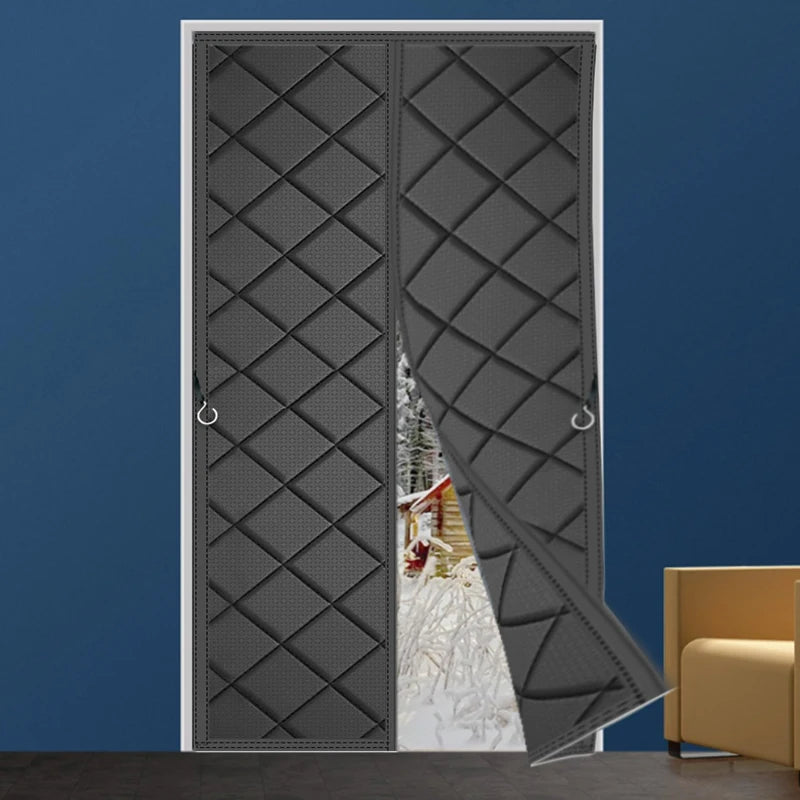
Door cold air stopper sealing the gap under an old door Feel the warmth
How to Install and Use a Door Draft Stopper Properly
Correct installation is just as important as choosing the right product. A properly fitted draft stopper creates a continuous seal without interfering with normal door movement, helping stop cold air from entering while maximizing insulation performance.
Adhesive models
- Clean and dry the door or frame thoroughly.
- Measure and trim the door insulation strip if necessary.
- Peel away the backing and apply firm, even pressure along the surface.
- Allow the adhesive to bond before regular use, following the manufacturer's instructions.
Common mistake: Applying adhesive strips to dusty or damp surfaces, which can reduce adhesion and shorten product life.
Slide-on models
- Measure the door thickness to ensure compatibility.
- Slide the draft blocker evenly onto the bottom edge.
- Adjust both sides so the seal lightly touches the floor without excessive friction.
- Open and close the door several times to verify smooth operation.
Common mistake: Choosing a model designed for a larger gap, causing unnecessary drag or making the door difficult to open.
Door sweeps
- Position the sweep so it lightly contacts the floor.
- Mark the mounting holes accurately.
- Secure the sweep using the supplied hardware.
- Test the seal and make minor adjustments if light or airflow remains visible.
Door sweeps are an excellent long-term solution for frequently used exterior doors, offering greater durability than many removable products.
Maintenance tips: Inspect seals at least once each heating season, clean away accumulated dust and debris, and replace worn foam, silicone, or weather stripping if it becomes compressed or damaged. Regular maintenance helps maintain peak insulation performance year after year.
See how the insulated door draft stopper installs in minutes.
Door Sweep vs Draft Stopper vs Door Seal: Which Is Better?
Each draft-proofing solution addresses a different type of air leak. The best choice depends on where the draft originates, the size of the gap, and whether you want a removable or permanent installation.
| Solution | Best For | Installation | Durability | Performance |
|---|---|---|---|---|
| Insulated door draft stopper | Large gaps under doors | Easy | Good | Excellent for reducing drafts and heat loss |
| Door sweep | Exterior doors with frequent use | Moderate | Excellent | Long-lasting protection against cold air and debris |
| Door seal or insulation strip | Side and top frame gaps | Easy | Very good | Excellent for sealing narrow air leaks |
| Basic fabric draft blocker | Temporary indoor use | None | Moderate | Suitable for light drafts only |
For the best winter performance, combine a door sweep or insulated draft stopper beneath the door with a quality door seal around the frame. This layered approach helps minimize both airflow and heat transfer while improving overall energy efficiency.
Best Use Cases by Door Type
Front Doors
Front entry doors are exposed to outdoor weather and benefit most from insulated draft stoppers or door sweeps paired with perimeter door seals. This combination helps reduce heat loss while keeping dust and cold air outside.
Apartment Doors
Renters typically prefer removable under door draft blockers or adhesive insulation strips that install quickly and can be removed without damaging the door or frame.
Garage Doors
Doors leading into attached garages should use durable door sweeps together with insulation strips to reduce cold air infiltration from unheated spaces.
Sliding Doors
Sliding glass doors perform best with flexible weather seals designed for moving panels. These maintain smooth operation while reducing drafts around large glass openings.
Interior Doors
Interior doors separating conditioned and unconditioned rooms, such as basements or laundry areas, can benefit from lightweight draft blockers to improve comfort throughout the home.
For full weatherproofing, combining door solutions with window sealing methods can further reduce drafts and energy loss.
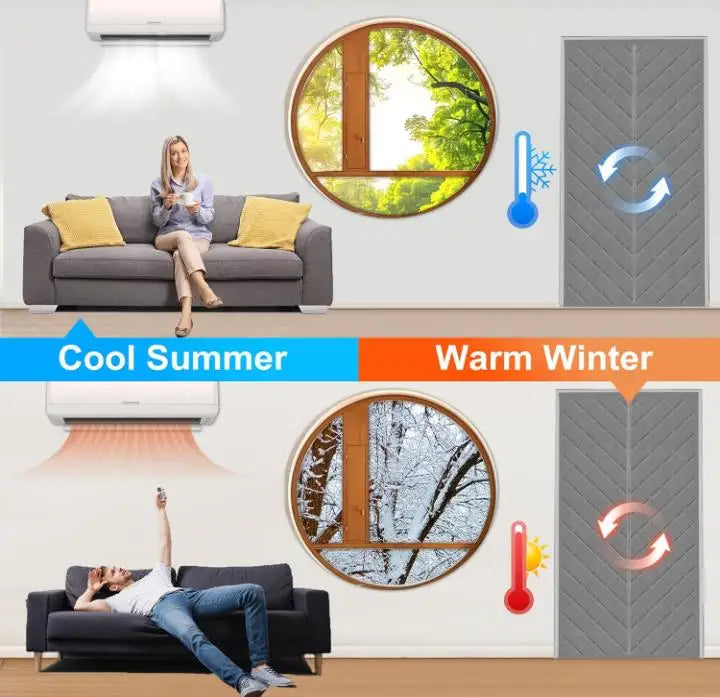
Fix drafty doors and reduce heat loss fast Upgrade your comfort
Common Mistakes When Buying a Door Draft Stopper
Even the best door draft stopper won't perform well if it is the wrong size or type for your home. Avoid these common mistakes to maximize comfort, durability, and energy savings.
- Choosing the wrong size: Always measure both the door width and the gap height before purchasing.
- Selecting the wrong material: Thin fabric works for light indoor drafts, while foam, silicone, and insulated designs provide better winter performance.
- Ignoring floor type: Uneven floors often require weighted or flexible draft blockers instead of rigid models.
- Using a temporary solution where a permanent one is needed: Exterior doors with heavy daily use may benefit more from a door sweep combined with weather stripping.
- Overlooking side and top gaps: A draft stopper seals the bottom of the door, but air can still leak around the frame if perimeter seals are worn.
Choosing the correct combination of products helps fix drafty doors more effectively and delivers better long-term value.
Pairing this with other upgrades from the Lifestyle collection can further improve your home's comfort.
Get yours now and enjoy a warmer, quieter home.
Frequently Asked Questions
What is the best door draft stopper for cold air?
The best option depends on your door and the size of the gap. Under door draft blockers are excellent for larger gaps, while door sweeps and adhesive insulation strips provide better long-term protection for exterior doors.
Do insulated door draft stoppers really reduce heating costs?
They can help reduce heating costs by minimizing heat loss through gaps beneath doors. Actual savings depend on your home's insulation, climate, heating system, and the number of drafty openings being sealed.
How do I stop cold air coming under my door?
Measure the gap first, then install a properly sized under door draft blocker or door sweep. For the best results, seal the sides and top of the frame with weather stripping if those areas also leak air.
What size door gap can an under door draft blocker seal?
Most models are designed for gaps between approximately 0.5 and 1.5 inches. Larger openings may require adjustable or oversized products.
Are adhesive door insulation strips better than door sweeps?
They serve different purposes. Adhesive strips seal the sides and top of the door frame, while door sweeps protect the bottom edge. Combining both typically provides the most effective seal.
Can renters use removable draft blockers?
Yes. Many slide-on and weighted draft blockers require no drilling or permanent installation, making them suitable for apartments and rental homes.
How long do door draft stoppers last?
A quality insulated draft stopper can last several years with normal use. Lifespan depends on material quality, exposure to weather, and how frequently the door is used.
Do draft stoppers also reduce outside noise?
Yes. While their primary purpose is reducing airflow and heat loss, many insulated models also help limit dust, odors, and some outside noise by sealing gaps beneath the door.
Related Guide: Insulated Door Curtain for Apartments Cold Entry Doors