

Intelligent Path Detection Cleaning Explained: How Robot Window Cleaners Navigate Glass Efficiently
Does Intelligent Path Detection Cleaning Really Improve Window Coverage?
Intelligent path detection cleaning uses sensors and algorithms to map glass surfaces and guide movement in precise patterns, reducing missed spots and unnecessary overlap. By optimizing routes in real time, this technology delivers more consistent window cleaning coverage, shortens cleaning cycles, and makes automatic window cleaner efficiency noticeably higher than random navigation systems.
⏱ 6 min read
Streaks you can't explain. Corners that never seem fully clean. And that nagging feeling your window robot is simply wandering. Intelligent path detection cleaning solves these problems by combining edge sensors, mapping algorithms, and systematic movement so every section of glass receives consistent attention with minimal supervision.
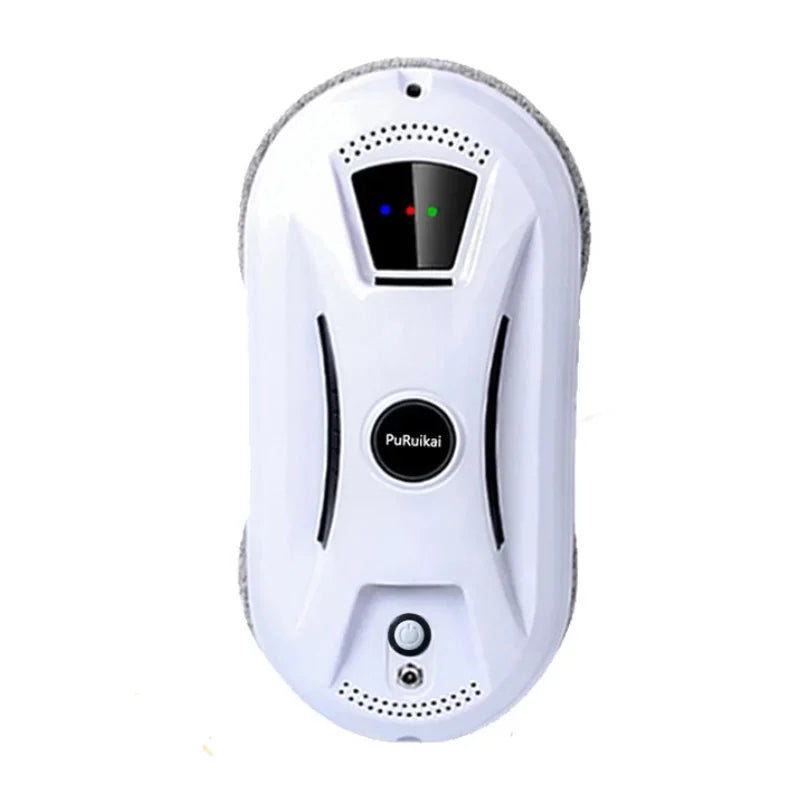
Smarter routes, fewer missed spots — intelligent path detection cleaning in action. See it in action.
How Robot Window Cleaner Path Detection Works: Step-by-Step Navigation Process
Startup and Surface Detection
When placed on glass, the robot verifies suction, identifies the surface, and calibrates its sensors. This initialization helps determine whether the glass is suitable for safe operation before cleaning begins.
Initial Edge Detection and Boundary Scan
Using robot window cleaner path detection, the machine scans surrounding edges, frames, and glass boundaries. These measurements establish the cleaning area and prevent unnecessary movement beyond the window.
Systematic Cleaning Route Execution
Instead of wandering randomly, modern window cleaning robots navigate in organized paths that combine overlapping passes with directional changes. As the robot encounters obstacles or edges, it recalculates the route to maintain complete coverage while avoiding repeated cleaning of the same area.
Coverage Verification and Return to Finish
Once the planned route is complete, the robot confirms the mapped area has been covered. Many models automatically return to their finishing position, making the entire window cleaning robot process predictable from start to finish.
Why Window Cleaning Coverage Matters
Coverage quality determines whether a robot finishes the job in one pass or requires repeated manual touch-ups. Even powerful suction cannot compensate for poor navigation if sections of glass are skipped.
Coverage vs Streak Prevention
Consistent movement distributes cleaning pressure evenly across the surface. This helps minimize streaks that commonly appear when areas receive too little or too much wiping.
How Overlap Improves Results
A slight overlap between cleaning passes is intentional. Rather than wasting time, controlled overlap ensures no narrow strips of glass remain untouched while still avoiding excessive duplicate movement.
Edge Detection Technology
Infrared and proximity sensors continuously detect window boundaries so the robot knows when to turn, reverse, or change direction.
Gyroscopes and Accelerometers
Internal motion sensors monitor orientation and movement. They help the robot maintain stable travel even when changing direction or cleaning tall vertical glass.
Vacuum Pressure Monitoring
Pressure sensors constantly measure suction strength. If suction changes unexpectedly because of dust, gaps, or movement, the navigation system adjusts speed or pauses to maintain safe adhesion.
Optical and Laser Sensors
Some premium robots incorporate optical positioning or laser-assisted measurement to improve robot window cleaner mapping accuracy, particularly on large uninterrupted glass panels.
AI Mapping and Cleaning Path Algorithms
AI mapping combines information from multiple sensors into one cleaning path algorithm. Rather than relying on a single sensor, the robot fuses position, movement, edge, and suction data to decide where to move next and how to complete the surface efficiently.
Common Cleaning Path Patterns Explained
Z-Pattern
Common for rectangular windows, the Z-pattern offers fast coverage while maintaining predictable overlap.
N-Pattern
Alternating vertical movements work well on tall windows and reduce unnecessary direction changes.
S-Pattern
Smooth curved transitions help maintain continuous movement while reducing abrupt stops that may leave visible marks.
Edge-First Cleaning
Some robots clean borders first before filling the center. This ensures corners and edges receive attention early in the cleaning cycle.
Grid Navigation
Advanced AI models divide the window into virtual sections and systematically complete each one before moving to the next, improving overall coverage consistency.
How Intelligent Path Detection Reduces Cleaning Time
Route Optimization
Efficient route planning minimizes unnecessary travel by selecting the shortest practical cleaning sequence across the window.
Overlap Reduction
Accurate positioning reduces excessive repeated wiping while maintaining enough overlap to prevent missed strips.
Automatic Coverage Completion
Because the robot knows which sections have already been cleaned, it avoids random wandering. On large glass panels, systematic navigation often finishes noticeably faster than entry-level random navigation robots while delivering more consistent results.
- Fewer repeated passes
- Less repositioning by the user
- More predictable cleaning duration
- Improved automatic window cleaner efficiency
Framed vs Frameless Window Navigation
Frame Recognition
Framed windows provide clear boundaries that help edge detection technology determine where to change direction.
Edge Detection Without Frames
Frameless glass relies more heavily on optical sensors, pressure monitoring, and edge detection algorithms to recognize the end of the surface safely.
Safety Challenges
Very narrow glass, unusually shaped panels, or decorative obstacles may require slower movement as the navigation system performs additional verification before changing direction.
Navigation Technology Comparison: Random vs Systematic vs AI Mapping
| Navigation Type | Coverage | Cleaning Speed | Obstacle Handling | Best For |
|---|---|---|---|---|
| Random Navigation | Variable | Slowest | Limited | Small simple windows |
| Systematic Pattern | Good | Fast | Moderate | Standard household windows |
| AI Mapping | Excellent | Most efficient | Advanced | Large, frameless, or complex glass |
How Robot Window Cleaners Avoid Falling
Vacuum Safety
Continuous suction keeps the robot firmly attached throughout operation.
Backup Power
Many models include emergency battery backup that temporarily maintains adhesion if external power is interrupted.
Safety Rope
A safety tether provides an additional layer of protection during exterior window cleaning.
Slip Detection
Navigation software monitors unexpected movement. If slipping is detected, the robot immediately adjusts suction, stops, or changes direction to recover safely.
What Affects Navigation Accuracy?
Dirty Glass
Heavy dust or oily residue can reduce sensor performance and increase wheel slippage.
Dirty Sensors
Keeping sensors clean helps maintain accurate robot window cleaner navigation throughout each cleaning session.
Large Windows
Larger glass surfaces benefit the most from intelligent mapping because efficient route planning reduces unnecessary travel.
Obstacles and Window Handles
Handles, stickers, decorative trims, and unusual hardware require the navigation system to recalculate its cleaning path algorithm during operation.
Troubleshooting Poor Path Detection
Robot Loses Position
Clean the sensors, verify proper suction, and restart the calibration process.
Missed Areas
Check whether dirt buildup, obstacles, or incorrect placement interrupted the cleaning sequence.
Unexpected Stops
Inspect power connections, suction pads, and safety systems before restarting the robot.
Sensor Maintenance
Regularly wiping sensors and cleaning pads improves navigation reliability and helps maintain consistent coverage over time.
Real User Observations: Coverage, Time Savings, and Ease of Use
Brand Examples and Navigation Differences
Across robot window cleaner reviews, users consistently report that AI-mapped models produce fewer missed spots than random navigation designs, especially on large frameless glass. Most owners notice shorter cleaning sessions after the initial setup and appreciate that systematic navigation reduces the need for manual correction. Performance differences become most obvious on floor-to-ceiling windows and expansive glass doors where organized routing offers measurable efficiency gains.
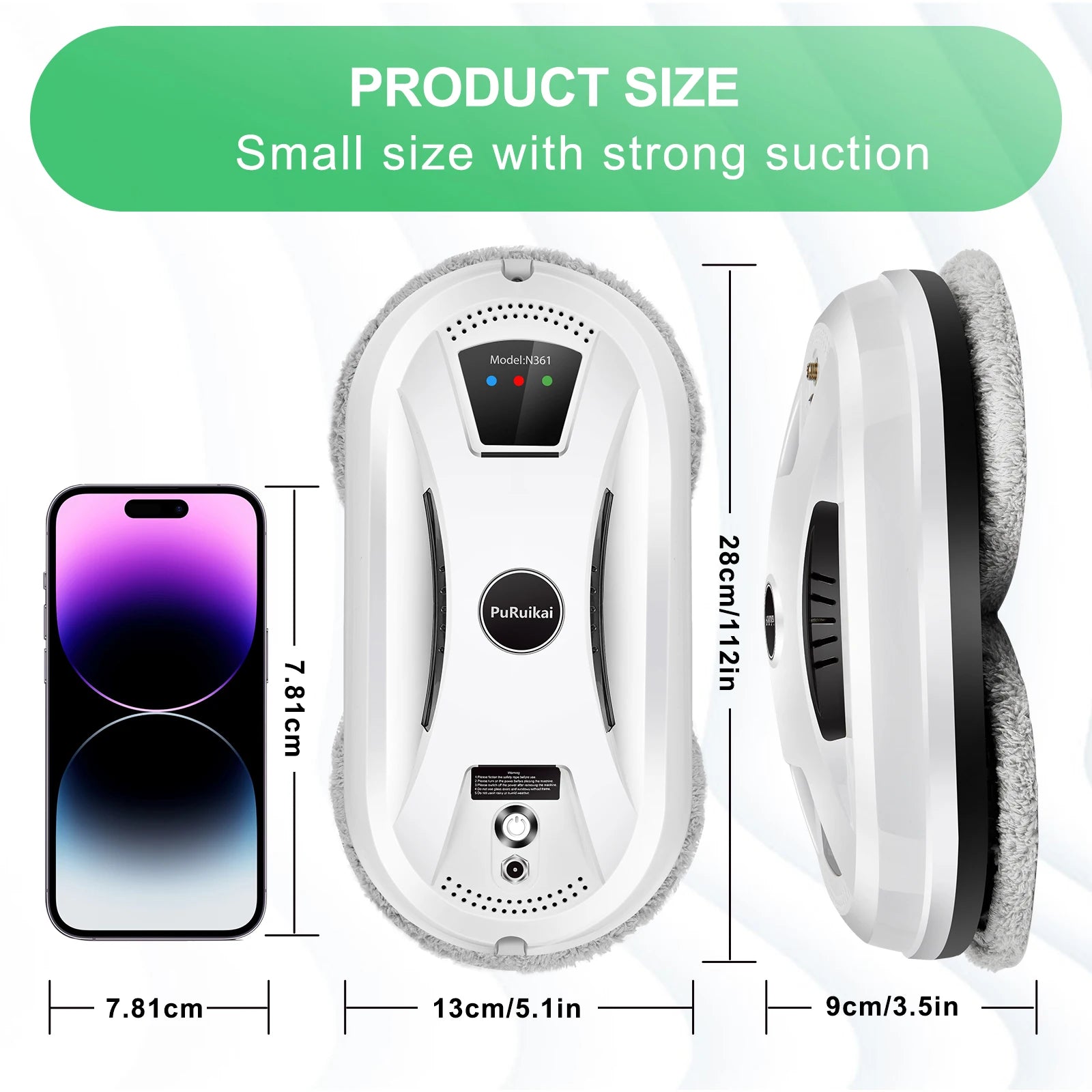
Consistent routes improve coverage across large glass surfaces.
Recommended Smart Window Cleaning Robot
The Smart Window Cleaning Robot combines intelligent path detection cleaning with adaptive navigation algorithms, helping deliver systematic coverage across large windows while reducing unnecessary repeat passes.

Designed for systematic window coverage using intelligent path detection.
Frequently Asked Questions
How does robot window cleaner path detection work?
The robot combines edge sensors, motion sensors, suction monitoring, and mapping algorithms to identify the window boundaries and follow an organized cleaning route until the entire surface is covered.
What sensors help robot window cleaners navigate?
Most models use infrared edge sensors, gyroscopes, accelerometers, pressure sensors, and sometimes optical or laser sensors to monitor movement and maintain accurate positioning.
Can robot window cleaners clean frameless windows safely?
Yes. Advanced edge detection technology identifies changes at the glass boundary even without physical frames, although performance depends on the quality of the sensor system.
What is the difference between AI mapping and random navigation?
Random navigation changes direction unpredictably, while AI mapping creates an organized cleaning plan using sensor data, resulting in better coverage and fewer repeated passes.
Why does a robot window cleaner miss spots?
Missed areas are commonly caused by dirty sensors, obstacles, extremely irregular window shapes, or interrupted cleaning cycles rather than navigation technology alone.
How do robot window cleaners detect window edges?
Edge detection technology continuously scans the surface using proximity and infrared sensors to recognize where the glass ends and trigger directional changes.
Which cleaning pattern provides the best coverage?
Systematic grid or AI-generated routes generally provide the most consistent coverage because they balance overlap with efficient movement.
Can path detection reduce cleaning time?
Yes. Intelligent path detection reduces unnecessary movement, minimizes repeated cleaning, and allows the robot to complete windows more efficiently than random navigation models.
Related Guide: Smart Window Cleaning Robot: Features That Actually Matter













