Do EMS foot massagers really improve circulation and foot health?
Answer: EMS (Electrical Muscle Stimulation) foot massagers use low-level electrical impulses to trigger gentle muscle contractions. Clinical evidence suggests they may temporarily improve circulation, reduce muscle fatigue, and support rehabilitation in certain individuals. However, they are not a cure for vascular disease, neuropathy, or other underlying medical conditions, and results vary depending on the user's health and the device used.
⏱ 12 min read
EMS Foot Massager Health Benefits: Clinical Evidence, How It Works, and What to Expect
Cold feet, muscle fatigue, leg cramps, and poor circulation are common complaints among people who spend long hours sitting, standing, or recovering from injury. EMS foot massagers have become increasingly popular because they stimulate the muscles of the feet and lower legs without strenuous exercise. But how effective are they, and what does current research actually support? This guide explains how EMS technology works, reviews the available clinical evidence, and clarifies where traditional foot baths and ionic foot detox systems fit into a healthy foot-care routine.
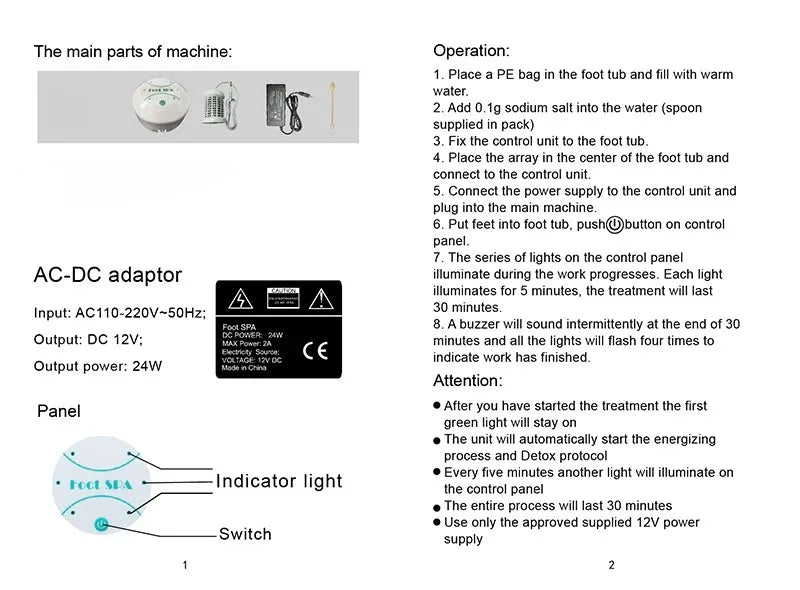
Foot therapy devices can promote relaxation, while EMS targets muscle activation to support circulation and recovery.
What Is an EMS Foot Massager?
An EMS (Electrical Muscle Stimulation) foot massager is a device that delivers low-frequency electrical impulses through foot pads or electrodes. These impulses activate muscles in the feet and lower legs, creating rhythmic contractions that may encourage blood flow, reduce muscle stiffness, and support rehabilitation after periods of inactivity or injury.
How EMS devices stimulate muscles
Unlike a traditional heated foot bath, EMS technology works by sending controlled electrical signals to motor nerves. The resulting muscle contractions imitate some of the effects of natural movement, making EMS a useful complementary therapy for selected users under appropriate guidance.
Common medical and consumer applications
Healthcare professionals have long used neuromuscular electrical stimulation during rehabilitation programs to help maintain muscle activity and improve functional recovery. Consumer EMS foot massagers adapt this technology for home use, although they generally operate at lower intensities and should be viewed as supportive wellness devices rather than medical treatments.
How Does an EMS Foot Massager Work?
EMS devices deliver carefully controlled electrical pulses through conductive foot pads. These pulses stimulate motor nerves beneath the skin, causing muscles in the feet and calves to contract and relax repeatedly during each treatment session.
Electrical stimulation and muscle contractions
Repeated muscle contractions help activate the calf muscle pump, an important mechanism that assists venous blood in returning toward the heart. This may temporarily improve circulation, decrease feelings of heaviness in the legs, and reduce muscle fatigue after prolonged sitting or standing.
How EMS differs from ionic foot detox and warm foot baths
EMS produces measurable neuromuscular stimulation, whereas warm foot baths primarily provide relaxation through heat and hydrotherapy. Ionic foot detox systems are often marketed with detoxification claims, but current scientific evidence does not support the idea that they remove toxins from the body. Their primary value is generally associated with the relaxing experience of soaking the feet rather than detoxification itself.
What Does the Clinical Evidence Say?
Research on EMS (Electrical Muscle Stimulation) is considerably stronger than the evidence supporting detox claims made for ionic foot baths. Clinical studies suggest that EMS may provide short-term improvements in muscle activation, circulation, and functional recovery for selected populations. However, the quality of evidence varies depending on the condition being treated, and EMS should be viewed as a complementary therapy rather than a replacement for medical care or exercise.
Systematic reviews and clinical findings
Studies evaluating neuromuscular electrical stimulation have reported benefits in maintaining muscle activity during rehabilitation, improving lower-limb muscle performance, and temporarily increasing local blood flow. These effects are most consistently observed when EMS is used alongside conventional rehabilitation, regular physical activity, or clinician-directed treatment plans.
Research limitations and evidence quality
Not all EMS devices are identical, and treatment protocols differ across clinical studies. Many investigations involve relatively small sample sizes or specific patient groups, making it difficult to generalize results to every healthy adult. Current evidence supports realistic expectations: EMS may temporarily relieve symptoms such as tired legs or muscle stiffness, but it does not treat the underlying causes of circulatory disorders, peripheral artery disease, or chronic neuropathy.
Evidence for Specific Health Benefits
Circulation support
Muscle contractions generated by EMS help activate the natural calf muscle pump, which can temporarily improve venous return and reduce feelings of heavy or tired legs. Warm foot baths may also increase superficial blood flow through heat, although the mechanisms differ significantly.
Pain relief and muscle recovery
Some users experience temporary reductions in muscle soreness and discomfort after EMS sessions. These benefits are believed to result from repeated muscle contractions, improved local circulation, and neuromuscular stimulation rather than detoxification or toxin removal.
Neuropathy and rehabilitation
Researchers continue to investigate whether EMS may help selected individuals with peripheral neuropathy or reduced lower-limb function. While early findings are encouraging in some rehabilitation settings, evidence remains limited, and EMS should not replace treatments recommended by a healthcare professional.
Detoxification claims examined
Scientific evidence does not support claims that ionic foot detox devices remove toxins from the body. The liver, kidneys, lungs, and digestive system remain the body's primary detoxification organs. Any relaxation experienced during a foot soak is more likely related to warm water, rest, and massage than to ionic detoxification.
Safety, Risks & Side Effects
EMS foot massagers are generally well tolerated when used according to manufacturer instructions, but they are not appropriate for everyone. Choosing comfortable intensity settings and following recommended session lengths can help minimize unwanted effects.
Potential risks
- Mild tingling or muscle soreness after higher-intensity sessions
- Temporary skin irritation where electrodes contact the skin
- Discomfort if stimulation intensity is increased too quickly
- Reduced effectiveness if used instead of appropriate medical treatment
Who should avoid EMS foot massagers
- People with pacemakers, implanted defibrillators, or other implanted electrical devices
- Pregnant individuals unless advised by a healthcare professional
- People with open wounds, active skin infections, or severe skin irritation on the feet
- Individuals with certain neurological or cardiovascular conditions unless cleared by their clinician
EMS Foot Massagers at Home vs Professional Therapy
Key differences
Home EMS foot massagers are designed for convenient, regular use, while professional neuromuscular electrical stimulation is typically delivered under the supervision of a physical therapist or rehabilitation specialist. Clinical settings often use more advanced equipment with customized treatment parameters based on an individual's condition and recovery goals.
Cost, convenience, and effectiveness
For people seeking ongoing relief from tired feet or muscle fatigue, a home EMS device is generally the more practical long-term option. Professional therapy may be more appropriate after surgery, injury, or during structured rehabilitation. Regardless of the setting, consistent use alongside exercise and healthy lifestyle habits usually provides better results than occasional sessions alone.
How to Use an EMS Foot Massager Safely
Before you begin
- Read the manufacturer's instructions carefully.
- Place the device on a stable, dry surface.
- Ensure your feet are clean and completely dry before starting.
- Begin with the lowest comfortable intensity level.
Recommended session routine
- Sit comfortably with both feet positioned on the EMS foot pads.
- Select a gentle stimulation program appropriate for beginners.
- Gradually increase the intensity until you feel comfortable muscle contractions without pain.
- Continue the session for approximately 15–20 minutes or as recommended by the manufacturer.
- Turn off the device before removing your feet and allow your muscles to relax afterward.
Best practices for safe use
- Use the device consistently rather than excessively.
- Stop immediately if stimulation becomes painful or uncomfortable.
- Keep electrode surfaces clean according to manufacturer recommendations.
- Consult a healthcare professional if you have chronic medical conditions or develop persistent symptoms.
Comparing Foot Therapy Options: EMS vs Ionic Foot Detox vs Warm Foot Bath vs Vibration Therapy
EMS vs ionic foot detox
EMS and ionic foot detox work through entirely different mechanisms. EMS generates electrical impulses that stimulate muscles and nerves, producing measurable muscle contractions supported by clinical research in rehabilitation settings. In contrast, ionic foot detox devices are marketed around detoxification claims that remain unsupported by high-quality scientific evidence. Their primary benefit is the relaxing experience of soaking the feet.
EMS vs warm foot bath
A traditional warm foot bath increases comfort by relaxing muscles and temporarily widening superficial blood vessels through heat. EMS adds active muscle stimulation, which may further support venous return and reduce muscle fatigue. Many people find that combining gentle hydrotherapy with regular movement provides greater overall comfort than relying on either approach alone.
EMS vs vibration therapy
Vibration therapy uses mechanical oscillations to stimulate soft tissues and improve comfort, whereas EMS directly activates muscles through electrical impulses. Vibration devices may be preferred for general relaxation, while EMS is often chosen when muscle activation and rehabilitation support are primary goals. The most appropriate option depends on individual symptoms, medical history, and intended use.
| Therapy | Primary mechanism | Evidence | Best suited for |
|---|---|---|---|
| EMS foot massager | Electrical muscle stimulation | Moderate clinical support for selected uses | Muscle activation, circulation support, rehabilitation |
| Ionic foot detox | Warm water with ionic array | No reliable evidence for detoxification | Relaxation and home spa experience |
| Warm foot bath | Heat therapy | Good evidence for temporary comfort | Cold feet, relaxation, muscle tension |
| Vibration therapy | Mechanical stimulation | Limited to moderate evidence depending on application | General relaxation and soft-tissue stimulation |
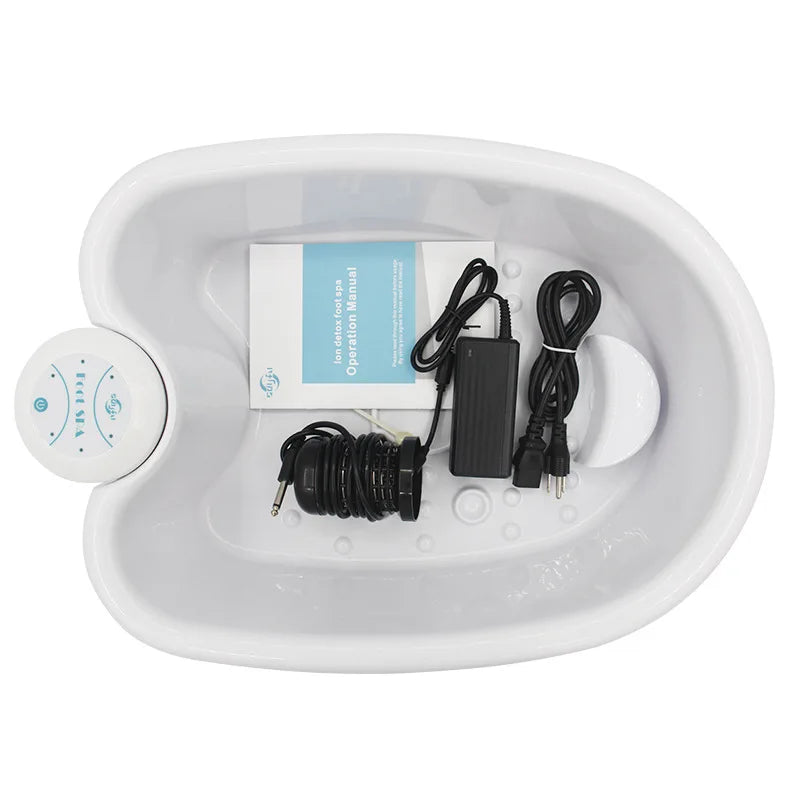
Muscle activation combined with heat therapy may improve comfort and temporarily support healthy circulation.
Who May Benefit Most from EMS Foot Massagers?
Older adults
Older adults who spend extended periods sitting or experience occasional leg fatigue may benefit from the gentle muscle contractions produced by EMS. When combined with regular walking, stretching, and clinician-recommended exercise, EMS may help reduce feelings of heaviness and improve overall comfort.
People in rehabilitation
Individuals recovering from orthopedic injuries or periods of reduced mobility sometimes use neuromuscular electrical stimulation as part of a structured rehabilitation program. Home EMS foot massagers should be considered a supportive wellness tool rather than a substitute for supervised physical therapy.
Individuals with sedentary lifestyles
People who spend much of the day at a desk or standing in one place may appreciate temporary relief from muscle fatigue after EMS sessions. However, regular movement, strength training, and healthy circulation habits remain the foundation of long-term foot and leg health.
Realistic expectations
EMS foot massagers can help support comfort, muscle activation, and temporary circulation improvements, but they are not designed to diagnose, prevent, or cure chronic vascular disease, diabetic neuropathy, or other underlying medical conditions. Persistent pain, swelling, numbness, or color changes in the feet should be evaluated by a qualified healthcare professional.
Bottom Line: Are EMS Foot Massagers Clinically Effective?
Current research indicates that EMS foot massagers have a stronger scientific foundation than ionic foot detox systems for supporting muscle activation and short-term circulation improvements. Although the available evidence varies by condition and treatment protocol, EMS has established clinical applications in rehabilitation and may provide meaningful symptom relief for some users when used appropriately.
Warm foot baths remain an effective option for relaxation and temporary comfort, while ionic foot detox systems should be viewed primarily as wellness products rather than detoxification devices. Choosing the right therapy depends on your health goals, medical history, and the advice of your healthcare provider.
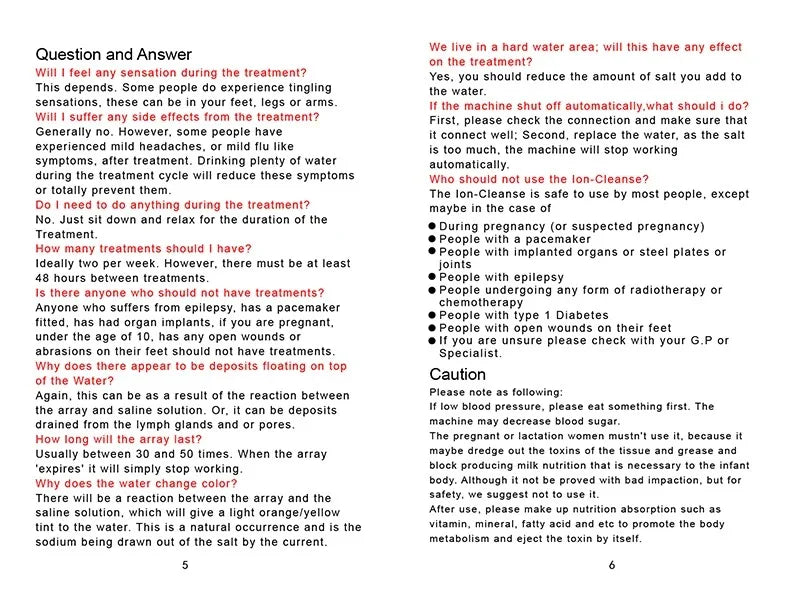
For many users, combining regular movement, appropriate heat therapy, and evidence-based EMS provides the most practical approach to supporting foot comfort and circulation.
FAQ: EMS Foot Massagers and Ionic Foot Detox
Do EMS foot massagers really improve circulation?
EMS foot massagers may temporarily improve circulation by stimulating repeated muscle contractions that assist venous return. Clinical studies support short-term improvements in muscle activation and blood flow, but EMS should not be considered a treatment for vascular disease or poor circulation caused by underlying medical conditions.
Is there clinical evidence that EMS foot massagers reduce pain?
Research suggests EMS may help reduce muscle soreness, fatigue, and certain types of musculoskeletal discomfort when used appropriately. The quality of evidence varies by condition, and results are generally strongest when EMS is combined with exercise or rehabilitation rather than used alone.
Can EMS foot massagers help diabetic neuropathy?
Evidence for diabetic peripheral neuropathy is still limited. Some studies suggest EMS may improve comfort or muscle function in selected individuals, but it does not reverse nerve damage or replace medical treatment. People with diabetes should consult their healthcare provider before beginning EMS therapy.
How is EMS different from TENS?
EMS primarily stimulates muscles to produce visible contractions that support muscle activity and circulation. TENS (Transcutaneous Electrical Nerve Stimulation) mainly targets sensory nerves to help manage pain and usually does not produce strong muscle contractions. Although both use electrical impulses, they serve different therapeutic purposes.
Are EMS foot massagers safe for older adults?
Many healthy older adults can safely use EMS foot massagers when following the manufacturer's instructions. Individuals with pacemakers, implanted electrical devices, severe circulatory disorders, or other significant medical conditions should seek medical advice before use.
Who should not use an EMS foot massager?
EMS is generally not recommended for people with pacemakers or implanted defibrillators, those who are pregnant unless medically advised, individuals with open wounds or active skin infections on the feet, or anyone whose healthcare professional has advised against electrical stimulation therapy.
Does ionic foot detox work according to research?
Current scientific evidence does not support claims that ionic foot detox removes toxins from the body. Most reported benefits are associated with warm-water soaking and relaxation rather than detoxification.
Why does ionic foot detox water change color?
The discoloration is primarily caused by oxidation of the metal electrodes and chemical reactions with minerals or salts in the water. Research has not shown that the color change represents toxins leaving the body.
Can EMS replace physical therapy?
No. EMS can complement rehabilitation by supporting muscle activation and recovery, but it should not replace individualized physical therapy, exercise programs, or medical treatment prescribed by a healthcare professional.
How often should you use an EMS foot massager?
Most manufacturers recommend sessions lasting about 15–30 minutes several times per week, although exact guidance varies by device. Follow the product instructions and discontinue use if you experience discomfort or unusual symptoms.
Related tools and reading: check complementary devices in Body Care and Health Devices .
Related Articles:
- Foot Spa and Home Care: Features That Maximize Relaxation
- Foot Detox Bath Does It Work: Breaking Down Benefits and Tech
Pillar Articles:
- Ionic Detox Foot Spa Benefits: Full Review and Real Results
- Poor Circulation in Feet: Which Foot Baths Deliver Real Relief
- Benefits of Ionic Detox Foot Bath: How to Use It at Home
- Recharge and Relax: Top Foot Baths for Ultimate At-Home Comfort
- Foot Home Spa Reviews: Which Device Delivers True Relaxation
Medical note: If you have diabetes, peripheral artery disease, neuropathy, significant swelling, or any other chronic foot or circulatory condition, consult your healthcare provider before using an EMS foot massager or beginning regular foot therapy at home.