

Do foot baths really improve circulation in your feet?
Yes—but with realistic expectations. A warm foot bath for circulation can temporarily increase blood flow to your feet by widening small blood vessels (vasodilation), relaxing muscles, and improving skin-level circulation. Many people notice warmer feet, less stiffness, and reduced discomfort within 10–20 minutes.
However, if you're wondering "do foot baths help circulation" in the long term, the answer is more nuanced. Regular foot soaks may support comfort and encourage healthy circulation as part of an active lifestyle, but they do not reverse conditions such as peripheral artery disease, chronic venous insufficiency, or diabetic nerve damage.
Current medical evidence suggests warm water therapy can increase local blood flow and improve short-term comfort, while exercise, movement, and management of underlying health conditions remain the most effective ways to improve long-term circulation.
For most healthy adults with cold, tired feet after standing or sitting for long periods, a warm foot bath combined with gentle massage is a safe, relaxing home remedy.
⏱ 9 min read
Do Foot Baths Help Circulation? What Actually Works for Cold, Tired Feet
Cold feet, leg cramps, numbness, or aching after a long day often make people wonder whether a foot soak can improve circulation. In many cases, a warm foot bath provides quick relief by increasing skin blood flow, relaxing muscles, and easing stiffness. While these effects are temporary, they can be an effective addition to a broader routine that includes regular movement, stretching, and healthy lifestyle habits.
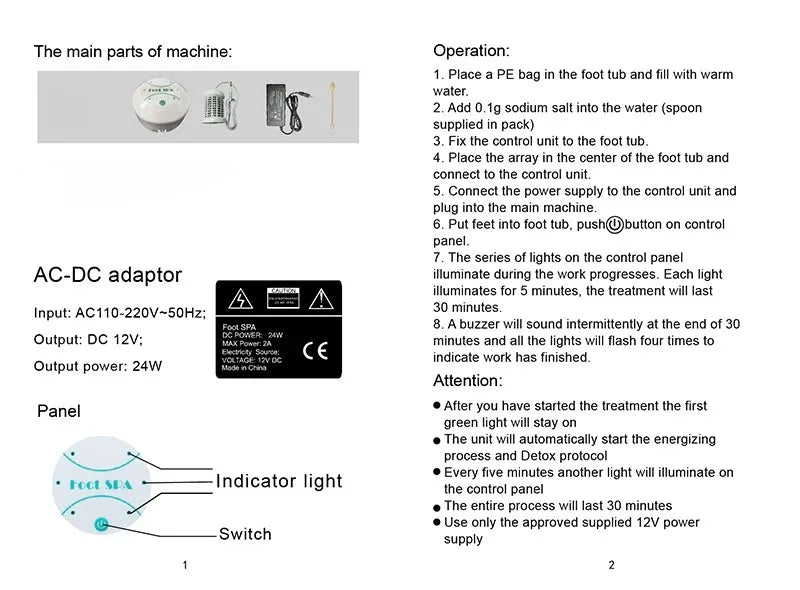
poor circulation in feet — warm foot spa techniques in action
How warm foot baths affect blood circulation
A warm foot soak for blood circulation works primarily by increasing skin temperature and encouraging blood vessels near the surface of the skin to relax. Although this isn't a treatment for circulatory disease, it can temporarily improve comfort and warmth.
Vasodilation and warmth
Warm water causes blood vessels to widen through a natural process called vasodilation . As blood vessels expand, more blood reaches the skin and soft tissues of the feet, often reducing the sensation of coldness and stiffness.
Water temperatures between 37–40°C (98–104°F) are generally comfortable for most healthy adults while avoiding excessive heat.
Muscle relaxation and microcirculation
Warm water relaxes muscles, tendons, and connective tissue. Reduced muscle tension allows small capillaries to function more efficiently, supporting microcirculation and helping tired feet feel lighter after prolonged standing or walking.
Adding gentle ankle movements or massage during the soak may further encourage healthy blood flow.
What research says
Research suggests that heat therapy increases local skin blood flow and temporarily improves circulation in the treated area. However, most studies show these effects are short-lived and should not be confused with treatment for vascular disease. Medical experts generally consider warm foot baths supportive self-care rather than a replacement for exercise, prescribed treatments, or professional medical evaluation.
Types of foot baths for circulation
Warm foot bath
A traditional warm foot bath is the best choice for most people seeking temporary relief from cold feet, mild stiffness, or everyday fatigue. It offers the strongest evidence for improving comfort through increased skin blood flow and relaxation.
- Best for cold feet
- Helpful after standing or sitting for long periods
- Simple and suitable for regular home use
Contrast foot bath
Contrast therapy alternates warm and cool water to repeatedly expand and narrow blood vessels. Some rehabilitation professionals use this approach to help manage mild swelling and support recovery after exercise, although evidence remains mixed.
- May reduce mild swelling
- Can support post-exercise recovery
- Not recommended for everyone with vascular disease
Epsom salt foot soak
An Epsom salt soak is primarily used for relaxation and comfort. While it may soothe sore muscles, there is little evidence that Epsom salt itself directly improves blood circulation beyond the effects of warm water.
- Best for muscle soreness
- Supports relaxation
- Circulation benefits come mainly from the warm water rather than the salt
How to use a foot bath safely for circulation
Ideal water temperature
Fill a basin or foot spa with water between 37–40°C (98–104°F) . The water should feel comfortably warm—not hot enough to cause redness or discomfort.
Recommended soaking time
- Wash your feet if needed before soaking.
- Soak for 10–20 minutes .
- Massage the soles, arches, and calves gently during the soak.
- If desired, perform ankle circles and toe stretches while seated.
- For contrast therapy, alternate 3–4 minutes of warm water with 1 minute of cool water for a total of 15–20 minutes.
Aftercare for better results
- Dry feet thoroughly, especially between the toes.
- Wear warm socks if your feet become cold easily.
- Walk for a few minutes to keep muscles active.
- Stay hydrated throughout the day.
Most people can safely enjoy a warm foot bath several times per week, while daily use may be appropriate if it provides symptom relief and no medical contraindications exist.
Does foot massage or a foot spa improve circulation more?
Foot massage for circulation often provides greater short-term relief than soaking alone because it combines warmth with mechanical stimulation of muscles and soft tissues.
Foot spa devices may offer additional convenience by combining:
- Heat therapy
- Rolling massage
- Vibration massage
- Water movement that enhances comfort
These features may help reduce muscle tightness and improve relaxation, but current evidence does not show that even the best foot spa for circulation permanently improves blood flow. The greatest benefit comes from combining regular movement, massage, and healthy daily habits.
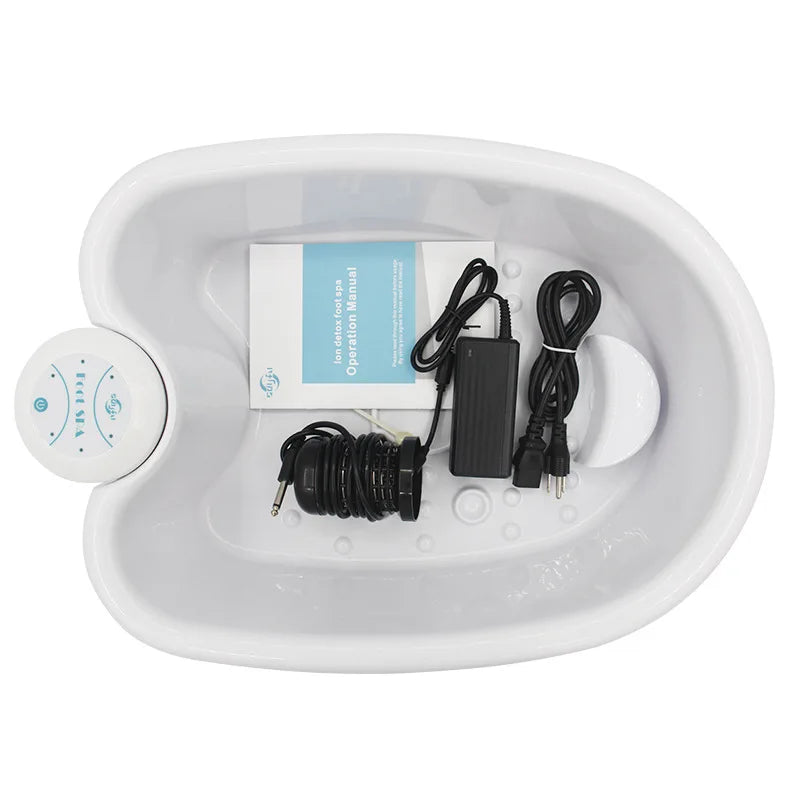
foot spa for tired feet — compare features and benefits
Benefits of foot baths beyond circulation
- Relieve muscle tension after work or exercise
- Reduce stress and encourage relaxation
- Improve overall foot comfort
- Soften dry skin
- Support a calming bedtime routine that may improve sleep quality
- May help reduce mild swelling after prolonged standing
These foot spa benefits for feet make warm soaks valuable even when circulation is not the primary concern.
What foot baths cannot treat
Foot baths provide temporary symptom relief but should not be viewed as treatment for underlying medical conditions.
Peripheral artery disease
PAD reduces blood flow because arteries become narrowed. Warm water cannot reopen blocked arteries or restore normal circulation.
Chronic venous insufficiency
When leg veins struggle to return blood to the heart, compression therapy, exercise, and medical treatment are usually more effective than foot baths alone.
Underlying medical conditions
Foot baths do not treat:
- Peripheral artery disease
- Diabetic neuropathy
- Advanced venous disease
- Blood clots
- Heart-related swelling
They should also not be promoted as a "detox" treatment because there is no reliable scientific evidence that foot baths remove toxins from the body.
Who should avoid foot baths or talk to a doctor first
Diabetes and neuropathy
People with diabetes or reduced sensation should avoid hot water because burns can occur without being noticed. Always test water temperature carefully and consult a healthcare professional before beginning regular foot soaks.
Peripheral artery disease
If you have diagnosed PAD, discuss heat therapy with your clinician before using warm foot baths regularly, particularly if you experience severe pain, ulcers, or skin color changes.
Heart failure and severe swelling
Seek medical advice before using prolonged hot foot baths if you have:
- Heart failure
- Sudden or severe leg swelling
- Open wounds or active infections
- Unexplained foot pain or skin discoloration
Persistent cold feet, pain while walking, or sores that heal slowly require medical evaluation rather than self-treatment.
Evidence-based ways to improve circulation in your feet at home
A foot bath for circulation works best as one part of a broader daily routine.
Walking and calf exercises
Walking activates the calf muscles, which act as a natural pump to move blood back toward the heart. Even short walks throughout the day can improve circulation.
Compression socks
For people with mild venous insufficiency or prolonged standing, properly fitted compression socks may help reduce swelling and support healthy blood flow. Speak with a healthcare provider before using them if you have arterial disease.
Hydration and smoking cessation
Staying hydrated supports healthy blood volume, while quitting smoking benefits blood vessel function throughout the body.
Foot baths as part of a routine
Combine warm foot baths with stretching, regular movement, healthy body weight, supportive footwear, and foot massage to maximize comfort and help manage symptoms of tired feet.
Comparison: Warm foot bath vs contrast bath vs foot spa
| Option | Best for | Limitations |
|---|---|---|
| Warm foot bath | Quick warmth, relaxation, temporary circulation support | Short-term effects only |
| Contrast bath | Exercise recovery, mild swelling | Not suitable for everyone with vascular disease |
| Foot spa device | Convenience, massage, heat therapy | Does not outperform healthy lifestyle habits |
Pros and cons of using foot baths for circulation
- Pros: Easy to perform, inexpensive, relaxing, improves comfort, temporarily warms cold feet, can complement massage and stretching.
- Cons: Benefits are temporary, does not treat vascular disease, unsuitable for some medical conditions, should not replace professional care.
FAQ: Foot baths and circulation
Do foot baths help circulation?
Yes. Warm foot baths temporarily increase local blood flow through heat and relaxation, but they do not treat the underlying causes of poor circulation.
How long should I soak my feet?
Most healthy adults benefit from soaking for 10–20 minutes using comfortably warm water.
What is the best water temperature?
Approximately 37–40°C (98–104°F) is generally recommended because it provides warmth without excessive heat.
Can foot baths cure poor circulation?
No. They provide temporary symptom relief but cannot cure conditions such as peripheral artery disease or chronic venous insufficiency.
Are foot baths safe for diabetes?
People with diabetes or neuropathy should consult their healthcare provider first and always avoid excessively hot water because of burn risk.
Are cold foot baths good for circulation?
Cold water alone generally reduces blood flow temporarily. Alternating warm and cool water in contrast therapy may support recovery for some people, but evidence is limited.
How often should I use a foot bath?
Several times per week is suitable for most people. Daily use may be appropriate if it remains comfortable and no medical contraindications exist.
Related reads: check complementary tools in Body Care and Health Devices and calming routines in Beauty & Self-Care Blog for extra recovery ideas.
Related Articles:
- Severe Leg Cramps in Both Legs: At-Home Foot Soak Solutions
- Leg Cramps and Pain: Foot Spa Techniques That Ease Discomfort
Pillar Articles:
- Ionic Detox Foot Spa Benefits: Full Review and Real Results
- Ionic Foot Detox Review: Key Features and Health Benefits Explained
- Benefits of Ionic Detox Foot Bath: How to Use It at Home
- Recharge and Relax: Top Foot Baths for Ultimate At-Home Comfort
- Foot Home Spa Reviews: Which Device Delivers True Relaxation













